How to Read a Cannabis Product Label: THC%, Terpenes & What Actually Matters

How to read a cannabis product label is the difference between buying a strain that actually hits the way you want and buying a pretty bag with a disappointing punch.


Hyperwolf’s goal is simple: be your knowledgeable budtender in your pocket, minus the line, minus the awkward small talk, plus the receipts.


Most labels are packed with numbers that look scientific enough to intimidate anyone into just buying the highest THC and praying. Don’t do that. Read the label like a pro. Pick smarter. Get higher (or calmer, or sleepier) on purpose.


Let’s walk through a real cannabis label, section by section, and translate the fine print into: “Will I like this?”


The 20-second rule: what actually matters most

Before we get nerdy, here’s your quick priority list when you’re standing there comparing two jars like you’re judging a dog show.

  • Freshness (harvest date, packaging date, batch date)
  • Terpenes (especially total terp % and the top 2 to 4)
  • THC and CBD (helpful, not holy)
  • Total cannabinoids (context, not a trophy)
  • COA QR code (proof it’s clean and accurately labeled)
  • Licensed cultivator / manufacturer info (accountability)


Read that again. Freshness and terpenes routinely beat “31% THC!!!” when it comes to the experience.


Start at the top: product type and format (yes, it matters)

Most labels tell you what you’re actually holding. Sounds obvious. People still mess this up.

Look for:


Why this matters:

  • Flower and live resin/rosin preserve more of the plant’s original compounds. Often more nuanced effects.
  • Distillate vapes can be potent but one-dimensional if terp content is low or added terps are generic.
  • Edibles hit differently and last longer. You don’t “micro-dose” an edible by taking a heroic bite and hoping.


If you’re browsing on Hyperwolf, the product card usually makes format obvious. Still, train your eyes to confirm it on the label so you’re not surprised later.


THC%: what it is, what it isn’t, and why people overreact

THC% is the headline number. It’s also the most abused number in cannabis marketing.


What does THC percentage actually mean? (featured snippet)

THC percentage is the amount of THC by weight in the product, usually shown as THCA and/or total THC, and it estimates potency, not the quality of the experience.


In flower, most THC exists as THCA, which converts to THC when heated. Two products with similar THC% can feel completely different depending on terpenes, minor cannabinoids, freshness, and your own tolerance.


That’s the clean definition. Now let’s make it useful.


THCA vs. THC vs. Total THC (don’t get tricked)

Many labels show:

  • THCA% (non-intoxicating until heated)
  • THC% (already active THC, usually small in flower)
  • Total THC% (an estimate after conversion)


In plain English: flower is mostly THCA, and smoking/vaping turns it into THC. So if you only look for “THC%” and ignore “THCA%,” you’re missing the real number they’re trying to communicate.


Why “higher THC% = better high” is a myth

Yes, THC contributes to intensity. No, it is not the whole experience.


Here’s the label-reading reality: a well-grown 22% flower with a loud terpene profile often outperforms a 31% flower with a flat terp profile. Why?


  • Terpenes influence the character of the high (uplifted, heavy, clear, foggy, social, couchy).
  • Freshness preserves volatile compounds that actually make the experience feel “alive.”
  • Testing variance exists. Labs aren’t magical truth machines. THC numbers can drift.
  • Your body is not a spreadsheet. Tolerance, mood, food, sleep, and context change everything.


So stop chasing the highest THC like it’s a high score in an arcade game. Read the rest of the label like an adult.


CBD%: the underrated number that can change the entire vibe

CBD doesn’t “get you high” the same way THC does, but it can shape the experience dramatically.


Look for:

  • CBD% in flower
  • CBD mg per serving in edibles and tinctures
  • CBD:THC ratios on product cards


Why you care:

  • A little CBD can take the edge off THC for some people.
  • Balanced products can feel calmer, clearer, and more functional.
  • For anxiety-prone consumers, high THC with zero CBD can sometimes feel like buying a ticket to Overthink City.


If you want a smoother ride, don’t just lower THC. Consider adding CBD into the mix.


Total cannabinoids: context, not a crown

Labels often show total cannabinoids as a combined percentage.

This can include:

  • THCA/THC
  • CBDA/CBD
  • CBG, CBC, CBN (sometimes)
  • Other minor cannabinoids


What it tells you:

  • The product has measurable active compounds.
  • The flower is likely not weak, old, or poorly handled.


What it doesn’t tell you:

  • Whether it will feel euphoric, focused, sleepy, or social.
  • Whether it tastes good.
  • Whether it was cured well.


Use total cannabinoids as a quick “is this generally potent?” check. Then move on to the good stuff.


Terpenes: the part of the label that actually predicts your experience

If THC is the engine size, terpenes are the steering wheel. They’re aromatic compounds that influence smell, flavor, and often the effects you feel.


On a label or product card, look for:

  • Dominant terpenes (top 2 to 5 listed)
  • Total terpene percentage (if provided)


If you’re shopping on Hyperwolf, you’ll often see terpenes surfaced on the product page because they’re that important.


The big hitters (and what people often report)

These aren’t medical claims. They’re common consumer-reported patterns, and they line up with why people chase certain terp profiles.


  • Myrcene: earthy, herbal, “heavy.” Often reported as relaxing or sedating, especially in higher amounts.
  • Limonene: citrus, bright. Often reported as uplifting, mood-forward, daytime-friendly.
  • Pinene: pine, sharp. Often reported as clearer-headed and alert.
  • Caryophyllene: peppery, spicy. Often reported as grounding; it’s unique because it interacts with cannabinoid receptors differently than most terps.
  • Linalool: floral, lavender-ish. Often reported as calming and soothing.
  • Humulene: woody, hoppy. Often shows up with caryophyllene; people report it as mellow and balanced.
  • Terpinolene: fresh, complex, sometimes sweet. Often reported as energetic or creative, depending on the rest of the profile.


The “22% beats 31%” example (why terps win)

Let’s say you’re staring at two labels:

  • Flower A: 31% total THC, terpenes not listed, smells faint, harvest date unknown.
  • Flower B: 22% total THC, dominant terpenes: myrcene + limonene, total terps clearly listed, harvested recently.


Flower B often delivers a better experience because it’s:

  • fresher
  • more aromatic (meaning more volatile compounds intact)
  • more “directional” in effects thanks to terps


If you’ve ever thought, “This 30% strain feels… boring,” now you know why.


What terpene numbers should you look for?

If total terp % is listed, use this as a rough guide (especially for flower and live resin/rosin):

  • Low: muted aroma, often less character
  • Moderate: noticeable smell and more defined effects
  • High: loud aroma, more flavor, often more “complete” experience


Don’t obsess over a single terp. Look for a combo that matches your goal.


Want uplift? Look for limonene, terpinolene, pinene in the top slots.


Want chill? Look for myrcene, linalool, caryophyllene.


Want balance? Look for caryophyllene + limonene, or pinene + myrcene in reasonable amounts.


And yes, your nose is allowed to vote, too.


Batch date, harvest date, and package date: freshness is potency’s secret boss

Cannabis is not wine. It does not get better in the bag with time. It dries out, terpenes evaporate, and the vibe gets flatter.


On the label, look for:

  • Harvest date: when it was cut
  • Batch date / lot number: the specific production run (useful for COA matching)
  • Package date: when it was sealed for sale


Rules of thumb:

  • Favor products with clear, recent dates.
  • If the label is weirdly vague, treat that like a red flag.
  • Old flower can still have high THC on paper and feel like chewing on dusty bookshelf air in real life.


If you want flavor and effects, prioritize freshness. Freshness, freshness, freshness.


The COA QR code: your “trust but verify” button

COA means Certificate of Analysis. It’s lab testing data for that product batch.

A good label includes:

  • QR code linking to the COA
  • Batch/Lot number that matches the COA
  • Testing lab name and sometimes license info


Scan it. Actually scan it. This is where you confirm:

  • Cannabinoid potency matches what’s on the label
  • Terpene test is present (when available)
  • The product passed contaminant testing (pesticides, heavy metals, microbials, residual solvents for extracts)


If the COA is missing, broken, or doesn’t match the batch number, don’t shrug. That’s not “mysterious.” That’s “nope.”


Hyperwolf’s product pages often surface the info you need, but the QR is still your fastest reality check, especially in-store.


Licensed cultivator and manufacturer info: accountability beats vibes

Your label should name names. Not in a gossip way. In a “who made this and are they regulated?” way.


Look for:

  • Cultivator / manufacturer name
  • License number (state-regulated markets often require this)
  • Sometimes the distributor and brand are listed separately


Why it matters:

  • If something is off, there’s a clear responsible party.
  • Reputable operators tend to have more consistent quality control.
  • You can learn which farms and brands match your preferences over time.


Treat it like knowing the bakery that makes your favorite bread. Once you find the good one, you stop gambling.


Walk-through: how to read a Hyperwolf product card (like a budtender)

Hyperwolf product pages are built to make label-reading easier, not harder. Use them like a cheat code.


Here’s the exact order to follow when you’re looking at a product card or detail page:

  • Confirm the format (flower, pre-roll, vape, edible)
  • Check THC and CBD (don’t worship them, just note them)
  • Check total cannabinoids (quick potency context)
  • Find dominant terpenes (this is your effects compass)
  • Check harvest/package date (freshness filter)
  • Open the COA (verify potency and safety tests)
  • Note the cultivator/brand (build your personal “trusted producers” list)


Do this every time. Make it a habit. Repetition works. Repetition works.


Where screenshots should go (so you can annotate them)

Add your annotated Hyperwolf product card screenshots in these spots for maximum clarity:

  • After the THC/CBD section: highlight where potency is shown.
  • After the terpene section: circle dominant terps and total terps.
  • After the dates section: point out harvest/package date placement.
  • After the COA section: show the QR/COA link and batch number match.


Keep the annotations simple. Label the label. Yes, that’s meta. It also works.


Common label traps (and how to not fall for them)

Trap 1: “THC 35%” with no terp info

Could be fine. Could be dry and lifeless. Without terps and freshness, you’re guessing.

Fix: Choose the product that gives you terp and date transparency.


Trap 2: “Sativa/Indica/Hybrid” as the whole story

Those terms are shorthand, not destiny. Modern strains are crossbred into oblivion anyway.


Fix: Use terpenes + cannabinoids + freshness as your real guide.


Trap 3: “Total THC” used as marketing glitter

Some labels push total THC while hiding that the product is old, harsh, or low-terp.


Fix: Read down the label. Don’t stop at the biggest number.


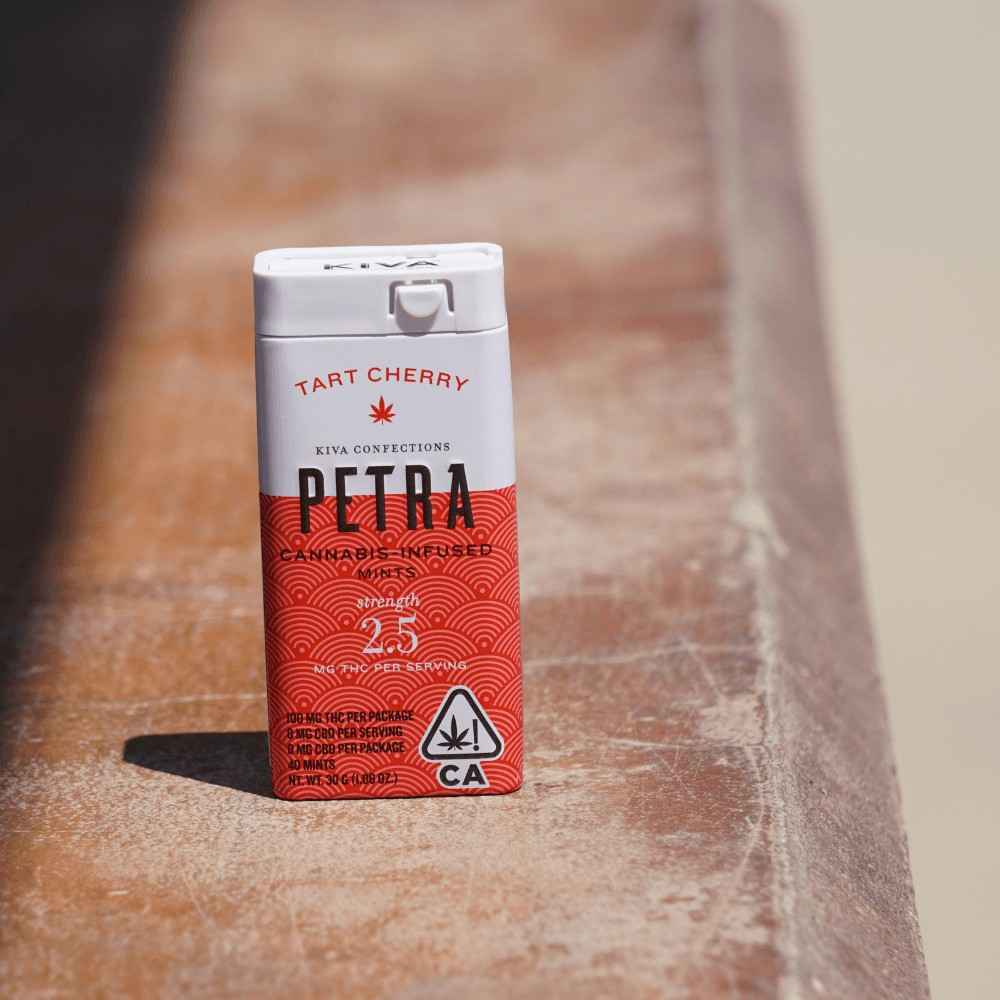
Trap 4: Edibles with confusing mg math

Packages can show “100 mg total” but servings are 10 mg each, and you just ate three servings like a champion.


Fix: Read:

  • mg per serving
  • number of servings
  • total mg per package


Then dose like you respect your own plans for the day.


Quick buying guides (choose your label targets)

If you want a daytime, upbeat high

  • Moderate THC (you don’t need to white-knuckle your errands)
  • Terps: limonene, pinene, terpinolene
  • Fresh harvest/package date


If you want sleep or deep relaxation

  • THC level depends on tolerance, but don’t ignore CBD/CBN products
  • Terps: myrcene, linalool, caryophyllene
  • Freshness matters a lot because terps are the lullaby


If you want a “clear but calm” vibe

  • Consider balanced THC:CBD
  • Terps: caryophyllene + limonene or pinene + myrcene in moderate amounts
  • Verify COA for accurate potency


The bottom line: read like a budtender, buy like a pro

A cannabis label is not decoration. It’s your roadmap.

  • Use THC% as a starting point, not the finish line.
  • Prioritize terpenes to predict the vibe.
  • Prioritize freshness to avoid flat, dusty effects.
  • Scan the COA QR to verify potency and safety.
  • Note the cultivator and batch so you can repeat your wins.


Do it every time. Repetition, repetition, repetition.


And if you ever get stuck, shop Hyperwolf like you’ve got a budtender in your pocket, because that’s the whole point.


FAQs (Frequently Asked Questions)

What are the most important things to check first on a cannabis product label?

When comparing cannabis products, prioritize freshness (harvest date, packaging date), terpene content (especially total terpene percentage and the top 2 to 4 terpenes), THC and CBD levels, total cannabinoids for context, COA QR code for lab verification, and licensed cultivator/manufacturer information for accountability. Freshness and terpenes often have a bigger impact on your experience than just high THC percentages.


Why does the product type and format matter when reading a cannabis label?

The product type—such as flower, pre-roll, vape cartridge, concentrate, edible, tincture, or topical—affects how you consume it and the experience you'll get. For example, flower and live resin/rosin preserve more of the plant's original compounds leading to nuanced effects, while distillate vapes may be potent but one-dimensional if terpene content is low. Edibles last longer and hit differently, so dosing requires care.


What does THC percentage really indicate on a cannabis label?

THC percentage represents the amount of THC by weight in the product—usually shown as THCA and/or total THC—and estimates potency rather than quality of experience. In flower, most THC exists as non-intoxicating THCA that converts to active THC when heated. Two products with similar THC% can feel very different depending on terpenes, minor cannabinoids, freshness, and individual tolerance.


How should I interpret THCA vs. THC vs. Total THC on a cannabis label?

THCA is the non-intoxicating form found in raw flower; heating converts it into active THC. Labels may show THCA%, active THC%, and total THC% (an estimate after conversion). Since flower is mostly THCA before use, looking only at 'THC%' misses the real potency info. Total THC% gives a better estimate of the potential effect after heating.


Is higher THC percentage always better for my cannabis experience?

No. While higher THC can increase intensity, it's not the whole story. A well-grown 22% flower with a rich terpene profile often outperforms a 31% flower with a flat terpene profile because terpenes influence the character of the high. Freshness preserves these volatile compounds too. Also consider your own tolerance and mood—stop chasing highest THC like a game score.


Why is CBD percentage important on a cannabis label?

CBD doesn't cause intoxication like THC but can dramatically shape your experience by balancing effects. Look for CBD% in flower or mg per serving in edibles/tinctures and CBD:THC ratios. Adding some CBD can reduce anxiety or edge caused by high-THC products and create calmer, clearer effects without simply lowering THC levels.

Jenna Renz

Jenna is a California-based creative copywriter who’s been lucky enough to have worked with a diverse range of clients before settling into the cannabis industry to explore her two greatest passions: writing and weed.

  • Social Link