Cannabis Concentrates Explained: Shatter, Badder, Sugar, Rosin & Live Resin

Cannabis concentrates are the fast lane of the cannabis world, and yes, they come with better flavor, higher potency, and a learning curve that will humble you if you get cocky.


This guide breaks down the big formats you’ll actually see in dispensaries, what they are, how they’re made, how they feel, who they’re for, and what they typically cost.


If you’ve ever stared at a menu wondering whether “badder” is a typo or a dare, you’re in the right place.


What are cannabis concentrates?

Cannabis concentrates are products made by extracting and collecting the most desirable compounds from the cannabis plant, mainly cannabinoids (like THC and CBD) and terpenes (the aroma and flavor compounds). The result is a much more potent product than flower, often with a richer flavor profile when made and stored properly.


In plain English: concentrates are cannabis turned up to maximum volume.


Common ways people use concentrates:

  • Dabbing (with a dab rig or e-rig)
  • Vape cartridges (often distillate or live resin)
  • Topping a bowl or joint (kief, hash, some rosins)
  • Infusing edibles (distillate, decarbed rosin, etc.)


Typical potency range (roughly):

  • Flower: often 15% to 30% THC
  • Concentrates: often 60% to 95% THC depending on type


Potency is not the whole story, though. Terpenes change the ride. A flavorful 70% live resin can feel “bigger” than a flat 90% distillate. Numbers are helpful. They are not the boss.


Solvent-based vs solventless: the split that matters

Before we get into shatter, badder, sugar, rosin, and live resin, you need one simple framework.


Solvent-based concentrates

These use a solvent to dissolve cannabinoids and terpenes out of the plant, commonly:

  • Hydrocarbons (butane/propane) for BHO/PHO products like shatter, badder, sugar, live resin. For a deeper understanding of this process, check out this general overview of cannabis hydrocarbon extraction.
  • CO₂ (less common in “dab shelf” culture, more common for oils)


When made by reputable labs, solvent-based products are purged to remove residual solvents and tested for safety.


Solventless concentrates

These use heat, pressure, water, ice, agitation, and time, but no chemical solvents.

  • Rosin (pressed from flower, kief, or hash)
  • Hash / ice water hash (mechanical separation)


Solventless is the premium craft tier for many consumers because it preserves “true-to-plant” character when done right. It is also typically more expensive. Your wallet will notice.


Quick comparison: shatter vs badder vs sugar vs rosin vs live resin

Here’s the simple ranking most people actually want.


Potency (typical)

  • Highest ceiling: Distillate, THCA diamonds (not the focus of this article, but relevant)
  • Very high: Shatter, sugar, badder, live resin
  • High but often “fuller”: Rosin (especially live rosin)


Flavor retention (typical)

  • Best: Solventless rosin (especially live rosin)
  • Excellent: Live resin
  • Good to decent: Badder / sugar (depends heavily on terp preservation)
  • Often weakest: Shatter (can be tasty, but frequently less terp-forward)
  • Distillate is usually flavored rather than naturally expressive


Price (typical)

  • Budget-friendly: Shatter, distillate
  • Mid: Sugar, badder, live resin
  • Premium: Rosin, hash rosin, live rosin


Solvent use

  • Solventless: Rosin, hash
  • Solvent-based: Shatter, badder, sugar, live resin


If you want to go deeper on specific head-to-heads, build your knowledge with these next reads:

  • Sugar vs badder (which texture fits your style)
  • Live resin vs live rosin (terps vs craft)
  • Diamonds vs sauce vs isolate (the “pure THC” side of the menu)
  • Dabbing for beginners (so your first dab isn’t a cautionary tale)


Shatter: the glassy classic

What it is

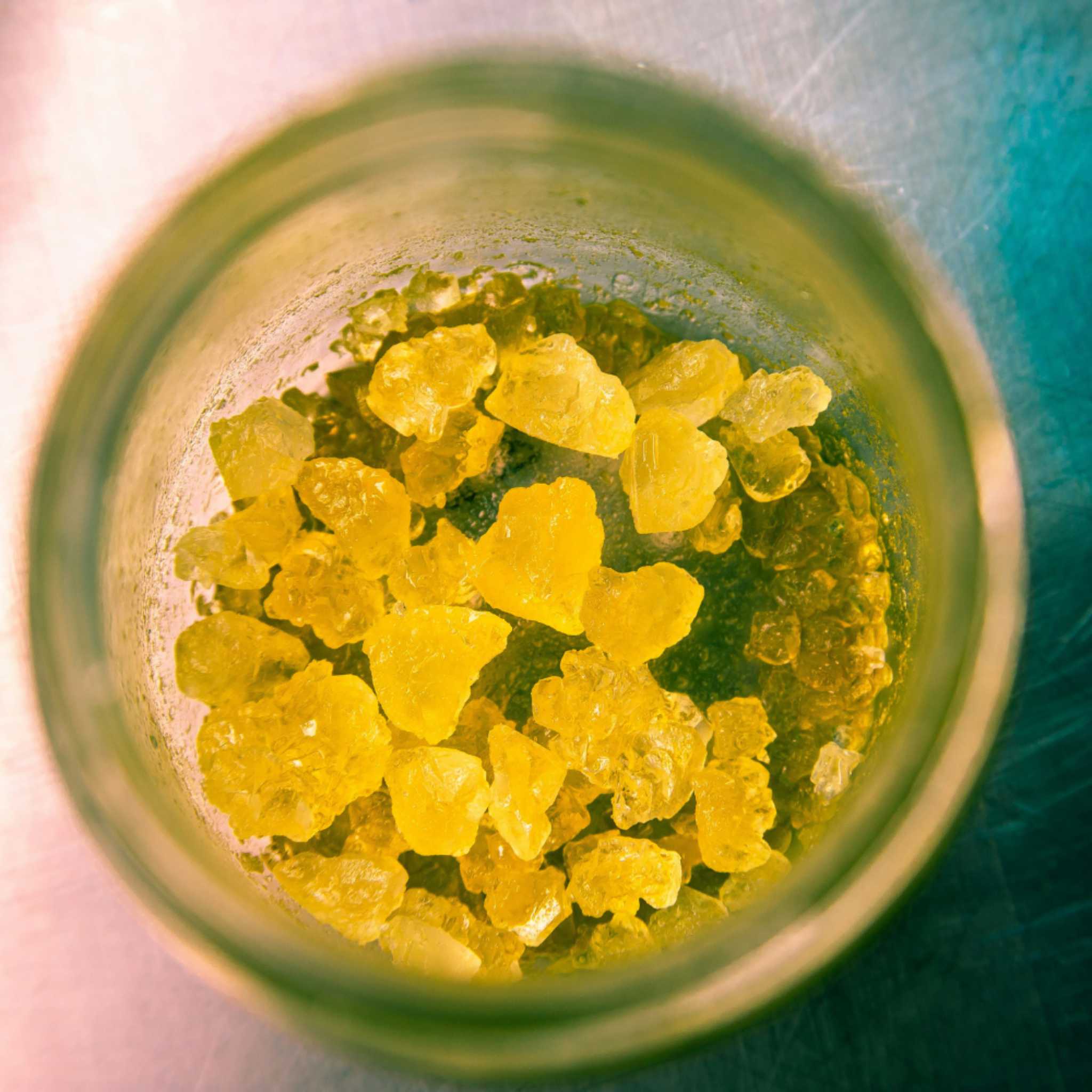
Shatter is a brittle, translucent concentrate that snaps like glass when it’s cool. It’s one of the older “mainstream” dab formats, and it’s still around because it’s potent, stable, and often cheaper than terp-heavier options.


How it’s made

Shatter is usually a hydrocarbon extract (often butane or a butane/propane blend) that’s purged and then allowed to set into a smooth, glass-like sheet. The texture comes down to processing and how much “nucleation” happens (crystallization and microstructure changes during curing).


What it feels like

Expect a direct, high-THC punch. Shatter can be clean and hard-hitting, often with less aromatic complexity than live resin or rosin.


Translation: efficient, not poetic.


Who it’s for

  • People who want high potency on a budget
  • Dabbers who like stable concentrates that store well
  • Anyone who doesn’t want to pay extra for maximum terp expression


Typical price range

  • Often budget to mid-tier, depending on market and brand
  • Commonly cheaper than live resin and rosin


Pros

  • Potent and usually affordable
  • Long shelf stability
  • Easy to portion once you learn the snap-and-grab technique


Cons

  • Can be less flavorful than fresher terp-heavy products
  • Texture can be annoying if it “shatters” into tiny pieces
  • Not the best choice if you’re chasing strain-specific nuance


Badder (aka budder): the whipped, terp-forward crowd pleaser

What it is

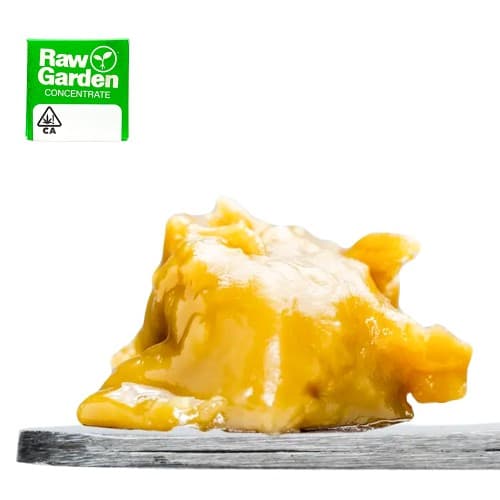
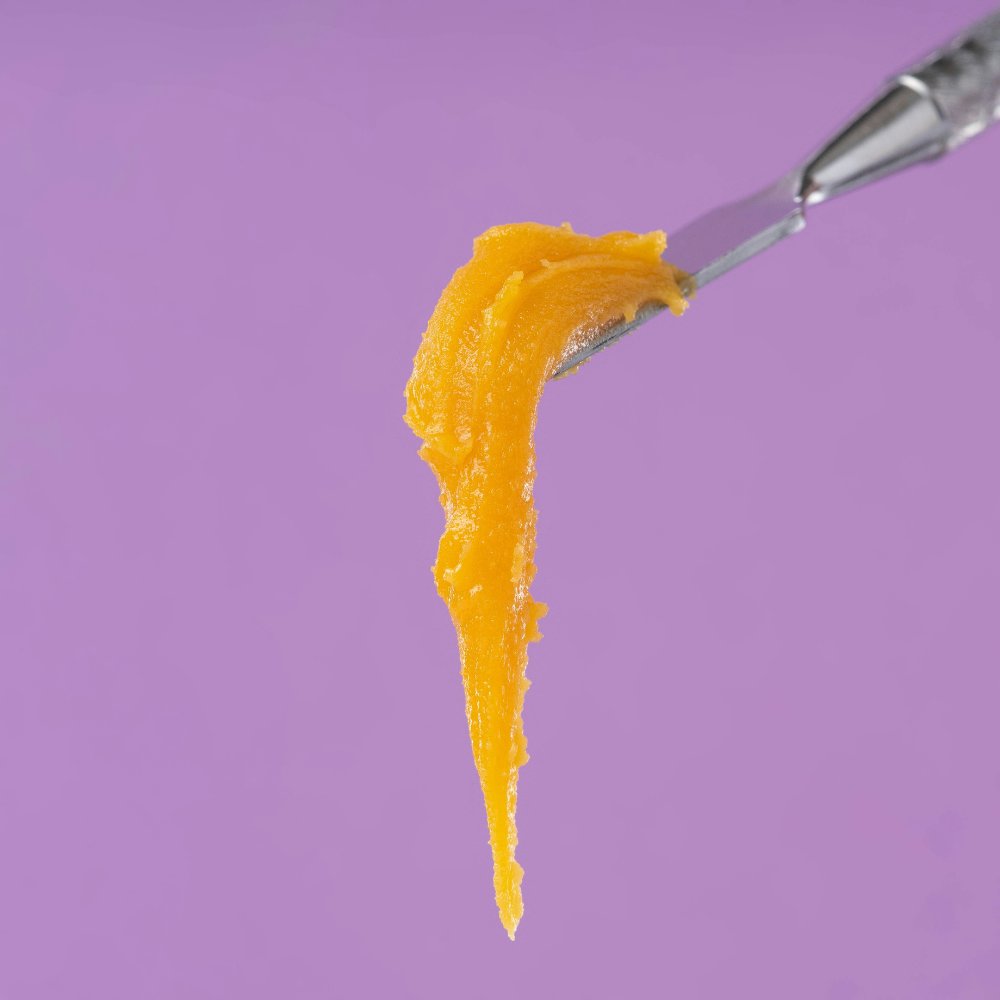
Badder is a soft, creamy concentrate with a texture like cake batter or whipped frosting. It’s popular because it’s easy to handle and can carry a strong aroma when made well.

“Budder” and “badder” are often used interchangeably, though some brands use them to signal slightly different consistencies.


How it’s made

Badder is typically a hydrocarbon extract that’s purged and then agitated or whipped during or after processing. That agitation changes the structure, often creating a more opaque, creamy texture and helping distribute terpenes more evenly.


What it feels like

Badder tends to deliver a rounded high with noticeable flavor, especially when compared to shatter. It can feel “bigger” because terp content often stays more present.


Who it’s for

  • Dabbers who want flavor without paying rosin prices
  • People who hate dealing with brittle textures
  • Anyone who wants a concentrate that’s easy to scoop and dose


Typical price range

  • Usually mid-tier, sometimes creeping higher if it’s live badder (made from fresh frozen material)


Pros

  • Easy handling and dosing
  • Often more aromatic than shatter
  • Great balance of potency and flavor


Cons

  • Can dry out if stored poorly
  • Quality varies a lot by producer
  • Some batches can feel “samey” if terp preservation wasn’t the priority


Sugar (aka sugar wax): the crystalline, scoopable texture

What it is

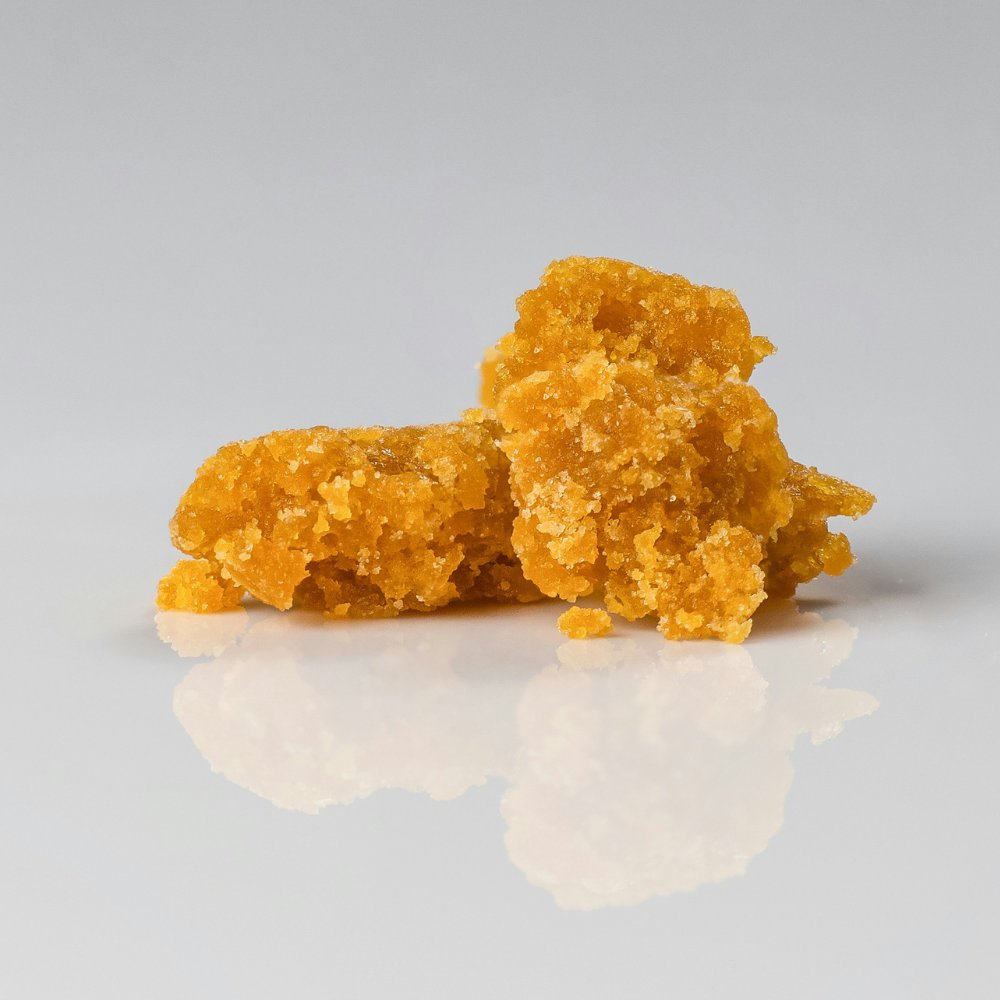
Sugar is a concentrate with a grainy, crystalline look, like wet sugar or small THCA crystals suspended in terp-rich sauce. It’s typically easy to scoop and tends to smell loud when fresh.


How it’s made

Sugar is usually a hydrocarbon extract that’s encouraged to nucleate. THCA forms small crystals while terpenes and other compounds remain in a liquid phase, giving that “sugary” wet consistency.


What it feels like

Sugar often hits fast and strong with solid flavor. Compared to badder, it can feel a bit sharper or more “sparkly” in effect, though that’s product-dependent and subjective.


Who it’s for

  • People who want potency plus noticeable terps
  • Dabbers who like a texture that’s easy to portion
  • Anyone curious about the “crystal + sauce” style without going full diamonds


Typical price range

  • Typically mid-tier, similar to badder, sometimes cheaper than live resin depending on market


Pros

  • Strong potency and often strong aroma
  • Easy to dose and handle
  • Good middle ground between shatter and full “sauce” products


Cons

  • Can separate or dry out if not sealed well
  • Some sugar products are more “sugar-looking” than “sugar-performing”
  • Terp burn-off is real if you dab too hot


Rosin: the solventless flex (and yes, it costs more)

What it is

Rosin is a solventless concentrate made by applying heat and pressure to cannabis material to squeeze out a resinous oil. Rosin can be made from:

  • Flower rosin (pressed from cured buds)
  • Kief rosin (pressed from sift)
  • Hash rosin (pressed from bubble hash or ice water hash)


When people say “rosin” in a premium context, they often mean hash rosin, and the top-shelf version is usually live rosin (more on that in a second).


How it’s made

No solvents. Just:

  • Start with flower, kief, or hash
  • Put it in a filter bag (common for hash)
  • Press with controlled heat and pressure
  • Collect rosin, cure if desired for texture


The starting material quality matters brutally here. You cannot press mids into magic. Rosin is honest like that.


What it feels like

Rosin often delivers a full-spectrum, strain-forward experience. Many users describe it as cleaner, richer, or more “complete,” partly due to terpene preservation and the broader cannabinoid mix. Effects can feel potent without being one-dimensional.


Who it’s for

  • Flavor chasers
  • People who want solventless specifically
  • Connoisseurs who care about craft, starting material, and true strain character
  • Anyone sensitive to the “sharpness” some solvent extracts can have


Typical price range

  • Usually premium to super-premium
  • Hash rosin and live rosin command top dollar


Pros

  • Solventless process
  • Excellent terpene expression when done right
  • Often the most “true-to-plant” option


Cons

  • Expensive
  • Storage matters a lot (heat is the enemy, air is the enemy, light is the enemy)
  • Flower rosin can be harsher and less refined than hash rosin


Live resin: big terps, big aroma, solvent-based done right

What it is

Live resin is a solvent-based concentrate made from fresh frozen cannabis. Instead of drying and curing the plant, producers freeze it shortly after harvest to preserve volatile terpenes.


The result is often intensely aromatic and strain-specific.


How it’s made

  • Harvest cannabis
  • Freeze it (fresh frozen)
  • Extract with hydrocarbons (commonly butane/propane blends)
  • Purge and finish into various textures (live sugar, live badder, live sauce, etc.)


“Live” refers to the starting material being fresh frozen, not cured.


What it feels like

Live resin is known for flavor-first effects. The high can feel more nuanced and layered than many cured-material extracts, especially when dabbed at lower temps to keep terps intact.


Who it’s for

  • People who want maximum terp aroma without paying live rosin prices
  • Dabbers who prioritize strain character and taste
  • Anyone upgrading from shatter who wants a noticeable step up in flavor


Typical price range

  • Usually mid to high, often less than live rosin but more than shatter


Pros

  • Often outstanding flavor and aroma
  • Great representation of strain profile
  • Widely available in many markets


Cons

  • Solvent-based (not inherently bad, but it is a factor for some buyers)
  • Quality varies wildly depending on producer and starting material
  • Can be messy if it’s saucy and you’re not careful


Which concentrate is strongest?

If we’re talking pure THC percentage, the strongest products are typically:

  • THC distillate (often very high THC, lower natural terp complexity)
  • THCA isolate and diamonds (extremely high THCA)


Among the concentrates covered in this article, shatter can test very high, and some sugars and badders can also reach high THC numbers, but live resin and rosin often “win” on perceived intensity because terpenes and minor cannabinoids shape the experience.


Use this rule:

  • Want the highest number? Look at distillate or diamonds.
  • Want the strongest overall experience? Live resin or high-quality rosin can feel heavier even at lower THC.


Potency is a tool. Don’t turn it into a personality trait.


What each concentrate “feels like” (realistic expectations)

Let’s keep it practical. Effects vary by strain, terp profile, and your tolerance, but patterns exist.

  • Shatter: fast, strong, direct. Often less “rounded.”
  • Badder: strong with better flavor. Often smoother and more balanced.
  • Sugar: strong with a terp kick. Can feel sharp and immediate.
  • Live resin: very flavorful, often more complex and strain-specific.
  • Rosin: full-spectrum, rich, clean, premium vibe when it’s high quality.


And remember: dab temperature changes everything. Go too hot and even the fanciest rosin will taste like regret.


Who should buy what? Pick your lane.

If you’re on a budget and want potency

Buy shatter or a value sugar/badder. Be picky about brands and lab testing. Cheap is fine. Sketchy is not. Shatter is a great option for those seeking high potency at a lower price point.


If you want easy handling

Buy badder. Scoop, dab, done. No glass-shard cosplay.


If you want a balance of potency and loud flavor

Buy sugar or live resin. Live resin usually wins on aroma if both are made well.


If you want premium, solventless, craft-tier flavor

Buy rosin, ideally hash rosin or live rosin if you can swing it.


If you’re new to dabbing

Start with something forgiving like badder or sugar, and read a proper dabbing for beginners guide before you torch your throat and blame the concentrate.


Storage and handling: keep your concentrates tasty (and not tragic)

Do this, seriously:

  • Keep it cool: heat degrades terpenes and texture.
  • Seal it tight: oxygen dries product and dulls aroma.
  • Avoid light: UV exposure is not a terp’s best friend.
  • Use clean tools: dirty dabbers turn premium concentrates into mystery goo.


Rosin and live resin are especially sensitive. Treat them like fancy ingredients, not desk snacks.


Price ranges: what you’re paying for

Pricing varies by state, taxes, and brand positioning, but the pattern is consistent:

  • Shatter and distillate: generally the most budget-friendly per gram
  • Sugar and badder: mid-tier, with “live” versions trending higher
  • Live resin: mid-to-high, often priced for terp value
  • Rosin (hash/live): premium, priced for solventless craft and yield limitations


You’re paying for starting material quality, yield, labor, and how much of the plant’s personality survives the trip.


Common concentrate terms people mix up (quick cleanup)

  • Live resin vs live rosin: both “live” (fresh frozen), but live resin uses solvents; live rosin is solventless.
  • Badder vs butter vs budder: texture language. Brands use these terms loosely.
  • Sugar vs diamonds: sugar has small crystals; diamonds are larger THCA crystals often paired with sauce.
  • Sauce: terp-heavy concentrate with cannabinoids in liquid form, sometimes with diamonds.
  • Distillate: refined THC oil, often low in natural terps unless reintroduced.


If you want the full breakdown of the crystal side of the menu, see diamonds vs sauce vs isolate.


Safety and quality: don’t be brave, be smart

Do this every time:

  • Buy from reputable, regulated sources when possible.
  • Check lab testing for potency and contaminants.
  • Avoid products with strange odors that suggest poor purging or contamination.
  • Don’t dab random mystery oil because a guy you know “has a plug.” Your lungs are not a testing facility.


Also, start small. Concentrates punish overconfidence.


The bottom line

Cannabis concentrates are not complicated once you sort them into the right buckets.

  • Choose shatter if you want high potency and a lower price.
  • Choose badder if you want easy handling and solid flavor.
  • Choose sugar if you want that crystal-and-terp combo with strong effects.
  • Choose live resin if you want loud terps and strain character with solvent-based efficiency.
  • Choose rosin if you want solventless, premium craft quality and you’re willing to pay for it.


Pick your lane, pick your temperature wisely, and repeat after me: start small, start small, start small.


FAQs (Frequently Asked Questions)

What are cannabis concentrates and how do they differ from traditional flower?

Cannabis concentrates are products made by extracting cannabinoids like THC and CBD, along with terpenes, from the cannabis plant, resulting in a product with much higher potency—often 60% to 95% THC compared to flower's typical 15% to 30%. They offer richer flavor profiles when made and stored properly, essentially turning cannabis up to maximum volume.


What are the common methods of consuming cannabis concentrates?

Common ways to use cannabis concentrates include dabbing with a dab rig or e-rig, vaping via cartridges (often distillate or live resin), topping a bowl or joint with kief, hash, or rosin, and infusing edibles using distillate or decarbed rosin. Each method offers different experiences based on the concentrate type.


What is the difference between solvent-based and solventless cannabis concentrates?

Solvent-based concentrates use solvents like hydrocarbons (butane/propane) or CO₂ to extract cannabinoids and terpenes; examples include shatter, badder, sugar, and live resin. These products undergo purging to remove residual solvents. Solventless concentrates rely on heat, pressure, water, ice, agitation, and time without chemical solvents; examples include rosin and hash. Solventless is often considered premium craft due to its true-to-plant character but tends to be more expensive.


How do shatter, badder, sugar, rosin, and live resin compare in terms of potency, flavor retention, price, and solvent use?

Potency-wise: distillate and THCA diamonds have the highest ceiling; shatter, sugar, badder, and live resin are very high; rosin is high but fuller in effect. Flavor retention is best with solventless rosin (especially live rosin), excellent with live resin; good to decent with badder/sugar; often weakest with shatter. Price ranges from budget-friendly (shatter, distillate) to mid-tier (sugar, badder, live resin) to premium (rosin varieties). Solvent-based include shatter, badder, sugar, live resin; solventless include rosin and hash.


What exactly is shatter and what should I expect when using it?

Shatter is a brittle, translucent hydrocarbon-based concentrate that snaps like glass when cool. It's one of the older mainstream dab formats known for being potent, stable, and often more affordable than terpene-rich options. Users can expect a direct high-THC punch that is clean but may have less aromatic complexity compared to live resin or rosin.


Why might someone choose solventless concentrates over solvent-based ones?

Many consumers prefer solventless concentrates like rosin because they preserve the 'true-to-plant' character by avoiding chemical solvents during extraction. This results in richer terpene profiles and a fuller flavor experience. However, solventless products usually come at a higher price point due to their craft-level production methods involving heat, pressure, water or ice agitation.

Jenna Renz

Jenna is a California-based creative copywriter who’s been lucky enough to have worked with a diverse range of clients before settling into the cannabis industry to explore her two greatest passions: writing and weed.

  • Social Link