Rewards


Curious about THCp side effects? You’re in the right place. The cannabis industry continues to expand at a rapid pace, with researchers and stoners constantly discovering new cannabinoids that promise unique effects and potential therapeutic benefits. One of the most talked-about new cannabinoids is tetrahydrocannabiphorol, or THCp. As a naturally occurring cannabinoid found in trace amounts in the cannabis plant, particularly in the cannabis sativa inflorescence, THCp has attracted attention for its potent effects and stronger binding affinity to CB1 receptors. While many users are excited to explore THCp, understanding the potential side effects, proper dosage, and overall impact on the body’s endocannabinoid system is crucial for safe and responsible use.
THCp’s discovery by Italian researchers in 2019 marked a significant milestone in cannabis research. Its chemical structure, though similar to traditional THC, contains a longer alkyl side chain with seven carbon atoms instead of five. This fundamental difference enhances its affinity for cannabinoid receptors, resulting in more intense psychoactive effects than delta-9 THC. Early studies suggest that THCp’s chemical structure allows it to exert potent effects even at low doses, and anecdotal evidence suggests users experience a markedly stronger high compared to traditional THC. The excitement around this potent cannabinoid has fueled the development of various THCp products, including hemp-derived THCp gummies and other hemp-derived products, but it has also raised questions about safety and potential adverse effects.
How THCp Interacts with the Body




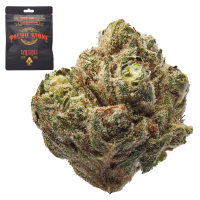
THCp interacts with the body through the endocannabinoid system, a complex network of endocannabinoid receptors that help regulate mood, appetite, pain, and sleep. THCp binds particularly strongly to CB1 receptors, which are concentrated in the central nervous system. This stronger binding affinity is believed to be responsible for THCp’s potent effects and intense psychoactive experiences. When THCp interacts with these receptors, users may notice more pronounced sensations compared to traditional THC or even other cannabinoids.
While CB1 receptors primarily influence mental and emotional processes, CB2 receptors are more closely associated with immune responses and inflammation. THCp interacts with both sets of receptors, but its primary impact is felt through CB1 activation, which explains the heightened psychoactive effects and potential mental side effects. Early in vivo studies suggest THCp exhibits vivo cannabimimetic activity higher than delta-9 THC, demonstrating its increased potency and potential therapeutic benefits. The longer alkyl side chain allows THCp to affect the body in ways that traditional THC cannot, leading researchers and enthusiasts alike to explore THCp for potential health benefits, from chronic pain relief to sleep disturbances.

Psychoactive Effects of THCp
The psychoactive effects of THCp are among the most significant aspects to consider when exploring its use. As a potent cannabinoid, THCp’s effects can be far stronger than those of delta-9 THC. Users often report intense euphoria, heightened sensory perception, and even bursts of creativity. Psychoactive cannabinoids like THCp influence the central nervous system directly, producing effects that can be exhilarating but also overwhelming for some.
Anecdotal evidence suggests that low-dose THCp use can produce a euphoric yet manageable experience, while higher doses can result in intense effects that may include disorientation or heightened anxiety. Many users compare the experience to that of traditional THC, but with a significant difference in potency and duration. THCp gummies and other controlled doses of hemp-derived THCp allow for a more measured approach, providing a way to explore its psychoactive substances while monitoring for potential side effects.
Other cannabinoids, such as CBD, may moderate some of THCp’s intense effects. Users combining THCp with minor cannabinoids sometimes report a more balanced high, highlighting the complex interplay of naturally occurring cannabinoids within the cannabis plant. However, the potent effects of THCp demand careful attention to dosage and personal tolerance, particularly for those new to psychoactive cannabinoids or sensitive to cannabis use.
Physical Side Effects
Beyond its psychoactive effects, THCp can produce a range of physical side effects. Many of these are similar to those experienced with traditional THC, but their intensity can be greater due to THCp’s stronger binding affinity. Common physical discomforts include dry mouth, red eyes, and increased heart rate. Users may also experience dizziness, temporary coordination issues, or changes in appetite.
The body’s endocannabinoid system plays a significant role in these physical reactions. When THCp binds to CB1 and CB2 receptors, it affects both the central nervous system and peripheral systems, contributing to a wide spectrum of effects. Some users report heightened sensitivity to sensory stimuli, while others experience mild nausea or fatigue. Anecdotal evidence suggests that low-dose consumption of hemp-derived THCp may reduce the likelihood of adverse effects, making controlled dosing essential.
Chronic or excessive use of THCp could exacerbate these physical reactions, leading to prolonged discomfort. While fatal overdose from THCp is not documented, overconsumption can produce intense effects that may feel overwhelming or unpleasant. Controlled doses, particularly in the form of THCp gummies or other hemp-derived products, provide a safer way to explore this potent cannabinoid while minimizing negative effects.

Potential Negative Reactions
While many users tolerate THCp well, there is potential for negative effects, particularly in sensitive individuals or those with underlying mental health conditions. Anxiety, paranoia, and sleep disturbances have been reported, especially with high doses or low tolerance. THCp’s potent effects on the central nervous system can occasionally lead to restlessness, racing thoughts, or temporary cognitive impairment.
In rare instances, early studies and anecdotal evidence suggest that THCp may contribute to acute psychotic-like episodes. These occurrences highlight the importance of understanding THCp’s effects, especially when considering synthetic cannabinoids versus naturally occurring or hemp-derived THCp. Users should always monitor their reactions, start with low doses, and avoid combining THCp with other psychoactive substances, which could amplify adverse effects.
Understanding THCp’s legal status is also critical. While many hemp-derived THCp products are marketed as legal, the regulatory landscape is evolving, and THCp’s classification may vary by jurisdiction. Using controlled doses and purchasing reputable hemp-derived products can mitigate some of the risks associated with THCp use.
Dosage, Tolerance, and Safe Usage
Due to THCp’s potency, dosage considerations are essential. Low-dose consumption is recommended for first-time users to assess tolerance. Controlled doses, such as THCp gummies or measured hemp-derived THCp, can help users explore thcp safely without overconsumption. The longer alkyl side chain and stronger binding affinity make THCp more potent than delta-9 THC, so starting low is vital to avoiding intense or unpleasant effects.
Tolerance to THCp can develop rapidly with repeated use. Early studies suggest that even minor cannabinoids contribute to the overall effect, meaning that habitual users may require progressively higher doses to achieve the same benefits. Users should also consider potential interactions with other cannabinoids, medications, or substances. Keeping track of dosage and noting any adverse effects can provide a clearer understanding of how THCp affects an individual’s endocannabinoid system over time.
Comparing THCp to Other Cannabinoids
THCp’s potent effects are often contrasted with other cannabinoids to provide perspective. Traditional THC produces psychoactive effects that are well-known, but THCp’s stronger binding affinity makes its effects more intense and longer-lasting. Minor cannabinoids like CBD may help offset negative effects such as anxiety or sleep disturbances, but they do not replicate THCp’s potency.
Delta-9 THC, THCp’s close relative, shares many psychoactive effects, but THCp occurs naturally in much smaller concentrations in cannabis flower and hemp-derived products. Early studies suggest that THCp interacts with CB1 receptors more effectively, producing more pronounced psychoactive effects and potentially offering enhanced therapeutic benefits. Exploring THCp in controlled doses allows users to experience its unique properties without the risks associated with unregulated or synthetic cannabinoids.
Long-Term Effects and Research Gaps
Research on THCp remains limited. As a new cannabinoid, most studies focus on its chemical structure, binding affinity, and short-term effects in vivo. Early studies suggest potential therapeutic benefits, such as pain relief, anti-inflammatory effects, and support for chronic conditions, but more research is needed to fully understand its long-term impact on mental health, cognitive function, and the central nervous system.
Anecdotal evidence suggests that controlled use of hemp-derived THCp can provide relief for chronic pain or physical discomfort without severe adverse effects. However, because THCp exhibits increased potency compared to traditional THC, the potential for sleep disturbances, heightened anxiety, or other adverse effects cannot be ignored. Researchers emphasize the need for more studies to establish dosing guidelines, therapeutic applications, and safety profiles for both naturally occurring and synthetic cannabinoids.
Who Should Be Cautious with THCp
Certain populations should exercise caution when considering THCp. Individuals with a history of mental health disorders, including anxiety, depression, or psychosis, may be more susceptible to adverse effects. Pregnant or breastfeeding women should avoid THCp due to unknown risks to fetal and infant development. Those taking medications that interact with the central nervous system, cardiovascular system, or metabolism may also experience negative effects if they use THCp.
For these groups, consulting healthcare professionals before exploring THCp or hemp-derived products is essential. Controlled doses, low-dose experimentation, and careful monitoring of psychoactive and physical responses can help mitigate risks. Users should remain mindful of THCp’s legal status, particularly since some synthetic cannabinoids may carry different regulatory restrictions than hemp-derived THCp.

Exploring Potential Benefits of THCp
Despite the potential for side effects, THCp offers a range of potential health benefits. Early studies and anecdotal evidence suggest THCp may provide pain relief, anti-inflammatory effects, and support for chronic conditions. Its potent cannabinoid profile allows it to interact effectively with endocannabinoid receptors, enhancing its therapeutic potential compared to other cannabinoids.
THCp’s unique chemical structure and longer alkyl side chain contribute to its increased potency, offering potential advantages over traditional THC or other hemp-derived cannabinoids. Users have reported benefits for physical discomfort, sleep disturbances, and mood regulation when using THCp in controlled doses. As research advances, the cannabis industry continues to explore THCP for its potential therapeutic benefits, emphasizing the importance of responsible consumption and awareness of potential adverse effects.
Conclusion
THCp is a naturally occurring, potent cannabinoid that presents both exciting opportunities and significant considerations for cannabis use. Its unique chemical structure, longer alkyl side chain, and stronger binding affinity to CB1 receptors contribute to intense effects that differentiate it from delta-9 THC and other cannabinoids. While anecdotal evidence and early studies highlight potential therapeutic benefits, such as pain relief and anti-inflammatory effects, understanding THCp side effects is essential for safe exploration.
Controlled doses, hemp-derived THCp products, and careful attention to the body’s endocannabinoid system can help users mitigate negative effects while experiencing potential benefits. As research continues, more insight will emerge about THCp’s long-term impact, therapeutic potential, and safety profile. Until then, exploring THCp responsibly—mindful of psychoactive effects, physical discomfort, and mental health considerations—is the most effective way to enjoy this potent cannabinoid.
With its growing presence in the cannabis industry, THCp represents the forefront of new cannabinoids, offering both promise and caution. By approaching THCp with knowledge and respect, users can safely explore its benefits while minimizing potential adverse effects. Whether through THCp gummies, hemp-derived products, or other controlled methods, this powerful cannabinoid is redefining how cannabis enthusiasts experience psychoactive substances and potential therapeutic benefits.
Frequently Asked Questions
1. What are the risks of THCP?
THCp is a potent cannabinoid that can produce intense psychoactive effects, so understanding the risks is important. Common side effects include dry mouth, red eyes, increased heart rate, dizziness, and temporary coordination issues. Some users may experience anxiety, paranoia, or sleep disturbances, especially at higher doses or if they are sensitive to psychoactive cannabinoids. Because THCp binds more strongly to CB1 receptors than delta-9 THC, its effects can be significantly stronger, which increases the potential for adverse effects. Long-term risks are still under study, but early research and anecdotal evidence suggest that cautious use with controlled doses—such as hemp-derived THCp gummies—can help mitigate negative effects. Individuals with mental health concerns or cardiovascular issues should be especially careful when exploring THCp.
2. Does THCP get you stoned?
Yes, THCp is highly psychoactive. Users often report more intense effects than traditional THC due to THCp’s longer alkyl side chain and stronger binding affinity to CB1 receptors. Its potent effects can include euphoria, altered sensory perception, heightened creativity, and relaxation. While some may enjoy these psychoactive effects, first-time users should start with a low dose and monitor their response to avoid overwhelming sensations. THCp’s psychoactive properties are what make it stand out among hemp-derived cannabinoids and minor cannabinoids in the cannabis plant.
3. How long do the side effects of THCP last?
The duration of THCp’s side effects depends on dosage, method of consumption, and individual tolerance. In general, users report that mild physical side effects like dry mouth or red eyes may last a few hours, while psychoactive effects such as euphoria or altered perception can persist for several hours. Because THCp binds strongly to CB1 receptors, its effects are typically more intense and longer-lasting than delta-9 THC. Low-dose consumption and controlled dosing can help manage the duration of side effects. Anecdotal evidence also suggests that taking THCp with food or CBD may help moderate both the intensity and duration of its effects.
4. Does THCP stay in your system longer?
THCp is a naturally occurring cannabinoid that is metabolized similarly to other cannabinoids, but due to its potent effects, some metabolites may linger in the body slightly longer. Factors such as frequency of use, body fat percentage, metabolism, and dosage can all affect how long THCp stays detectable in the system. Like other hemp-derived cannabinoids, THCp may show up on drug tests that target THC metabolites. For occasional users, THCp metabolites are usually cleared within a few days to weeks, but chronic or high-dose use could result in longer detection times. Responsible consumption and awareness of your own body’s response are key for managing THCp’s presence in the system.
Jenna Renz

Jenna is a California-based creative copywriter who’s been lucky enough to have worked with a diverse range of clients before settling into the cannabis industry to explore her two greatest passions: writing and weed.