Rewards


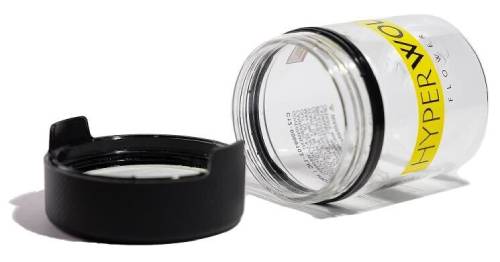

When you walk into a dispensary, you’ll be greeted by a wide variety of options—hundreds of cannabis strains with unique names, each promising different experiences. Some strains will energize you like a double espresso, while others will make you feel relaxed and cozy on your couch. This diversity is not just marketing gimmick; these strains actually affect people differently based on their chemical makeup.
Here’s the thing: choosing the best weed strain for your needs doesn’t require extensive knowledge of plants or years of experimenting. What you really need is to understand what you’re looking for.
This guide to cannabis strains cuts through all the confusion and helps you find the right strain for your specific goals—whether it’s relieving pain, boosting creativity, reducing anxiety, or getting a good night’s sleep. Instead of relying on trendy names or sales pitches from budtenders, you’ll discover how to select a weed strain based on its effects, cannabinoid content, and terpene profiles.
Your takeaway? A practical framework for finding your perfect weed strain every single time, tailored to your individual needs and preferences.
Understanding Cannabis Strain Types




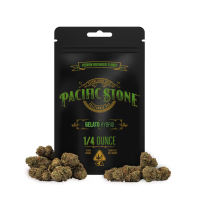
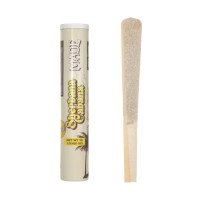
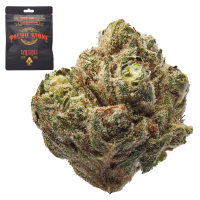
The cannabis world traditionally divides strains into three cannabis strain categories: Indica, Sativa, and Hybrid. Think of these as your starting compass points—not gospel truth, but helpful signposts when you’re standing in a dispensary wondering where to begin.
1. Indica Strains
Indica strains earned their reputation as the “in-da-couch” varieties. These plants typically grow short and bushy, originating from harsh climates like the Hindu Kush mountains. Users report:
- Deep body relaxation and muscle tension relief
- Sedative effects that make your eyelids feel heavy
- Appetite stimulation (yes, the munchies are real)
- Best consumed when you have no plans
2. Sativa Strains
Sativa strains flip the script entirely. These tall, lanky plants from equatorial regions deliver:
- Cerebral, uplifting head highs
- Energy boosts that make creative projects suddenly seem doable
- Enhanced focus and sociability
- Daytime-friendly effects that won’t make you feel lazy
3. Hybrid Strains
Hybrid strains are the lovechild of Indica and Sativa genetics, bred to capture specific traits from both parents. Breeders create Indica-dominant, Sativa-dominant, or balanced hybrids depending on the desired effect profile. This category offers the most variety and nuance.
Here’s the plot twist: the indica vs sativa framework is becoming outdated. Modern research suggests cannabinoid and terpene profiles matter far more than strain classification. A “Sativa” might knock you out if it’s loaded with sedative terpenes, while an “Indica” could energize you depending on its chemical makeup. These categories remain useful shorthand at dispensaries, but they’re just your starting point—not your destination.
Key Factors to Consider When Choosing a Weed Strain
Picking the right strain isn’t about chasing trendy names—it’s about matching cannabis chemistry to your specific goals. Start by asking yourself what you actually want from your experience.
Define Your Desired Effects First
Your intended outcome should drive every decision:
- Relaxation and stress relief: Look for strains with calming properties that melt tension without knocking you unconscious
- Energy and focus: Seek varieties that provide mental clarity and physical motivation for daytime activities
- Creativity boost: Target strains known for enhancing divergent thinking and artistic flow
- Pain management: Prioritize anti-inflammatory and analgesic properties for physical discomfort
- Sleep support: Choose deeply sedating options that promote restful, uninterrupted sleep
THC vs CBD: The Chemical Foundation
THC (tetrahydrocannabinol) delivers the psychoactive punch—the “high” everyone talks about. Higher THC percentages (15-30%+) create more intense cerebral and physical effects. New users? Stick to lower THC levels (5-15%) to avoid overwhelming experiences.
CBD (cannabidiol) offers therapeutic benefits without intoxication. High-CBD strains (10%+ CBD with minimal THC) provide relief from inflammation, anxiety, and discomfort while keeping your head clear. Think of CBD as the gentle giant of cannabinoids.
The ratio matters tremendously: a 1:1 THC:CBD strain behaves completely differently than a 20:1 THC-dominant variety. Balanced ratios often provide the smoothest, most manageable experiences for beginners.
Terpene Profiles: The Secret Sauce
Those aromatic compounds responsible for cannabis’s distinctive smells? They’re not just pleasant—they actively shape your experience through the entourage effect, working synergistically with cannabinoids to produce specific outcomes.
Effects-Based Decision Making: Matching Strains to Your Needs
The smartest way to find your perfect weed strain starts with honest self-assessment. Forget chasing trending names—ask yourself what you actually need from cannabis right now.
Anxiety Relief Seekers
If racing thoughts and tension dominate your days, you’re hunting for strains that calm without couch-locking you into oblivion. The best weed strain for anxiety typically features moderate THC (10-18%) paired with decent CBD levels (at least 1:1 ratio). High-THC monsters might amplify paranoia rather than soothe it. Look for strains rich in linalool and myrcene—these terpenes act like nature’s chill pills.
Sleep-Deprived Souls
Insomnia demands heavy-hitting sedation. The best strain for sleep leans heavily Indica-dominant with THC content above 20% and substantial myrcene presence. You want that full-body melt that makes your mattress feel like a cloud made of warm butter. CBN (cannabinol) content matters here too—it’s THC’s sleepy cousin that develops as flower ages slightly.
Mood Enhancement Enthusiasts
Depression’s fog requires uplifting cerebral effects without jittery overstimulation. Sativa-leaning hybrids with limonene and pinene deliver that mental sunshine. Aim for balanced THC:CBD ratios (2:1 or 3:1) to avoid the emotional rollercoaster pure THC can trigger.
Pain Management Priorities
Chronic pain responds differently than acute inflammation. Deep body aches need high-THC Indicas, while inflammatory conditions benefit from CBD-rich options. Many medical users swear by 1:1 THC:CBD ratios for sustained relief without excessive intoxication.
Your cannabis strain effects guide boils down to matching chemistry with intention—not Instagram hype.
Terpene Profiles Explained for Beginners
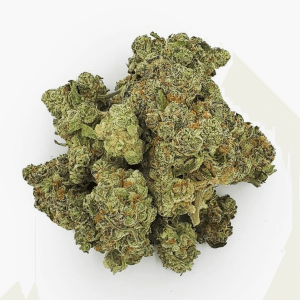
Terpenes are aromatic compounds that give cannabis its distinctive smell—think pine, citrus, or earthy musk. These molecules do more than tickle your nose, though. They work alongside cannabinoids to shape your experience, influencing everything from energy levels to stress relief.
1. Myrcene: The Heavyweight Champion
Myrcene is the heavyweight champion of cannabis terpenes. This earthy, musky compound appears in most strains and delivers sedative effects that melt tension from your muscles. Strains high in myrcene typically produce that classic “couch-lock” sensation, making them ideal for evening use or pain management.
2. Limonene: The Citrus Punch
Limonene brings the citrus punch. This bright, zesty terpene elevates mood and may help reduce anxiety. You’ll find it in strains that smell like fresh lemon peel or orange zest. People seeking stress relief without sedation often gravitate toward limonene-rich varieties.
3. Pinene: The Fresh Pine
Pinene smells exactly like you’d expect—fresh pine needles and rosemary. This terpene may improve focus and alertness while potentially counteracting some of THC’s short-term memory effects. It’s a solid choice when you need mental clarity alongside your cannabis experience.
4. Caryophyllene: The Spicy Pepper
Caryophyllene stands out as the only terpene that interacts directly with your endocannabinoid system. Its spicy, peppery aroma accompanies powerful anti-inflammatory properties. This makes caryophyllene-dominant strains particularly appealing for chronic pain management.
5. Linalool: The Floral Lavender
Linalool carries floral, lavender-like notes and promotes relaxation without heavy sedation. This terpene shines for anxiety relief and sleep support, offering a gentler approach than myrcene-heavy strains.
Check your dispensary’s lab results or ask budtenders about terpene profiles. Many products now list dominant terpenes alongside THC and CBD percentages, giving you a complete picture before purchase.
High THC vs High CBD Strains: What’s Right for You?
THC vs CBD strains represent two fundamentally different cannabis experiences. THC (tetrahydrocannabinol) delivers that classic “high”—the euphoria, altered perception, and psychoactive effects most people associate with weed. CBD (cannabidiol), on the other hand, won’t get you stoned but offers a range of medicinal cannabis benefits without the mental fog.
When to Choose High THC Strains
High THC strains (typically 15-30%+ THC) work best when you’re seeking:
- Intense euphoria and recreational enjoyment
- Powerful pain relief through psychoactive mechanisms
- Deep sleep assistance (especially indica-dominant varieties)
- Enhanced sensory experiences
The catch? High THC can trigger anxiety or paranoia in sensitive users. Start low if you’re new to potent strains.
When to Choose High CBD Strains
High CBD strains (often 10-20% CBD with minimal THC) shine for:
- Daytime relief without impairment
- Anxiety and stress management
- Inflammation reduction
- Seizure control and neuroprotection
- Clear-headed pain management
Many users discover that how to choose THC vs CBD strain depends on their daily schedule. Need to function at work? CBD-dominant strains keep you sharp. Evening wind-down? THC-rich options deliver that couch-lock comfort.
The Benefits of Balanced Ratio Strains
Balanced ratio strains (1:1 or 2:1 CBD:THC) offer a middle ground—mild psychoactivity with CBD’s moderating influence. These work brilliantly for first-timers or anyone who finds pure THC overwhelming but wants some euphoria.
Your tolerance matters here. Regular THC users might find CBD strains underwhelming, while cannabis newbies often appreciate CBD’s gentle introduction. The smartest approach? Match the cannabinoid profile to your specific situation rather than chasing the highest THC percentage on the menu.
Practical Tips on How to Choose Your Ideal Strain
Start with your budtender—they’re basically cannabis sommeliers with better stories. These dispensary professionals see hundreds of customers weekly and can quickly translate “I want to feel like I’m floating on a cloud but still functional enough to fold laundry” into actual strain recommendations. Come prepared with specific questions about your desired effects, time of day you’ll consume, and any previous strains you’ve enjoyed or hated.
Document your cannabis journey like a scientist (or at least like someone who remembers what they did yesterday). Keep notes on your phone about:
- Strain names and their effects on you specifically
- Dosage amounts that worked best
- Time of day consumed
- Activities you paired with each strain
- Any unwanted effects experienced
Trust multiple sources, not just Instagram hype. Cross-reference information from:
- Leafly or Weedmaps reviews from verified users with similar needs
- Lab test results posted by reputable dispensaries
- Medical cannabis research databases for condition-specific recommendations
- Cannabis community forums where real users share unfiltered experiences
Start low, go slow, and give each strain a fair trial. Test new strains on days when you have zero obligations. Your body chemistry might respond differently than the person raving about that strain online. When learning how to pick indica or sativa varieties, remember your personal reaction matters more than generalized descriptions.

Popular Cannabis Strains and Their Recommended Uses
With an understanding of effects, terpenes, and THC/CBD ratios, you can now delve into specific popular weed strains uses that have earned their reputation through consistent results. These strain recommendations beginners can trust offer predictable experiences backed by decades of cultivation refinement.
1. Blue Dream
Blue Dream delivers a creative spark paired with gentle euphoria—perfect for daytime brainstorming sessions or social gatherings where you want mental clarity without couch-lock. Its balanced hybrid genetics lean slightly sativa, making it ideal for maintaining productivity while managing stress.
2. Northern Lights
Northern Lights stands as the gold standard for full-body relaxation. This indica-dominant powerhouse melts tension from head to toe, making it the go-to choice for evening unwinding or addressing chronic pain. Expect deep physical comfort without the mental fog some heavy indicas produce.
3. Jack Herer
Jack Herer splits the difference beautifully, offering clear-headed stimulation that energizes without anxiety. Named after the legendary cannabis activist, this strain excels at morning motivation or creative projects requiring sustained focus and mental stamina.
4. Pineapple Express
Pineapple Express brings tropical vibes with its sweet, fruity profile and balanced effects. Neither too sedating nor overly stimulating, it’s the Swiss Army knife of strains—suitable for various activities from hiking to movie nights. The uplifting yet grounded experience makes it particularly forgiving for those still calibrating their tolerance.
Conclusion
Finding the perfect weed strain for yourself is all about understanding your own body and its preferences. What works wonders for someone else may not have the same effect on you, and that’s completely normal.
Here’s a quick recap of what we’ve covered:
- Understand Cannabinoids: Different strains have varying levels of cannabinoids like THC and CBD. Knowing what effects these compounds have can help you choose a strain that aligns with your desired experience.
- Explore Terpenes: Terpenes are aromatic compounds found in cannabis that contribute to its unique smell and flavor profiles. They also play a role in the overall effects of a strain. Pay attention to the terpenes present in different strains and see if they resonate with your preferences.
- Respect Your Tolerance: Everyone has a different tolerance level when it comes to cannabis. It’s important to be mindful of your own limits and choose strains accordingly. This will ensure that you have an enjoyable experience without feeling overwhelmed or uncomfortable.
- Keep Experimenting: Your relationship with cannabis is constantly evolving. As you try new strains and develop your tolerance, it’s likely that your preferences will change as well. Embrace this journey of exploration and be open to discovering new strains that may become your favorites.
Remember, there’s no one-size-fits-all answer when it comes to finding the perfect weed strain. It’s a personal journey that requires patience, curiosity, and a willingness to learn from each experience.
So go ahead, visit your local dispensary, and start exploring! Your ideal strain is out there waiting for you—just like some strains might not suit your taste at all—and that’s part of the excitement.
How to Find My Perfect Weed Strain: FAQs (Frequently Asked Questions)
How do I find my perfect weed strain based on my personal needs?
To find your perfect weed strain, start by identifying the effects you desire, such as relaxation, energy, creativity, or pain relief. Consider the type of strain—Indica for sedative effects, Sativa for energizing experiences, or Hybrid for a balanced effect. Also, evaluate THC and CBD content along with terpene profiles to match your preferences. Consulting dispensary budtenders and trusted sources can provide personalized recommendations.
What are the main differences between Indica, Sativa, and Hybrid cannabis strains?
Indica strains typically produce sedative and relaxing effects, making them ideal for sleep and anxiety relief. Sativa strains are known for their energizing and uplifting qualities that enhance creativity and mood. Hybrid strains combine traits from both Indica and Sativa, offering a balanced experience tailored to individual needs.
How do THC and CBD levels affect my cannabis experience?
THC is the psychoactive compound responsible for the ‘high’ feeling in cannabis, while CBD is non-intoxicating and often used for medicinal benefits like pain relief and anxiety reduction. High THC strains may be better for recreational users seeking mood enhancement, whereas high CBD strains are suitable for those looking for therapeutic effects without intoxication.
What role do terpene profiles play in choosing a cannabis strain?
Terpenes are aromatic compounds in cannabis that influence its flavor, aroma, and effects. Common terpenes like myrcene promote relaxation, limonene can elevate mood, and pinene may aid alertness. Understanding terpene profiles helps beginners select strains that align with their desired experience beyond just THC and CBD content.
Which cannabis strains are popular among beginners and what are their recommended uses?
Popular beginner-friendly strains include Blue Dream (known for creativity and mood lift), Northern Lights (favored for body relaxation), Jack Herer (offers balanced stimulation), and Pineapple Express (provides balanced enjoyment). These strains offer varied effects suitable for newcomers exploring different cannabis experiences.
What practical tips should I follow when choosing my ideal cannabis strain?
When selecting your ideal strain, start with small doses to gauge your body’s response. Consult knowledgeable dispensary budtenders or trusted resources to understand strain characteristics. Consider your desired effects—whether it’s anxiety relief or energy boost—and factor in THC/CBD ratios along with terpene profiles to make an informed choice tailored to your preferences.
Jenna Renz

Jenna is a California-based creative copywriter who’s been lucky enough to have worked with a diverse range of clients before settling into the cannabis industry to explore her two greatest passions: writing and weed.