Rewards


Cannabis for sleep can be a legitimate, practical tool for insomnia if you pick the right cannabinoids, the right terpenes, the right product type, and the right dose. Do it well and you fall asleep faster, stay asleep longer, and wake up less like a raccoon who fought a ceiling fan at 3 a.m.
Do it poorly and you get the opposite: grogginess, anxiety, midnight munchies, or that special kind of “I’m tired but my brain is hosting a TED Talk” energy.
This guide is built to be the definitive, buy-ready resource. We’ll cover the real science (without turning it into a biology exam), CBN’s emerging role, the best sleep strains, edibles versus flower, timing your dose, terpene strategy (hello, myrcene “couch lock”), and how to choose sleep-focused products, including HyperWolf options that are designed for nighttime use.
Quick reality check (read this before you scroll)
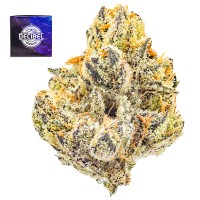
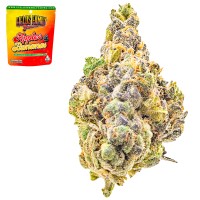
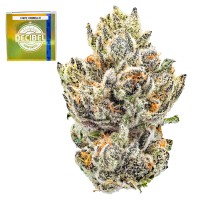
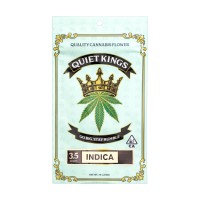
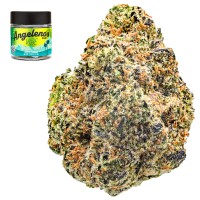
Cannabis affects sleep in two timeframes:
- Tonight: it can help you fall asleep and stay asleep.
- Over weeks/months: regular use, especially high-THC, can change sleep architecture and tolerance can reduce benefits.
So don’t treat it like magic. Treat it like a tool. Use it intentionally. Repeat: intentionally.
Also: talk to a clinician if you’re pregnant, trying to conceive, breastfeeding, managing serious mental health conditions, or taking meds that interact with cannabinoids (more on that later).

Why insomnia happens (and why cannabis sometimes works)
Insomnia usually isn’t just “I can’t sleep.” It’s often one (or more) of these:
- Sleep onset insomnia: you can’t fall asleep.
- Sleep maintenance insomnia: you wake up and can’t get back down.
- Early-morning awakening: you pop awake at 4:47 a.m. for no reason, fully alert, angry about it.
- Poor sleep quality: you technically slept, but it felt like a software update running all night.
Cannabis can help because it can influence:
- Sleep latency (how fast you fall asleep)
- Arousal (how reactive your nervous system is)
- Pain and inflammation (common sleep disruptors)
- Anxiety and racing thoughts (another classic)
- Nighttime awakenings (depending on product duration)
But the same plant can also disrupt sleep if you choose the wrong cannabinoid ratio, terpene profile, timing, or dose.
The science of cannabinoids and sleep (THC, CBD, CBN explained like a human)
The endocannabinoid system: your body’s built-in dimmer switch
Your body already makes cannabinoid-like compounds (endocannabinoids) and has receptors (mostly CB1 and CB2) involved in mood, pain, appetite, and yes, sleep regulation. Plant cannabinoids interact with this system and nudge it in different directions.
Now to the big three for sleep.
THC for sleep: the fast-acting “lights out” cannabinoid (in the right dose)
THC (tetrahydrocannabinol) is the main psychoactive cannabinoid. For sleep, the headline effect is simple:
- THC tends to decrease sleep latency (you fall asleep faster).
That’s one reason many people with insomnia swear by THC at night.
But THC has a personality. And like any personality, it can be charming or unbearable depending on how much you invite over.
Potential benefits of THC for sleep:
- Faster sleep onset
- Better sleep continuity for some people
- Reduced pain that keeps you awake
- Reduced stress response in low-to-moderate doses
Potential downsides (very real):
- Too much THC can increase anxiety or heart racing
- High doses can cause next-day grogginess
- Regular high-THC use can build tolerance
- THC can alter sleep architecture, including REM (more below)
If you’re new to cannabis for sleep, don’t start with a heroic dose. You’re trying to sleep, not meet the moon.
CBD for sleep: not a knockout, more like a nervous-system bodyguard
CBD (cannabidiol) is non-intoxicating. It’s not always “sedating” in a direct way. Instead, it can support sleep by reducing the things that keep you awake.
Many people find CBD helps with:
- Anxiety and stress
- Inflammation and discomfort
- General “wired” feelings
CBD and REM: the nuance people miss
You’ll often see sleep talk split into “THC knocks you out, CBD doesn’t.” That’s lazy.
In practice, CBD is frequently used to support healthier sleep patterns, and it’s commonly discussed as being less likely than THC to suppress REM. In sleep-focused routines, CBD is often used to balance THC, especially if THC makes someone mentally buzzy or next-day foggy.
In other words: CBD can help you sleep better, not just faster.
CBN for sleep: the emerging star in nighttime products
CBN (cannabinol) is mildly psychoactive (typically far less than THC) and is commonly marketed as a “sleep cannabinoid.” The science is still emerging, but here’s the practical, consumer-relevant reality:
- CBN is frequently used in sleep-specific gummies, tinctures, and capsules
- Many people report that CBN feels more “sleepy” than CBD
- It is often paired with THC + CBD for a full-spectrum nighttime effect
Important nuance: CBN doesn’t automatically equal sedation in every person, and product formulation matters a lot. But if you’re shopping specifically for a sleep product, CBN is now one of the most common “night mode” ingredients for a reason.
Best use case for CBN: sleep maintenance (staying asleep), especially when paired with longer-lasting formats like edibles.
The sleep stages cannabis may influence (and why you should care)
Sleep isn’t one blob of unconsciousness. It cycles through stages:
- NREM (including deep sleep): physical restoration
- REM: memory consolidation, emotional processing, vivid dreams
THC is often associated with reduced REM in many users, especially at higher doses or with regular use. Some people love this because fewer dreams can mean fewer nightmares. Others don’t love it because REM is important.
If you stop heavy THC suddenly, you may experience REM rebound: intense dreams, disrupted sleep, weird emotional nights. That’s not a moral failing. That’s biology being dramatic.
Takeaway: If you’re using cannabis for sleep nightly, aim for the lowest effective dose and consider balancing with CBD, CBN, and calming terpenes.
Terpenes: the secret sauce for sleep (myrcene, linalool, caryophyllene)
Terpenes are aromatic compounds in cannabis (and many plants) that contribute to effects and vibe. If cannabinoids are the engine, terpenes are the steering wheel. Sometimes.
Here are the sleep-relevant ones:
Myrcene (the “couch lock” terpene)
Myrcene is the terpene most commonly linked to that heavy, sleepy body feel. People call it “couch lock” because once it hits, you become furniture. Comfortable furniture.
Look for strains and products described as:
- “sedating”
- “body heavy”
- “relaxing”
- “nighttime”
- “couch lock”
Linalool (lavender energy)
Linalool is also found in lavender. It’s often associated with calm, relaxation, and unwinding.
Beta-caryophyllene (stress and body tension support)
Beta-caryophyllene is unique because it can interact with CB2 receptors. It’s commonly associated with soothing body tension and supporting a calmer baseline.
Terpinolene and limonene: be careful at bedtime
Terpinolene and limonene can feel uplifting or mentally active for some people. Great for daytime. Potentially annoying at night if your brain already has too many tabs open.
Sleep terpene strategy: prioritize myrcene + linalool + caryophyllene and treat “energizing” terpene profiles like espresso after dinner. Don’t.
The top 10 cannabis strains for sleep (and why they work)
Strain effects vary by person, batch, and terpene profile. Still, some strains have earned their sleep reputation the hard way: by knocking people out for years.
These are commonly recommended for insomnia and nighttime use, especially when you want physical relaxation and a quiet mind.
1) Granddaddy Purple (GDP)
Classic nighttime strain with heavy body relaxation. Often rich in myrcene. Great for falling asleep and staying asleep.
2) Northern Lights
A legendary indica-leaning strain known for calm euphoria and full-body sedation. Often a safe bet for “I need to sleep, not think.”
3) Tahoe OG
Potent, often more “hits behind the eyes” with strong relaxation. Excellent for winding down when stress is the main problem.
4) Bubba Kush
Earthy, heavy, and famous for turning humans into blankets. Often chosen for insomnia and physical tension.
5) Purple Kush
Deep relaxation and a sleepy vibe. If your body feels like it’s buzzing with restlessness, this style of strain can help shut that down.
6) Hindu Kush
Classic landrace genetics, typically calming and sedative. Great for people who want a simpler, less “racy” experience.
7) Afghan Kush
Often associated with strong body effects and sleepiness. A go-to for nighttime pain plus insomnia.
8) Skywalker OG
Frequently reported as deeply relaxing. Good for late-night unwinding when you feel overstimulated.
9) OG Kush (nighttime batches)
Not always a sleep strain, but many OG cuts lean sedating, especially with myrcene-forward profiles. Use at night only if OG reliably chills you out.
10) Gelato (choose indica-leaning phenos)
Gelato can be more balanced, but certain indica-leaning phenotypes can be soothing and sleep-friendly. If you’re sensitive to THC, go slow.
Important: don’t buy strains by name alone. Buy by lab results and terpene profile when possible. “Granddaddy Purple” can be sleepy in one batch and oddly upbeat in another. Cannabis is consistent at being inconsistent.
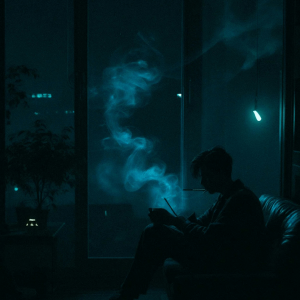
Product types for sleep: flower vs edibles vs tinctures vs vapes (pick your weapon)
If insomnia had a boss fight, your product type is your loadout. Choose based on whether you struggle to fall asleep, stay asleep, or both.
Flower (smoking or dry herb vaping): best for falling asleep fast
Onset: fast (minutes)
Duration: shorter (often 2 to 4 hours, varies)
Pros:
- Rapid relief for sleep onset insomnia
- Easy to titrate (one puff at a time)
- Useful if you wake up and need quick help getting back to sleep
Cons:
- May wear off before morning, especially for sleep maintenance issues
- Smoking can irritate lungs
- Stronger “peaks” can be too psychoactive for some people
Vapes: fast like flower, but easier and sometimes sneakier
Onset: fast
Duration: moderate-short
Vapes can be convenient, but be cautious with potency. Some cartridges are extremely high THC, which can backfire on sleep if you overshoot.
Tinctures: the dosing-control champion
Onset: usually 15 to 45 minutes (sublingual), longer if swallowed
Duration: moderate
Tinctures are great if you want more control than edibles and longer coverage than flower.
Edibles: best for staying asleep (yes, really)
Onset: slower
Duration: longer
This matters: edibles often last longer through the night, making them a top choice for sleep maintenance insomnia.
But you have to respect the timing. Edibles don’t care about your bedtime. They will arrive when they arrive.
Capsules: boring, consistent, effective
If you want predictable dosing and minimal taste, capsules can be excellent for routine nighttime use, especially with cannabinoid blends like THC + CBD + CBN.
Timing your dose: when to take cannabis for sleep (this is where most people mess up)
Timing is everything. Great product, wrong time equals a terrible night.
If you use edibles
Take them 60 to 90 minutes before bed.
Some people need 2 hours, especially after a big meal. Start with 60 to 90, track it, adjust.
Repeat: 60 to 90 minutes before bed for edibles.
If you use tinctures
- Sublingual: often 30 to 60 minutes before bed
- If swallowed like an edible: treat it like an edible (60 to 90+ minutes)
If you use flower or a vape
- Usually 10 to 30 minutes before bed
- For middle-of-the-night wakeups, inhalation may be the fastest way to get back down without waiting an hour
The “wind-down window” rule
Don’t take THC and then scroll your phone under bright light, arguing with strangers online. You’re not “winding down.” You’re marinating in stimulation.
Do this instead:
- Take your dose
- Dim the lights
- Put your phone away
- Repeat: put your phone away
- Let the product work
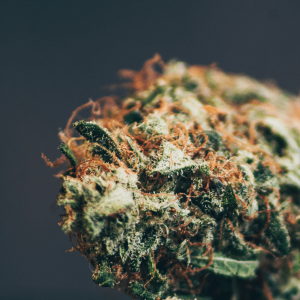
Dosing for insomnia: start low, go slow, stay consistent
Cannabis dosing is personal. Your friend’s “10 mg does nothing” is not your assignment.
The goal dose is the lowest effective dose
Not the most impressive dose. Not the dose that turns you into a philosophical potato. The dose that helps you sleep without wrecking tomorrow.
Beginner edible THC dose for sleep
- Start at 1 to 2.5 mg THC
- Wait a full night to judge
- Adjust by 1 to 2.5 mg increments on separate nights
If you’re experienced, you may land in the 5 to 10 mg THC range. Some people go higher, but higher doses increase side effects and next-day fog for many users.
THC:CBD ratios (how to choose)
- THC-dominant: stronger sedation potential, higher risk of anxiety and grogginess
- Balanced (1:1): often smoother, less mental edge, good for sensitive users
- CBD-forward with low THC: good if you want calm without strong intoxication
Where CBN fits in dosing
CBN is often included in sleep gummies in moderate amounts alongside THC and CBD. Instead of obsessing over a “perfect CBN mg,” focus on:
- reputable brand
- clear labeling
- consistent dosing
- cannabinoid blend that matches your needs (sleep onset vs maintenance)
A practical dosing plan (steal this)
If you want a simple, non-chaotic approach, do this for 7 nights.
Night 1 to 3: Find your baseline
- Choose one product type (don’t mix everything yet)
- Take 1 to 2.5 mg THC edible (or 1 small inhale if using flower)
- Take it at the correct time
- Go to bed with low stimulation
Track:
- time to fall asleep
- number of awakenings
- morning grogginess
Night 4 to 7: Adjust carefully
If you didn’t fall asleep:
- increase edible by 1 to 2.5 mg THC, or add one extra inhale
If you fell asleep but woke up too early:
- consider switching to edibles or adding a CBN-focused gummy for longer duration
If you felt anxious:
- lower THC
- consider a 1:1 THC:CBD product
- prioritize myrcene/linalool terpene profiles
If you woke up groggy:
- reduce dose
- take it earlier
- avoid stacking doses
Repeat: do not stack doses.
HyperWolf sleep products: what to look for (and how to choose)
If you’re shopping HyperWolf for sleep, filter your choices like a pro, not like a sleep-deprived raccoon in a snack aisle.
Look for “sleep-specific” formulations
Sleep-focused products typically include one or more of:
- CBN
- CBD
- measured THC (often low-to-moderate)
- calming terpene profiles
- sometimes functional extras (like melatonin or botanicals, depending on the product)
Pick based on your insomnia type
If you can’t fall asleep (sleep onset):
- consider a THC-forward option in a controlled dose
- flower or vape can work fast
- tincture can be a middle ground
If you can’t stay asleep (sleep maintenance):
- choose edibles (longer duration)
- prioritize CBN + THC blends
- aim for 60 to 90 minutes pre-bed timing
If anxiety is the driver:
- choose balanced THC:CBD or CBD-forward with low THC
- look for calming terpenes like linalool and myrcene
- avoid high-THC “rocket fuel” products at night
Avoid these common shopping mistakes
- Buying the highest THC product because you’re tired and impatient
- Ignoring dosage per serving (and taking “one gummy” that’s actually multiple doses)
- Choosing “sativa” at bedtime because it was on sale
- Treating terpene info like trivia instead of a strategy
If HyperWolf’s catalog provides cannabinoid breakdowns and effects tags, use them. If it says “energizing” or “uplifting,” keep it away from your pillow.
Edibles vs flower for sleep: which should you pick?
Choose edibles if:
- you wake up in the middle of the night
- you wake up too early
- you want effects that last longer through the night
- you want consistent dosing
Choose flower (or vape) if:
- you can’t fall asleep
- you want fast relief
- you need easier dose control
- you don’t want a long-lasting effect into the morning
Many people use a combo approach (carefully)
A common routine for stubborn insomnia is:
- small edible dose for staying power
- tiny inhalation dose close to bedtime for onset
But do not freestyle this on night one. Get one method working first, then consider combining.
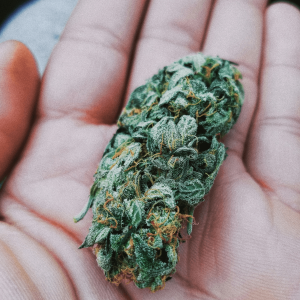
How to avoid the classic cannabis sleep problems
Problem: “It helps me sleep, but I’m groggy”
Fix it:
- reduce dose
- take it earlier
- switch from high-THC to balanced THC:CBD
- choose products with clearer labeling and smaller dose units
Problem: “It makes me anxious”
Fix it:
- lower THC dose
- add CBD (balanced product or separate CBD)
- avoid terpene profiles that feel stimulating to you
- use a calmer route like tincture instead of a big edible hit
Problem: “It worked for a week, now it doesn’t”
Fix it:
- tolerance break (even 48 to 72 hours can help)
- lower your dose and rebuild slowly
- avoid escalating nightly
Problem: “I wake up at 3 a.m.”
Fix it:
- switch to edibles or capsules
- take your edible earlier (60 to 90 minutes pre-bed)
- check alcohol and late caffeine, because those are frequent culprits
Problem: “My dreams are weird” (or gone)
Fix it:
- lower THC
- add CBD
- consider non-nightly use if REM disruption is bothering you
Safety, interactions, and who should be careful
Be smart. Sleep is important, and so is not accidentally creating a new problem.
Don’t mix heavily with alcohol
Alcohol plus THC can intensify impairment and worsen sleep quality overall. You might pass out faster, sure, but that’s not the same as good sleep.
Medication interactions to watch
Cannabinoids can interact with medications metabolized by liver enzymes (commonly CYP pathways). This can matter with:
- sedatives
- antidepressants
- anti-anxiety meds
- blood thinners
- seizure meds
- and more
If you’re on prescription meds and want nightly cannabis for sleep, ask a clinician or pharmacist. This is not being dramatic. This is being functional.
Avoid driving or risky activities
Especially with edibles. Edibles last longer than you think, and impairment can sneak into the morning.
If you have sleep apnea
Sedating substances can worsen breathing-related sleep issues in some people. Get medical guidance.
Build a sleep stack that actually works (cannabis + habits)
Cannabis can help. But if your sleep hygiene is a disaster, you’re asking cannabis to do the job of a whole lifestyle. That’s rude.
Do these basics and your results will improve:
- Keep a consistent sleep schedule (yes, weekends too, within reason)
- Cut caffeine after late morning or early afternoon
- Lower lights 60 minutes before bed
- Keep your room cool and dark
- Get morning daylight exposure
- Don’t eat a huge meal right before taking edibles (it changes timing and intensity)
Then add cannabis as the support act, not the entire show.
FAQ: Cannabis for Sleep (Strains, Products, Dosing)
1) What is the best cannabis for sleep?
For many people, indica-leaning strains and products high in calming terpenes like myrcene (the famous “couch lock” terpene) work best. Popular sleep strains include Granddaddy Purple, Northern Lights, Tahoe OG, and Bubba Kush. Product-wise, edibles are often best for staying asleep.
2) Does THC help you fall asleep faster?
Often, yes. THC tends to decrease sleep latency, meaning it can help you fall asleep faster, especially in low-to-moderate doses.
3) Does CBD make you sleepy or awake?
CBD can go either way depending on dose and the person. For sleep, it often helps by reducing anxiety, stress, and discomfort. Many users find CBD supports sleep quality and can balance THC.
4) What is CBN and does it really help with sleep?
CBN is a cannabinoid commonly used in nighttime products. Research is still emerging, but many people report that CBN-containing products feel more sedating, especially when combined with THC and CBD.
5) Are edibles or flower better for insomnia?
- Edibles are usually better for staying asleep because they last longer through the night.
- Flower/vape is usually better for falling asleep quickly because it works fast.
6) When should I take an edible for sleep?
Take edibles 60 to 90 minutes before bed. If you eat a heavy meal, you may need more time.
7) What dose of THC should I start with for sleep?
Start low: 1 to 2.5 mg THC in an edible. Increase slowly on separate nights if needed. The goal is the lowest effective dose.
8) Can cannabis worsen sleep?
Yes. Too much THC can cause anxiety, next-day grogginess, or fragmented sleep. Regular high-THC use can also change sleep architecture and lead to tolerance.
9) Will cannabis stop my dreams?
THC is often associated with reduced REM sleep, which can reduce dreaming for some people. If you stop heavy THC use, REM rebound can cause vivid dreams temporarily.
10) What terpenes should I look for in sleep products?
Prioritize myrcene (couch lock), linalool (calming), and beta-caryophyllene (body relaxation). Be cautious with uplifting terpene profiles if you’re trying to sleep.
11) Can I take cannabis every night for insomnia?
Some people do, but nightly use can build tolerance and may affect REM over time, especially with high-THC products. Consider using the lowest effective dose, taking occasional breaks, and using balanced formulations (THC + CBD or THC + CBN).
12) What HyperWolf products are best for sleep?
Look for HyperWolf products labeled for nighttime use, especially those featuring CBN and clearly measured THC doses. Choose edibles for staying asleep and inhalables/tinctures for falling asleep faster, then dial in timing and dose based on your insomnia pattern.
Wrap-up: use cannabis like a sleep tool, not a sleep lottery
Cannabis for sleep works best when you stop guessing and start controlling the variables: cannabinoids, terpenes, product type, timing, and dose. Use THC to reduce sleep latency, use CBD to smooth the edges and support sleep quality, and consider CBN if you want a sleep-forward formulation built for the long night.
Pick the right strain. Pick the right product. Take it at the right time. Start low. Stay consistent.
Then go to bed. Seriously. Go to bed.
Jenna Renz

Jenna is a California-based creative copywriter who’s been lucky enough to have worked with a diverse range of clients before settling into the cannabis industry to explore her two greatest passions: writing and weed.