Rewards


Cannabis for migraines can work, but only if you treat it like a tool, not a magic spell. Migraine is a neurological condition, not “just a bad headache,” and cannabis is not a one-size-fits-all cure. The goal is simple: reduce pain, nausea, light sensitivity, and the “please turn off the sun” vibe, without making your day worse.
This guide gives you a practical strain picker, dosing by method, terpene clues that actually matter, and a no-nonsense plan for both fast relief and prevention.
Can weed help migraines? (Featured Snippet Answer)
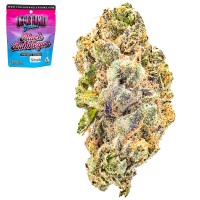

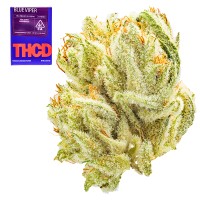
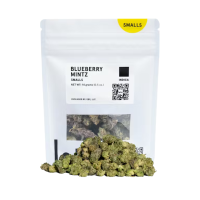
Yes, weed can help migraines for some people by reducing pain, nausea, inflammation, and stress, and by improving sleep. Fast-acting inhaled cannabis (vape or flower) may help during an attack, while oral products (edibles, capsules, tinctures) may help with sleep and next-day recovery. The best results usually come from low THC doses, CBD-forward options, and strains/products high in myrcene and beta-caryophyllene, but responses vary and THC can worsen migraines in some people.
Now let’s make it practical.
Migraine math: what cannabis can do (and what it can’t)
Cannabis may help migraines through a few overlapping mechanisms:
- Pain modulation: THC and CBD interact with the endocannabinoid system, which influences pain signaling.
- Anti-nausea: THC can reduce nausea for some people, which matters because migraine loves to bring its own stomach drama.
- Inflammation and tension: CBD and certain terpenes may help with inflammatory pathways and muscle tension.
- Sleep support: Better sleep can lower attack frequency for some people and improve recovery.
But cannabis is not a guaranteed win. It can also:
- Trigger headaches in some people, especially at higher THC doses
- Increase anxiety or heart rate (not exactly soothing during an attack)
- Cause grogginess, dry mouth, and “what was I doing again?” brain fog
- Lead to overuse patterns, which can backfire
Use it strategically. Use it sparingly. And yes, repeat it: start low, go slow.
The practical strain picker (relief vs prevention)
Forget strain names for a second. “Indica vs sativa” is the astrology of cannabis. It’s not useless, but it’s not enough. For migraines, what tends to matter more is:
- THC level (especially dose per session)
- CBD presence
- Terpenes (more on that soon)
- Your timing (onset vs prevention vs sleep)
Here’s the simplest way to choose.
1) CBD-dominant (best starting point for prevention and sensitive users)
If you’re prone to anxiety, dizziness, or THC “regret,” start here.
Best for:
- Lowering baseline stress and tension
- Light migraine days, postdrome (the hangover phase), and prevention routines
- People who get worse with THC
Typical feel:
- Clearer, calmer, less intoxication
What to look for:
- CBD:THC ratios like 20:1, 10:1, 4:1, 2:1
- Low THC per dose
Try: a CBD-forward vape, tincture, or capsule, and keep THC minimal.
2) Balanced CBD:THC (best “sweet spot” for many migraine users)
This is the category that often helps without launching you into orbit.
Best for:
- Acute relief with less risk of anxiety
- Tension headaches that blend into migraine
- Daytime use when you still need to function
Typical feel:
- Noticeable relief, more body comfort, less “spinning thoughts”
What to look for:
- 1:1 or 2:1 CBD:THC
- Terpenes like myrcene and beta-caryophyllene
Additional Considerations
While the above suggestions are tailored towards managing migraines, it’s worth noting that cannabis can also be beneficial in other areas such as workout recovery. This versatility can be attributed to its varied effects on the body which can aid in different recovery processes.
3) THC-dominant hybrids (best for fast relief when you know your limits)
Some people need THC for pain and nausea control. The key word is “some.” Also, the key rule is “small dose.”
Best for:
- Moderate-to-severe attacks where CBD alone isn’t cutting it
- Nausea and appetite issues during migraine
- Short-term rescue use, not an all-day habit
Typical feel:
- Stronger analgesia potential, more psychoactivity risk
What to look for:
- Mid-range THC flower or a controllable vape
- Avoid “ultra-high THC” as your default
4) Indica-leaning or “night” strains (best for sleep, overnight attacks, and recovery)
If your migraine is accompanied by insomnia, or you get attacks that wake you up at 2 a.m. like a villain in a horror movie, sleep-focused cannabis can help. The goal is restful sleep, not a knockout punch that leaves you foggy until Tuesday.
Best for:
- Overnight relief
- Sleep maintenance
- Post-migraine recovery
Typical feel:
- Sedation, body relaxation
What to look for:
- Products with myrcene and caryophyllene, which are among the four best terpenes for pain reduction
- Edibles or tinctures for duration (with careful dosing)
Terpene spotlight: what to look for (and why it matters)
Terpenes don’t replace cannabinoids, but they can influence the experience. For migraines, two show up often in anecdotal reports and product formulations aimed at relaxation and pain.
Myrcene: the “relax your entire existence” terpene
Why it’s relevant:
Myrcene is often associated with sedation and muscle relaxation. For migraine sufferers, that can mean less tension, less agitation, and a smoother slide into sleep.
Best use cases:
- Evening migraines
- Sleep support
- When neck and shoulder tension is part of the pattern
Where it commonly appears:
Indica-leaning cultivars and “night” profiles.
Pro tip: If myrcene-heavy products make you too sleepy, save them for bedtime. Don’t fight it. That’s like arguing with gravity.
Beta-caryophyllene: the “spicy comfort” terpene
Why it’s relevant:
Beta-caryophyllene is unique because it also interacts with CB2 receptors, which are tied to inflammation and immune signaling. Many users describe it as grounding, body-comforting, and less mentally racy.
Best use cases:
- Pain plus stress
- Daytime relief when you want calm, not chaos
Where it commonly appears:
Peppery, earthy profiles.
Pro tip: If THC tends to make you anxious, caryophyllene-rich products paired with lower THC can be a smarter move.

Dosing for migraines by method (this is where people mess up)
The biggest mistake is dosing like you’re trying to win a contest. You are not. The prize is “less pain,” not “new personality.”
Method 1: Vaping or smoking (fast relief, shorter duration)
Best for:
- Acute migraine onset
- “I need relief in 5 minutes” situations
- Nausea where swallowing anything sounds awful
Onset: 1 to 10 minutes
Duration: 2 to 4 hours (sometimes longer)
How to dose (practical steps):
- Take one small puff.
- Wait 10 minutes. Yes, wait. Sit with it.
- If needed, take one more small puff.
- Stop as soon as symptoms drop meaningfully, even if they’re not gone.
Target dose:
There’s no universal “mg” with inhalation, so use puffs as your unit. For many migraine users, 1 to 3 small puffs is the difference between help and regret.
Who should be careful:
- People with anxiety, panic history, or fast heart rate issues
- Anyone who gets dizzy during migraine
Product direction:
If you have access, choose CBD-forward or balanced carts for daytime. Save THC-heavy for rescue, not routine.
Method 2: Tinctures (steady, controllable, good middle ground)
Best for:
- People who want longer relief without the “edible surprise”
- Evening wind-down and overnight support
- Prevention routines
Onset: 15 to 45 minutes (sublingual), longer if swallowed
Duration: 4 to 8 hours
How to dose:
- Start with 2.5 mg THC (or less) if you’re new or sensitive.
- Better yet, start with CBD-dominant tincture and add small THC only if needed.
- Wait 60 to 90 minutes before adding more.
Target dose range (common):
- CBD: 10 to 50 mg depending on tolerance and product
- THC: 1 to 5 mg for many people, sometimes up to 10 mg for experienced users
Method 3: Edibles (long-lasting, best for sleep, easiest to overdo)
Edibles are the marathon. Vapes are the sprint. Do not confuse them unless you enjoy being awake at 3 a.m. wondering if your pillow is judging you.
Best for:
- Overnight migraines
- Sleep maintenance
- Post-attack recovery day when you can rest
Onset: 45 minutes to 2 hours
Duration: 6 to 10+ hours
How to dose (do this, not vibes):
- Start with 1 to 2.5 mg THC if you’re new or migraine-sensitive.
- If you already tolerate THC, 2.5 to 5 mg may be enough.
- Wait a full 2 hours before taking more.
Smart edible strategy for migraines:
- Prefer CBD-forward or 1:1 gummies for less anxiety and less next-day fog.
- Consider adding CBD alongside a tiny THC dose for smoother effects.
Method 4: Capsules (boring, reliable, great for routines)
Best for:
- Consistent dosing for prevention
- People who hate the taste of tinctures
- Nighttime support
Onset: 45 minutes to 2 hours
Duration: 6 to 10 hours
How to dose:
- Same as edibles, but often more consistent.
- Start low, increase slowly over several days.
What actually works: 3 migraine-use playbooks
You need a plan you can repeat, not a different experiment every time your head starts throbbing.
Playbook A: “Early warning” plan (prodrome or first signs)
When you feel the first signals, mood shift, neck tightness, light sensitivity, yawning, or that weird sense that the day is about to turn on you.
- Use CBD-dominant or balanced cannabis first.
- Choose vape (1 small puff, wait 10 minutes).
- If needed, do a second puff.
- Hydrate and eat something small if you can.
- Reduce light and noise immediately. Don’t negotiate with the migraine.
Goal: stop escalation, stay functional.
Playbook B: “Full attack” rescue plan (pain + nausea + can’t think)
- Use inhalation for speed if you tolerate it.
- Consider a balanced product to reduce THC side effects.
- Dose in tiny steps: 1 puff, wait 10 minutes, repeat once or twice.
- If you need longer coverage, add a low-dose tincture or edible once the nausea eases.
Goal: reduce pain and nausea enough to rest.
Playbook C: “Night migraine” plan (sleep or suffer)
- Use a low-dose edible or capsule: 1 to 2.5 mg THC (or 2.5 to 5 mg if experienced).
- Add CBD if you have it.
- Pick a profile that leans myrcene/caryophyllene.
- Don’t keep stacking doses every 30 minutes. That’s how you get the edible sequel.
Goal: sleep and wake up less wrecked.

Migraine triggers and cannabis: what to avoid
Cannabis can help, but the wrong setup can make migraines worse. Avoid these common faceplants:
High-THC “one hit hero” dosing
If your migraine comes with anxiety or dizziness, high THC can amplify it. Keep THC low, especially early.
Sativa-leaning, racy profiles when you’re already sensitized
Some people do fine with uplifting strains. Many migraine sufferers do not. If your brain is already overloaded, don’t add fireworks.
Overuse and rebound patterns
If you rely on cannabis daily at higher THC doses, you may increase headache frequency or create dependency patterns. Keep it intentional.
Mixing with alcohol
Alcohol is a common migraine trigger. Combining alcohol and cannabis also increases dizziness and dehydration. Hard pass.
Safety notes you should not skip
- Talk to a clinician if you have frequent migraines, are pregnant or breastfeeding, or take medications that affect the central nervous system.
- If you use triptans, anti-nausea meds, antidepressants, or blood pressure meds, ask about interactions and sedation risks.
- Do not drive after THC. Migraine brain is already impaired. Don’t add THC impairment on top and pretend you’re fine.
- If you’re prone to panic, start with CBD-dominant products and very low THC.
Quick strain-shopping checklist (use this in the dispensary)
When you’re staring at a wall of names like “Galactic Mango Punch,” do this instead:
- Decide the goal: fast relief, prevention, or sleep.
- Choose the ratio: CBD-dominant or balanced first, THC-dominant only if you know it helps you.
- Check terpenes: look for myrcene and beta-caryophyllene if available.
- Pick the method: vape for speed, edible/capsule for duration, tincture for control.
- Commit to low dosing: one puff, or 1 to 2.5 mg edible, then wait.
The bottom line
Cannabis for migraines can help, but it works best when you stay disciplined: low THC, smart ratios, terpene-aware picks, and dosing that respects time. Use inhalation for fast relief. Use edibles for overnight coverage. Use CBD-forward products when you want fewer side effects and more consistency.
Be boring. Be consistent. Be the person who wins by taking one puff and stopping, not the person who takes five and spends the next two hours negotiating with reality.
FAQs (Frequently Asked Questions)
1. Can cannabis help relieve migraine symptoms?
Yes, cannabis can help migraines for some people by reducing pain, nausea, inflammation, and stress, as well as improving sleep. Fast-acting inhaled cannabis (vape or flower) may provide relief during an attack, while oral products like edibles, capsules, and tinctures can aid with sleep and next-day recovery. However, individual responses vary and it’s important to use low THC doses and CBD-forward options for best results.
2. What are the main ways cannabis works to alleviate migraines?
Cannabis may help migraines through several mechanisms: pain modulation via interaction with the endocannabinoid system; anti-nausea effects mainly from THC; reduction of inflammation and muscle tension through CBD and certain terpenes; and support for better sleep which can lower attack frequency and improve recovery. Nevertheless, cannabis is not a guaranteed cure and must be used strategically.
3. How should I choose the right cannabis strain for migraine relief or prevention?
Rather than focusing on ‘indica vs sativa,’ prioritize factors like THC level (especially dose per session), CBD presence, terpene profile (notably myrcene and beta-caryophyllene), and timing of use (onset relief vs prevention vs sleep). Starting with CBD-dominant strains is best for sensitive users or prevention, balanced CBD:THC ratios suit many users for acute relief without strong psychoactivity, while THC-dominant hybrids may be reserved for moderate-to-severe attacks with caution.
4. What are the recommended CBD:THC ratios for managing migraines?
For migraine management, common effective CBD:THC ratios include 20:1, 10:1, 4:1, or 2:1 for CBD-dominant options ideal for prevention and sensitive users. Balanced ratios like 1:1 or 2:1 CBD:THC often provide a ‘sweet spot’ offering noticeable relief with less risk of anxiety. Higher THC doses should be used sparingly due to potential side effects.
5. Are there any risks or side effects of using cannabis for migraines?
Yes. Cannabis can trigger headaches in some individuals especially at higher THC doses. It may also increase anxiety or heart rate during an attack, cause grogginess, dry mouth, brain fog, or lead to overuse patterns that worsen symptoms. Always start low and go slow when dosing to minimize risks.
6. Can cannabis also aid in other forms of recovery besides migraine relief?
Absolutely. Cannabis’s varied effects on the body make it beneficial in other areas such as workout recovery by helping reduce inflammation, pain, and muscle tension. This versatility supports different recovery processes beyond just migraine management.
Jenna Renz

Jenna is a California-based creative copywriter who’s been lucky enough to have worked with a diverse range of clients before settling into the cannabis industry to explore her two greatest passions: writing and weed.