Rewards


Cannabis for chronic pain relief is no longer a fringe idea, it is a real-world tool many people use when pills disappoint, side effects pile up, or sleep becomes a nightly cage match.
But here’s the catch. “Cannabis” is not one thing. It is a whole menu. And if you order blindly, you will get the wrong dish at the worst time. The goal is simple: reduce pain, keep your brain online, and make daily life easier, especially if you are mobility-limited and cannot afford complicated routines.
This guide is built to do three things:
- Match cannabis options to your type of pain (neuropathic, inflammatory, chronic back pain, arthritis).
- Make strain types and terpene profiles actually useful (not trivia night material).
- Prioritize delivery convenience, dosing control, and realistic product pairings you can use from your couch.
And yes, we will still say the responsible things: consult a clinician, go slow, and do not drive while impaired. You know, the fun stuff.
First, Know What Kind of Pain You Have (Because Pain Is Not One Thing)


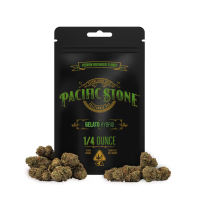
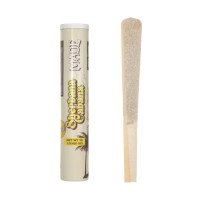
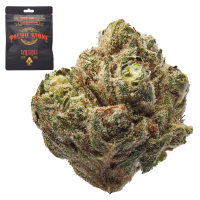
Pain is not a single problem with a single solution. Treat the category, not just the vibe.
Neuropathic pain (nerve pain)
Common examples: diabetic neuropathy, sciatica-type nerve pain, post-surgical nerve pain, tingling/burning/electric sensations.
What often helps:
- THC-containing products (often more effective than CBD alone for nerve pain).
- Balanced THC:CBD products for symptom control with fewer “too high” moments.
- Terpenes linked to calming and modulation (more on that below).
What often disappoints:
- Low-dose CBD alone, especially for severe nerve pain.
- “Super energizing” products if your nervous system is already on fire.
Inflammatory pain
Common examples: autoimmune flares, tendonitis, inflammatory back pain, generalized achiness.
What often helps:
- Products high in the terpene beta-caryophyllene (peppery, spicy).
- CBD-forward or balanced ratios, especially in daytime.
- Topicals for localized inflammation, plus a low systemic dose if needed.
Chronic back pain
This is usually mixed pain: muscle tension, inflammation, sometimes nerve irritation, and stress-driven guarding (your body bracing like it’s expecting a punch).
What often helps:
- A layered approach: fast-onset for spikes, longer-lasting for baseline, topical for targeted areas.
- Nighttime indica-leaning options when sleep is wrecked.
- Daytime sativa-hybrids if you need function, not a nap.
Arthritis pain (osteoarthritis, rheumatoid arthritis)
Arthritis is often inflammation plus stiffness plus “why does my hand hate me” pain.
What often helps:
- Topicals (especially convenient if you want relief without head effects).
- Balanced THC:CBD tinctures or low-dose edibles for longer coverage.
- Terpenes like caryophyllene and linalool.
How Cannabis May Help Chronic Pain (And What It Usually Doesn’t Do)
Cannabis can help pain through multiple pathways, including:
- Reducing pain signaling in the nervous system.
- Relaxing muscle tension and spasms.
- Improving sleep, which reduces pain sensitivity (sleep is basically pain’s kryptonite).
- Lowering stress and anxiety that amplify pain perception.
What it usually does not do:
- “Fix” the underlying structural issue. It is pain management, not a time machine.
- Work instantly in every format. Some forms are fast, some are slow, some are sneaky.
Your job is to pick a method that matches your pain pattern and your daily needs.
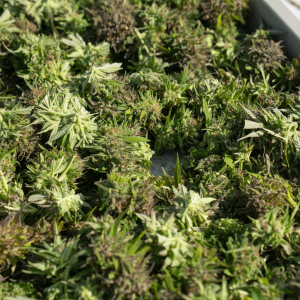
Strain Types That Actually Matter: Indica, Sativa, Hybrids (Use This the Right Way)
Let’s be blunt: the indica/sativa labels are imperfect. Real effects come from cannabinoid content (THC/CBD and friends) and terpene profile. But the labels can still help as a practical shortcut when shopping.
Indica for nighttime relief and sleep
Use indica-leaning options when you need:
- Help falling asleep or staying asleep
- Muscle relaxation
- A “turn down the volume” effect for widespread discomfort
- Relief when pain is making you irritable, restless, or wired
Best for:
- Nighttime neuropathic pain flare-ups
- Arthritis stiffness plus sleep disruption
- Chronic back pain with muscle tension
- Fibromyalgia-like widespread pain patterns
Watch-outs:
- Daytime sedation
- Next-morning grogginess (especially with edibles)
Sativa-hybrids for daytime functionality
Use sativa-leaning hybrids when you want:
- Pain relief while staying mentally present
- Mood lift without couch-lock
- A functional day where you can do basic tasks without feeling like a sleepy asteroid
Best for:
- Daytime inflammatory pain that needs a gentle edge-off
- Chronic back pain when you still need to move
- Low-to-moderate arthritis pain during errands, work, or caregiving
Watch-outs:
- Too much THC can trigger anxiety, racing thoughts, and “why is my heart auditioning for a drumline”
- Choose balanced ratios or modest THC if you are sensitive
Hybrids for “real life”
Most modern products are hybrids anyway. That is good. Real life is hybrid. Your pain is hybrid. Your schedule is hybrid.
Use hybrids to fine-tune:
- Daytime relief without over-stimulation
- Evening relaxation without complete shutdown
- Targeted symptom relief based on terpenes and dosing
Terpenes: The Secret Sauce Your Label Might Actually Reveal
Terpenes are aromatic compounds in cannabis (and many plants) that can influence the experience. Do not treat them like magic spells. Treat them like a useful clue.
If you are shopping and see terpene info, focus on these three, because they match chronic pain needs well and are common enough to find.
Myrcene: muscle relaxation and “settle down” energy
Often described as earthy, musky, herbal.
Why pain patients care:
- May support muscle relaxation and sedation-like calm
- Often found in indica-leaning products marketed for sleep
Best use:
- Nighttime back pain with muscle tightness
- End-of-day arthritis stiffness
- “I need to relax enough to sleep” situations
Watch-out:
- Too much can feel heavy or overly sedating
Beta-caryophyllene: anti-inflammation support
Peppery, spicy, sometimes woody.
Why pain patients care:
- Commonly associated with anti-inflammatory effects
- Often a good match for inflammatory pain patterns
Best use:
- Arthritis
- Inflammatory back pain
- Tendon and joint irritation
Watch-out:
- None unique, but do not expect it to replace your full treatment plan
Linalool: calming and stress reduction
Floral, lavender-like.
Why pain patients care:
- Calming effects can reduce pain amplification from stress
- Helpful when pain and anxiety are feeding each other
Best use:
- Nighttime pain with insomnia
- Neuropathic pain that comes with agitation
- “My brain won’t stop monitoring my pain” situations
Watch-out:
- Can add to sedation, especially when paired with myrcene
Product Formats for Chronic Pain: Pick the Tool That Matches the Job
Here’s where we differentiate from the typical “strain list” articles. Because if you are mobility-limited or pain-fatigued, convenience is not a nice bonus. It is the whole game.
Flower (smoked or vaporized): fast relief, shorter duration
Why people use it:
- Effects can start within minutes
- Easier to titrate in tiny steps (“one puff, wait, assess”)
Best for:
- Breakthrough pain
- Sudden nerve pain spikes
- Nighttime “I cannot fall asleep” moments
Downsides:
- Shorter duration than edibles
- Smoking is harsh on lungs; vaporizing is generally gentler but still not ideal for everyone
- Prep can be annoying if your hands hurt or you have limited dexterity
Mobility-limited convenience tip:
- Consider pre-rolls or dry herb vape pods if available, so you do not have to grind, pack, and fuss.
Topicals: localized relief without head effects
Topicals include creams, balms, roll-ons, and patches (where legal/available).
Why pain patients love them:
- Target a localized area (hands, knees, shoulders, low back)
- Minimal systemic effects, usually no impairment
- Easy to use even if you are medication-sensitive
Best for:
- Arthritis in hands and knees
- Localized inflammatory pain
- Muscle soreness around a chronic back injury
Downsides:
- Might not help deep nerve pain as much
- Some products are weak; look for clear mg content and reputable brands
Mobility-limited convenience tip:
- Choose roll-ons or pump bottles. Jars and tight lids are a cruel joke if your hands hurt.
Incorporating certain compounds like linalool, known for its calming properties, into these product formats could further enhance their effectiveness for chronic pain management.

Edibles: longer duration, slower onset
Edibles are great for long coverage, but they demand patience and respect.
Onset and duration (typical):
- Onset: 30 to 120 minutes (sometimes longer)
- Duration: 4 to 8 hours (sometimes longer)
Best for:
- Persistent arthritis pain
- Nighttime pain that wakes you up
- Baseline coverage when you cannot dose frequently
Downsides:
- Easy to overdo because onset is slow
- Effects can be stronger and longer than expected
- Dosing mistakes become a multi-hour event
Mobility-limited convenience tip:
- Keep a consistent product you tolerate. Switching edible brands constantly is like changing prescriptions for fun. Do not.
Tinctures and oils: flexible dosing, good for routines
Tinctures (often sublingual) can be a sweet spot: more controllable than edibles, longer than inhaled.
Best for:
- Daily baseline pain control
- People who want repeatable dosing
- Pairing with topicals for arthritis and back pain
Downsides:
- Taste can be unpleasant
- Onset still slower than inhaled formats
Mobility-limited convenience tip:
- Ask for metered droppers or measured sprays if available. Precision matters when your goal is function, not surprise.
Dosing Guidance: Start Low, Go Slow, Stay Functional
This is the part where people either win or accidentally become one with the couch for six hours.
Step 1: Decide your goal for that session
Pick one:
- “I need to sleep.”
- “I need to function.”
- “I need to calm nerve pain without panicking.”
- “I need all-day coverage.”
Your goal determines your format and your dose.
Step 2: Use microdosing for daytime
If you want functionality, aim for the lowest effective dose.
For many people, that means starting with:
- THC 1 to 2.5 mg (edible or tincture) for daytime testing
- or
- 1 inhalation, then wait 10 to 15 minutes before deciding anything
If you are THC-sensitive, start even lower. Tiny is mighty. Tiny is safe. Tiny is how you avoid texting your ex about “the meaning of pain” at 2 p.m.
Step 3: Increase gradually, not heroically
Increase only if needed, and only after waiting long enough:
- Inhaled: wait at least 15 minutes
- Tincture: wait 60 to 90 minutes
- Edibles: wait at least 2 hours
Repeat this like a mantra: Do not stack doses early. Do not stack doses early.
Step 4: Consider THC:CBD ratios
Ratios can help you steer effects.
Common starting points:
- 20:1 CBD:THC or 10:1 CBD:THC for cautious daytime relief
- 1:1 CBD:THC for balanced relief, often helpful for neuropathic and inflammatory pain
- THC-dominant for severe pain or sleep, but more impairment risk
CBD can reduce some THC side effects for some people, but not always. Your body is not a lab report. Test carefully.
Step 5: Build a “minimum effective routine”
Chronic pain management is not about getting blasted. It is about repeatable relief.
Aim for:
- The same product
- The same dose range
- The same timing
- The same notes
Yes, take notes. Be boring. Boring is effective.
Product Pairing Recommendations (Convenient, Repeatable, and Pain-Type Specific)
Pairing is how you cover different layers of pain without overdoing any single product.
Pairing for arthritis (hands, knees, hips)
Base: topical (CBD or THC:CBD) applied 2 to 4 times daily
Add-on: low-dose tincture (CBD-forward or 1:1) morning and late afternoon
Night: indica-leaning edible or tincture if sleep is affected
Convenience tips:
- Roll-on topical for hands and knees
- Pre-measured gummies for dosing consistency
Pairing for neuropathic pain
Base: balanced tincture (1:1) for steady coverage
Breakthrough: fast-onset flower or vape (one or two small inhalations)
Night: indica-leaning option with calming terpenes (myrcene, linalool)
Convenience tips:
- Keep your breakthrough option in one accessible place
- Use a simple dosing rule: “one puff, wait, reassess”
Pairing for chronic back pain
Base: tincture for baseline + topical for the focal area
Breakthrough: inhaled option for spikes
Night: heavier indica-leaning product if muscle tension ruins sleep
Convenience tips:
- Pump bottle topical you can apply without wrestling a lid
- Heating pad plus topical is a classic duo for a reason
Pairing for inflammatory pain (general or localized)
Base: CBD-forward tincture or edible
Local: topical, especially after activity
Optional: small THC add-on if pain is not controlled
Convenience tips:
- Use scheduled dosing during flare days instead of chasing pain after it peaks
Day vs Night Playbook (Because Timing Matters More Than You Think)
Daytime: stay functional
Do this:
- Choose sativa-hybrids or balanced products
- Prioritize low-dose THC or CBD-forward ratios
- Use topicals for localized pain without impairment
- Keep inhaled products as rescue, not your entire plan
Avoid this:
- High-dose edibles at 10 a.m. unless your schedule is “be a pillow”
Nighttime: prioritize sleep and muscle relaxation
Do this:
- Choose indica-leaning products
- Look for myrcene and linalool on labels if available
- Use longer-duration formats (edibles or tinctures) if pain wakes you up
Avoid this:
- Taking a second edible because “it’s not working yet” at the 45-minute mark
Mobility-Limited Convenience: Make This Easy or You Won’t Do It
Pain management fails when the routine is annoying. If your hands hurt, your back hurts, and you are fatigued, you will not grind flower and measure droplets like a Victorian pharmacist.
Use this convenience-first checklist:
- Choose pre-rolls if flower helps and dexterity is limited.
- Choose roll-on or pump topicals for arthritis hands.
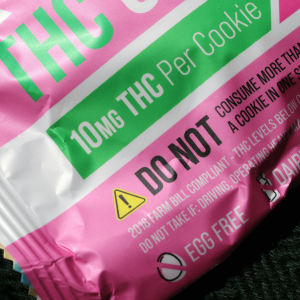
- Choose consistent-dose edibles (clearly labeled mg per piece).
- Choose tinctures with marked droppers or measured sprays.
- Store everything in one spot near where you rest (bedside or favorite chair).
- Set phone reminders for baseline dosing during flare periods.
- Buy fewer products, not more. Simple wins.
Safety, Side Effects, and Interactions (Read This Like You Mean It)
Cannabis can be helpful. It can also be a menace if you treat it casually.
Common side effects
- Dry mouth, dry eyes
- Dizziness or low blood pressure on standing
- Increased heart rate
- Anxiety or paranoia (usually from too much THC)
- Impaired coordination and reaction time
- Next-day grogginess, especially with edibles
Situations where you should be extra cautious
- History of panic attacks or severe anxiety
- Personal or family history of psychosis
- Pregnancy or breastfeeding
- Older adults at fall risk
- Significant heart disease (especially if THC raises heart rate)
- If you operate machinery or drive (do not)
Medication interactions (important)
Cannabinoids can interact with medications, including those metabolized by liver enzymes (commonly CYP pathways). This is especially relevant if you take:
- Blood thinners (example: warfarin)
- Sedatives or sleep meds
- Some antidepressants
- Anti-seizure medications
Do not guess. Ask a clinician or pharmacist who understands cannabis, or a specialized medical cannabis provider if available in your region.
Medical consultation reminders (the non-negotiables)
- If your pain is new, worsening, or unexplained, get evaluated.
- If you are using cannabis daily, review it with a clinician periodically.
- If you feel dependent or your use keeps escalating, ask for support early.
Additionally, it’s important to note that excessive use of cannabis can lead to cannabinoid hyperemesis syndrome, a condition characterized by recurrent nausea and vomiting.
How to Talk to a Clinician Without Getting a Lecture (Or Giving One)
Be direct. Bring specifics. Doctors love specifics.
Say:
- “My pain is mostly neuropathic and worse at night.”
- “I am looking for improved sleep and reduced breakthrough pain.”
- “I want a plan that avoids daytime impairment.”
- “These are my current meds. Are there interactions I should worry about?”
- “What signs would mean I should stop or reassess?”
Do not say:
- “I heard indica is for pain, so I’ll take whatever’s strongest.”
- That is how you end up on an accidental spiritual retreat.
Choosing Products at a Dispensary: A Simple Script That Works
When you are face-to-face with a budtender and your brain is foggy from pain, use this script:
- Name your pain type: “Arthritis in hands and knees” or “neuropathic pain in feet.”
- Name your time-of-day goal: “Daytime function” or “sleep.”
- Name your THC tolerance: “Low tolerance” or “I do fine with moderate THC.”
- Ask for terpene guidance: “Anything with caryophyllene for inflammation?” or “Something with myrcene/linalool for sleep?”
- Ask for easy formats: “Roll-on topical,” “pre-rolls,” “consistent-dose gummies,” “marked-dropper tincture.”
Repeat after me: simple, specific, repeatable.
FAQ: Cannabis for Chronic Pain Relief
Is cannabis actually effective for chronic pain?
Some people experience meaningful relief, especially for neuropathic and inflammatory pain, and for sleep disruption linked to pain. Results vary widely by person, product, dose, and pain type. Treat it like a trial, not a guarantee.
What is better for chronic pain: CBD or THC?
It depends on the pain type and severity. THC (often with CBD) tends to be more effective for neuropathic pain and severe pain, but it comes with impairment risk. CBD can help some inflammatory pain and anxiety-related pain amplification and is often easier to use during the day.
What is the best product format for all-day pain control?
Edibles and tinctures usually provide longer coverage than inhaled formats. Many people use a tincture for baseline control and keep an inhaled option for breakthrough pain.
What should I use if I have arthritis in my hands?
Start with a topical for localized relief because it is convenient and usually non-impairing. If pain is more widespread or persistent, consider adding a low-dose tincture or edible, ideally CBD-forward or balanced.
What should I use for nerve pain (neuropathy)?
Many people do best with a balanced THC:CBD tincture for baseline relief, plus a fast-onset option for breakthrough flare-ups. Start low and increase gradually to avoid anxiety or excessive impairment.
Indica or sativa for chronic pain?
Indica-leaning products are often better for nighttime pain and sleep. Sativa-hybrids are often better for daytime functionality. The label is not perfect, so use terpene and cannabinoid content to refine your choice.
What terpenes should I look for for pain relief?
Common pain-relevant terpenes include myrcene (muscle relaxation, nighttime), beta-caryophyllene (inflammation support), and linalool (calming, sleep support). Labels vary by market and brand, so terpene info may not always be available.
How much THC should a beginner take for chronic pain?
Many beginners start with 1 to 2.5 mg THC (especially for daytime) and increase slowly only if needed. With inhaled products, start with one small puff and wait before taking more.
How long do edibles take to work?
Typically 30 to 120 minutes, sometimes longer. Wait at least 2 hours before taking more to avoid overconsumption.
Can I use cannabis with my current pain medications?
Maybe, but you should check for interactions, especially if you take blood thinners, sedatives, some antidepressants, or anti-seizure meds. Discuss with a clinician or pharmacist.
Will cannabis make me too sleepy to function?
It can, especially high-THC products, myrcene-heavy profiles, and edibles. Use low doses for daytime, consider CBD-forward ratios, and reserve stronger products for nighttime.
Can I drive after using cannabis for pain?
Do not drive while impaired. Cannabis can slow reaction time and impair coordination, even if you “feel fine.” Use it when you are done with driving for the day.
What if cannabis makes my anxiety worse?
That is often a dose issue (too much THC) or a product mismatch. Lower the THC dose, consider adding CBD, choose calming terpene profiles like linalool, and avoid stimulating sativa-leaning products until you find a stable baseline.
If you want to use cannabis for chronic pain relief effectively, do the boring things. Match the product to the pain type. Pick a format you can actually use. Start low. Go slow. Repeat what works. Ignore hype.
Jenna Renz

Jenna is a California-based creative copywriter who’s been lucky enough to have worked with a diverse range of clients before settling into the cannabis industry to explore her two greatest passions: writing and weed.