Rewards


Cannabis and working out is no longer a whispered “don’t tell my trainer” habit. It’s a real, growing crossover, with recent 2025-era survey data suggesting roughly 37% of cannabis users consume around workouts in some way. Some do it for focus. Some for fun. A lot do it for the holy grail: faster recovery and less soreness.
But can weed actually help you recover faster, or is that just the post-leg-day fairy tale you tell yourself while you limp to the shower?
Let’s get clear, get practical, and keep it honest.
The big question: does cannabis improve recovery?


Recovery isn’t one thing. It’s a bundle of things:
- Less pain and soreness (DOMS, joint irritation, “why are stairs attacking me?”)
- Lower inflammation (short-term and long-term)
- Better sleep (the king of recovery, crowned and undefeated)
- Reduced stress (high stress, worse recovery, more cravings for junk)
- Better appetite and hydration habits (fuel matters)
Cannabis may support some of these, mainly through:
- THC (psychoactive, pain perception, relaxation, appetite, sometimes sleep)
- CBD (non-intoxicating, inflammation signaling, soreness support, calming)
- Minor cannabinoids and terpenes (the “supporting cast” that can shape effects)
The catch: results depend heavily on dose, timing, product type, and your tolerance. Also, cannabis can help you feel better without necessarily making your muscle tissue rebuild faster. Pain relief is still valuable, but don’t confuse “I feel fine” with “I’m fully recovered.” That’s how people re-injure themselves and then blame the kettlebell.
Pre-workout vs post-workout: don’t treat them the same
If you only remember one thing, make it this: pre-workout cannabis and post-workout cannabis are different tools. Use them differently. Respect them differently.
Pre-workout cannabis: performance enhancer or performance trap?
Some people love a small pre-workout dose because it can:
- Increase enjoyment and “mind-muscle connection”
- Reduce pre-gym anxiety
- Make steady-state cardio feel less like a courtroom sentence
- Help with flow-based training (yoga, mobility, hiking)
But pre-workout THC can also:
- Increase heart rate (not ideal if you already run hot)
- Impair reaction time and coordination (bad for heavy lifting, sprinting, complex movements)
- Reduce motivation at higher doses (“Today is a rest day” becomes “Today is a couch career”)
- Mask pain signals you actually need to listen to
Rule: if your workout involves heavy loads, speed, impact, or technical skill, don’t get cute. Either skip THC or keep the dose very low.
Post-workout cannabis: where recovery use makes the most sense
Post-workout is where cannabis fits best for most people, because the goal shifts to:
- Downshifting your nervous system
- Reducing soreness perception
- Supporting relaxation and sleep
- Making stretching feel less like medieval punishment
Post-workout is also where you can lean more into CBD and topicals, which are popular for recovery because they don’t get you high and don’t mess with coordination. In fact, Harvard Health has a great resource that dives deeper into the benefits of CBD.
How cannabis could support workout recovery (mechanisms, minus the fluff)
1) Pain perception (the most obvious one)
THC can change how your brain processes discomfort. That can mean:
- Less soreness “volume”
- Easier movement the next day
- Better tolerance for recovery work like mobility and light cardio
That’s not nothing. If pain keeps you from moving, your recovery often gets worse.
Do this: use pain relief to enable smart recovery behaviors (walking, mobility, sleep), not to ignore injuries.
2) Sleep quality (the recovery multiplier)
Sleep is where the magic happens: growth hormone pulses, tissue repair, nervous system reset.
Cannabis can help some people fall asleep faster. But here’s the nuance:
- THC may reduce REM sleep in some users, especially at higher doses
- Frequent high-THC use can create dependency for sleep (“I can’t sleep without it”)
- CBD may support relaxation without the same intoxicating effects, but results vary
Do this: if sleep is your main recovery issue, start low, and consider CBD-heavy options first. Save stronger THC for occasional use, not nightly forever.
3) Stress reduction (cortisol and recovery don’t mix well)
High stress can worsen recovery and increase inflammation signaling. Many people find cannabis helps them:
- Relax after intense training
- Mentally detach from work stress
- Stop “doom-spiraling” at night
Just don’t turn it into avoidance. Recovery is also habits: protein, hydration, steps, sleep, and not scrolling until your retinas burn.
4) Inflammation and soreness support (where CBD gets the spotlight)
CBD is widely used for post-workout soreness and joint irritation. The science is still evolving, but many athletes use it because it:
- Doesn’t intoxicate
- Layers well with other recovery routines
- Can be used as oral products or topicals
Topicals are especially popular because they’re targeted and easy to use after a shower: apply, massage, done.
The real-world downsides (so you don’t sabotage your progress)
Cannabis can support recovery, but it can also quietly kneecap your fitness if you overdo it.
Appetite and cravings
Yes, the munchies are funny until you’re “recovering” with a family-size bag of something neon. Recovery nutrition matters. If cannabis makes you overeat ultra-processed food every night, your body comp goals may file a formal complaint.
Do this: pre-plan a recovery snack: Greek yogurt, protein shake, fruit, rice, lean protein. Be an adult. A cheeky adult, but still.
Motivation and consistency
Some people become consistent because cannabis makes training more enjoyable. Others get inconsistent because it becomes a replacement for training.
Repeat it: cannabis is a tool. Cannabis is a tool. Cannabis is a tool. Not your coach.
Overuse and tolerance
If you need more and more THC to feel the same effects, your recovery routine can drift into “habit” territory. Tolerance breaks can help, and so can rotating in CBD-forward products.
Safety (especially pre-workout)
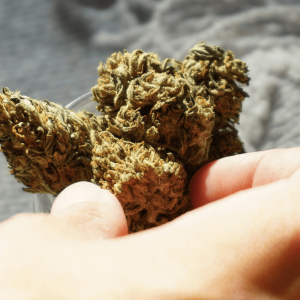
If you’re lifting heavy, doing HIIT, climbing, cycling on roads, or anything that demands quick reactions, being high is a liability. You don’t need to prove you can deadlift while stoned. Nobody’s impressed. Your spine is not a fan.
Pre-workout: what to use (and when to skip it)
If you insist on pre-workout cannabis, keep it controlled.
Best use cases for pre-workout cannabis
- Yoga and mobility sessions
- Light cardio (walking, easy jog, zone 2 for experienced runners)
- Stretching sessions
- Hiking in safe environments
- Low-risk bodyweight workouts you already know well
When to skip pre-workout THC
- Heavy barbell work
- Olympic lifts
- Sprints and plyometrics
- Team sports
- Anything involving driving to the gym if you’re impaired
Pre-workout dosing: keep it boring
Boring is good. Boring keeps you uninjured.
- Start with very low THC
- Avoid experimenting with new products before training
- Prefer inhalation for fast onset if you must, because you can control it more easily than edibles
- Avoid edibles pre-workout unless you like surprises (you don’t)
Post-workout: the sweet spot for recovery
Post-workout cannabis is where most “recovery faster” claims live, because it can help you do the recovery basics better.
Post-workout routine (simple, repeatable, effective)
Do this after training:
- Hydrate. Yes, now.
- Eat protein and carbs within a reasonable window.
- Shower, then apply a recovery topical to sore areas.
- Light stretching or a short walk.
- Use a low-to-moderate cannabis dose to relax and improve sleep readiness.
Repeat it. Repeat it. Recovery loves repetition.
Strain and product recommendations by workout type (practical, not mystical)
“Best strain for lifting” is a fun internet game. In reality, it’s about cannabinoid ratio, dose, and terpene profile, plus how your body responds.
Here are useful starting points.
1) Yoga, mobility, pilates: go light and clear
Goal: body awareness, calm focus, smooth breathing.
- Look for low THC or balanced THC:CBD
- Choose products that don’t spike anxiety or couch-lock you mid-downward dog
Product type tips
2) Strength training (lifting): don’t dull your instincts
Goal: force output, coordination, safety, and good technique.
- For most people: skip pre-workout THC
- If you use anything: choose CBD-forward or very low THC
- Save THC for post-workout relaxation and sleep
Post-lift recovery move
- Use a CBD topical on quads, glutes, shoulders, or lower back, then do light mobility.
3) Running and endurance: steady-state only, no heroics
Goal: rhythm, pacing, breathing.
- Microdose THC only if you already know your response
- CBD can be a safer choice for many people
- Avoid anything that increases heart rate anxiety
Tip: if you’re trying cannabis for endurance, do it on an easy run, not on race day. Race day is not the time for science experiments.
CBD topicals for soreness: the easiest entry point
If you’re curious about cannabis and recovery but don’t want to get high, CBD topicals are the obvious starting line.
Why people like them:
- Targeted application to sore muscles and joints
- Easy to combine with massage, stretching, and heat
- No psychoactive effect
How to use them properly:
- Apply after a shower when skin is clean.
- Massage into the area for 30 to 60 seconds.
- Reapply later if needed, especially after long days on your feet.
And yes, massage matters. Don’t just smear it on like sunscreen and call it a day. Rub it in. Commit to the bit.
The HyperWolf angle: recovery products + same-day delivery convenience
Let’s talk practicality. You finish a brutal session, you’re out of protein, your knees are complaining, and you realize you’re also out of anything helpful. Classic.
This is where HyperWolf’s delivery model becomes part of the recovery story. If your area supports it, same-day delivery means you can treat “post-gym recovery run” like a recovery run. You click, you rest, you recover.
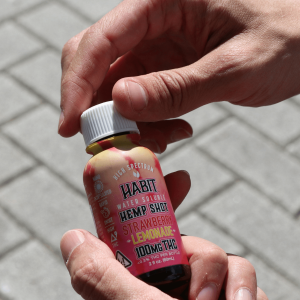
Here are recovery-oriented product categories to look for on HyperWolf (choose based on your goals and tolerance):
- CBD topicals (creams, balms, roll-ons) for post-workout soreness and localized relief
- Explore: HyperWolf Topicals
- CBD tinctures for evening wind-down and sleep support without heavy intoxication
- Explore: HyperWolf Tinctures
- CBD gummies for convenient, consistent dosing, especially post-workout or before bed
- Explore: HyperWolf Gummies
- CBD capsules for no-nonsense routines if you hate the taste of tinctures and love consistency
- Explore: HyperWolf Capsules
(Availability varies by location and local rules. Use your judgment and your zip code.)
Edibles vs vapes vs flower vs tinctures: pick the right recovery tool
For fast post-workout relaxation
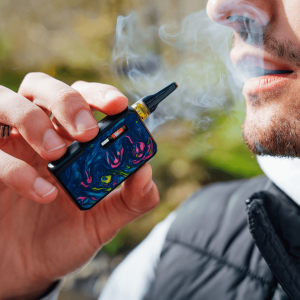
- Vapes/flower: faster onset, easier to titrate, shorter duration
- Good when you want quick relief and don’t want to be high into tomorrow morning.
For longer recovery windows (evening + sleep)
- Edibles: longer lasting, but harder to dose
- Good when you’re experienced and want sustained effects. Risky if you’re not.
For controlled, consistent use
- Tinctures: flexible dosing, usually easier to control than edibles
- Good when you’re dialing in a repeatable routine.
For targeted soreness
- Topicals: localized, non-intoxicating
- Good for “my shoulders hate me” days.
Smart dosing: do less, then do even less
Most cannabis workout problems come from one decision: too much.
Use these rules:
- Start low. Stay low.
- Increase slowly over multiple sessions, not in one night of enthusiasm.
- Don’t stack products (edible + vape + tincture) unless you know exactly what you’re doing.
- If you’re new, choose CBD-forward products first.
Repeat it again: start low, stay low.
A simple protocol you can actually follow
If your goal is soreness relief without getting high
- Post-workout: CBD topical on sore areas
- Evening: CBD tincture or gummy if needed for relaxation
- Add-ons: hydration, protein, easy walk, early bedtime
If your goal is sleep after intense training
- Post-workout: CBD topical + dinner with carbs and protein
- 60 to 90 minutes before bed: CBD-forward tincture, low THC only if you tolerate it
- Keep your room cold. Keep your phone away. Yes, you.
If your goal is enjoyment and consistency
- Pre-workout (low-risk workouts only): microdose THC or balanced THC:CBD
- Post-workout: CBD topical
- Don’t let the high replace the workout. Let it complement it.
Who should be extra careful (or avoid it)
Be cautious if you:
- Have anxiety that THC can worsen
- Have heart issues or are sensitive to elevated heart rate
- Are new to training and still learning technique
- Do activities where impairment is dangerous
- Are subject to drug testing (many CBD products can still carry risk depending on formulation and contamination)
Also, don’t drive impaired. Obvious, but it needs saying because people keep pretending it’s a riddle.
So… can weed help you recover faster?
Cannabis can help you recover better, especially if it improves sleep, reduces stress, and makes soreness more manageable. That can indirectly support faster progress because you train more consistently and you rest more effectively.
But cannabis isn’t a shortcut around:
- smart programming
- good form
- enough protein
- hydration
- sleep hygiene
Use cannabis like seasoning, not like the whole meal.
If you want the simplest “try this first” approach: start with a CBD topical after workouts, then consider a CBD tincture or gummy in the evening if relaxation and sleep are your bottlenecks. And if you’re going THC, keep it low-dose and keep it post-workout unless your training is low risk.
Recovery is boring. Recovery is repetitive. Recovery works.
FAQs (Frequently Asked Questions)
1. Does cannabis improve workout recovery and reduce muscle soreness?
Cannabis may support workout recovery mainly by reducing pain perception and soreness through THC’s psychoactive effects and CBD’s inflammation signaling. While it can help you feel less sore and enable better movement, it doesn’t necessarily speed up muscle tissue rebuilding. Using cannabis for pain relief can facilitate smart recovery activities like mobility exercises but shouldn’t mask serious injuries.
2. What are the differences between using cannabis pre-workout and post-workout?
Pre-workout cannabis can increase enjoyment, reduce anxiety, and enhance flow in activities like yoga or steady-state cardio but may impair reaction time, increase heart rate, and reduce motivation at higher doses—making it less ideal for heavy lifting or complex movements. Post-workout cannabis is better suited for recovery goals such as downshifting the nervous system, reducing soreness perception, supporting relaxation and sleep, with CBD and topicals being popular for non-intoxicating recovery support.
3. How does THC affect pain perception and workout recovery?
THC changes how the brain processes discomfort by lowering soreness ‘volume,’ making movement easier the next day, and improving tolerance for recovery work like light cardio or mobility exercises. This pain relief is valuable to keep you active during recovery but should be used to enable smart behaviors rather than ignoring injuries that require attention.
4. Can cannabis improve sleep quality to aid in fitness recovery?
Cannabis can help some individuals fall asleep faster, which is crucial since sleep enables growth hormone release, tissue repair, and nervous system reset. However, high doses of THC may reduce REM sleep and lead to dependency if used nightly. CBD offers relaxation benefits without intoxication but with variable results. Starting low with CBD-heavy options is recommended if sleep improvement is your main goal.
5. How does cannabis help with stress reduction related to workout recovery?
High stress increases cortisol levels that impair recovery and boost inflammation. Many find cannabis helps relax after intense training sessions, mentally detach from work-related stress, and prevent negative thought cycles at night. Nevertheless, it’s important not to use cannabis as an avoidance tool but rather as a complement to healthy habits like proper nutrition, hydration, physical activity, and good sleep hygiene.
6. What factors influence the effectiveness of cannabis in workout performance and recovery?
The benefits of cannabis depend heavily on dose, timing (pre- vs post-workout), product type (THC vs CBD vs topicals), individual tolerance, and the nature of your workout. For example, low doses before light activity may enhance focus without impairing coordination, whereas higher doses or use before heavy lifting can hinder performance. Post-workout use focused on relaxation and soreness management with CBD-rich products tends to be most effective for supporting recovery.
Jenna Renz

Jenna is a California-based creative copywriter who’s been lucky enough to have worked with a diverse range of clients before settling into the cannabis industry to explore her two greatest passions: writing and weed.