Rewards



Cannabis for nausea is one of those rare wellness topics where the science is actually interesting and the real-world results can be very obvious, very fast. When you feel like your stomach is staging a coup, you do not want vague advice or a list of “uplifting vibes.” You want what works, why it works, and how to use it without making things worse.
This guide does exactly that. We will cover the endocannabinoid system, the CB1 receptor (the nausea “off switch” you did not know you had), the long history of FDA-approved THC medicines like dronabinol, and then we will get practical with terpene picks, strain types, and scenario-based recommendations.
Also, quick note: a lot of “top nausea strains” content online is basically crowdsourced reviews. That is fine, but it is not structured guidance. This is structured.
The short version (because nausea is rude)
Recommended Products

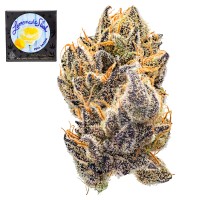

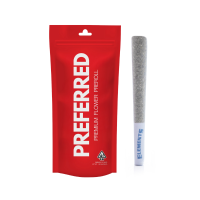
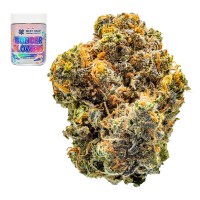
If you only remember five things, remember these:
- THC helps nausea most directly, largely via CB1 receptors in the brain and gut.
- CBD can help in some cases (inflammation, anxiety), but too much CBD sometimes does… nothing for nausea. Or it can even feel weirdly activating for certain people.
- The terpene trifecta for nausea is limonene, beta-caryophyllene, and pinene. Look for them. Repeat: look for them.
- Inhalation is fastest (minutes). Edibles last longer (hours) but are slower and easier to overdo.
- Dose low, then go lower. Nausea is not the time to prove you are brave.
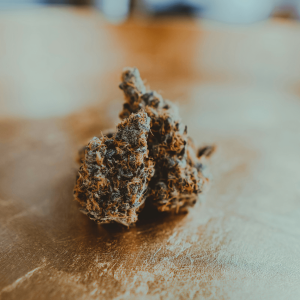
Why cannabis can stop nausea (the science, without the snooze)
Nausea and vomiting are controlled by a network that includes your gut, vagus nerve, brainstem, and a few lovely “panic buttons” in the brain. Cannabis interacts with that network through the endocannabinoid system (ECS).
The ECS has two headline receptors:
- CB1 receptors: abundant in the brain and nervous system, and also present in the gastrointestinal tract. These are the big ones for nausea control.
- CB2 receptors: more associated with immune signaling and inflammation, though they can matter depending on the cause of nausea.
CB1: the anti-nausea lever cannabis pulls
THC (delta-9-tetrahydrocannabinol) binds strongly to CB1 receptors. Activating CB1 can reduce nausea signaling and suppress vomiting reflex pathways. That is why THC-forward products are often the “main event” when nausea is intense, especially in medical contexts.
This is not new: dronabinol and the FDA-approved history
Long before dispensary menus turned into terpene poetry, the medical system already acknowledged THC’s antiemetic (anti-nausea) properties.
- Dronabinol is a synthetic form of THC that has been FDA-approved for chemotherapy-induced nausea and vomiting and for appetite stimulation in certain patients.
- Nabilone is another cannabinoid-based antiemetic used in some settings.
Translation: cannabis helping nausea is not just folklore. There is legitimate precedent in conventional medicine.
The terpene trifecta for nausea (limonene, beta-caryophyllene, pinene)
If cannabinoids are the engine, terpenes are the steering wheel. They will not magically replace THC for severe nausea, but they can meaningfully shape the experience: calmer, less anxious, less “spun,” and often more stomach-friendly.
1) Limonene
- Smell/flavor: citrus peel, lemon candy
- Why it matters: often described as mood-lifting and stress-reducing, which matters because anxiety and nausea love hanging out together.
- Best for: anxiety-induced nausea, morning “queasiness,” motion sickness where stress ramps symptoms.
2) Beta-caryophyllene
- Smell/flavor: pepper, spice, cloves
- Why it matters: uniquely interacts with CB2 receptors, which ties it to inflammation and gut comfort for some people.
- Best for: nausea that has an inflammatory component, stomach sensitivity, “my gut is mad at me” nausea.
3) Pinene (alpha-pinene and beta-pinene)
- Smell/flavor: pine needles, rosemary, forest air
- Why it matters: often reported as clearer, less foggy, and can reduce the “too high” feeling in some users. That matters because dizziness and mental overwhelm can worsen nausea.
- Best for: motion sickness, daytime nausea, nausea where you still need to function like a human.
Pro tip: If a product label lists terpenes, prioritize limonene + beta-caryophyllene + pinene. If it lists only one, pick limonene for stress-linked nausea and beta-caryophyllene for gut discomfort.
Cannabinoid ratios that actually make sense for nausea
Let’s keep this practical.
THC-dominant (fastest anti-nausea punch)
- Best for: chemo nausea, severe nausea, persistent vomiting (medical supervision recommended)
- Trade-off: higher risk of anxiety, dizziness, or feeling “too high,” especially at higher doses
Balanced THC:CBD (more forgiving for beginners)
- Best for: moderate nausea, anxiety-induced nausea, people sensitive to THC
- Trade-off: may be less potent for intense nausea than THC-dominant options
CBD-dominant (sometimes helpful, sometimes not)
- Best for: nausea linked to inflammation or anxiety where THC is not tolerated
- Trade-off: can be underpowered for true antiemetic relief in many people
Important: If THC makes you anxious, nausea can get worse. Do not “push through.” Reduce the dose, switch the ratio, change the terpene profile, or change the method.
The method matters: inhalation vs edibles vs tinctures
Your delivery method can be the difference between relief and regret.
Inhalation (vape or flower): fastest relief
- Onset: 1 to 10 minutes
- Best for: sudden nausea, motion sickness, chemo waves, “I need help now”
- How to do it: take one small puff, wait 10 minutes, reassess. Repeat if needed.
- Watch out for: harsh vapor/smoke can irritate the throat and worsen nausea for some people. If that happens, stop. Do not “tough it out.”
Tinctures and sublingual oils: a middle path
Sublingual cannabis drops offer a unique method of ingestion that combines some benefits of both inhalation and traditional edibles. This method provides a more controlled dosing experience and is ideal for those who dislike inhalation. The onset time typically ranges from 15 to 45 minutes depending on various factors.
To use tinctures effectively, start with a low dose, hold the liquid under your tongue for 30 to 60 seconds to allow absorption, then swallow. However, it’s essential to note that while tinctures can be beneficial for steady nausea, they may not provide immediate relief like inhalation methods.
Edibles: long-lasting, but slow and easy to overdo
- Onset: 45 to 120 minutes
- Duration: 4 to 8 hours (sometimes longer)
- Best for: sustained nausea, overnight relief, chronic conditions
- Watch out for: taking more too soon. That is how you end up nauseous and high and Googling “am I okay.”
Edible rule: Start with 1 to 2.5 mg THC, wait a full 2 hours, then decide. Yes, two hours. Be patient. Be boring. Boring is good.

Scenario guide: pick what fits your nausea (not what sounds cool)
Nausea is not one thing. It is a symptom with a backstory. Use the right tool for the right job.
1) Chemotherapy-induced nausea (CINV)
Chemo nausea can be intense, persistent, and resistant to typical remedies. This is where THC’s antiemetic history is strongest, including the FDA-approved dronabinol precedent.
What tends to work best
- THC-forward products, often via inhalation for rapid control
- Consider a balanced THC:CBD option if THC side effects become a problem
- Terpenes: prioritize beta-caryophyllene (gut comfort), limonene (mood), and pinene (clarity)
How to use it
- Go for fast onset first: vape or flower, one small inhale at a time.
- Once symptoms are controlled, consider a longer-lasting method (tincture or low-dose edible) to maintain relief.
Important medical note If you are undergoing chemo, coordinate with your oncology team. Not because cannabis is scary, but because your care team should know what you are taking, especially if you are dealing with appetite loss, dehydration risk, or medication interactions.
2) Morning sickness awareness (pregnancy nausea)
Let’s be very clear and very adult about this: do not use cannabis during pregnancy unless you are under the direction of a qualified clinician who is specifically managing your case. Many medical organizations advise against cannabis use in pregnancy due to potential fetal risks and limited high-quality safety data.
That said, people search this topic because pregnancy nausea can be brutal. So here is the responsible guidance:
If you are pregnant and nauseous
- Talk to your OB-GYN or midwife first.
- Ask about evidence-based options (diet changes, ginger, vitamin B6, doxylamine, hydration strategies, and other clinician-approved treatments).
- If you are already using cannabis, do not wing it. Tell your clinician. Get real medical advice, not internet bravery.
This article focuses on general adult use. Pregnancy is a different category. Treat it like one.
3) Motion sickness (cars, boats, planes, and your friend’s driving)
Motion sickness nausea is often sudden and tightly linked to the nervous system. You want fast relief and minimal mental chaos.
What tends to work best
- Low-dose inhalation (fast onset, easier to titrate)
- Terpenes: emphasize pinene (clear-headed), plus limonene (calm)
- Avoid very heavy, sedating profiles if they make you dizzy
How to use it
- Do not wait until you are fully miserable. Take one small puff at the first sign of nausea.
- If you use edibles, take them well before travel and keep the dose low. Motion sickness plus an accidental mega-dose is a terrible buddy comedy.
Extra practical tips
- Hydrate, keep airflow, and pick a stable visual horizon.
- Combine cannabis with basic motion sickness habits. Do not make cannabis do all the work like it is your personal assistant.
4) Anxiety-induced nausea (the “my stomach is worried” special)
This is common. Your brain gets stressed, your gut gets the memo, and suddenly food is disgusting.
What tends to work best
- Low-dose THC or balanced THC:CBD
- Terpenes: limonene and beta-caryophyllene shine here, both of which can be explored further in this terpene guide
- Avoid high-THC doses if you are prone to racing thoughts
How to use it
- Start tiny. One puff. Or 1 mg THC. Seriously.
- If you feel mentally “speedy,” stop and switch strategies. Add CBD, lower THC, or change terpene profile.
Bonus move Pair cannabis with anxiety basics: slow breathing, cold water, a bland snack, reduced stimulation. Yes, you still have to be a mammal.
Strain “types” that tend to help (and how to choose without getting tricked)
You will see “indica vs sativa vs hybrid.” It can be loosely useful, but terpenes and cannabinoids matter more than the marketing label.
Still, patterns exist:
- Many people prefer indica-leaning or hybrid options for nausea because they feel more body-settling.
- Some people do better with sativa-leaning options if heavy sedation worsens dizziness or headaches.
Instead of chasing a name, chase the profile:
- THC level appropriate to your tolerance
- Limonene + beta-caryophyllene + pinene on the terp list if available
- A form factor you can dose reliably (especially if nausea is frequent)
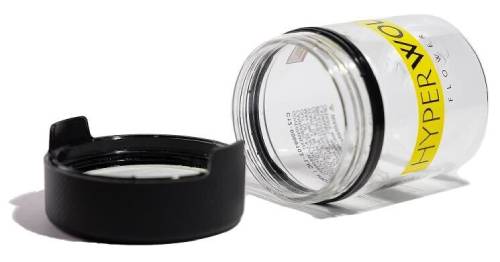
HyperWolf picks (fast relief, sustained relief, and “I’m new here” options)
You asked for practical recommendations, not a scavenger hunt. Use these as your starting categories when browsing HyperWolf’s menu.
- For fast relief: shop HyperWolf Vape Pens and choose a terpene-forward option that lists limonene, beta-caryophyllene, or pinene.
- For more control: check HyperWolf Tinctures for precise dosing and a smoother ramp-up than inhalation.
- For longer-lasting relief: browse HyperWolf Edibles and start low. Stay low.
- For a broader menu if you want to filter by type: explore HyperWolf Flower and ask for lab results or terpene info when available.
If a product page shows terpene testing, great. If it does not, use aroma as a backup signal:
- Citrus or orange cleaner vibe: likely limonene
- Peppery spice: likely beta-caryophyllene
- Piney, rosemary, forest: likely pinene
Not perfect, but better than picking based on a cute strain name.
Dosing rules that prevent the classic nausea mistake
Nausea makes people impatient. Impatience makes people overdose. Overdosing makes people more nauseous. It is a circle of poor decisions.
Follow these rules:
- Start low. Then start lower. If you are new or sensitive, start with 1 puff or 1 mg to 2.5 mg THC.
- Wait long enough to know what is happening. Inhalation takes 10 minutes, tinctures take 45 minutes, and edibles take 2 hours.
- Do not stack doses like pancakes. Especially with edibles. Especially with nausea. Especially if you are stressed.
- If you get anxious, stop escalating. Anxiety can amplify nausea. Switch to a calmer ratio, lower THC, or pause.
Understanding these dosing rules can significantly enhance your experience and help avoid common pitfalls such as nausea from overdosing.
When cannabis can make nausea worse (yes, really)
Sometimes cannabis does the opposite of what you want. Know these pitfalls.
Too much THC
High doses can cause dizziness, anxiety, and in some people, worse nausea. Dose is everything.
CHS (Cannabinoid Hyperemesis Syndrome)
There is a real condition called cannabinoid hyperemesis syndrome, typically in long-term heavy users, characterized by recurrent nausea and vomiting that improves with cessation. Hot showers sometimes provide temporary relief, which is a common clue.
If you have ongoing unexplained vomiting and you use cannabis frequently, talk to a clinician. Do not just switch strains and hope.
Smoke/vapor irritation
If inhalation irritates your throat or triggers gagging, choose tinctures or low-dose edibles instead.
How to build your personal “anti-nausea kit”
Do this once, thank yourself later.
- Fast-acting option: a vape pen for quick rescue
- Long-acting option: tincture or low-dose edible for maintenance
- Terpene priority: limonene, beta-caryophyllene, pinene
- Support items: electrolyte drink, bland crackers, ginger tea, peppermint (if it helps you), and something cold for the back of the neck
Be prepared. Repeat: be prepared. Nausea does not schedule appointments.
Final take: stop guessing and start matching
Cannabis for nausea works best when you stop treating it like magic and start treating it like a tool.
Match the method to the moment:
- Need relief now? Inhale.
- Need steady coverage? Tincture or low-dose edible.
Match the chemistry to the cause:
- Stress-driven nausea? Limonene and a low THC dose.
- Gut discomfort and sensitivity? Beta-caryophyllene is your friend.
- Motion sickness or daytime function? Pinene can help keep things clear.
Nausea is loud. Be louder, with better strategy.
FAQs (Frequently Asked Questions)
1. How does cannabis help relieve nausea?
Cannabis helps relieve nausea primarily through THC activating CB1 receptors in the brain and gastrointestinal tract. This activation reduces nausea signaling and suppresses vomiting reflex pathways, making THC-forward products effective for intense nausea relief.
2. What role do terpenes play in managing nausea with cannabis?
Terpenes like limonene, beta-caryophyllene, and pinene shape the cannabis experience by promoting calmness, reducing anxiety, and easing gut discomfort. While they don’t replace THC for severe nausea, they can make the experience more stomach-friendly and less mentally overwhelming.
3. Which terpenes are best for different types of nausea?
Limonene is best for anxiety-induced nausea and motion sickness related to stress; beta-caryophyllene targets inflammation-related gut discomfort; pinene helps with motion sickness and daytime nausea by reducing dizziness and mental fog.
4. What are the differences between inhalation and edibles for treating nausea with cannabis?
Inhalation provides the fastest relief from nausea within minutes, making it suitable for acute symptoms. Edibles take longer to kick in but offer longer-lasting effects over several hours; however, they carry a higher risk of overconsumption, so dosing should start low.
5. Can CBD help with nausea?
CBD can help with some types of nausea, especially when related to inflammation or anxiety. However, high doses of CBD may be ineffective or even activating for certain individuals, so its effects on nausea can vary.
6. What is the recommended dosing approach for using cannabis to treat nausea?
The best approach is to start with a low dose and then go even lower if needed. Nausea is not the time to push limits—starting low helps avoid worsening symptoms like anxiety or dizziness while finding effective relief.
Jenna Renz

Jenna is a California-based creative copywriter who’s been lucky enough to have worked with a diverse range of clients before settling into the cannabis industry to explore her two greatest passions: writing and weed.