Rewards


If you’re comparing Live Resin vs Premium Oil, you’re already asking the right question. These two concentrates can look similar on a menu, but they’re built differently, they taste different, and they tend to feel different when you use them. One leans loud and aromatic. The other leans clean, consistent, and engineered for control. Neither is “better” in a vacuum. You just need the right tool for the job.
Let’s break down what actually separates live resin from premium oil: extraction methods, terpene retention, flavor, and the kind of experience you’ll notice after the first few pulls.
The quick definitions (so we don’t get lost)


What is live resin?
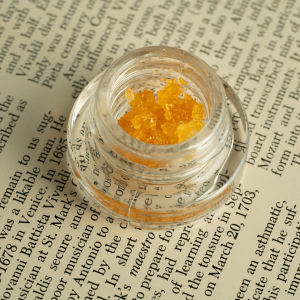
Live resin is a cannabis concentrate made from fresh-frozen flower (not dried and cured). That one decision changes everything. Freezing the plant right after harvest helps preserve volatile compounds, especially terpenes, that tend to evaporate or degrade during drying and storage.
Live resin is usually extracted with hydrocarbons (commonly butane/propane blends) in a closed-loop system and then handled at low temperatures to protect aroma and flavor.
What is premium oil?
Premium oil is a broader label, not one single recipe. In most dispensary contexts, “premium oil” usually means a highly refined cannabis oil intended for cartridges, disposables, tinctures, or dabbing. It may be:
- A high-terpene full-spectrum extract (HTFSE) style oil
- A “full-spectrum” oil with native terps
- A refined distillate with terpenes reintroduced (cannabis-derived or botanically derived)
- A cured-resin oil made from dried/cured flower
- A CO₂ oil designed for consistency and shelf stability
So when someone says “premium oil,” what they often mean is: smooth, reliable, and consistent, with flavor ranging from “pretty good” to “wow” depending on how it was made.

Extraction differences (the part nobody reads, but everyone should)
This is where the real split happens. Extraction isn’t just a manufacturing detail. It dictates terp retention, texture, and how close the final experience feels to the original flower.
Live resin extraction: fresh-frozen, low-temp priorities
Most live resin starts like this:
- Harvest flower
- Freeze immediately (often at very low temps)
- Extract with hydrocarbons in a closed-loop system
- Purge solvents carefully while preserving volatile terpenes
- Cure into sauce, sugar, badder, or similar textures depending on technique
Because the source material is fresh-frozen, live resin tends to capture more of the plant’s “top notes.” Think citrus peel, pine needles, candy gas, sharp floral. Those bright aromatics are the first to disappear in traditional drying.
Bottom line: live resin extraction is designed to protect aroma compounds that are otherwise fragile.
Premium oil extraction: refined for consistency and device performance
“Premium oil” can come from different paths, but the common theme is control. Brands want predictable viscosity, predictable potency, predictable taste, and predictable shelf life.
Common premium oil routes include:
- CO₂ extraction: often produces a cleaner, stable oil; terp fraction may be separated and recombined
- Hydrocarbon extraction + refinement: can yield very flavorful oils, especially if the producer keeps the terp fraction intact
- Distillation: creates very high THC oil; terpenes are usually removed then added back (cannabis-derived terps are typically preferred for authenticity)
Premium oil is often optimized to:
- Flow properly in cartridges (no clogs, no burnt hits)
- Stay stable on shelves
- Deliver consistent THC content from batch to batch
Bottom line: premium oil extraction is designed to standardize the experience, not necessarily preserve every fragile aromatic compound from the fresh plant.
Terpene retention: who keeps the soul of the plant?
If cannabinoids are the engine, terpenes are the steering wheel, the sound system, and the entire vibe inside the car.
Live resin terp retention
Live resin is famous for terpene content because:
- Fresh-frozen material preserves volatile terpenes
- Processing often prioritizes low heat and terp protection
- Many live resin products keep a “whole profile” feel rather than isolating and rebuilding
This is why live resin often smells like you just cracked open a jar of fresh flower, except louder.
Premium oil terp retention
Premium oil can be excellent, but terp retention depends on the type:
- Full-spectrum / native terp oils can retain a strong, strain-specific profile
- Distillate-based premium oils often have terpenes reintroduced; quality depends on the terp source and blend accuracy
- Botanical terp blends can taste strong, but sometimes taste “too perfect” or candy-like in a way that does not match cannabis flower
So yes, premium oil can be tasty. It’s just more likely to be a constructed flavor rather than a naturally preserved one.
Taste: loud live resin vs polished premium oil
Let’s talk about the part you actually care about: how it tastes.
Live resin taste
Live resin tends to deliver:
- Strong aroma on the inhale
- Big flavor that matches strain character
- A “fresh plant” quality, sometimes described as juicy, sharp, or dank
- More variation between batches, even within the same strain name (because plants vary)
If you’re the kind of person who sniffs a jar and says, “Yup, that’s the one,” live resin is speaking your language.
Premium oil taste
Premium oil tends to be:
- Smoother and more uniform
- Less “green” or sharp
- More consistent from batch to batch
- Sometimes less complex than live resin, especially if distilled and rebuilt
Think of live resin like fresh-squeezed juice. Premium oil is like a bottled beverage made to taste the same every time. Both can be great. Only one of them is going to surprise you.
Effects and “feel”: the difference you notice five minutes later
Here’s where people get dramatic. And to be fair, this is where differences can feel real.
The honest truth first
Cannabis effects depend on:
- Cannabinoid content and ratios (THC, CBD, minor cannabinoids)
- Terpene profile
- Dose and delivery method
- Your tolerance, body chemistry, and mood
- The specific product formulation
So no, live resin is not automatically “stronger” because it’s live resin. Potency can be similar or even higher in premium oil, especially distillates. But the experience can diverge.
Live resin effects: more “whole-plant” character
Many users describe live resin as:
- More layered
- More strain-specific
- More “flower-like”
- More noticeable in the body and mood shift, not just head pressure
That’s likely because live resin often carries a broader set of volatile compounds and minor components that influence perceived effects.
Expectations you can safely have:
- If you love the way a strain feels in flower form, live resin often preserves that character better.
- The onset can feel a bit more “rounded,” not just a THC spike.
Premium oil effects: clean, direct, consistent
Premium oil often feels:
- Strong and straightforward
- Reliable for repeatable dosing
- Less variable from hit to hit (especially in cartridges)
Distillate-forward premium oil can feel:
- Very potent
- More cerebral or “clean”
- Sometimes less nuanced than full-spectrum extracts
If your priority is “I want the same result every time,” premium oil usually wins.
Texture and consumption: what you’re actually using
This matters because the best concentrate in the world is useless if it doesn’t fit your routine.
Live resin formats
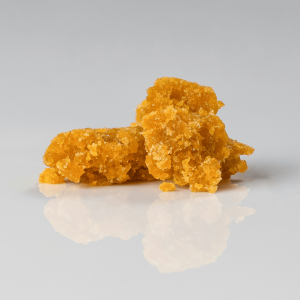
Live resin shows up as:
- Sauce
- Sugar
- Badder/batter
- Diamonds + sauce (often live resin derived)
- Vape carts labeled live resin (when the oil is actually live resin, not distillate with terps)
Live resin is commonly dabbed, but live resin carts are popular for flavor on the go.
Premium oil formats
Premium oil usually shows up as:
- Cartridges
- Disposables
- Syringes for refilling
- Tinctures and oral oils (sometimes)
- Dab oils (less common, but exists)
Premium oil is often designed to behave nicely in hardware. Translation: fewer clogs, fewer burnt hits, fewer tantrums.
Choose-this-if blocks (pick your lane)
Choose live resin if…
- You chase flavor. You want taste, taste, and then more taste.
- You want a “closer to the plant” experience.
- You care about strain character and nuance.
- You don’t mind a little batch variation.
- You dab at home, or you buy carts specifically labeled live resin.
Choose premium oil if…
- You want consistency. Same vibe, same strength, same routine.
- You prioritize smooth hits and device performance.
- You want predictable potency and straightforward effects.
- You’re buying carts and you care about clog resistance and shelf stability.
- You like a polished flavor profile, even if it’s blended.
Choose either one, but read the label, if…
- You’re sensitive to certain terpenes (some profiles can irritate your throat)
- You’re trying to avoid botanical terpenes
- You need specific cannabinoid ratios (THC:CBD, etc.)
Read the ingredients. Ask what’s inside. Be nosy. This is going in your body, not your junk drawer.
What to check on the label (do this every time)
Ignore marketing adjectives for a second and look for these:
1) Source material: fresh-frozen vs cured
- Live resin should strongly imply fresh-frozen input.
- If it says cured resin, it’s not live resin. Still tasty sometimes, just different.
2) Extract type: live resin, distillate, CO₂, full spectrum
- “Premium oil” without details is like “premium sandwich.” Okay. What’s in it, though?
3) Terpene source: cannabis-derived vs botanical
- As discussed in this ultimate guide to terpenes, cannabis-derived terpenes usually taste more authentic.
- Botanical terpenes can be fine, but they can also taste like a watermelon air freshener with a THC problem.
4) Additives
Avoid anything sketchy. Reputable brands do not need mystery thinning agents. If the ingredient list reads like a chemistry pop quiz, pick another product.
5) Lab testing
Look for recent, third-party labs with:
- Cannabinoid potency
- Residual solvents (especially for hydrocarbon extracts)
- Pesticides, heavy metals, microbials (as required in your region)
Be boring. Be safe. Boring is good when the alternative is “why does my chest feel like that?”
Which tastes more like weed?
If your goal is “this should taste like actual cannabis flower,” live resin usually wins.
Premium oil can taste very close too, especially when it’s:
- Full-spectrum
- Made with native terps preserved
- Using cannabis-derived terpenes rather than botanical blends
But if you blind-tested “fresh plant funk,” live resin tends to be the obvious one.
Which is stronger?
“Stronger” can mean potency or perceived intensity.
- Potency (THC %): premium oil, especially distillate-based, can be extremely high.
- Perceived intensity and character: live resin often feels more dimensional and strain-specific, even if THC is similar.
Do not assume live resin is automatically higher THC. Do assume it’s often higher personality.
Which is better for cartridges?
Premium oil is often engineered for cartridges. That means predictable viscosity and fewer hardware issues.
Live resin carts can be incredible for flavor, but quality varies by brand. Some are true live resin oils. Some are blends. Some are “live resin inspired,” which is marketing code for “we waved a terpene near the product and called it a day.”
If you’re buying a cart and you want flavor, look for clearly labeled live resin and check lab results if available.
Which is better for dabbing?
Live resin is a classic dab choice because flavor is a major part of the dab experience. If you’re heating concentrate and inhaling it immediately, terpenes matter a lot. For those interested in exploring how to smoke live resin, this guide may be helpful.
Premium oil can be dabbed if it’s designed for it, but many premium oils are built for carts, not for a torch-and-rig lifestyle.
Price differences: why live resin can cost more
Live resin often costs more because:
- Fresh-frozen handling requires cold chain logistics and more care
- Yields and processing complexity can be higher
- The terpene-rich result is considered a premium sensory product
Premium oil pricing ranges widely because it can be:
- Full-spectrum and expensive, or
- Distillate-based and more cost-efficient at scale
So don’t judge solely by price. Judge by what it is and how it’s made.
The practical takeaway (so you don’t overthink it)
If you want the closest thing to opening a jar of loud flower and inhaling the soul of the strain, choose live resin.
If you want smooth, strong, consistent oil that behaves in a cartridge and delivers the same hit every time, choose premium oil.
Then do the most important step: buy from brands that publish clean lab tests and don’t treat ingredient lists like classified documents.
FAQ: Live Resin vs Premium Oil
Is live resin the same as distillate?
No. Live resin is typically a full-spectrum style extract made from fresh-frozen material with a terpene-forward profile. Distillate is a refined product where cannabinoids are isolated and purified, and terpenes are often added back.
Does live resin always taste better than premium oil?
Usually, live resin tastes more complex and “strain-true,” but premium oil can taste excellent if it retains native terpenes or uses high-quality cannabis-derived terpenes. Bad live resin exists. Great premium oil exists. Choose wisely.
Which one gets you higher?
It depends on potency and your dose. Distillate-based premium oil can be higher THC on paper. Live resin often feels more nuanced. If you want pure THC punch, premium oil may win. If you want a fuller, strain-like experience, live resin often wins.
Are live resin carts better than premium oil carts?
For flavor, often yes. For consistency and device performance, premium oil often has an edge. The best option is a high-quality live resin cart from a reputable brand with solid lab results.
Is live resin safer than premium oil?
Safety comes from clean production and testing, not the name. Both can be safe if properly extracted, purged/refined, and lab-tested. Both can be questionable if made poorly. Always check third-party labs.
Why does some “premium oil” taste fruity but not like weed?
Because it may use botanical terpenes or blended flavoring profiles that don’t match cannabis flower. If you want authentic cannabis flavor, look for cannabis-derived terpenes or true live resin.
Can live resin cause more throat irritation?
Sometimes. High-terpene extracts can feel sharper on the throat for some people, especially with certain terpene profiles. Take smaller hits, lower voltage, and consider premium oil if you want smoother pulls.
What should I buy if I want the most “flower-like” feel?
Start with live resin, especially if you already know which strains you like in flower form. Shop options here: Live Resin products
What should I buy if I need consistent effects for daily use?
Premium oil is often more consistent from batch to batch and easier to dose, especially in cartridges. Look for clear labeling, terp source info, and reliable labs.
Jenna Renz

Jenna is a California-based creative copywriter who’s been lucky enough to have worked with a diverse range of clients before settling into the cannabis industry to explore her two greatest passions: writing and weed.