Rewards



Anxiety disorders affect nearly 40 million adults in the United States alone, making them the most common mental health challenge in the country. Traditional treatments—think SSRIs, benzodiazepines, and endless therapy sessions—don’t work for everyone. Enter cannabis for anxiety: a plant-based alternative that’s capturing attention from stressed-out professionals, overwhelmed students, and anyone tired of pharmaceutical side effects.
Here’s the catch: while cannabis mental health benefits are real, nobody wants to trade their racing thoughts for couch-lock and zero ambition. The sweet spot exists between calming your nervous system and maintaining the drive to actually do things. This isn’t about getting so relaxed you forget your deadlines exist.
The conversation around marijuana anxiety relief has evolved beyond “does it work?” to “how can it work without turning me into a productivity zombie?” That’s exactly what we’re unpacking here—the science, the strains, and the strategies that let you breathe easier while keeping your edge.
Understanding Anxiety Disorders
Anxiety isn’t the same for everyone—it comes in different forms that can disrupt your daily life in various ways.
Different Types of Anxiety Disorders
Here are some common types of anxiety disorders:
- Generalized anxiety disorder (GAD): This condition turns everyday worries into constant mental races, where your mind blows things out of proportion, worrying about everything from work deadlines to whether you locked the front door.
- Social anxiety disorder (SAD): With this disorder, simple interactions become high-pressure performances, making networking events or even casual coffee dates feel like navigating through emotional traps.
- Post-Traumatic Stress Disorder (PTSD): After experiencing trauma, PTSD rewires your nervous system, leaving you overly alert and emotionally drained even during ordinary activities.
- Obsessive-Compulsive Disorder (OCD): OCD keeps you stuck in cycles of unwanted thoughts and compulsive actions that consume hours of your day, making it seem impossible to be productive.
Treatment Options and Their Limitations
The usual treatment methods—SSRIs, benzodiazepines, and cognitive behavioral therapy—work well for some individuals. But they don’t work for everyone.
- Antidepressants can take weeks to start working and may cause unwanted side effects like weight gain, sexual dysfunction, or feeling emotionally numb.
- Benzodiazepines provide quick relief but come with risks of dependency that make doctors hesitant to prescribe them for long periods.
- Therapy requires a significant investment of time and money that many people simply don’t have.
This gap between what traditional treatments promise and what they actually deliver has led many anxiety sufferers to search for alternatives that won’t leave them feeling like zombies or empty their wallets. Such alternatives could potentially include innovative approaches discussed in recent studies like those found in this PMC article.
The Science Behind Cannabis and Anxiety Relief
Your brain has a complex network called the endocannabinoid system (ECS)—a biological highway that controls mood, stress response, and emotional processing. When cannabinoids like THC and CBD enter your body, they interact with CB1 and CB2 receptors spread throughout your brain and body, essentially taking over this natural anxiety-management system.
How CBD Works
CBD works its magic without the psychoactive effects. It doesn’t bind directly to cannabinoid receptors but instead influences them indirectly, boosting your body’s own endocannabinoids while also interacting with serotonin receptors—the same targets many conventional anti-anxiety medications aim for. Think of CBD as the diplomatic negotiator, calming neural activity without altering your state of mind.
How THC Works
THC, the compound responsible for cannabis’s signature high, takes a more direct approach by latching onto CB1 receptors in your amygdala and hippocampus—brain regions that process fear and emotional memories. Here’s where things get interesting: THC exhibits what scientists call a biphasic response.
At low doses (typically 2-5mg), THC can genuinely reduce anxiety by dampening overactive stress signals. Your racing thoughts slow down. That chest-tightening panic loosens its grip. But increase the dose beyond your personal limit, and THC flips the script—suddenly you’re dealing with heightened anxiety, paranoia, and that uncomfortable feeling that everyone at the grocery store knows you’re high.
This dose-dependent personality split explains why your friend swears cannabis eliminates their anxiety while another insists it makes them spiral. The difference between therapeutic relief and anxiety-inducing chaos often comes down to finding your personal sweet spot—a delicate balance that varies wildly between individuals based on tolerance, body chemistry, and consumption method.
Choosing the Right Cannabis Strains for Anxiety Management Without Impairing Motivation
The strain you choose makes all the difference between floating through your day anxiety-free or melting into your couch wondering where your ambition went. Low-THC cannabis for anxiety offers a gentler approach that won’t hijack your productivity, while CBD-dominant cannabis strains provide therapeutic benefits without the psychoactive punch that can derail your to-do list.
Here’s what happens when you go heavy on THC: your brain’s CB1 receptors get overwhelmed, triggering the exact opposite of what you’re after. High doses can amplify anxious thoughts, spike your heart rate, and wrap you in a sedative blanket that makes even checking your email feel like climbing Everest. Not exactly the recipe for crushing your goals.
Cannabis for anxiety works best when you respect the delicate balance between relief and functionality. CBD-dominant strains (think 20:1 or 10:1 CBD to THC ratios) let you tap into anxiety relief while keeping your mental clarity intact. These strains activate your endocannabinoid system’s calming mechanisms without triggering the paranoia or couch-lock that higher THC concentrations can cause.
The sweet spot for cannabis and motivation? Strains with just enough THC to work synergistically with CBD—typically 2-5mg THC paired with higher CBD content. This combination provides the “entourage effect” while keeping your drive, focus, and energy levels where they need to be.
Best Cannabis Strains for Anxiety Relief That Also Support Focus and Productivity
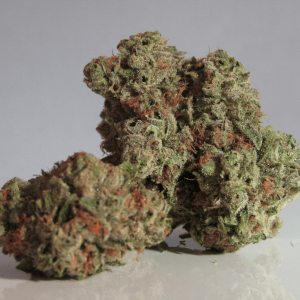
The best cannabis strains for anxiety management share specific characteristics that set them apart from their couch-locking cousins. These cultivars typically feature balanced cannabinoid profiles, moderate THC levels (usually between 10-18%), and elevated concentrations of anxiety-busting terpenes like limonene, pinene, and linalool. The magic lies in their ability to quiet racing thoughts without turning your brain into molasses.
Strains Rich in CBD
Harlequin stands out as a CBD-rich champion with a 5:2 CBD-to-THC ratio. This sativa-dominant hybrid delivers clear-headed relief that keeps you functional and focused. Users report feeling calm yet energized—perfect for tackling that mountain of emails without spiraling into worry.
ACDC takes the CBD game even further with ratios reaching 20:1. This strain barely registers on the psychoactive scale while providing substantial anxiety relief. Think of it as your mental reset button that doesn’t require a nap afterward.
For those seeking the best cannabis strains for anxiety with a touch more THC, Cannatonic offers a 1:1 CBD-to-THC balance. This hybrid gently eases tension while maintaining mental clarity—ideal for creative work or social situations that typically trigger anxiety.
Strains with Balanced Profiles
Sour Tsunami brings another CBD-dominant option to the table, combining anxiety relief with surprising mental sharpness. The strain’s uplifting effects counter the typical cannabis stereotype of motivation-killing sedation.
Pennywise rounds out the list with its balanced profile and reputation for promoting calm focus. The 1:1 ratio provides enough THC for noticeable relief without the paranoia that higher concentrations can trigger in anxiety-prone individuals.
Navigating the Risks: Understanding the Relationship Between Cannabis Use and Mental Health Outcomes
The risks associated with heavy cannabis use deserve honest examination, particularly when anxiety already complicates your mental landscape. Research paints a nuanced picture that refuses simple answers.
Studies tracking long-term cannabis users reveal patterns worth noting. Daily or near-daily consumption, especially of high-THC products, correlates with increased vulnerability to:
- Cannabis Use Disorder (CUD) – affecting approximately 9% of users, jumping to 17% for those who start in adolescence
- Persistent anxiety symptoms that paradoxically worsen despite continued use
- Amotivational syndrome – though evidence remains contested and often conflates correlation with causation
- Potential triggering of latent psychotic disorders in genetically predisposed individuals
People with pre-existing anxiety disorders face a trickier equation. Some research suggests they’re more susceptible to developing problematic use patterns, creating a self-perpetuating cycle where cannabis becomes both remedy and problem. The brain’s endocannabinoid system, already dysregulated in anxiety disorders, may respond unpredictably to chronic external cannabinoid exposure.
The dose-frequency relationship matters intensely here. Occasional, measured use shows markedly different outcomes compared to heavy, habitual consumption. Your brain’s CB1 receptors can downregulate with constant THC bombardment, requiring escalating doses for the same effect—a textbook tolerance pattern that signals trouble ahead.
Practical Tips for Using Cannabis Responsibly to Manage Anxiety Effectively Without Sacrificing Motivation
Start low, go slow—this mantra isn’t just catchy; it’s your safety net when exploring responsible cannabis use for anxiety management. Begin with doses as low as 2.5mg of THC or 5-10mg of CBD, then wait at least two hours before considering more. Your body’s response to cannabis is as unique as your fingerprint, and rushing the process invites unwanted side effects like racing thoughts or couch-lock.
Timing matters more than you think. Using cannabis for anxiety works best when aligned with your natural rhythms. Morning doses should lean heavily toward CBD or balanced ratios (1:1 THC:CBD) to maintain mental clarity. Save higher THC products for evening use when productivity demands decrease.
Keep a cannabis journal—yes, really. Track your dosage, strain, time of consumption, and how you felt during the following hours. Note your anxiety levels and your ability to complete tasks. This data becomes your personalized roadmap, revealing patterns that generic advice can’t capture.
Method of consumption shapes your experience dramatically:
- Inhalation (vaping/smoking): Effects hit within minutes, lasting 2-3 hours—ideal for acute anxiety spikes
- Edibles: Delayed onset (30-90 minutes) but longer duration (4-8 hours)—better for sustained relief
- Sublingual tinctures: Middle ground with 15-45 minute onset
Avoid mixing cannabis with alcohol or other substances that amplify sedation or impair judgment.
The Future of Cannabis Research in Treating Anxiety Disorders: What Lies Ahead?
The scientific community stands at an exciting crossroads. Future directions in cannabis research for treating anxiety promise to fill critical knowledge gaps that currently limit our understanding of this plant’s therapeutic potential.
Researchers still grapple with fundamental questions about long-term cannabis use. How does daily consumption over months or years affect someone’s drive to pursue goals? Does sustained use enhance or diminish quality of life for anxiety sufferers? These questions remain frustratingly unanswered because most existing studies track participants for weeks, not years.
A recent report by the Canadian Centre on Substance Abuse sheds some light on the cognitive effects of prolonged cannabis use, but more comprehensive research is needed. The motivation puzzle presents another challenge. Scientists need robust data on whether regular cannabis use for anxiety management impacts career advancement, relationship satisfaction, and personal achievement. Anecdotal reports vary wildly—some users report improved productivity, while others describe decreased ambition.
Regulatory shifts are changing the game. As more jurisdictions legalize cannabis, research institutions gain unprecedented access to study participants and funding. The United States’ recent reclassification discussions and Europe’s evolving stance on medical cannabis open doors for large-scale, multi-year clinical trials.
These comprehensive studies will examine:
- Optimal dosing schedules for sustained anxiety relief
- Strain-specific effects on cognitive function and motivation
- Interactions between cannabis compounds and traditional anxiety medications
- Demographic variations in treatment response
The next decade promises data-driven answers rather than speculation, transforming how medical professionals approach cannabis as an anxiety treatment option. This transformation aligns with broader global trends that indicate a shift towards more acceptance and understanding of alternative treatment methods such as cannabis.

Conclusion
Cannabis for anxiety isn’t a one-size-fits-all solution—it’s a deeply personal journey that demands experimentation, patience, and honest self-assessment. Your ideal approach might look nothing like your friend’s, and that’s perfectly fine.
The sweet spot between anxiety relief and sustained motivation exists, but finding it requires:
- Mindful strain selection that prioritizes your cognitive needs
- Dose discipline that respects the biphasic nature of cannabinoids
- Consistent self-monitoring to track what actually works for your brain chemistry
- Willingness to adjust when something stops serving you
Balancing anxiolytic benefits and motivation through medicinal cannabis use means treating yourself as the primary researcher in your own n=1 study. Keep detailed notes. Trust your observations. Don’t let anyone—including well-meaning budtenders or online forums—override what your body tells you.
The science will catch up eventually, but your life happens now. Start low, go slow, stay curious, and remember: the goal isn’t just quieting the noise upstairs—it’s reclaiming the energy to actually do something with that newfound calm.
FAQs (Frequently Asked Questions)
1. What types of anxiety disorders can cannabis potentially help manage?
Cannabis has shown potential in managing various anxiety disorders including generalized anxiety disorder, social anxiety disorder, PTSD, and OCD by interacting with the brain’s endocannabinoid system to modulate anxiety levels.
2. How do THC and CBD differ in their effects on anxiety relief?
THC and CBD are cannabinoids that affect anxiety differently; low doses of THC may reduce anxiety due to its biphasic nature, while high doses can exacerbate it. CBD-dominant strains are often preferred for anxiety relief as they tend to provide calming effects without the psychoactive impact of THC.
3. Which cannabis strains are best suited for relieving anxiety without impairing motivation and productivity?
Low-THC or CBD-dominant cannabis strains are recommended for managing anxiety while maintaining focus and productivity. These strains help alleviate anxious symptoms without causing cognitive fog or lethargy that high-THC strains might induce.
4. What are the risks associated with heavy or regular cannabis use for individuals with anxiety disorders?
Heavy or long-term cannabis use may pose risks such as increased feelings of anxiousness, sedation, or potential negative mental health outcomes, especially in those with pre-existing anxiety disorders. It is important to use cannabis responsibly and monitor its effects closely.
5. How can one use cannabis responsibly to manage anxiety effectively without sacrificing motivation?
Responsible cannabis use involves starting with low doses, particularly when using THC-rich products, to minimize side effects like increased heart rate or paranoia. Choosing appropriate strains and balancing anxiolytic benefits with motivation is key to effective management.
6. What does the future hold for cannabis research in treating anxiety disorders?
Future research aims to fill current gaps regarding the long-term impacts of cannabis on quality of life and motivation. Evolving regulations are enabling more comprehensive clinical studies to explore cannabis’s therapeutic potential in managing various anxiety disorders.
Jenna Renz

Jenna is a California-based creative copywriter who’s been lucky enough to have worked with a diverse range of clients before settling into the cannabis industry to explore her two greatest passions: writing and weed.