Rewards



For anyone who’s ever smoked or eaten cannabis, the phrase “the munchies” is practically legendary. We’ve all seen the stereotypes: someone takes a few puffs, then raids the fridge like they’ve been stranded on a desert island. But while this image is widely associated with cannabis consumption, it’s not as simple as saying that all cannabis strains make you hungry. Different cannabis strains — particularly sativa strains and indica strains — affect appetite in unique ways.
So, does sativa make you hungry, or is it mostly an indica thing? That’s exactly what we’re going to explore. By diving into scientific research, the body’s endocannabinoid system, and anecdotal evidence from many cannabis consumers, we’ll look at how sativa cannabis strains affect appetite compared to their indica counterparts.
We’ll also break down which compounds stimulate appetite, which might suppress appetite, and how cannabis enthusiasts can make informed choices depending on whether they’re seeking appetite stimulation, managing appetite, or just curious about how different strains interact with various physiological processes.
What is Sativa?
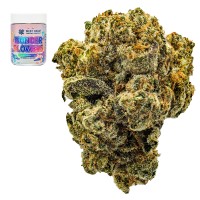

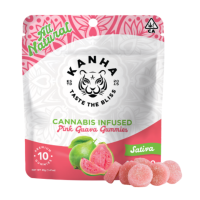

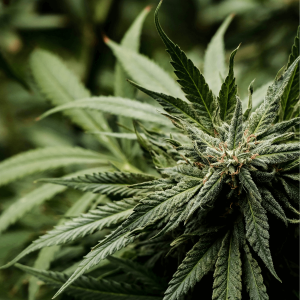
Before diving into whether sativa strains make you hungry, it helps to understand what we mean by “sativa.” Sativa plants are one of the two main cannabis types, along with indica plants. Traditionally, cannabis sativa is associated with uplifting and energizing effects. People often describe sativa’s effect as being more cerebral, giving mental clarity, creative boosts, and stimulating effects that are great for daytime use.
Sativa varieties typically thrive in dry climates and grow taller and leaner than indica plants. Their energizing qualities have made them popular among cannabis enthusiasts who want to enjoy cannabis without necessarily feeling sleepy or couch-locked. However, the effects of sativa strains on appetite are not as cut-and-dry as their reputation for stimulating mental clarity and energy.
How Cannabis Affects Appetite
To understand whether sativa can make you hungry, we first need to look at how cannabis affects appetite in general. When you consume cannabis — whether through smoking cannabis, vaping, or cannabis edibles — psychoactive compounds like THC interact with the body’s endocannabinoid system.
This system is responsible for regulating various physiological processes, including mood, pain, memory, and yes — appetite regulation. THC binds to cannabinoid receptors, particularly CB1 receptors in the brain. When THC interacts with these receptors, it can stimulate appetite by increasing the release of the hunger hormone ghrelin, as well as enhancing the reward perception of food. In simple terms: food tastes better, smells stronger, and eating becomes more enjoyable.
This hunger stimulation is one of the reasons medical cannabis is often recommended to patients experiencing appetite loss due to conditions like chemotherapy treatment or chronic illness.
Does Sativa Make You Hungry?
So, does sativa make you hungry the same way indica does? The answer is: sometimes. Consuming sativa strains can potentially increase appetite, but the effect is generally less pronounced than with indica strains. Many cannabis users report that sativa strains deliver more energizing and uplifting effects, with mental clarity that encourages physical activities, creative projects, or socializing, rather than immediate food cravings.
That said, certain sativa cannabis strains — especially those high in THC — still stimulate appetite. Sativa’s effect on hunger depends on THC content, terpene profile, and even the specific strain. While indica strains may more reliably deliver appetite stimulating effects, sativa strains can also make you hungry, especially if you’re sensitive to THC or consume cannabis in higher doses.
The Science Behind Cannabis and Hunger
Scientific research has shown that cannabis use and hunger are closely connected through the body’s endocannabinoid system. When THC binds to CB1 receptors, it not only stimulates hunger hormones but also enhances the brain’s reward pathways related to food. That’s why a bag of chips suddenly feels irresistible after consuming cannabis.
In fact, scientific studies suggest that cannabis doesn’t just make you hungry; it can also regulate hunger by increasing dopamine release, making eating feel more pleasurable. This is why medical cannabis has been used to alleviate symptoms of appetite loss and weight gain challenges in patients with certain medical conditions.
Interestingly, while THC is the main driver behind hunger stimulation, other cannabinoids and terpenes may affect appetite differently. THCV, for instance, is known to sometimes suppress appetite, while myrcene — a terpene found in both indica and sativa strains — is thought to trigger hunger.
Sativa vs. Indica: Appetite Differences
When comparing appetite stimulation in sativa strains versus indica strains, most cannabis consumers notice clear differences. Indica strains are more associated with relaxing and calming effects, couch-lock, and full body relaxation — all of which often come with intense food cravings. Indica effects may stimulate hunger more strongly because the sedative effects keep users stationary, making them more aware of their appetite.
Sativa strains, by contrast, are more uplifting and energizing, encouraging activities, creativity, and focus. Appetite stimulation is still possible with sativa cannabis strains, but many cannabis users report that they feel too busy, motivated, or engaged in other tasks to notice hunger right away. Essentially, appetite compared across indica and sativa often shows indica as the more appetite-stimulating option.
Terpenes in Sativa That May Influence Hunger
The effects of sativa strains on hunger don’t just come from THC. Terpenes — the aromatic compounds found in cannabis plants — also play a role. Some terpenes stimulate appetite, while others may suppress appetite or simply boost mood.
- Limonene: Common in sativa strains, it offers uplifting effects but isn’t directly linked to hunger stimulation.
- Pinene: Found in many sativa varieties, it may suppress appetite slightly and promote mental clarity.
- Myrcene: Though more common in indica, when present in sativa it can contribute to hunger stimulation.
So, while many cannabis enthusiasts assume all sativas provide energizing and uplifting effects, terpene composition means appetite stimulating effects vary dramatically depending on the specific strain.
THC Potency and the Munchies
The question of “does sativa make you hungry?” often comes down to THC content. Particularly THC-rich sativa cannabis strains will almost always stimulate hunger. THC interacts with cannabinoid receptors in ways that directly regulate appetite, so regardless of whether you consume sativa or indica, higher THC means a stronger likelihood of increased appetite.
On the flip side, high CBD strains — even among sativa varieties — may not have the same appetite stimulating effects. CBD doesn’t bind to CB1 receptors in the same way THC does, meaning it may modulate hunger stimulation rather than directly trigger hunger.
Can Sativa Actually Suppress Appetite?
Here’s where things get interesting: not all sativa strains increase appetite. Some anecdotal evidence suggests that consuming sativa may even suppress appetite. This is especially true with strains high in THCV, sometimes referred to as “diet weed.” THCV can regulate appetite by blunting hunger signals, making it appealing for cannabis consumers who want the uplifting and energizing effects of sativa without triggering food cravings.
In this way, the effects of sativa strains on hunger vary. While some potentially increase appetite, others may suppress appetite depending on the cannabinoid and terpene composition.
Sativa Strains Known for Causing the Munchies
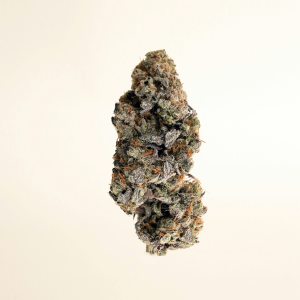
Some popular sativa strains are famous for appetite stimulation. For example:
- Green Crack: Known for its energizing qualities, but can also trigger hunger.
- Sour Diesel: Delivers uplifting effects along with strong food cravings.
- Durban Poison (certain phenotypes): While some users find it appetite-suppressing, others report noticeable hunger stimulation.
These examples highlight that even within sativa cannabis strains, appetite stimulating effects are dependent on the specific strain and how THC interacts with your body.
Sativa Strains Less Likely to Cause Hunger
Not all sativas are big on the munchies. Some sativa strains, particularly those high in THCV or with terpene profiles heavy in pinene and limonene, are less likely to trigger hunger. Examples include:
- Durban Poison (high THCV cuts).
- Pineapple Purps.
- Jack the Ripper.
For cannabis consumers managing appetite or avoiding food cravings, these strains may be better suited than others.
Medical Use: Sativa for Appetite Stimulation
While medical cannabis patients often turn to indica strains for appetite stimulation, sativa can still be useful. For people who want increased appetite without heavy sedation, consuming sativa strains may provide a balance. Medical cannabis users with appetite loss from stress, depression, or medical conditions may find that uplifting and energizing effects from sativa help stimulate hunger while keeping both the mind and body active.
Does the Time of Day Matter?
Sativa cannabis strains are generally associated with daytime use because of their energizing effects. Appetite stimulation may therefore feel less noticeable if you’re busy with work or physical activities. At night, however, when the day winds down, sativa’s effect on hunger might become more apparent as your body starts to focus less on energy and more on relaxation.
Sativa Edibles and Appetite
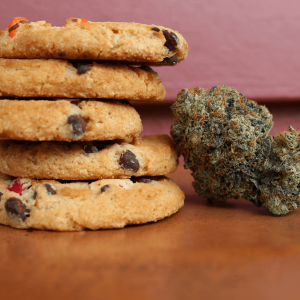
Cannabis edibles add another dimension to this conversation. When you consume sativa edibles, the THC is metabolized differently than when smoking cannabis, producing longer-lasting psychoactive effects. For many cannabis consumers, this prolonged high is paired with strong and extended food cravings. Even though marketed as uplifting and energizing, sativa edibles can definitely stimulate appetite for hours, depending on the dose.
Personal Factors That Influence Appetite Effects
It’s not just the strain that determines whether sativa makes you hungry. Many personal factors affect appetite stimulation, including:
- Tolerance level: Frequent cannabis consumers may feel less hunger stimulation over time.
- Metabolism: Affects how quickly cannabis is processed and how long effects last.
- Diet: What you’ve eaten before consuming sativa matters.
- Mindset: Expectations, stress levels, and mental clarity can influence how strongly hunger is perceived.
This variability explains why many cannabis users report different experiences with the same strain.
Tips for Managing the Munchies
For cannabis enthusiasts who enjoy sativa but want to avoid food cravings, here are some strategies:
- Stay hydrated — sometimes thirst feels like hunger.
- Prep healthy snacks in advance.
- Choose high THCV or high CBD strains if managing appetite is a priority.
- Keep busy with creative endeavors or physical activities to distract from cravings.
These tips can help regulate hunger and prevent overindulgence while still enjoying the potential benefits of cannabis consumption.

Conclusion
So, does sativa make you hungry? The answer is: it depends. Consuming sativa can definitely stimulate appetite — particularly THC-rich sativa strains — but the effect isn’t universal. Some sativa cannabis strains may actually suppress appetite, especially those higher in THCV or certain terpenes.
For cannabis consumers seeking appetite stimulation without the heavy sedative effects of indica strains, sativa can be a valuable option. For others, especially those managing appetite or avoiding weight gain, choosing specific strain profiles with appetite-suppressing properties may be the smarter move.
In the end, the appetite stimulating effects of cannabis are as varied as the cannabis strains themselves. Scientific research continues to explore how THC interacts with cannabinoid receptors in the endocannabinoid system to regulate appetite, and anecdotal evidence from many cannabis users confirms that sativa’s effect is far from one-size-fits-all. Whether you consume cannabis for medical cannabis purposes, recreational use, or cannabis education, understanding how different cannabis strains affect appetite gives you the power to make informed choices.
Frequently Asked Questions
1. Which makes you hungrier, sativa or indica?
Indica strains are generally more associated with strong munchies due to their relaxing, body-heavy effects. Sativas, while uplifting, can also spark appetite, but often in a lighter, less overwhelming way.
2. Can sativa suppress appetite?
Some people report that certain sativa strains, especially those high in THCV, can actually reduce hunger rather than increase it. However, this varies depending on the strain and your own body chemistry.
3. Which makes you hornier, sativa, or indica?
Both can boost libido, but in different ways. Sativas may enhance sensitivity and energy, while indicas tend to create a more sensual, body-focused experience. It really comes down to preference and personal response.
4. Does sativa give you less munchies?
Yes, sativas usually trigger milder munchies compared to indicas. While you might still feel snacky, the urge to raid the pantry often isn’t as strong as with heavier indica strains.
Jenna Renz

Jenna is a California-based creative copywriter who’s been lucky enough to have worked with a diverse range of clients before settling into the cannabis industry to explore her two greatest passions: writing and weed.