Rewards



When it comes to cannabis use, one of the first questions new and experienced cannabis enthusiasts alike face is: which type of strain should I choose? Understanding indica vs sativa vs hybrid is essential for maximizing your experience, whether you’re looking for relaxation, medicinal purposes, or a social boost. Each type of cannabis strain offers unique effects, influenced by its chemical makeup, cannabinoids, and cannabis terpenes. Knowing the differences between indica and sativa cannabis plants, as well as hybrids, allows you to select the best cannabis products for your needs.
In this guide, we’ll explore the origins, physical characteristics, psychoactive effects, and potential therapeutic benefits of indica strains, sativa strains, and hybrid strains, helping you navigate the sometimes-confusing world of cannabis taxonomy.
What is Indica?
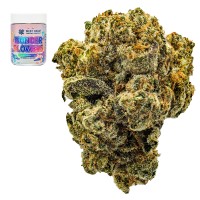




Cannabis indica is often associated with relaxing indica effects and a body high that can soothe tension, calm the mind, and promote couch lock. Native to southeast Asia, India, and the Hindu Kush region, indica plants are typically shorter and bushier than their sativa plant counterparts. They have broad leaves and produce more buds than sativa plants, making them well-suited for dry climates.
Indica strains are known for their calming effects, making them ideal for reducing anxiety, easing headache pain, or managing chronic pain. Certain terpenes, such as terpene myrcene, play a significant role in these effects, contributing to both the body high and sedative qualities. Common indica strains like Granddaddy Purple, Northern Lights, and Bubba Kush are popular among cannabis consumers seeking relaxation or medicinal purposes.
While higher doses may amplify sedative effects, indica strains are best enjoyed in the evening or during periods when you want to feel calm and unwind from daily stressors.
What is Sativa?
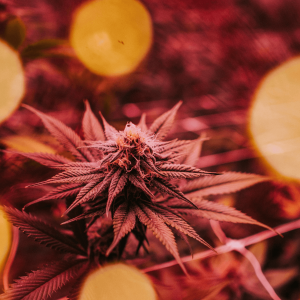
Cannabis sativa contrasts sharply with indica in both appearance and effects. Originating from southeast Asia, Central America, and humid equatorial regions, sativa plants are tall and thin, with narrow leaves and longer flowering cycles than indica plants. They thrive in humid climates and typically contain higher THC levels relative to CBD, though this can vary by specific strains.
Sativa strains are celebrated for their head high and psychoactive effects that promote mental stimulation, enhance creativity, and boosting energy. Sativa effects are ideal for daytime use, creative projects, or social gatherings. They can uplift mood, improve focus, and stimulate conversation. Popular sativa strains include Sour Diesel, Jack Herer, and Green Crack, which offer an energetic, cerebral experience.
Some strains are sativa dominant, combining the stimulating effects of sativa plants with the relaxation of indica plants. By understanding the key differences between indica vs sativa, users can tailor cannabis use to either social situations or therapeutic needs like neurological conditions or headache pain.
What is a Hybrid?
Hybrid strains are the result of crossbreeding indica and sativa plants, blending traits from both parent plants. They are designed to offer a balanced experience, combining unique effects like uplifting sativa effects with calming indica effects. Hybrids can be indica dominant, sativa dominant, or balanced, depending on genetics.
The rise of cannabis hybrids has been driven by cannabis systematics research, helping growers select specific strains for targeted psychoactive effects and medicinal purposes. For example, an indica dominant hybrid may help with chronic pain or reducing anxiety, while a sativa dominant hybrid could enhance creativity and social energy.
Because hybrids are influenced by different terpenes and other cannabinoids, the entourage effect plays a significant role in shaping the unique effects experienced by cannabis consumers. This versatility makes hybrids popular for both recreational enjoyment and medical conditions.
Indica vs Sativa: Key Differences
When comparing indica vs sativa, several key differences emerge that influence both plant growth and cannabis consumption experience:
Physical Traits:
- Indica plants: Short, bushy, broad leaves, more buds, suited for dry climates.
- Sativa plants: Tall, thin, narrow leaves, longer flowering cycles, thrive in humid climates.
Effects:
- Indica effects: Body high, calming effects, couch lock, aids in reducing anxiety and chronic pain, ideal for evening use.
- Sativa effects: Head high, mental stimulation, uplifting effects, energizing effects, supports creativity, focus, and social gatherings.
Chemical Makeup:
- Indica strains often contain higher levels of CBD and specific terpenes, like terpene myrcene, enhancing relaxation.
- Sativa strains tend to have more THC and different terpenes, promoting cerebral stimulation.
While strains labeled sativa or indica may vary depending on cannabis hybrids and regional cultivation, these differences provide a framework for cannabis enthusiasts to choose the best strain for medicinal purposes, daytime use, or relaxation.
Hybrid Strains: Bridging the Gap
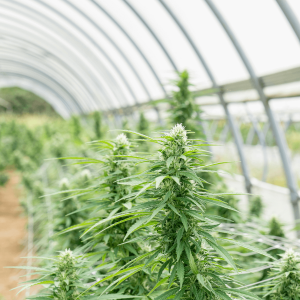
Hybrid strains merge the benefits of indica and sativa plants, creating a spectrum of unique effects. Cannabis hybrids allow cannabis consumers to target both therapeutic benefits and recreational enjoyment with a single cannabis strain.
Types of hybrids include:
- Indica dominant hybrids – Promote calming effects with mild mental stimulation, ideal for reducing anxiety or chronic pain.
- Sativa dominant hybrids – Offer energizing effects with moderate relaxation, suitable for daytime use or social gatherings.
- Balanced hybrids – Deliver a full spectrum experience, combining body high with head high for a harmonious effect.
The success of hybrids relies on cannabis systematics and careful selection of parent plants to preserve cannabinoids and cannabis terpenes that contribute to the entourage effect. This results in specific effects that can be tailored for medical conditions, neurological conditions, or recreational cannabis use, providing cannabis enthusiasts with a versatile option that neither pure indica plants nor sativa plants could achieve alone.
Effects and Benefits
Understanding indica vs sativa vs hybrid is essential because different strains produce distinct effects that can significantly influence cannabis consumption experiences.
Indica strains typically produce a body high with calming effects, helping users feel calm, unwind, or manage headache pain and chronic pain. These strains are perfect for evening use or medicinal purposes. Other indica strains can vary in chemical makeup, but the relaxing indica profile is consistent across most.
Sativa strains, on the other hand, provide a head high with mental stimulation, uplifting effects, and energizing effects. They can enhance creativity, support social gatherings, and improve mood for cannabis consumers seeking daytime enjoyment. Sativa dominant hybrids often retain these qualities while providing a touch of body relaxation.
Hybrid strains combine the benefits of both: they can deliver a balanced experience with specific effects, ranging from relaxing indica effects to stimulating sativa effects, often enhanced by cannabis terpenes and other cannabinoids that contribute to the entourage effect.
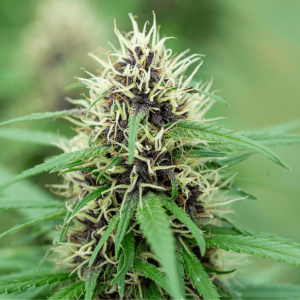
Choosing the Right Strain for You
Selecting the best cannabis strain depends on your goals, whether recreational or medicinal purposes. Consider:
- Daytime vs nighttime use: Choose sativa plants or sativa dominant hybrids for energy, and indica plants for relaxation.
- Desired effects: Need to feel calm, reduce headache pain, or manage chronic pain? Indica strains excel. Want mental stimulation or social energy? Opt for sativa strains.
- THC and CBD levels: Strains with more THC can be potent, while more CBD can reduce anxiety or produce gentler effects.
- Individual body chemistry: Everyone reacts differently, and higher doses of indica or sativa strains may amplify psychoactive effects.
For first-time cannabis consumers, starting with a low dose and exploring specific strains gradually is recommended. Consulting a qualified healthcare professional can also help users select cannabis products suited for medical conditions or neurological conditions.
Conclusion: Indica, Sativa, or Hybrid?
Understanding indica vs sativa vs hybrid is key to optimizing your cannabis use. Indica strains provide calming effects and a body high, making them ideal for evening relaxation and medicinal purposes. Sativa strains offer head highs, uplifting effects, and mental stimulation, perfect for daytime use or social gatherings. Hybrid strains combine the best of both, offering a balanced experience tailored to individual preferences and needs.
By considering THC content, cannabinoids, and cannabis terpenes, and understanding the unique effects of each strain, cannabis enthusiasts can choose the most appropriate cannabis products for recreational enjoyment or therapeutic benefits. Whether your goal is relaxing indica effects, energizing sativa effects, or a balanced hybrid experience, exploring different strains ensures that your cannabis consumption is safe, effective, and enjoyable. Ultimately, knowing the key differences among indica and sativa plants and hybrids allows for informed choices that maximize both pleasure and wellness.
Frequently Asked Questions
1. What is better, indica sativa or hybrid?
There’s no one-size-fits-all answer. Indica strains are ideal for relaxation, reducing anxiety, and managing chronic pain, while sativa strains are great for energizing effects, mental stimulation, and creative pursuits. Hybrid strains combine traits from both, offering a balanced experience that can be tailored to your needs. The best choice depends on your desired effects, time of use, and individual body chemistry.
2. Do you feel more high with sativa or indica?
The intensity of your high depends on THC content, chemical makeup, and your body’s response. Sativa strains often produce a cerebral, head-focused high, while indica strains typically deliver a body-focused, relaxing high. For some, sativa effects may feel more stimulating, and indica effects more sedating, but individual reactions vary.
3. Is hybrid a upper or downer?
It depends on the dominant genetics. Sativa-dominant hybrids lean toward uplifting and energizing effects, while indica-dominant hybrids provide calming, relaxing effects. Balanced hybrids may offer a mix, delivering both mental stimulation and body relaxation.
4. What type of high is hybrid?
Hybrid strains can produce a range of highs, depending on their parent plants and THC to CBD ratio. Some hybrids give a cerebral, creative boost, others offer soothing, relaxing effects, and many provide a balanced experience that engages both the mind and body, often enhanced by cannabis terpenes for a fuller entourage effect.
Jenna Renz

Jenna is a California-based creative copywriter who’s been lucky enough to have worked with a diverse range of clients before settling into the cannabis industry to explore her two greatest passions: writing and weed.