
What Is HXC?
Recommended Products


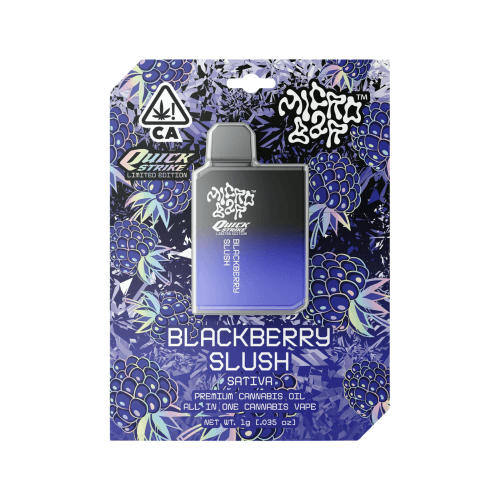

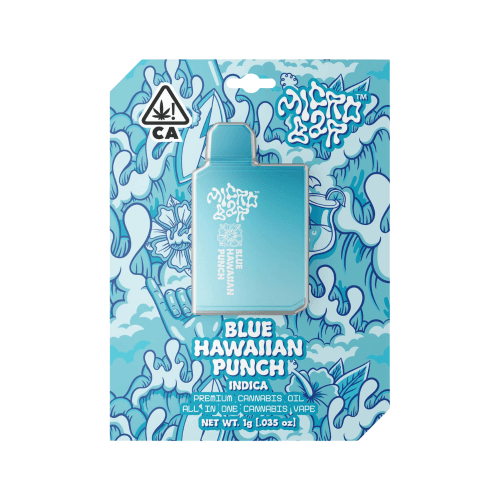
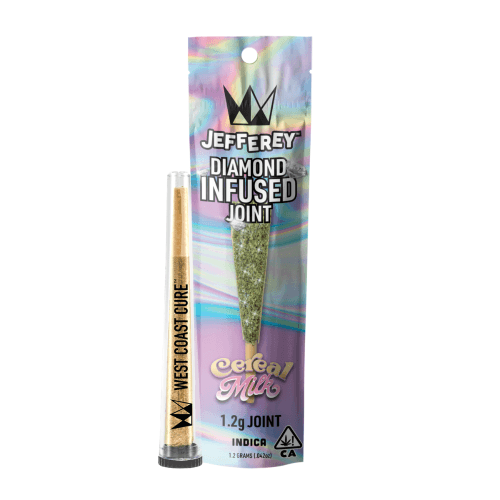
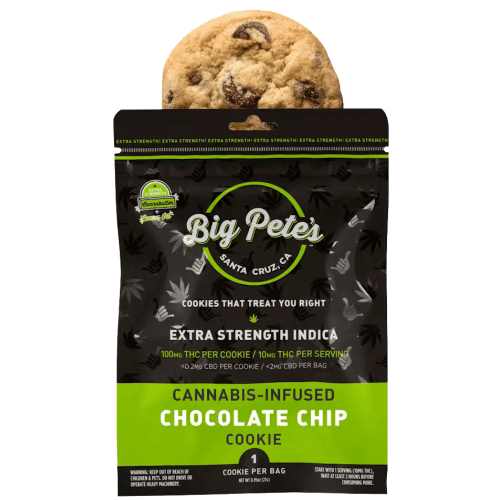

The cannabis industry is expanding rapidly, with new cannabinoids entering the scene that offer distinctive effects and potential benefits. One rising star among these compounds is HXC, a semi synthetic cannabinoid created through a hydrogenation process applied to THC extracted from the cannabis plant or legal hemp.
While THC remains the most well-known cannabinoid, HXC products are gaining traction for their unique combination of potency, stability, and milder psychoactive effects, appealing to both medical or recreational use consumers.
What Is HXC?
HXC is a hydrogenated form of tetrahydrocannabinol (THC) that has undergone a specific chemical modification to enhance its chemical structure and durability. This process involves adding hydrogen atoms to the THC molecule, changing its carbon tail and making it more resistant to breakdown within the human body compared to traditional THC.
Thanks to this alteration, HXC typically has a longer-lasting effect and improved product quality, allowing for more consistent experiences across various HXC products. It shares a similar molecular structure to other cannabinoids like HHC and delta 8 THC but exhibits different properties that may offer a balanced middle ground between intense intoxication and mild relaxation.
How Is HXC Produced?
HXC is synthesized primarily from THC extracted from either flowering buds of cannabis or hemp. The extracted THC is subjected to hydrogenation, a chemical reaction where hydrogen molecules are added to produce HXC, increasing its stability and potency.
In some cases, manufacturers may start with CBD (cannabidiol) from legal hemp and convert it into THC, which is then hydrogenated into HXC. This conversion process is key because HXC is not naturally abundant in the cannabis plant, requiring lab synthesis for commercial production.
How Does HXC Affect the Human Body?
Like most cannabinoids, HXC interacts with the body’s endocannabinoid system (ECS) by binding to cannabinoid receptors—namely CB1 and CB2—found throughout the nervous and immune systems. This interaction influences various physiological processes, including mood, pain perception, appetite, and sleep.
Research and early studies suggest that HXC binds to these receptors with a slightly altered affinity compared to traditional THC. This means it can produce intoxicating but less potent psychoactive effects and potentially fewer side effects like anxiety or paranoia.
Effects and Benefits of HXC
Consumers of HXC report several positive effects, including:
- Relaxation and Stress Relief: HXC offers a calming sensation, often described as gentler than typical THC products.
- Mild Euphoria: Users experience a subtle euphoria without the overwhelming high that can come from stronger THC.
- Pain Relief: Like many cannabinoids, HXC may help alleviate pain and inflammation, making it useful for therapeutic symptoms.
- Improved Appetite: HXC may stimulate hunger, beneficial for those needing appetite support.
- Better Sleep: Its soothing effects can aid in falling asleep and improving overall sleep quality.
These benefits make HXC an appealing option for those seeking the same effects as THC but with a smoother, more manageable experience.
How Does HXC Compare to THC and CBD?
THC is well known for its powerful psychoactive effects and is classified as a controlled substance in many regions. HXC offers a less intense, more manageable high, positioning itself as a middle ground between CBD (cannabidiol)—which is non-intoxicating and widely legalized—and THC.
Unlike CBD, which is primarily used for therapeutic purposes without causing intoxication, HXC provides intoxicating effects but with a less potent profile than delta 9 THC or delta 8 THC.
The Legal Status of HXC
HXC’s legal status is somewhat ambiguous. Because it is derived from legal hemp and contains less than 0.3% THC by dry weight, it generally falls under the protections of the 2018 Farm Bill in the United States. However, its semi-synthetic nature places it in a legal gray area, and various jurisdictions may regulate or restrict it differently.
Consumers should be mindful that higher doses of HXC could cause positive results on a drug test due to its THC origin. As with all emerging cannabinoids, staying informed about local laws and regulations is crucial.
Popularity and Market Trends
As more brands develop HXC products such as vapes, tinctures, and edibles, its popularity in the cannabis market continues to rise. Interest in other cannabinoids beyond traditional THC and CBD fuels demand for compounds like HXC, which offers a unique balance of effects.
Potential Risks and Safety
Like most cannabinoids, HXC carries some potential risks including dry mouth, dizziness, or mild anxiety at higher doses. Responsible use and purchasing from regulated sources ensure product quality and reduce risks of contaminants.
Conclusion: HXC’s Untapped Potential
HXC represents an exciting new frontier in the expanding cannabis ecosystem. Its hydrogenated form, stable chemical structure, and interaction with the body’s cannabinoid receptors give it the untapped potential to provide a reliable, balanced alternative to THC.
Though limited research currently exists, ongoing cannabinoid research and consumer interest suggest HXC will play an important role in the future of both medicinal and recreational cannabis use.