black and yellow banner image for what premium oil should mean blog

What Premium Oil Should Mean: A Simple Quality Checklist for Buyers

What premium oil should mean is not “more expensive,” “fancier box,” or “my friend said it’s fire.” It should mean you can verify what’s inside, how it was made, and whether the brand is being honest about it.

This article gives you a simple, consumer-first standard for judging “premium” oil, plus a label-reading checklist you can use in 30 seconds in a store (or while doom-scrolling menus online).

The hard truth: “Premium” is mostly marketing

In most markets, “premium” is not a regulated quality tier. It’s a vibe. A word. A suggestion whispered by glossy packaging and a price tag that wants your wallet to behave.

So your job is simple: replace vibes with verification.

Premium should mean:

  • Clean source material
  • Appropriate extraction method
  • Clear terpene policy
  • No sketchy additives
  • Safe, well-made hardware (if it’s a cart or disposable)
  • Transparent, item-specific COAs you can actually read

If a brand can’t prove these basics, it’s not premium. It’s just expensive.

The consumer-first “Premium Oil” standard (use this every time)

Think of premium oil like a chain. Every weak link weakens the whole product. Amazing terpenes won’t save dirty input material. Great oil won’t save a leaky, metal-shedding cart.

Here’s the checklist that matters, in order.

hand holding blue vape cart

1) Source material: premium starts before extraction

If the starting material is mediocre, the oil can only be so good. Premium oil should come from clean, well-grown, well-handled plant material.

What to look for (and what to ask)

  • Cultivation quality: indoor, outdoor, greenhouse can all be great. The important part is controls, cleanliness, and consistency.
  • Harvest and handling: fresh frozen vs cured flower matters depending on the product style.
  • Pesticide discipline: premium brands don’t play “maybe it’ll pass.” They build systems that avoid contamination in the first place.
  • Traceability: batch/lot numbers that map to specific harvests and COAs.

Red flags

  • “Proprietary blend” with no origin details
  • No batch number on the package
  • COA that looks generic, reused, or not tied to your exact item
  • Brands that talk only about effects and flavors, never about inputs

Premium means the brand is proud of the farm (or facility) behind it. If they won’t name anything, assume they’re hiding something.

2) Extraction method: match the method to the product

Extraction is not automatically “bad” or “good.” It’s a tool. Premium oil means the tool was used correctly and the product is labeled accurately.

Common extraction styles (in plain English)

Solventless (ice water hash rosin)

  • Often viewed as the “top shelf” standard because it avoids hydrocarbon solvents.
  • Still requires skill and clean processing.
  • Premium indicators: made from quality hash, stored properly, and not oxidized.

Hydrocarbon (butane/propane, “BHO”)

  • Can be extremely high quality when done professionally.
  • Should be purged properly and tested for residual solvents.
  • Premium indicators: clear labeling, full panel COA, and consistent terp profile.

CO₂ extraction

  • Often produces a cleaner, less “gassy” profile, but quality varies widely.
  • Some CO₂ oils are thin, flat, or require more formulation to taste good.
  • Premium indicators: strong lab transparency and no weird thinning agents.

Distillate

  • High THC, often lighter on natural character.
  • Frequently paired with added terpenes for flavor.
  • Premium distillate exists, but the bar is higher because it’s easy to hide mediocre inputs behind refinement.

Red flags

  • No extraction method listed anywhere
  • “Premium extract” with no specifics (that’s not a method, that’s a compliment)
  • No residual solvent testing shown for hydrocarbon extracts
  • Distillate marketed like it’s live resin, but the label avoids direct language

Premium means accuracy. If the marketing and the label don’t match, trust the label. If the label is vague, don’t trust the marketing.

3) Terpene policy: where the flavor comes from (and why it matters)

Terpenes influence aroma and taste, and they may contribute to perceived effects for some users. But terpenes are also where brands get… creative.

Premium oil should have a terpene policy that answers one question clearly:

Are the terpenes cannabis-derived, botanically derived, or a blend?

The three terp “types” you’ll see

Cannabis-derived terpenes (CDT)

  • Extracted from cannabis.
  • Often closer to strain-authentic aroma.
  • Usually pricier.

Botanically derived terpenes (BDT)

  • Derived from non-cannabis plants (like citrus peels, pine, herbs).
  • Can taste great, but may taste “candy-like” or one-note.
  • Not automatically bad, but should be disclosed.

Reintroduced terpenes

  • Terpenes added back into distillate or refined oil.
  • Can be CDT or BDT.
  • Premium means the brand tells you which.

What “premium” should mean here

  • Disclosure: CDT vs BDT should not be a scavenger hunt.
  • Restraint: terp percentages that aren’t absurdly high just to punch you in the nose.
  • Consistency: the COA should match what you smell and taste.

Moreover, it’s essential for brands to conduct thorough terpene solvent testing to ensure quality and safety in their products.

Red flags

  • “Natural flavors” with no terp disclosure
  • Terpene blend with no source stated
  • Flavor names that don’t correspond to real terp profiles, and no lab data to back it up

Premium brands don’t hide terps behind vague phrasing. They tell you what they used and why.

gold oil droplets

4) Additives: premium oil should not need mystery ingredients

This is where “premium” often goes to die.

Oil should not require a chemistry experiment to be usable. If something is added, you should know what it is, and it should be there for a good reason.

Additives you might see (and why buyers get nervous)

  • Thinning agents used to adjust viscosity in cartridges
  • “Flavor boosters” not clearly identified as terpenes
  • Unspecified “proprietary blends” that somehow can’t be disclosed but can be inhaled (convenient)

The consumer-first rule

If it’s inhalable, it should be identifiable.

Premium means:

  • Ingredient list is clear (where required) and not written like a riddle
  • No suspicious additives used to force thick oil into cheap hardware
  • No “we can’t tell you” energy

Red flags

  • The oil is unusually runny or separates
  • Strong perfume taste that doesn’t resemble cannabis or botanicals
  • Harshness that feels chemical rather than terp-spicy
  • The brand refuses to share formulation details

Premium oil should be simple. Cannabis extract plus terpenes (clearly sourced) is usually enough.

5) Hardware quality (carts and disposables): don’t ignore the delivery system

You can buy incredible oil and ruin it with terrible hardware. Or worse, inhale stuff you didn’t sign up for.

If you’re buying cartridges or disposables, premium must include hardware standards.

What premium hardware should mean

  • Materials you can trust: quality metals, clean ceramics, no mystery alloys
  • No leaks, no clogs: consistent airflow and wicking
  • Heat control that makes sense: not scorching the oil into sadness
  • Manufacturer transparency: the brand can state what hardware they use and why

What to look for on packaging or product pages

  • Cartridge type (510 vs proprietary)
  • Ceramic coil (common premium preference), or other clearly stated heating element
  • Fill volume and oil type (live resin, rosin, distillate with terps, etc.)
  • Batch number that ties the oil to a COA

Red flags

  • A cart that tastes burnt quickly (often heat, wicking, or voltage mismatch)
  • Constant clogging or spitting
  • A disposable with no brand info beyond a logo and a flavor name
  • No mention of hardware materials, ever

Premium means the brand obsesses about the device because the device is part of the product. If they act like hardware is an afterthought, believe them.

6) COA transparency: premium oil comes with receipts

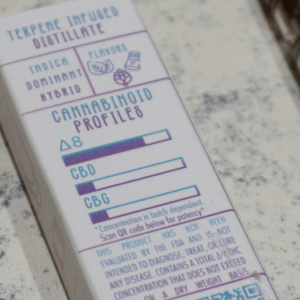
A COA (Certificate of Analysis) is the lab report. It is not a decorative PDF. Premium oil means the COA is:

  • Easy to access (QR code that works)
  • Specific to your batch/lot
  • Recent enough to matter
  • Full-panel (not cherry-picked)
  • From a credible, licensed lab (where applicable)

In addition to this, it’s crucial to understand the importance of COA transparency in ensuring the quality of cannabis products.

What a premium COA should include

At minimum, look for:

  • Cannabinoid potency (THC, CBD, minor cannabinoids)
  • Terpene analysis (especially if marketed as flavorful or strain-specific)
  • Residual solvents (for hydrocarbon and some other extracts)
  • Pesticides
  • Heavy metals
  • Microbials (mold, yeast, bacteria)
  • Mycotoxins (in many testing regimes)
  • Foreign matter where relevant

Premium doesn’t mean “it passed.” It means you can see what was tested and how.

COA red flags you should treat like a stop sign

  • QR code leads to a homepage, not a report
  • COA has no batch/lot number matching your product
  • The report is cropped, incomplete, or missing pages
  • Only potency is shown, nothing else
  • The lab name is missing, unclear, or not verifiable
  • Dates don’t make sense (tested years ago, or before the stated production)

If a brand can’t provide a real COA for the exact product you’re holding, it’s not premium. It’s a trust fall with no spotter.

person in white t-shirt holding up cannabis dropper

The label-reading checklist (use this in the real world)

You don’t need a microscope. You need a system.

Use this quick checklist every time you evaluate oil.

Step 1: Identify what it actually is

Look for clear language like:

  • Live rosin
  • Live resin
  • Hydrocarbon extract
  • CO₂ oil
  • Distillate + terpenes

If it’s vague, assume it’s not premium.

Step 2: Find the batch/lot number and test info

  • Batch/lot number present: yes/no
  • Testing lab listed: yes/no
  • QR code works and opens the COA: yes/no

No batch number or no working COA link means “no deal.”

Step 3: Scan for terpene disclosure

  • CDT, BDT, or blend stated?
  • Terpene percentage listed anywhere?
  • Strain name backed by terp data on the COA?

If the flavor is the main selling point, terp transparency should be effortless.

Step 4: Check for additives or vague ingredients

Look for phrases like:

  • “Natural flavors”
  • “Proprietary blend”
  • “Flavoring agents”
  • Anything not clearly identified

Premium avoids mystery ingredients.

Step 5: If it’s a cart/disposable, check hardware hints

  • 510 cartridge or proprietary?
  • Ceramic coil mentioned?
  • Voltage guidance provided?
  • Any hardware certifications or manufacturer info?

If nothing is stated, proceed like it’s budget hardware until proven otherwise.

Step 6: Sanity-check the marketing

  • Does “live” mean live resin/rosin, or is it just a word?
  • Does “full spectrum” actually correspond to a terp and minor cannabinoid profile?
  • Does “solventless” match the extraction claim?

If the front label screams poetry and the back label whispers nothing, that’s a clue.

A simple scoring rule: the “Premium or Pretending?” test

Ask these five questions:

  • Can I verify the source material or at least trace the batch?
  • Is the extraction method clearly stated and appropriate?
  • Are terpenes disclosed (CDT vs BDT) and supported by the COA?
  • Are additives either absent or clearly listed and reasonable?
  • For carts, is the hardware quality addressed and not ignored?

If you can’t get clean answers to at least four, it’s not premium. It’s pretending.

white terpene and cannabinoid packaging

What “premium oil” should feel like in practice

Premium isn’t just paperwork. It shows up in your experience.

You should notice:

  • Flavor that tastes intentional, not perfumed
  • Effects that feel consistent across the same product batches
  • Smoothness that comes from clean oil and sane terp levels, not from being underpowered
  • A cartridge that doesn’t punish you with clogs, leaks, or burnt hits
  • A brand that acts like transparency is normal (because it is)

Premium is boring in the best way. Predictable. Verifiable. Consistent.

Common “premium” myths (that cost buyers money)

Myth 1: “Higher THC means better quality”

High THC can be fine. It can also be a one-note product made from mediocre inputs. Premium quality is broader than a potency number.

Myth 2: “Fancy packaging means premium”

Packaging means the brand owns a printer and has opinions about holograms.

Myth 3: “If it’s expensive, it’s premium”

Sometimes. Not always. Price is a clue, not proof.

Myth 4: “If it tastes fruity, it’s high quality”

Fruity could be CDT, BDT, or something vague labeled “natural flavors.” Flavor is not inherently premium. Transparency is.

Myth 5: “COA exists, therefore it’s safe”

A COA only helps if it’s real, batch-matched, complete, and readable. A random PDF proves nothing.

Build your own standard and stick to it

Here’s the big idea: you don’t need to memorize everything. You need to enforce a baseline.

Do this:

Walk away. Walk away again. Repetition works. Your lungs and wallet will thank you.

FAQ: What Premium Oil Should Mean

1. What does “premium oil” mean?

Premium oil should mean verified quality, not just higher price. It should be traceable to clean source material, made with a clearly stated extraction method, have a clear terpene and additive policy, use safe hardware (for carts), and include transparent, batch-specific COAs.

2. Is solventless always better than solvent-based extracts?

Not automatically. Solventless can be excellent, but so can hydrocarbon extracts when produced and purged correctly and supported by full-panel lab testing. Premium is about process control and transparency, not just the method name.

3. What’s the difference between live resin and distillate?

Live resin is typically made from fresh frozen cannabis to preserve terpenes and a more complex profile. Distillate is a highly refined cannabinoid product that often needs terpenes reintroduced for flavor. Both can be good, but premium distillate must be especially transparent about terp sources and additives.

4. Should premium oil always include terpene test results?

If the product is marketed for flavor, strain identity, or “full spectrum” effects, terpene results should be available and easy to access. A premium brand won’t make you guess what’s creating the taste.

5. What additives should I avoid in oil cartridges?

Avoid anything not clearly identified, especially vague “natural flavors,” “proprietary blends,” or thinning agents that aren’t transparently disclosed. Premium oil should be simple and clearly labeled.

6. How do I know if a COA is legit?

A legit COA should match your product’s batch/lot number, come from a credible lab, include dates that make sense, and show more than potency alone. QR codes should link directly to the report, not a brand homepage.

7. Why does hardware quality matter if the oil is good?

Because the device determines what you inhale and how the oil is heated. Poor hardware can cause clogs, leaks, burnt hits, and potentially introduce contaminants. Premium oil in cheap hardware is like serving fine dining on a dirty plate.

8. Can botanically derived terpenes still be “premium”?

They can be, if the brand discloses them clearly, uses reasonable terp levels, and provides lab data to support the formulation. The problem is not BDT itself. The problem is hiding what’s in the product.

9. What’s the fastest way to screen a product in-store?

Use the label-reading checklist: confirm what it is, find the batch number, scan the QR for a batch-matched COA, check terp disclosure, and watch for vague additives. If any of those are missing, move on.

Jenna is a California-based creative copywriter who’s been lucky enough to have worked with a diverse range of clients before settling into the cannabis industry to explore her two greatest passions: writing and weed.