Rewards



So you’re curious about what being high really feels like? Smart move doing your homework first. This beginner’s guide to being high cuts through the haze (pun absolutely intended) to give you the straight goods on the cannabis high experience—no mystical nonsense, no scare tactics, just honest talk about how does weed make you feel.
Here’s the deal: walking into your first cannabis experience blind is like jumping into a pool without checking if there’s water. You could be fine, but why risk the belly flop? Understanding what to expect—the physical sensations, mental shifts, timing, and yes, even the weird stuff—transforms a potentially anxiety-inducing mystery into a manageable, even enjoyable experience.
This guide breaks down everything from the stages of getting high to why your friend’s edible experience differs wildly from smoking. We’ll cover what actually happens in your body, how different products create different vibes, and most importantly, how to keep things comfortable and safe. No judgment, no gatekeeping—just the real talk you need before taking that first hit or bite.
Understanding What Being High Means


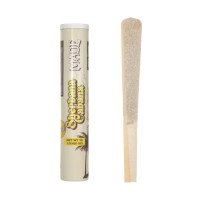
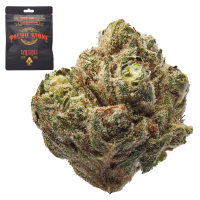
What does being high feel like? At its core, being high is your brain’s response to THC (tetrahydrocannabinol), the primary psychoactive compound in cannabis. Think of it as your brain temporarily switching to a different operating system—familiar, yet distinctly altered.
When you consume cannabis, THC hijacks your body’s endocannabinoid system by binding to CB1 receptors scattered throughout your brain and nervous system. These receptors normally regulate mood, memory, appetite, and pain perception. THC crashes this party like an uninvited guest who happens to fit perfectly through the door. The result? A cascade of neurotransmitter changes that create weed high sensations ranging from pleasant to occasionally overwhelming.

Cannabis effects
Cannabis effects manifest in both your mind and body:
Mental sensations:
- Euphoria or elevated mood
- Time distortion (minutes feel like hours)
- Enhanced sensory perception
- Giggly, sometimes uncontrollable laughter
- Altered thought patterns and creativity
Physical sensations:
- Relaxed, heavy limbs
- Dry mouth (the infamous “cottonmouth”)
- Red, slightly droopy eyes
- Increased heart rate
- Ravenous hunger (hello, munchies)
What does a weed high feel like varies wildly between individuals, but most describe it as a warm, floating sensation paired with mental looseness—like your thoughts are bouncing around a padded room instead of marching in straight lines.
The Stages of a Cannabis High
Every cannabis high follows a predictable pattern, although the intensity and duration vary greatly depending on how you consume it. It’s similar to a rollercoaster ride—there’s the ascent, the thrilling drop, and the gentle return to the starting point.
1. The Onset
This is your initial experience with THC’s effects. Your body starts signaling changes: maybe a subtle warmth spreading through your limbs, a slight shift in how sounds feel, or an unexpected giggle bubbling up.
- When smoking or vaping, this stage hits within 2-10 minutes.
- With edibles, you can expect to wait 30 minutes to 2 hours before feeling anything (and you might be left wondering if you actually ate enough—spoiler alert: you probably did).
2. The Peak
This is where things get intense. This is the highest point—the most powerful sensations, the deepest relaxation, or the wildest creative thoughts.
Your senses become more acute, time feels distorted, and that couch suddenly becomes really comfortable.
When smoking, you’ll reach this peak around 20-30 minutes after onset and it will last for 1-2 hours. If you’ve consumed edibles, expect to hit your peak 2-4 hours after eating them and maintain that intensity for several hours.
3. The Comedown
Gradually, you’ll start coming down from that high. The intense sensations will fade away, your thoughts will become clearer, and your perception will return to normal.
You might feel pleasantly relaxed or slightly tired during this stage. For inhalation methods like smoking or vaping, this comedown can last anywhere from 1-3 hours. Edibles tend to have a longer duration, keeping you relaxed for a total of 4-8 hours.

Physical and Mental Sensations While High
What Being High Really Feels Like starts with your body. The physical sensations of being high typically announce themselves first—a gentle warmth spreading through your limbs, a pleasant heaviness that makes your couch feel like a cloud. Your mouth transforms into the Sahara Desert (hello, cottonmouth), and suddenly that bag of chips becomes the most important thing in your universe.
The Body Buzz: What You Might Experience
The body buzz includes:
- Tingling or floating sensations in your extremities
- Relaxed muscles that feel like melted butter
- Heightened sensitivity to touch and temperature
- The infamous munchies that make everything taste like a five-star meal
However, it’s worth noting that these sensations can vary greatly depending on the strain and individual tolerance. For some, the heaviness may feel uncomfortable or be accompanied by anxiety, leading to a more challenging experience.
Mental Effects: How Cannabis Can Alter Your Mindset
The mental effects of cannabis paint an entirely different picture. Your brain shifts gears—thoughts might flow like honey, slow and sweet, or race like caffeinated squirrels depending on the strain. Time becomes elastic; five minutes can feel like an hour, and an hour can vanish in what seems like seconds. Colors appear more vibrant, music sounds deeper, and that mediocre comedy show suddenly becomes comedy gold.
Common Cognitive Changes When High
Cognitive changes when high often manifest as:
- Euphoria and giggles that bubble up from nowhere
- Creative connections between seemingly unrelated ideas
- Reduced coordination (stairs become your nemesis)
- Short-term memory hiccups—wait, what were we talking about?
Your perception shifts like looking through a kaleidoscope. Everyday objects become fascinating, conversations take unexpected philosophical turns, and introspection deepens.
It’s also interesting to note how certain medications used in cancer treatments, such as oxaliplatin, can induce some similar physical sensations due to their side effects.
Different Types of Cannabis Highs
Not all cannabis experiences feel the same—the types of highs you encounter depend heavily on what you’re consuming.
Indica Strains: The Ultimate Relaxation
Indica strains deliver that classic couch-lock sensation. Think deep body relaxation, heavy limbs, and an overwhelming desire to melt into your furniture. These strains work wonders for evening use when you’re ready to unwind, watch a movie, or drift off to sleep. The sedative effects make indicas the go-to choice for physical tension and restlessness.
Sativa Strains: Energizing and Creative
Sativa strains flip the script entirely. These varieties spark energy, creativity, and mental stimulation. You might find yourself chattering away with friends, tackling artistic projects, or noticing fascinating details in everyday objects. Sativas tend to keep you alert and engaged rather than sedated—perfect for daytime adventures or social gatherings.
Hybrid Strains: Customized Experiences
Hybrid strains blend both worlds, offering customized experiences that range from balanced 50/50 splits to indica-dominant or sativa-dominant varieties. A hybrid might give you the creative buzz of a sativa with just enough body relaxation to keep you comfortable.
THC vs CBD: The Game Changer
The THC vs CBD content dramatically shifts your experience too. High-THC strains intensify psychoactive effects—stronger euphoria, more pronounced sensory changes, and greater impairment. CBD-rich strains or balanced THC:CBD ratios produce gentler, clearer-headed highs with reduced anxiety and paranoia. Some high-CBD products barely feel intoxicating at all, offering relaxation without the mental fog.
How Consumption Methods Influence the High
The way you consume cannabis dramatically reshapes your entire experience—think of it as choosing between a sprint and a marathon.
Smoking and Vaping
Smoking and vaping cannabis deliver THC directly into your bloodstream through your lungs. You’ll feel the effects within 2-10 minutes, making these methods perfect for beginners who want immediate feedback on their dosage. The high typically peaks around 30 minutes and tapers off within 2-3 hours. Vaping tends to produce a cleaner, slightly more controlled sensation compared to smoking’s heavier body feel.
Edibles
Edibles play an entirely different game. After ingestion, THC travels through your digestive system and liver, converting into 11-hydroxy-THC—a more potent compound that crosses the blood-brain barrier more efficiently. This process takes 30 minutes to 2 hours (sometimes longer on a full stomach), but the payoff lasts 4-8 hours or more. The intensity often catches newcomers off guard because there’s no “preview”—by the time you feel it, you’re already committed to the ride.
Beginner-friendly approach
- Start with smoking or vaping for your first few experiences. The quick onset time cannabis methods provide lets you gauge your tolerance without the anxiety of waiting.
- Save edibles for when you understand your baseline response.
- Remember: you can always consume more, but you can’t un-consume what you’ve already taken.
- The duration cannabis effects varies wildly, so plan your day accordingly.

Dosage and Individual Factors Affecting the Experience
Cannabis dosage effects operate on a deceptively simple principle: more THC equals stronger effects. A 5mg edible might produce gentle relaxation, while 50mg could launch you into an overwhelming experience complete with anxiety and paranoia. The difference between “pleasantly buzzed” and “uncomfortably high” often comes down to just a few milligrams.
Individual differences cannabis high experiences stem from multiple factors working simultaneously:
- Body chemistry: Your endocannabinoid system’s unique configuration determines how efficiently you process THC. Some people possess more CB1 receptors or metabolize cannabinoids faster, creating wildly different responses to identical doses.
- Personality traits: Anxious individuals may experience heightened paranoia, while naturally creative types might find their imagination supercharged. Your baseline mental state shapes the journey.
- Environmental context: A cozy living room with trusted friends produces different effects than an unfamiliar setting with strangers. Set and setting aren’t just hippie concepts—they’re neurological realities.
Tolerance to THC develops through repeated exposure as your brain downregulates CB1 receptors. First-time users might feel profoundly high from a single puff, while daily consumers need substantially more to achieve similar effects. This adaptation happens gradually, often without conscious awareness. Taking tolerance breaks (T-breaks) of 1-2 weeks can reset your sensitivity, making What Being High Really Feels Like feel fresh again without constantly increasing dosage.
Signs That You’re High
Spotting the signs you’re high isn’t rocket science—your body and mind broadcast some pretty obvious signals. The classic giveaway? Those telltale bloodshot eyes that scream “I just smoked” louder than any confession. Cannabis dilates blood vessels, turning your peepers into little red beacons. Pair that with uncontrollable giggling at things that aren’t remotely funny (your friend’s sneeze suddenly becomes comedy gold), and you’ve got the common indicators cannabis intoxication starter pack.
Physical coordination takes a vacation too. You might notice:
- Speech patterns becoming slower or slightly slurred
- Walking feeling like you’re navigating a funhouse floor
- Fine motor skills turning clumsy (good luck threading that needle)
- Cotton mouth that makes you feel like you’ve been chewing sandpaper
The signs you’re high extend beyond what others can observe. Internally, your sensory experience shifts dramatically. Music doesn’t just sound good—it feels like it’s wrapping around your brain. Colors appear more vibrant, almost neon. Food transforms into a religious experience (that’s your heightened taste and smell receptors talking). Time perception warps bizarrely; five minutes can stretch into what feels like an hour-long journey through molasses.
Your mood typically lifts into euphoric territory, though some people experience introspective contemplation instead. Body sensations intensify—you might become hyper-aware of your heartbeat or feel a pleasant tingling across your skin.
Interestingly, these signs can also manifest when under the influence of other substances such as MDMA or Ecstasy, which similarly alter sensory perceptions and mood states. For more information on the effects of such substances, you might want to explore this resource on MDMA and Ecstasy.
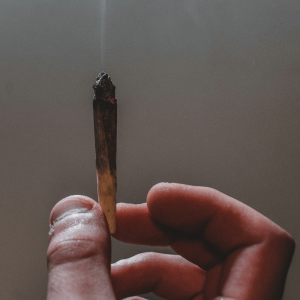
First Time Getting High: What Beginners Should Expect
Your first time getting high experience will likely start with a mix of emotions—excitement, curiosity, maybe a bit of “what have I gotten myself into?” This feeling of nervousness before getting high is completely normal, even if you’re someone who goes skydiving on weekends.
Before the effects kick in, expect:
- Racing thoughts about when you’ll feel something
- Being overly aware of every little sensation in your body
- The urge to ask “Am I high yet?” approximately seventeen times
During your first cannabis use
The sensations you feel during your first time using cannabis will often be stronger than in future sessions. This is because your brain hasn’t learned how to process these new signals yet, so everything feels more intense. Many beginners report feeling like they’re watching themselves from slightly outside their body—weird, but not scary if you’re prepared for it.
The golden rule for managing first cannabis use: start ridiculously low.
Take one puff and wait a full 15 minutes. With edibles? Start with 2.5mg THC and wait two hours before even thinking about more. Yes, you’ll feel impatient. No, you shouldn’t rush it.
Set yourself up in a comfortable space with trusted people, snacks within arm’s reach, and no responsibilities for the next few hours. Your first time getting high isn’t the moment to meet your partner’s parents or try to put together IKEA furniture. Keep your expectations flexible—some people feel strong effects right away, while others notice subtle changes that gradually build up.
Safety Tips and Handling an Intense High
Start with a ridiculously small amount. Seriously—less than you think you need. For edibles, 2.5-5mg THC is plenty for your first rodeo. For smoking or vaping, one or two small puffs will do the trick. You can always add more in 15-30 minutes if you’re underwhelmed, but you can’t un-high yourself once you’ve overshot the runway.
Create your safety net before liftoff. Stock up on water (cotton mouth is real), grab some snacks, queue up your favorite comfort show, and plant yourself somewhere cozy where you won’t need to interact with your landlord or attend a surprise Zoom meeting. Your environment shapes what being high really feels like—a calm space equals a calm high.
If anxiety crashes your party, try these moves:
- Breathe slowly and deliberately—four counts in, hold for four, four counts out
- Sniff or chew black peppercorns (sounds bonkers, but the terpenes actually help counteract THC-induced anxiety)
- Remind yourself this is temporary—you’re not broken, you’re just high, and it will pass
- Take a cold shower or splash your face with ice water to reset your nervous system
- Call a trusted friend who knows you’re experimenting and can talk you down
Seek actual medical help if you experience: chest pain, difficulty breathing, severe vomiting that won’t stop, or complete disconnection from reality lasting more than a few hours. These situations are rare but shouldn’t be white-knuckled through alone.
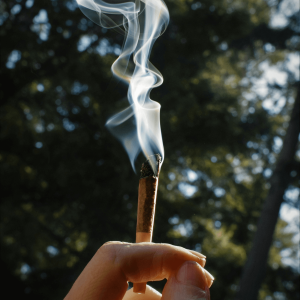
Conclusion
Understanding your high is a deeply personal journey—no two people experience cannabis identically. Your body chemistry, mindset, environment, and the specific product you choose all conspire to create your unique experience. What being high really feels like for you might differ wildly from your best friend’s description, and that’s completely normal.
Approach cannabis with curiosity rather than rigid expectations. Start with those baby doses we talked about, pay attention to how your body responds, and give yourself permission to take it slow. There’s zero rush to become a seasoned consumer overnight.
The summary cannabis experience beginners should take away? Respect the plant, respect your limits, and respect the fact that this is your experience to navigate. Create the right setting, surround yourself with trusted people, and remember that every high is temporary—even the uncomfortable ones.
Cannabis can offer relaxation, creativity, laughter, and connection when approached mindfully. Stay curious, stay safe, and most importantly, stay honest with yourself about what feels good and what doesn’t. Your relationship with cannabis is yours alone to define.
FAQs (Frequently Asked Questions)
1. What does being high from cannabis really feel like?
Being high from cannabis involves a range of mental and physical sensations caused by THC interacting with CB1 receptors in the brain. Common effects include euphoria, relaxation, altered perception of time and space, increased appetite, warmth, and sometimes impaired coordination or memory.
2. How do different types of cannabis strains affect the high?
Indica strains typically produce more relaxing and sedative effects, while sativa strains tend to be more energetic and creativity-boosting. Hybrid strains blend these characteristics. The THC and CBD content also influence the intensity and type of high experienced.
3. What are the main stages of a cannabis high?
A cannabis high generally progresses through three stages: onset (initial effects), peak (intense sensations), and comedown (return to baseline). The timeline and intensity vary depending on consumption method, such as smoking or edibles.
4. How do consumption methods influence the cannabis experience?
Smoking or vaping cannabis leads to a fast onset with shorter duration highs, while edibles have delayed onset but longer-lasting effects. The method chosen affects both the intensity and quality of the high, so beginners should consider their preferences carefully.
5. What factors affect how intensely someone feels high from cannabis?
Dosage size greatly impacts intensity and potential side effects. Individual factors like body chemistry, personality, environment, and tolerance levels also play significant roles in shaping the cannabis experience.
6. What safety tips should beginners follow when trying cannabis for the first time?
Beginners should start with low doses and go slow to avoid unpleasant effects. Staying hydrated, being in a comfortable environment, pacing consumption, and having strategies to manage anxiety or paranoia are important. Seeking help is advised if feeling overwhelmed.
Jenna Renz

Jenna is a California-based creative copywriter who’s been lucky enough to have worked with a diverse range of clients before settling into the cannabis industry to explore her two greatest passions: writing and weed.