Rewards


As weed vaping continues to rise in popularity, especially among recreational cannabis users and those using medical cannabis, questions about its potential impact on heart health have become increasingly important. While cannabis is often praised for its therapeutic benefits, including chronic pain relief and stress reduction, there’s a growing body of scientific research suggesting that certain consumption methods, particularly vaping cannabis or using high-potency cannabis products, may trigger weed vape heart palpitations in some users.
Heart palpitations—those sudden, noticeable changes in heart rhythm—can range from harmless fluttering to concerning racing heart episodes. Understanding the complex relationship between cannabis use, cardiovascular effects, and heart function is crucial for both new and experienced cannabis consumers. This article delves into the physiology, risk factors, potential adverse effects, and safety considerations surrounding weed vape heart palpitations, while also exploring ways to enjoy safe cannabis responsibly.
What Are Heart Palpitations?


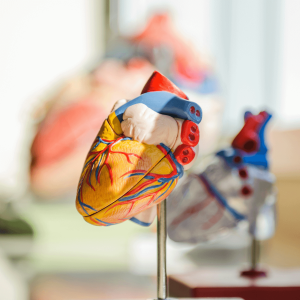
Heart palpitations are sensations of a racing heart, irregular heartbeat, or fluttering in the chest. Many cannabis users describe them as a sudden spike in heart rate or a skipped beat. While often benign, palpitations can occasionally signal heart rhythm disturbances or underlying cardiovascular disease.
Palpitations may feel like:
- A pounding heart or racing heart
- Skipped beats or pauses
- Fluttering in the chest or throat
- A sudden surge in heart rate and blood pressure
For most healthy adults, palpitations are temporary and within the normal range, but individuals with pre existing heart conditions, a family history of heart disease, or older adults may face a higher risk. In severe cases, palpitations can coincide with chest pain, shortness of breath, or even life-threatening events like myocardial infarction or acute coronary syndrome, warranting immediate medical help.
How Weed Vaping Works
Vaping cannabis involves heating cannabis concentrates, flower, or oil to release cannabinoids like THC and CBD without combustion. Unlike smoking marijuana, which generates carbon monoxide and other toxic byproducts, vaping cannabis provides a cleaner inhalation method, potentially reducing the negative impact on blood vessels and overall cardiovascular health.
However, vaping delivers cannabinoids directly into the bloodstream via the lungs, producing a faster onset of effects than cannabis edibles. This rapid absorption can increase the rate and blood pressure, potentially triggering heart palpitations, especially at higher doses. Consumption methods, including vaping, smoking, or edibles, influence how cannabinoids affect the sympathetic nervous system, which controls the body’s heart rate and blood flow, contributing to cardiovascular responses.
How Cannabis Affects the Heart
Cannabis use activates the sympathetic nervous system, which can increase heart rate, elevate blood pressure, and alter cardiac output. THC, the psychoactive component in cannabis, is primarily responsible for these cardiovascular effects. Studies show that increased heart rate can occur within minutes of cannabis consumption, particularly with vaping cannabis or marijuana use at higher doses.
CBD, on the other hand, is generally associated with peripheral vasodilation and may help reduce blood pressure and heart rate in some cases. The interaction between THC and CBD, along with other cannabinoids and terpenes in cannabis products, contributes to the complex relationship between cannabis consumption and heart health.
Scientific research indicates that cannabis use can:
- Increase heart rate by 20–50%
- Affect electrical signals in the heart, leading to heart rhythm disturbances
- Cause temporary changes in cardiac output and blood flow
- Potentially exacerbate pre existing heart conditions, including cardiac arrhythmias and atrial fibrillation
Causes of Heart Palpitations from Weed Vapes
Several factors can contribute to weed vape heart palpitations:
- High THC Concentration: Stronger cannabis products increase the likelihood of increased heart rate and heart rhythm disturbances.
- Rapid Absorption: Vaping delivers THC faster than other consumption methods, producing acute cardiovascular effects.
- Preexisting Heart Conditions: Individuals with high blood pressure, coronary artery disease, or a history of cardiovascular disease are at increased risk.
- Anxiety or Panic Reactions: THC can exacerbate stress, leading to racing heart episodes.
- Contaminants: Poor-quality vape cartridges may contain metals or solvents, which can contribute to adverse cardiovascular effects.
The interplay between these factors underscores the complex relationship between cannabis use and cardiovascular health, highlighting the need for more research and careful monitoring.
Symptoms to Watch For
Recognizing early signs of palpitations is essential for heart health and safety. Common symptoms include:
- Fluttering or irregular heartbeat (irregular heartbeat)
- A sudden spike in heart rate (racing heart)
- Chest pain or discomfort
- Shortness of breath or dizziness
- Anxiety, panic, or adverse effects on general well-being
Seek medical help if palpitations are accompanied by severe chest pain, fainting, or other symptoms suggestive of heart attack, acute coronary syndrome, or myocardial infarction.

Who Is at Risk?
Not everyone experiences palpitations from cannabis, but certain groups are more vulnerable:
- Individuals with pre existing heart conditions, including atrial fibrillation or second degree atrioventricular block
- Users with high blood pressure or high cholesterol
- Older adults or young people with a family history of heart disease
- Those combining cannabis with caffeinated beverages, tobacco products, or other drug use
- New or infrequent cannabis users or those consuming higher doses of THC
Understanding personal risk factors can help cannabis users minimize the likelihood of palpitations and other adverse effects.
The Role of Dosage and Potency
The therapeutic benefits of cannabis, such as chronic pain relief and reduced inflammation, are often dose-dependent. However, higher doses—especially via vaping—can trigger heart rhythm disturbances or palpitations.
- Low-dose THC: Generally safe for most users, minimal cardiovascular effects.
- High-dose THC: Increases heart rate, blood pressure, and the likelihood of irregular heartbeat.
- CBD-rich products: May mitigate increased heart rate and have a negative impact on stress-related palpitations.
Starting with lower doses and gradually increasing allows cannabis users to enjoy the potential benefits while maintaining cardiovascular health.
Strain Types and Effects
Cannabis strains vary in their impact on heart function due to cannabinoid and terpene profiles:
- Sativa: Often stimulating, may trigger heart palpitations in sensitive users.
- Indica: Typically relaxing, may reduce heart rate and improve peripheral vasodilation.
- Hybrid: Effects depend on dominant cannabinoids and terpenes; a mix of stimulating and calming influences.
Certain terpenes like limonene and pinene may influence anxiety and heart rhythm, affecting cardiovascular effects in subtle ways. Choosing the right strain can reduce adverse effects while enhancing therapeutic benefits.
Other Factors Contributing to Palpitations
Even beyond strain and dose, other factors can amplify the risk of weed vape heart palpitations:
- Anxiety and stress: THC may exacerbate psychological stress, activating the sympathetic nervous system.
- Combination with stimulants: Caffeinated beverages, tobacco, or recreational drugs may increase heart rate and blood pressure.
- Dehydration and poor sleep: Both can increase heart rhythm disturbances.
- Medical conditions: Chronic pain, cardiovascular disease, and high blood pressure can heighten risk.
These variables highlight the importance of considering overall cardiovascular health alongside cannabis consumption.
How to Reduce the Risk
Cannabis users can adopt several strategies to minimize the risk of heart palpitations while still enjoying safe cannabis:
- Start low and go slow: Begin with lower THC concentrations and monitor response.
- Opt for CBD-rich products: May reduce heart rate and improve heart function.
- Avoid combining stimulants: Skip caffeinated beverages, tobacco smoke, or recreational drugs when vaping.
- Stay hydrated and nourished: Proper blood flow and electrolyte balance support normal heart rhythm.
- Use reputable cannabis products: Lab-tested cannabis products reduce exposure to harmful contaminants.
- Monitor cardiovascular response: Those with pre existing heart conditions may benefit from an implantable loop recorder or consultation with a cardiologist.
These strategies help maintain a safe cannabis experience while reducing the negative impact on heart health.
When to Seek Medical Attention
Heart palpitations from cannabis are usually temporary, but medical help is necessary if symptoms persist or worsen. Seek medical attention if you experience:
- Persistent irregular heartbeat or racing heart
- Chest pain or pressure
- Fainting or lightheadedness
- Signs of acute coronary syndrome or heart attack
Medical evaluation may include an electrophysiology study, implantable loop recorder, or standard cardiovascular testing to ensure heart function remains stable. For users with pre existing heart conditions or a family history of heart disease, consulting a healthcare professional before cannabis use is recommended.
Conclusion
Weed vaping offers both therapeutic benefits and recreational enjoyment, but it also carries the potential for weed vape heart palpitations and other cardiovascular effects. The complex relationship between cannabis use and heart health depends on factors like THC potency, strain type, dosage, personal risk factors, and consumption methods.
For most healthy adults, palpitations are temporary and fall within the normal range, but older adults, cannabis users with pre existing heart conditions, or those with a family history of heart disease should exercise caution. By understanding the science, monitoring heart rhythm, and practicing safe cannabis consumption, users can minimize adverse effects and maintain cardiovascular health while enjoying the potential benefits of cannabis.
As research continues to evolve, it’s clear that cannabis has a complex relationship with cardiovascular health. While it may provide relief from chronic pain and other medical conditions, responsible use and awareness of risk factors are essential for minimizing increased risk of heart rhythm disturbances, cardiac arrhythmias, or more serious complications like myocardial infarction or acute coronary syndrome.
With moderation, attention to heart health, and consultation with medical professionals when necessary, cannabis users can safely navigate its effects on the heart and make informed choices about cannabis consumption.
Frequently Asked Questions
1. Can weed give you heart palpitations?
Yes, cannabis—especially products high in THC—can trigger heart palpitations in some users. This happens because THC activates the sympathetic nervous system, increasing heart rate, cardiac output, and sometimes blood pressure. Palpitations are more likely in individuals with pre existing heart conditions, anxiety, or those consuming higher doses of cannabis via vaping, smoking, or edibles. While often temporary, persistent palpitations should prompt you to seek medical help.
2. Do vapes cause heart palpitations?
Vaping cannabis can cause heart palpitations, mainly due to the rapid absorption of THC into the bloodstream, which can spike heart rate and blood pressure. Compared to smoking marijuana, vaping avoids carbon monoxide and other harmful byproducts, but high-potency vape cartridges or frequent use can still trigger irregular heartbeat or racing heart episodes. Users with cardiovascular disease or a history of atrial fibrillation are at increased risk.
3. How long does weed tachycardia last?
Weed-induced tachycardia (elevated heart rate) is usually short-lived, lasting anywhere from 15 minutes to 2 hours, depending on the dose, consumption method, and individual tolerance. Factors like cannabis edibles can prolong the effect, while vaping or smoking typically produces faster onset and shorter duration. Staying calm, hydrated, and seated can help reduce symptoms, but persistent or severe episodes require medical attention.
4. What’s worse for your heart, alcohol or weed?
Both alcohol and cannabis have cardiovascular effects, but they differ:
- Alcohol can raise blood pressure, contribute to high cholesterol, and increase the risk of heart disease, myocardial infarction, and acute coronary syndrome when consumed excessively.
- Cannabis may increase heart rate, affect electrical signals in the heart, and trigger palpitations, especially in high doses or among users with pre existing heart conditions.
While moderate alcohol use has well-studied cardiovascular risks, cannabis effects are more variable and depend heavily on dose, strain, consumption method, and personal risk factors. Neither is completely risk-free, and more research is needed to fully understand their long-term impact on heart health.
Jenna Renz

Jenna is a California-based creative copywriter who’s been lucky enough to have worked with a diverse range of clients before settling into the cannabis industry to explore her two greatest passions: writing and weed.