Rewards


The cannabis world is expanding faster than ever, with new discoveries capturing the attention of enthusiasts, researchers, and the cannabis industry alike. One of the most exciting developments is the discovery of THCP (tetrahydrocannabiphorol), a newly discovered cannabinoid that promises heightened potency and unique psychoactive effects compared to traditional THC. If you’ve ever wondered how THCP compares to THC, what its therapeutic potential might be, or whether you can safely experience THCP, you’re in the right place.
This guide will break down THCP vs THC, including their chemical structures, interaction with the body’s endocannabinoid system, potent effects, potential benefits, and what it means for the cannabis market. Whether you’re curious about THCP gummies, vaping THCP, or exploring hemp derived cannabinoids, this article will provide a comprehensive comparison.
What is THC?


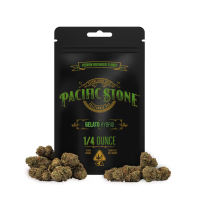
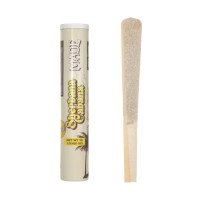
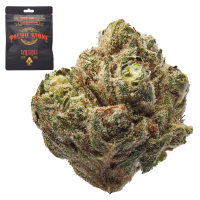
Before diving into THCP vs THC, it’s helpful to review THC (delta 9 THC), the cannabinoid that put cannabis on the global map. THC molecules are a naturally occurring cannabinoid found in cannabis plants, particularly in cannabis sativa strains.
THC is famous for its psychoactive effects, including intense euphoria, altered sensory perception, appetite stimulation, and pain relief. These potent psychoactive effects occur because THC binds to cannabinoid receptors in the brain and nervous system, activating the body’s endocannabinoid system.
Common THC products include:
Over decades, cannabis research has established THC as a benchmark for therapeutic benefits, from pain relief to anxiety reduction. But while THC remains the most recognized cannabinoid, its potency and psychoactive profile have set the stage for interest in other cannabinoids, particularly those that might be structurally similar but more potent.
What is THCP?
THCP is a newly discovered cannabinoid that first made headlines thanks to Italian researchers who found that certain cannabis plants naturally contain trace amounts of this compound. Unlike THC, THCP has a longer alkyl side chain, which allows it to bind more strongly to the same cannabinoid receptors. This stronger binding affinity is a key reason why THCP is often described as THCP stronger than THC.
- THCP occurs naturally in some hemp plants and cannabis sativa strains.
- THCP binds more effectively to the body’s endocannabinoid system, especially CB1 receptors in the brain and nervous system.
- Early THCP products, such as THCP gummies and THCP edibles, have been released by few companies experimenting with hemp derived cannabinoids.
Because it is structurally similar to THC but with a longer alkyl chain, THCP can produce more potent effects, even at lower doses. However, limited research and synthetic THCP variants are still being studied to fully understand its psychoactive properties and therapeutic benefits.
Chemical Structures: THCP vs THC
One of the most striking differences when comparing THCP to THC is their chemical structures. Both cannabinoids are structurally similar, but THCP has a longer alkyl side chain, which is believed to increase its binding affinity to cannabinoid receptors.
- THC molecules: classic 5-carbon chain
- THCP molecules: 7-carbon chain, heightened potency
- Both interact with the endocannabinoid system, but THCP’s longer chain allows for stronger psychoactive effects and enhanced therapeutic potential
This unique chemical makeup is one reason why THCP vs THC produces all the difference in user experience, even at smaller doses. The cannabis science behind these molecules is still emerging, but preliminary findings suggest THCP compared to THC can be up to 30 times more potent, influencing everything from pain relief to psychedelic effects.
How THCP Interacts With the Body
Both THC and THCP interact with the body’s endocannabinoid system, a network that regulates mood, pain, appetite, sleep, and other critical functions. These cannabinoids target CB1 and CB2 receptors, which are part of the nervous system and immune system.
THC and THCP comparison:
- THC: binds moderately to CB1 receptors, producing classic psychoactive effects.
- THCP: binds strongly to CB1 receptors, potentially creating potent psychoactive effects even in lower doses.
Because of this, THCP interacts differently with other hemp derived cannabinoids, sometimes producing a synergistic effect when combined in cannabis flower or hemp derived products. Early anecdotal reports suggest that consuming THCP can lead to intense euphoria, heightened sensory perception, and stronger pain relief than traditional THC.
Psychoactive Effects: THCP vs THC
When comparing THCP vs THC, the most talked-about difference is potency. THCP is considered a potent cannabinoid, producing psychoactive effects at much lower doses than THC. Users report that experience THCP can include:
- Intense euphoria
- Heightened sensory perception
- Appetite stimulation or suppression
- Enhanced pain relief
- Mild psychedelic effects in some cases
By contrast, traditional THC produces similar psychoactive effects, but THCP stronger binding often results in more potent psychoactive effects even when consuming the same amount. This makes THCP gummies, THCP edibles, or vaping THCP particularly powerful and necessitates careful dosing.
Key takeaway: If you’re exploring THCP vs THC, expect potent effects and potentially delayed onset with edibles, especially for THCP products.
Therapeutic Potential and Medical Benefits
Both THC and THCP have potential therapeutic benefits, but THCP’s heightened potency could offer unique advantages in the cannabis industry and medical community.
THC therapeutic benefits:
- Pain relief for physical discomfort or chronic pain
- Anxiety reduction and mood stabilization
- Appetite stimulation for patients undergoing chemotherapy
- Support for sleep quality
THCP potential benefits:
- Stronger analgesic properties, even at lower doses
- Potential for enhanced appetite stimulation
- Synergistic effects when combined with other cannabinoids
- Early anecdotal evidence suggests THCP interacts more effectively with cannabinoid receptors in the brain and nervous system
While clinical trials are still scarce, cannabis research into THCP vs THC suggests this potent cannabinoid could be a valuable addition to hemp derived products and natural extracts aimed at therapeutic potential.
Methods of Consumption: THCP vs THC
How you consume a cannabinoid influences its potency and psychoactive effects. While traditional THC is widely available, THCP products are still emerging.
THC consumption methods:
- Smoking cannabis flower or vaping concentrates
- THC edibles, including gummies and chocolate
- Tinctures for sublingual absorption
THCP consumption methods:
- Vaping THCP for fast psychoactive effects
- THCP edibles or THCP gummies for controlled dosing and delayed onset
- Potential synthetic THCP for experimental cannabis compounds
Because THCP binds more strongly to cannabinoid receptors, even small doses can produce potent effects, so users are advised to start low and monitor their response. When comparing THCP vs THC, method of consumption can make all the difference in both psychoactive effects and therapeutic benefits.
Legal Status: THCP vs THC
The legal status of cannabinoids can be confusing, and THCP’s legal status is particularly uncertain.
- THC (delta 9 THC): legality varies depending on local laws, with cannabis sativa strains over 0.3% THC often regulated or prohibited.
- THCP: as a newly discovered cannabinoid, THCP legal considerations depend on whether it is naturally occurring in hemp plants or synthesized as synthetic THCP.
- Hemp derived cannabinoids: some hemp derived products, including hemp derived CBD, may fall under federal exemptions, but THCP products may still trigger drug testing.
Because THCP vs THC interacts with the same receptors and can produce psychoactive effects, it’s crucial to check local laws before consuming THCP or purchasing THCP edibles.
Risks and Side Effects
While both THC and THCP offer therapeutic potential, potential adverse effects should be considered.
THC side effects:
- Dry mouth
- Increased heart rate
- Anxiety or paranoia
- Impaired motor function
THCP side effects:
- Potent psychoactive effects may increase anxiety
- Stronger risk of intense euphoria leading to disorientation
- Potential for psychedelic effects in sensitive users
- Requires lower doses due to heightened potency
Because THCP occurs naturally but is often concentrated in THCP products, responsible dosing is critical. Comparing THCP vs THC, it’s clear that THCP stronger binding can lead to potent cannabinoid effects that are both beneficial and potentially overwhelming for inexperienced users.
Conclusion: THCP vs THC – Which Should You Try?
So, what’s the verdict on THCP vs THC? Both cannabinoids offer unique experiences and therapeutic benefits, but THCP stands out for its heightened potency, stronger binding affinity, and potential to produce psychoactive effects at lower doses.
- THC: reliable, widely available, with a well-studied profile for pain relief, appetite stimulation, and psychoactive effects.
- THCP: potent cannabinoid with heightened potency, potential therapeutic benefits, and emerging availability in THCP gummies, vaping THCP, and THCP edibles.
The choice between THCP vs THC depends on your tolerance, desired psychoactive effects, and access under local laws. For those curious about the cannabis market or hemp derived products, exploring THCP could offer a glimpse into the future of cannabis science and newly discovered cannabinoids.
Whether you’re seeking intense euphoria, pain relief, or therapeutic benefits, THCP compared to THC is a reminder of just how diverse and evolving the cannabis world truly is. As cannabis research continues, these naturally occurring cannabinoids could redefine how we approach hemp plants, cannabis flower, and other hemp derived cannabinoids in both recreational and medical contexts.
Frequently Asked Questions
1. Does THCP get you high?
Yes, THCP is a potent cannabinoid that can produce psychoactive effects similar to or even stronger than traditional THC. It binds more strongly to cannabinoid receptors in the brain and nervous system, which means it can create intense euphoria, heightened sensory perception, and other psychoactive effects at lower doses. Because of its heightened potency, users should start with small doses to gauge their tolerance before trying THCP products like THCP gummies or vaping THCP.
2. Is THCP stronger than THC?
Yes, THCP is considered stronger than THC due to its longer alkyl side chain and stronger binding affinity to the body’s endocannabinoid system. Preliminary cannabis research and anecdotal reports suggest that THCP can produce potent psychoactive effects at lower doses, making it one of the most potent cannabinoids currently known. In contrast, traditional THC produces a well-known high, but its potency is generally lower than THCP, especially when compared in THCP vs THC studies.
3. Does THCP show up on a drug test?
Yes, THCP can show up on a drug test. Most standard drug tests are designed to detect THC metabolites, and since THCP interacts with the same cannabinoid receptors and has a similar molecular structure, it can be metabolized into compounds that trigger a positive result. Even hemp derived THCP products or synthetic THCP may lead to detection, so caution is advised for anyone subject to workplace or legal testing.
4. Why is Delta 9 legal but not THC?
This is a bit of a misconception. Delta 9 THC is the main form of THC found in cannabis plants. Its legality depends on concentration: in the U.S., hemp plants containing less than 0.3% delta 9 THC are legal under federal law, while higher concentrations found in cannabis flower are regulated or illegal in some states. The distinction is based on local laws and hemp regulations, not the compound itself. In other words, delta 9 THC is legal in certain contexts, but recreational or medical THC products may still be restricted depending on state or country laws.
Jenna Renz

Jenna is a California-based creative copywriter who’s been lucky enough to have worked with a diverse range of clients before settling into the cannabis industry to explore her two greatest passions: writing and weed.