Rewards




When most people think about cannabis, the first compounds that come to mind are THC and CBD. However, these cannabinoids are only part of the story. A vast array of cannabis compounds—particularly terpenes in weed—play a major role in shaping the plant’s aroma, flavor, and effects. These aromatic compounds are not just sensory features; they have therapeutic properties that can influence how cannabis consumption impacts your body and mind. From cannabis flowers and cannabis oil to cannabis products like concentrates and tinctures, terpenes are an essential part of what makes each strain unique.
Cannabis terpenes are naturally occurring organic compounds produced in the cannabis plant, but they are also found in other plants, including pine trees, citrus fruits, and aromatic herbs. These volatile compounds are the reason fresh cannabis flowers have such distinct scents ranging from earthy and piney to citrusy and floral. Terpenes are not exclusive to cannabis—they’re present in many essential oils, herbs, and fruits, contributing to flavor and fragrance in countless aromatic compounds used in the food, cosmetic, and pharmaceutical industries. Yet in cannabis, these compounds also interact with the body’s endocannabinoid system, modulating the effects of cannabinoids such as THC and CBD through the well-known entourage effect. Understanding terpenes found in cannabis is crucial for anyone looking to experience the full spectrum of benefits offered by cannabis strains, whether for recreational enjoyment or medicinal cannabis use.
What Are Terpenes?




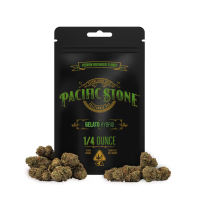
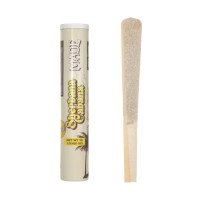
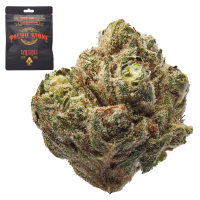
Terpenes are natural compounds responsible for the aromatic qualities in plants. They are made from isoprene units, simple molecules that can be linked in countless ways to produce complex chemical compounds. In cannabis, terpenes are primarily produced in the trichomes, the same glandular structures that synthesize THC and CBD. They are volatile compounds, which means they evaporate easily, creating the intense smell and taste of fresh cannabis flowers and marijuana plants.
The role of terpenes goes far beyond aroma. These plant’s terpenes evolved to defend the plant from predators, attract pollinators, and respond to environmental stress. In cannabis, they also play a functional role in how the plant interacts with human physiology. Cannabis terpenes play a part in the entourage effect, where the combination of terpenes and cannabinoids produces effects that are stronger or qualitatively different than isolated compounds. For example, Myrcene may enhance THC absorption, while Linalool may help reduce anxiety when paired with CBD. Understanding terpenes allows consumers to make informed choices about cannabis consumption, tailoring experiences to mood, desired effects, or therapeutic properties.
How Terpenes Work in Cannabis
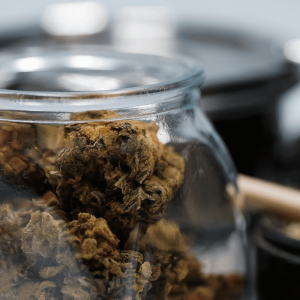
Terpenes influence not only the smell and taste of cannabis flowers but also how cannabinoids interact with the body’s endocannabinoid system. The entourage effect demonstrates that cannabinoid substances like THC and CBD interact synergistically with terpenes in cannabis, producing effects that are more nuanced than when cannabinoids are consumed alone. This is why two different cannabis strains with similar THC levels can feel entirely different in terms of their psychoactive or therapeutic effects.
Beyond synergy, terpenes have individual physiological effects. Some, like Pinene, can increase alertness and memory retention, while others, like Linalool, produce calming, sedative effects. These therapeutic properties highlight how cannabis compounds are not limited to cannabinoids alone. By modulating receptor activity in the body’s endocannabinoid system, terpenes can enhance or counteract THC’s psychoactive effects, offering a more tailored experience in cannabis consumption for both recreational and medical cannabis users.
Why Terpenes Matter in Different Cannabis Strains
Every cannabis strain has a unique terpene profile, which contributes as much to its overall effects as the THC or CBD content. Sativa strains like Sour Diesel and Super Lemon Haze often have citrusy terpenes such as Limonene, producing energizing and uplifting effects. Conversely, Indica-dominant strains like OG Kush or Amnesia Haze may have more earthy or spicy aromas due to terpenes like Myrcene and Caryophyllene, which can induce relaxation and help with stress relief.
Terpenes also explain why many cannabis strains with similar THC content can feel markedly different. By studying terpene profiles, both recreational users and medical cannabis patients can better predict how a strain will affect mood, pain, or sleep. For example, a strain with high Myrcene and Linalool may be better for chronic pain and sleep, whereas a strain rich in Pinene and Limonene may support alertness and creativity.
Common Cannabis Terpenes and Their Effects
The most common cannabis terpenes are Myrcene, Limonene, Pinene, Linalool, Caryophyllene, and Humulene. Each has distinctive aromatic compounds, flavors, and therapeutic properties:
- Myrcene: Earthy, musky aroma; promotes relaxation, sedation, and may enhance THC absorption. Found in OG Kush and Amnesia Haze.
- Limonene: Citrusy scent; uplifting and stress-relieving. Present in Super Lemon Haze and many Sativa strains.
- Pinene: Pine aroma; boosts alertness, memory, and has anti-inflammatory effects. Common in strains with pine needles scents.
- Linalool: Floral, lavender-like; reduces anxiety, promotes relaxation, and has anti-inflammatory properties.
- Caryophyllene: Spicy aroma; binds to CB2 receptors, offering anti-inflammatory effects and pain relief.
- Humulene: Earthy, hops-like aroma; appetite suppressant, anti-inflammatory, found in certain Indica strains.
These common terpenes illustrate the diversity of terpene synthases and how chemical compounds in cannabis flowers can impact both sensory experience and therapeutic properties.
Myrcene: The Relaxing Terpene
Myrcene is perhaps the most abundant terpene found in cannabis, known for its sedative and muscle-relaxing qualities. Beyond cannabis, Myrcene is found in aromatic herbs like thyme and hops, demonstrating its presence across other plants.
Myrcene contributes to the “couch-lock” effect in Indica-dominant strains, enhancing relaxation and sleepiness. Its therapeutic properties make it valuable in medicinal cannabis for pain relief, reducing chronic pain, and anti-inflammatory effects. Consumers seeking stress relief or sleep may choose cannabis strains high in Myrcene, experiencing both the aroma and the synergistic effects alongside cannabinoid substances like THC or CBD.
Limonene: The Citrusy Uplifter
Limonene is a citrusy terpene found in both citrus fruits and cannabis flowers, particularly in Sativa strains like Sour Diesel and Super Lemon Haze. Its bright, uplifting scent is often used to boost mood and reduce anxiety.
In medicinal cannabis, Limonene demonstrates antioxidant properties and may have antibacterial properties, making it a valuable natural compound in cannabis oil and cannabis products. When paired with THC, Limonene can enhance the entourage effect, contributing to a more balanced psychoactive experience.
Pinene: The Piney Focus Booster
Pinene, particularly beta pinene, is found in pine trees, pine needles, and cannabis sativa plant strains. Its crisp, piney aroma is invigorating, often producing enhanced focus and alertness.
Pinene also has anti-inflammatory properties, and in combination with THC, it may mitigate some memory-impairing effects of cannabinoids. For patients using medical cannabis, Pinene-rich strains can provide both mental clarity and therapeutic properties such as pain relief or reduced inflammation.
Linalool: Floral Calm
Linalool is known for its floral, lavender-like aroma and is found in many essential oils and aromatic herbs. In cannabis flowers, it produces a calming effect, helping to reduce anxiety and stress.
Its anti-inflammatory effects and sedative qualities make it popular in medical cannabis for promoting sleep and relaxation. Strains high in Linalool are ideal for nighttime cannabis consumption, especially when combined with cannabinoids like CBD to maximize the entourage effect.
Caryophyllene: The Spicy Anti-Inflammatory Terpene
Caryophyllene is a unique terpene present in cannabis flowers because it is both an aromatic compound and a functional cannabinoid substance. Its spicy aroma is reminiscent of black pepper and cloves, making it stand out among common cannabis terpenes. Unlike most terpenes, Caryophyllene can bind directly to CB2 receptors in the body’s endocannabinoid system, producing anti-inflammatory effects without triggering psychoactive responses.
Strains rich in Caryophyllene, such as OG Kush and Sour Diesel, are often used in medicinal cannabis for managing chronic pain, arthritis, and inflammation. Beyond cannabis, this natural compound is found in aromatic herbs like rosemary and black pepper, highlighting its cross-plant relevance. Its dual role as both a cannabis compound and therapeutic agent illustrates how cannabis terpenes play an essential part in both recreational and medical use, contributing to the entourage effect when combined with THC and CBD.
Humulene: The Earthy Appetite Suppressant
Humulene is an earthy, hops-like terpene found in cannabis that adds subtle complexity to the flavor of many Indica-dominant strains. Its spicy aroma may not be as immediately noticeable as Myrcene or Limonene, but it carries unique therapeutic properties, including anti-inflammatory effects and mild appetite suppression.
In medical cannabis, Humulene is appreciated for helping chronic pain patients manage inflammation without overstimulating the body. Its presence in other plants like hops also makes it a familiar aromatic compound in beverages and essential oils. Combined with cannabinoids like THC, Humulene contributes to the entourage effect, subtly modifying the psychoactive and physical effects of cannabis while enhancing flavor and terpene profiles in many cannabis strains.
Minor Terpenes in Cannabis
While most common cannabis terpenes dominate the aroma and effects of cannabis, minor terpenes also play a crucial role in defining the nuanced profiles of different cannabis strains. Examples include Terpinolene, Ocimene, Geraniol, and Valencene, each with its own aromatic compounds and therapeutic properties.
- Terpinolene: Sweet, herbal, and mildly sedative; found in strains like Amnesia Haze.
- Ocimene: Sweet and citrusy; has potential antibacterial properties and anti-inflammatory effects.
- Geraniol: Rose-like aroma; demonstrates antioxidant properties and supports relaxation.
- Valencene: Citrus scent; can provide anti-inflammatory benefits and uplift mood.
These terpenes found in cannabis highlight how chemical compounds work together with cannabinoids to create complex experiences. Even in small amounts, these minor terpenes contribute to cannabis terpenes play, enhancing effects, flavor, and therapeutic properties across many cannabis strains.
Terpene Profiles and Cannabis Strains
Every strain of cannabis has a unique terpene profile, which explains why two strains with similar THC levels can feel entirely different. Sativa strains like Sour Diesel are high in citrusy terpene Limonene, promoting energy and focus, while Indica strains like OG Kush contain Myrcene and Caryophyllene, which contribute to relaxation and stress relief.
Terpene profiles also inform the choice of cannabis products for medical cannabis patients. For example, strains with Linalool or Humulene may be preferable for sleep or chronic pain, while Pinene-rich strains can support mental clarity. Understanding these profiles enables cannabis consumption to be tailored, optimizing therapeutic properties and enhancing the entourage effect with cannabinoids.
Terpene Biosynthesis in the Cannabis Plant
Terpene biosynthesis in the cannabis sativa plant is a complex biochemical process. Terpenes are produced in the trichomes through a series of reactions involving terpene synthases and isoprene units, which are linked together to form organic compounds with diverse aromas and therapeutic properties.
Environmental factors such as light, soil, and nutrients influence terpene content, meaning that many cannabis strains grown under different conditions can have substantially different profiles. This variability is critical in the cannabis industry, where preserving volatile compounds during harvesting, curing, and storage ensures cannabis products maintain the full range of terpene biosynthesis for both flavor and medicinal efficacy.
Terpenes and Medicinal Cannabis
Medical cannabis relies heavily on terpenes in weed for specific health outcomes. Terpenes can complement cannabinoids to enhance therapeutic properties, including:
- Pain relief: Myrcene and Caryophyllene are effective in managing chronic pain.
- Anti-inflammatory effects: Linalool, Humulene, and Ocimene contribute to reduced inflammation.
- Stress and anxiety reduction: Limonene, Terpinolene, and Linalool promote calmness.
By selecting strains with targeted terpene profiles, patients can optimize cannabis consumption for individualized outcomes. For instance, a combination of Myrcene and Linalool may be particularly beneficial for nighttime medical cannabis use, enhancing sleep while providing anti-inflammatory properties.
Terpenes in Cannabis Oil and Products
Cannabis oil and other cannabis products rely on preserving terpenes identified in the plant. Extraction methods such as CO2 extraction or careful distillation maintain volatile compounds, ensuring cannabis terpenes remain intact.
The presence of terpenes in cannabis oil contributes to flavor, aroma, and therapeutic properties, making products more effective for both recreational and medicinal use. Whether in tinctures, edibles, or topicals, the combination of terpenes and cannabinoids maximizes the entourage effect, providing a more comprehensive cannabis consumption experience.
Terpenes and Aromatherapy
Many cannabis terpenes overlap with compounds used in aromatherapy. Linalool from lavender reduces anxiety, Limonene from citrus fruits uplifts mood, and Pinene from pine needles improves focus.
The crossover between cannabis products and aromatic herbs demonstrates the versatility of terpenes found in cannabis. Incorporating terpenes through aromatherapy or inhalation can complement cannabinoid substances, offering additional therapeutic properties beyond traditional cannabis consumption.
Factors Affecting Terpene Content
Terpene content in cannabis depends on genetics, cultivation, and storage. Growing conditions, including soil nutrients, light exposure, and humidity, influence terpene biosynthesis, while harvest timing affects the levels of volatile compounds. Improper curing or storage can degrade terpenes present, diminishing aroma, flavor, and therapeutic properties.
For consumers, understanding these factors helps ensure that cannabis products maintain their desired effects. Careful handling of fresh cannabis flowers and cannabis oil preserves aromatic compounds and maximizes the benefits of terpenes in cannabis.
Terpene Interaction with Cannabinoids
Terpenes and cannabinoids interact synergistically to influence the body’s endocannabinoid system, enhancing or modulating the effects of pure THC or CBD. This entourage effect means that consuming cannabis with diverse terpene profiles can improve pain relief, reduce anxiety, or enhance focus depending on the strain.
For example, Linalool paired with THC can increase relaxation, while Pinene with THC may reduce cognitive impairment. Understanding these interactions is key for medical cannabis patients seeking specific therapeutic properties or recreational users seeking tailored effects.
The Future of Terpenes in the Cannabis Industry
The cannabis industry is increasingly focused on terpenes in weed for innovation. Emerging trends include:
- Designer strains engineered for targeted terpene profiles.
- Terpene-rich concentrates and cannabis oil products.
- Ongoing cannabinoid research exploring therapeutic properties such as anti-inflammatory effects, antioxidant properties, and mood regulation.
As awareness grows, many cannabis strains are being evaluated not just for THC potency but for the complexity of their terpene content, allowing for more personalized and effective cannabis consumption experiences.
Conclusion: Unlocking the Power of Terpenes
Terpenes in cannabis are much more than aromatic compounds—they define the flavor, aroma, and effects of cannabis flowers while enhancing cannabinoid substances through the entourage effect. From Sour Diesel to OG Kush, cannabis terpenes shape experiences for recreational and medical cannabis users alike.
Understanding terpene profiles allows consumers to select different cannabis strains for targeted effects, whether it’s chronic pain management, stress relief, or an uplifting experience. As research continues, cannabis terpenes are proving to be an essential factor in cannabis consumption, offering a combination of therapeutic properties, flavor, and aroma that enhances both enjoyment and wellness.
Frequently Asked Questions
1. What does each terpene in weed do?
Each terpene found in cannabis has unique properties that influence aroma, flavor, and effects. For instance, Myrcene produces earthy, musky scents and may enhance relaxation and sedation. Limonene, with its citrusy terpene profile, can uplift mood and reduce stress. Pinene, reminiscent of pine trees, may improve alertness and memory retention. Linalool has a floral aroma and is known for calming and anti-anxiety effects, while Caryophyllene offers anti-inflammatory properties and pain relief by interacting with cannabinoid receptors. Humulene contributes earthy, hops-like notes and may help suppress appetite while supporting relaxation. Minor terpenes, like Terpinolene or Ocimene, add subtle flavors and effects, demonstrating how terpenes and their effects combine to influence cannabis consumption.
2. What do terpenes do for your high?
Terpenes in weed interact with cannabinoid substances such as THC and CBD to influence the overall experience, a phenomenon known as the entourage effect. Some terpenes may amplify THC’s psychoactive effects, while others can modulate them for a more balanced high. For example, Myrcene may intensify relaxation and sedation, ideal for nighttime use, while Pinene can reduce memory impairment and support alertness during the high. Limonene can enhance mood and promote an uplifting experience. Essentially, terpenes shape how you consume cannabis, affecting not just taste and aroma but also psychoactive effects, mental clarity, and therapeutic properties.
3. Is the higher the terpenes better?
Not necessarily. While higher terpene content can enhance flavor, aroma, and certain therapeutic properties, the best experience depends on the specific terpene profile and your desired effects. Some users may prefer strains with higher Myrcene for chronic pain relief and sleep, while others may benefit from Pinene or Limonene for energy and focus. Overemphasis on a single terpene can sometimes overpower the overall cannabis experience, so balance across cannabinoid substances and terpenes is key. The goal is to match terpene profiles with personal needs rather than seeking sheer quantity.
4. What is the purpose of a terpene?
The primary purpose of a terpene in cannabis is twofold: to produce aromatic compounds that attract pollinators or repel predators in the cannabis plant, and to provide functional effects when consumed by humans. Terpenes contribute to flavor, aroma, and therapeutic properties, including anti-inflammatory effects, pain relief, stress reduction, and even antimicrobial benefits. When paired with cannabinoid substances like THC and CBD, terpenes enhance the entourage effect, influencing the high and cannabis consumption outcomes. Essentially, terpenes serve both the plant’s survival needs and the consumer’s experience, making them indispensable in cannabis flowers, cannabis oil, and other cannabis products.
Jenna Renz

Jenna is a California-based creative copywriter who’s been lucky enough to have worked with a diverse range of clients before settling into the cannabis industry to explore her two greatest passions: writing and weed.