Rewards




Cannabis is more than just cannabinoids like THC and CBD. Beneath the surface of marijuana plants lies a rich symphony of aromatic compounds known as terpenes in cannabinoids. These organic compounds contribute not only to the cannabis aroma but also to the unique effects of different cannabis strains, influencing everything from relaxation to focus.
Whether you’re exploring recreational cannabis, medical cannabis, or medicinal cannabis, understanding cannabis terpenes offers insight into how the cannabinoids and terpenes in the cannabis plant work together to create the ultimate experience.
Terpenes vs. Cannabinoids: Understanding the Difference




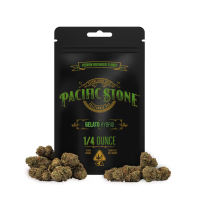

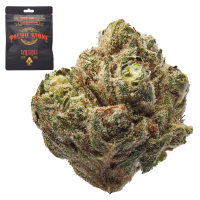
When people talk about cannabis, cannabinoids interact with the body’s endocannabinoid system, creating effects like euphoria, pain relief, or anti-anxiety benefits. Terpenes, on the other hand, are botanically derived terpenes, volatile compounds that give marijuana plants their distinctive scents and flavors. While cannabinoids are primarily responsible for psychoactive effects, terpenes play a subtler but essential role, shaping the plant’s therapeutic qualities and medicinal benefits.
Think of cannabinoids as the main actors and terpenes as supporting actors that enhance the story. This is why cannabis science often emphasizes the combination of cannabinoids and terpenes rather than isolated compounds for medicinal purposes or recreational cannabis enjoyment.
How Terpenes Are Produced in Cannabis
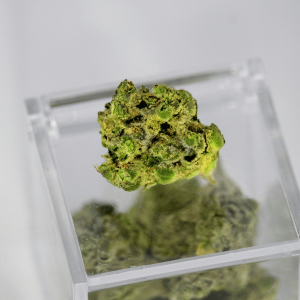
Terpenes are synthesized in the resin glands of cannabis, particularly during the flowering stage. These aromatic compounds found in other plants are the plant’s natural defense mechanism, protecting plants from pests, UV light, and disease. Terpene biosynthesis begins with terpene synthases, enzymes that convert simple precursors into various terpenes.
The plant growth environment influences plant’s terpenes, with light, temperature, nutrients, and humidity all affecting high concentrations of specific compounds. This is why cannabis strains vary widely in terpene profiles and therapeutic properties. Strains like Sour Diesel and Cannabis sativa often have distinctive citrusy scent or pungent herbal aromas because of these compounds present.
The Entourage Effect Explained
The entourage effect describes the synergy between cannabinoids and terpenes in cannabis. Rather than acting alone, isolated terpenes and cannabinoids combine to influence cannabinoid receptors and the human body, enhancing pain relieving properties, anti-inflammatory effects, and anti anxiety properties.
For example:
- Myrcene can amplify THC’s sedative effects.
- Limonene, often found in citrus fruits and sativa strains, can improve mood and alleviate stress.
- Caryophyllene, a spicy common cannabis terpene, can bind to CB2 receptors for pain relief and anti inflammatory properties.
This synergy demonstrates why cannabis products with multiple terpenes often provide more balanced effects than pure THC or CBD alone.
Major Terpenes Found in Cannabis
Understanding common cannabis terpenes helps in selecting cannabis strains for medicinal purposes or recreational cannabis enjoyment. Cannabis terpenes are aromatic compounds found not only in cannabis but also in aromatic herbs, citrus fruits, and plant extracts.
The most common cannabis terpenes include:
- Myrcene – earthy, musky aroma, sedative effects
- Limonene – citrusy scent, uplifting mood
- Pinene – pine aroma, focus-enhancing
- Linalool – floral, calming
- Caryophyllene – spicy, anti-inflammatory
- Humulene – earthy, appetite-suppressant
- Terpinolene – herbal, mild sedation
These therapeutic properties make medicinal cannabis a powerful tool, and their presence in cannabis oil, cannabis extract, and cannabis products ensures the plant’s terpenes contribute to both medicinal benefits and cannabis aroma.

Myrcene: The Relaxation Terpene
Myrcene, the only known terpene dominant in many sativa strains, has an earthy, musky aroma reminiscent of aromatic herbs. Found in high concentrations in strains like Sour Diesel, Myrcene is valued for its pain relieving properties, sedative qualities, and ability to alleviate stress.
Medical cannabis users often seek terpenes found in cannabis like Myrcene for its therapeutic qualities, especially for pain relief and anti anxiety properties. Its aromatic compounds are also present in other plants, highlighting the universality of botanically derived terpenes.
Limonene: The Uplifting Citrus Terpene
Limonene carries a bright citrusy scent, commonly associated with citrus fruits and certain sativa strains. Beyond its aroma, Limonene offers therapeutic properties, including anti anxiety effects, mood enhancement, and potential pain relief.
Terpenes interact with the body’s endocannabinoid system, meaning Limonene can amplify the medicinal benefits of cannabinoids in cannabis oil, cannabis extract, and medicinal cannabis products. Its therapeutic qualities also extend to antioxidant properties and anti inflammatory effects, making it a versatile compound in the cannabis industry.
Pinene: The Alertness Terpene
As its name suggests, Pinene smells like fresh pine and forests. Found in marijuana plants and other plants, it has pain relieving properties, anti-inflammatory effects, and can support alertness and focus.
Cannabis sativa strains rich in Pinene are often used in recreational cannabis for mental clarity, while medical cannabis users may benefit from its anti-inflammatory properties. Its interaction with cannabinoid receptors demonstrates how cannabinoids and terpenes can combine for therapeutic qualities.
Linalool: The Calming Floral Terpene
Linalool, a floral aromatic compound also found in lavender, is prized for its anti anxiety properties and relaxing effects. Its therapeutic qualities include pain relief and anti-inflammatory effects, which enhance the benefits of cannabinoids in cannabis oil and cannabis extract.
In medicinal cannabis, terpenes found in cannabis like Linalool are key for treating anxiety, insomnia, and stress-related conditions, showing the holistic potential of terpene profiles.
Caryophyllene: The Spicy Medicinal Terpene
Caryophyllene is unique among cannabis terpenes because it can bind to CB2 cannabinoid receptors, providing pain relief and anti inflammatory properties. Its spicy, peppery aroma is a signature of certain cannabis strains and sativa strains, making it an important plant extract for medicinal purposes.
Beyond its therapeutic qualities, Caryophyllene demonstrates the synergy of cannabinoids and terpenes, highlighting how terpenes in cannabis influence medicinal benefits.
Humulene: Appetite Suppressant and Anti-Inflammatory
Humulene has an earthy, hops-like aroma and provides anti inflammatory effects along with appetite suppression. Present in cannabis strains, cannabis sativa, and other plants, Humulene is valued in medical cannabis for its therapeutic properties.
Its pain relieving properties and anti-inflammatory effects make it a key example of how aromatic compounds enhance cannabinoids interact with the human body.
Terpinolene: The Subtle Sedative Terpene
Terpinolene is a mild, herbal aromatic compound found in cannabis strains, citrus fruits, and aromatic herbs. Its therapeutic qualities include mild sedation, antioxidant properties, and anti inflammatory effects, making it useful for medicinal cannabis users seeking pain relief and stress alleviation.
Though less prominent than Myrcene or Limonene, its presence in cannabis oil, cannabis extract, and flowering stage resin glands contributes to the entourage effect.
How Terpenes Affect Cannabinoid Absorption
Certain terpenes in cannabinoids can influence how cannabinoids are absorbed and metabolized by the human body. For instance:
- Myrcene may increase the permeability of the blood-brain barrier, amplifying THC’s effects.
- Caryophyllene can enhance pain relieving properties by targeting CB2 receptors.
The combination of terpenes interact with cannabinoids and terpenes in cannabis compounds ensures therapeutic benefits are maximized. This is why cannabis products with multiple terpenes often provide more nuanced experiences than single-compound formulations.
Therapeutic Benefits of Terpenes
Cannabis terpenes are more than aromatic compounds; they offer therapeutic properties that can complement medical cannabis. Some of the potential benefits include:
- Pain relief
- Anti anxiety properties
- Anti inflammatory effects
- Antioxidant properties
These benefits are amplified when combined with cannabinoids interact in the human body, demonstrating the value of cannabis science in medicinal cannabis research.
Terpenes in Edibles and Concentrates
Cannabis extracts like oils, concentrates, and cbd oils retain terpene profiles if processed correctly. However, volatile compounds can degrade during high heat or long extraction processes. Techniques like steam distillation help preserve plant’s terpenes and their therapeutic properties, ensuring cannabis products deliver medicinal benefits and aromatic compounds found in the plant.

Choosing Cannabis Strains Based on Terpene Profiles
When exploring different cannabis strains, understanding terpene profiles is key. Terpene research and lab reports can guide users to strains that align with desired effects:
- Relaxation: high myrcene, linalool
- Focus: high pinene
- Mood boost: high limonene
For both recreational cannabis and medicinal cannabis, paying attention to common cannabis terpenes ensures you get the full therapeutic qualities of the cannabis plant.
The Future of Terpene Research
Terpene research is expanding rapidly. Scientists are exploring:
- Terpene biosynthesis pathways for selective breeding
- Isolated terpenes for targeted therapeutic properties
- Synergy between cannabinoids interact and plant extracts
Advances in cannabis science promise cannabis products with optimized terpene profiles, medicinal benefits, and aromatic compounds tailored for specific needs.

Conclusion: Why Terpenes Matter
In conclusion, terpenes in cannabinoids are far more than just scent markers. They are aromatic compounds with therapeutic qualities, pain relieving properties, and anti-inflammatory effects. From enhancing cannabinoids interact with the body’s endocannabinoid system to providing distinctive cannabis aroma in different cannabis strains, terpenes found in cannabis are essential for both recreational cannabis enjoyment and medicinal cannabis efficacy.
Whether you’re exploring plant extracts, cannabis oil, or simply curious about the plant’s terpenes, understanding cannabis terpenes unlocks a deeper appreciation for the cannabis industry, cannabis compounds, and the therapeutic properties these aromatic compounds provide.
Frequently Asked Questions
1. What are terpenes cannabinoids?
Terpenes cannabinoids refer to the combination of cannabinoids and terpenes found in the cannabis plant. Cannabinoids, like THC and CBD, interact with the body’s endocannabinoid system, producing psychoactive or therapeutic effects. Terpenes, on the other hand, are aromatic compounds that give different cannabis strains their unique cannabis aroma, flavor, and therapeutic properties. Together, they create the entourage effect, meaning the plant’s terpenes and cannabinoids interact synergistically to enhance medicinal benefits, pain relief, and the overall cannabis experience.
2. What terpene gets you the most high?
No single terpene found in cannabis directly produces a high. However, some common cannabis terpenes can influence how cannabinoids interact with your cannabinoid receptors. For instance:
- Myrcene, often abundant in sativa strains and Sour Diesel, may increase THC’s absorption in the human body, intensifying psychoactive effects.
- Limonene or Pinene won’t make you high on their own but can alter mood, focus, or relaxation, enhancing your overall cannabis experience.
Essentially, the entourage effect between cannabinoids and terpenes determines the perceived intensity, rather than any isolated terpene acting alone.
3. Which terpenes should I avoid?
Most terpenes found in cannabis are safe, but some individuals may react differently depending on sensitivity. Consider being cautious with:
- High concentrations of Pinene if you are prone to anxiety, as it can sometimes cause alertness that feels jittery.
- Certain citrusy terpenes like Limonene in high doses, which might upset sensitive stomachs.
Additionally, synthetic or low-quality terpenes used in some cannabis products may lack therapeutic qualities or produce unwanted effects. Sticking to botanically derived terpenes or plant extracts ensures safer consumption and reliable medicinal benefits.
4. How does terpene make you feel?
Terpenes in cannabis influence how you feel by interacting with cannabinoid receptors and other compounds present in the plant. Effects vary depending on terpene profiles and cannabinoid ratios:
- Myrcene: relaxing, sedative, sleep-promoting
- Linalool: calming, stress-relieving, anti anxiety properties
- Limonene: uplifting, mood-enhancing, energizing
- Caryophyllene: spicy, anti-inflammatory, pain relieving properties
The sensation comes from the combination of multiple terpenes and cannabinoids, rather than a single terpene synthase or isolated compound. This is why different cannabis strains with unique terpene profiles can feel so distinct, even if they have similar THC or CBD content.
Jenna Renz

Jenna is a California-based creative copywriter who’s been lucky enough to have worked with a diverse range of clients before settling into the cannabis industry to explore her two greatest passions: writing and weed.