Rewards


Sugar vs badder is the most common “wait, what am I actually buying?” question in concentrates, and it’s a fair one. They look different, handle differently, and behave differently in your device. Pick the right texture and you get big flavor with minimal mess. Pick the wrong one and you’ll be scraping sticky regret off a dab tool like it’s a second job.
This is your complete texture guide: sugar vs badder, how they compare on potency and flavor, how to use each, what else is on the menu (wax, crumble, shatter, live resin, rosin, diamonds), plus a glossary and troubleshooting for when your concentrate turns too dry or too runny.
The two-sentence answer (for the impatient)

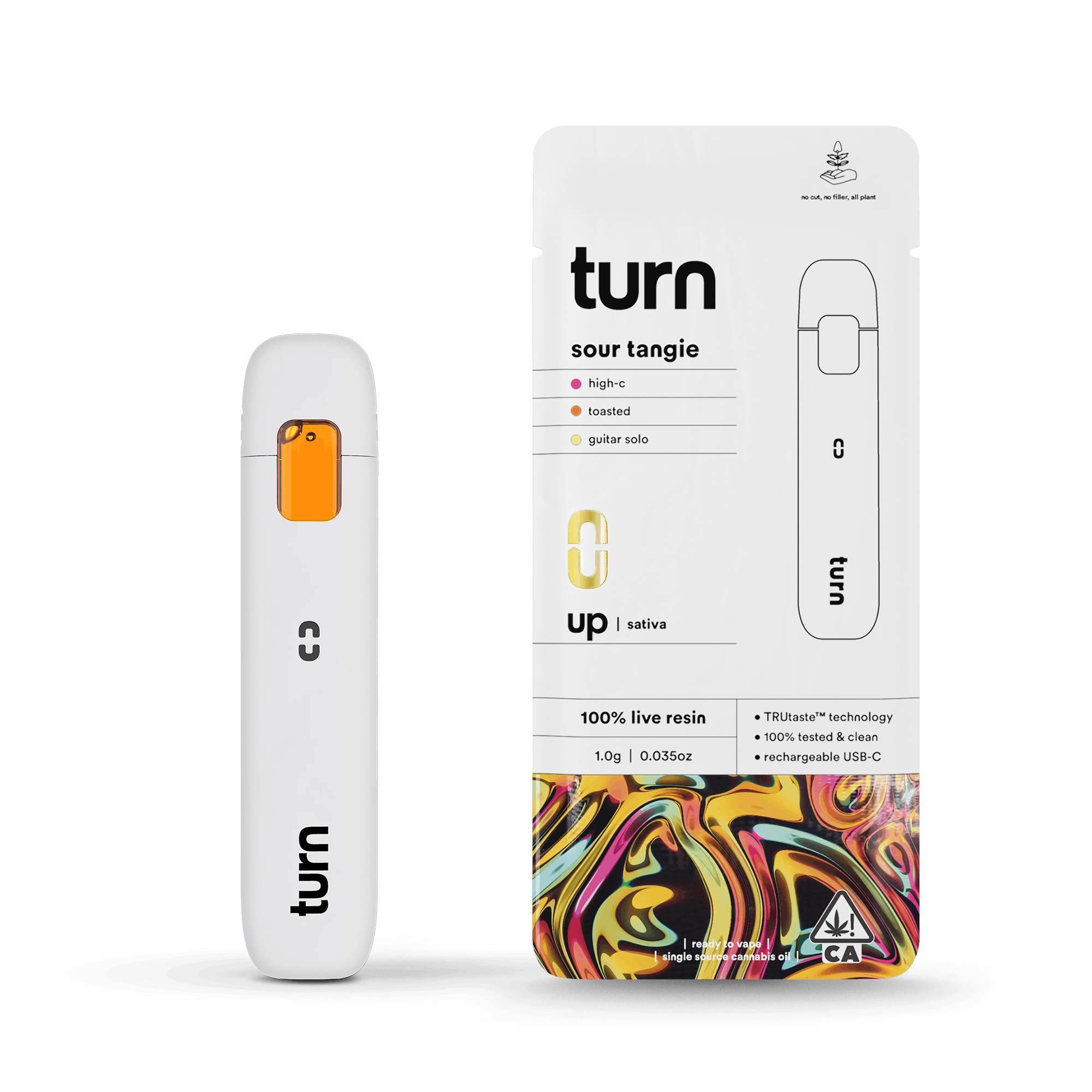


- Choose sugar if you want a more “granular” concentrate that’s easier to portion, often loud on aroma, and great for quick, controlled scoops.
- Choose badder (aka budder) if you want a creamy, whip-able texture that’s easy to load, easy to spread, and usually the least fussy for daily dabbing.
Now let’s do it properly.
First, what “texture” actually means (and why it matters)
Concentrate “texture” is mostly the result of:
- THCA crystallization (how much and how big the crystals form)
- Terpene content and viscosity (terpenes act like a solvent, changing how runny or stable the concentrate feels)
- Processing variables (temperature, agitation, purge conditions, and time)
- Storage and handling (heat cycles, frequent opening, sitting in a warm pocket, and so on)
Texture affects:
- Ease of dosing (tiny grains vs sticky paste)
- Mess-factor (clean scoop vs stringy, clingy smear)
- Device compatibility (some atomizers hate runny material; some rigs hate crumbly bits)
- Flavor delivery (terpene-rich textures often smell and taste louder, especially at lower temps)
Potency is not “the texture,” but texture can hint at ratios: sugary textures often signal more crystallized THCA present; badders can be terp-forward and feel “softer.” But don’t play detective with your eyeballs. Trust the label and lab results when available.
When it comes to optimizing vapor cartridge hardware selection for different cannabis extracts, understanding these textures becomes even more crucial.
What is sugar (aka sugar wax, sugar resin)?
Sugar is a concentrate with a grainy, crystalline consistency, like wet sugar or tiny salt crystals suspended in syrup. Those “grains” are typically THCA crystals, and the surrounding “sauce” is terpene-rich.
What sugar is like in real life
- Looks like: sparkly grains in a glossy layer
- Feels like: scoopable, slightly sticky, sometimes spoonable
- Loads like: small, controlled scoops (great for consistent dosing)
Why sugar happens
Sugar forms when THCA begins to crystallize during or after extraction and purging. The concentrate separates into:
- Crystals (more THCA-heavy)
- Sauce (more terpene-heavy)
That’s why sugar often smells loud and tastes punchy, especially when it’s a live resin sugar.
What is badder (aka budder)?
Badder is a concentrate with a soft, creamy, whipped consistency, like room-temperature buttercream or thick frosting. It’s usually homogenized, meaning cannabinoids and terpenes are more evenly distributed, instead of clearly separating into crystals and sauce.
What badder is like in real life
- Looks like: smooth, matte or slightly glossy paste
- Feels like: pliable, scoopable, spreadable
- Loads like: easy, predictable, minimal chasing material around your jar
Why badder happens
Badder is typically created by agitation (whipping) and controlled purging, which encourages a stable, uniform texture. Many people love it because it’s forgiving: it doesn’t fling crumbs, doesn’t shatter, and doesn’t run like sauce.
Sugar vs Badder: potency differences (what actually changes)
Let’s be precise: potency depends on cannabinoid content, not the name of the texture. You can find high-THC sugar and high-THC badder. That said, texture can correlate with composition.
Sugar potency tendencies
- Often contains more crystallized THCA, which can test very high on THC after decarb (when heated).
- If the jar has lots of visible crystals, the crystal portion may be more potent than the surrounding sauce.
Badder potency tendencies
- Often more uniform throughout the jar, which makes dosing consistent.
- Can be terpene-rich and still potent, but the “softness” may indicate more terpenes relative to crystals, which can slightly lower cannabinoid percentage on paper (not always, but often enough to mention).
Rule to follow: If you care about raw numbers, read the COA. If you care about how it feels, pick the texture that helps you dose cleanly and dab at the right temp.
Sugar vs Badder: flavor differences (where the real debate lives)
Flavor is where most people actually feel a difference.
Sugar flavor profile
Sugar often delivers a “two-part” experience:
- The sauce can be intensely aromatic and flavorful.
- The crystals can feel cleaner and sometimes less flavorful on their own.
If you scoop mostly crystals, you may get less terp flavor. Scoop a balanced mix and sugar can be wonderfully expressive.
Badder flavor profile
Badder is typically more consistent hit-to-hit, because terpenes and cannabinoids are blended together. Many terp chasers prefer badder because it’s easier to dab low-temp and keep the flavor stable without fishing for sauce.
Practical takeaway:
- Want bold aroma and don’t mind mixing? Choose sugar.
- Want consistent flavor every time? Choose badder.
Mess-factor and portability (be honest with yourself)
Your ideal texture depends on whether you dab like a surgeon or like a raccoon with a spoon.
Sugar: mess-factor
- Usually less stringy than sauce, and easier to portion than shatter.
- Can spill grains if you’re careless.
- If it’s very “wet sugar,” it can still be sticky.
Badder: mess-factor
- Usually the least annoying daily driver.
- Stays on the tool well.
- Doesn’t crumble everywhere.
- Can get greasy if warm, but still manageable.
Portability picks
- Best for travel: badder, wax, some rosins (stable textures)
- Risky in a pocket: sauce, very wet sugar, any jar that warms up and separates
Carry a small insulated pouch if you insist on bringing terp soup to a sunny park. Do it. Protect the terps.
Picking based on your device (this is where people mess up)
If you use a dab rig (torch + banger)
- Sugar: Great. Scoop a balanced mix of crystals and sauce.
- Badder: Also great. Probably the easiest to handle while your banger is hot and your timing is questionable.
Tip: Keep temps lower for flavor. Sugar and badder both shine in the “don’t incinerate my terps” range.
If you use an e-rig (Carta, Puffco, etc.)
- Badder: Excellent. Loads clean, melts predictably.
- Sugar: Excellent, but stir crystals into sauce before loading if it’s separated.
Tip: Don’t overload. Bigger dab does not equal better dab. It often equals sad puddle and a dirty chamber.
If you use a wax pen / dab pen
This is where texture matters a lot.
- Badder: Often the best choice because it stays together and loads clean.
- Sugar: Can work well, but small grains can fall off the tool or not melt evenly if your atomizer is finicky.
- Sauce: Often too runny and can flood coils or leak if the pen gets warm.
Tip: If your pen has exposed coils, avoid very runny concentrates. If it has a bucket-style ceramic chamber, you have more flexibility.
If you use a nectar collector
- Sugar: Great for quick taps, especially if it’s not overly wet.
- Badder: Also great, and usually easier to keep in place.
Tip: Touch lightly. Don’t stab your concentrate like it owes you money.
How to use sugar (without wasting the good stuff)
- Open the jar and check separation. If there are big crystals sitting apart from sauce, decide whether you want more flavor (more sauce) or a cleaner hit (more crystals).
- Mix gently if needed. Use your dab tool to fold sauce over crystals. Don’t whip it like cake batter unless you want to change the texture over time.
- Scoop small. Sugar makes it easy. Use that advantage.
- Low-temp dab for flavor. Sugar’s terp sauce is the point. Don’t scorch it.
- Cap it. Use a carb cap to vaporize efficiently and keep flavor intact.
How to use badder (the “easy mode” concentrate)
- Scoop, don’t smear. Twist your tool to grab a pea-sized (or smaller) amount.
- Load cleanly. Badder usually drops off the tool easily with gentle heat.
- Keep temps moderate to low. Badder can be terp-rich. Treat it with respect.
- Wipe your jar rim. Badder loves living on jar threads. Evict it before it ruins your lid.
The rest of the texture universe (so you don’t get ambushed at the dispensary)
You asked for sugar vs badder, but concentrates don’t stop there. Here’s a quick guide to the usual suspects.
Live resin (as a category)
“Live resin” refers to starting material that was frozen fresh, often preserving more terpenes. Live resin can show up as sugar, badder, sauce, and more. “Live” is about the process, not the texture.
Sauce
Very terp-heavy and runny, sometimes with crystals. Incredible flavor potential. Also incredible potential to leak, flood, or cause you emotional damage in a warm car.
Diamonds (THCA diamonds)
Large THCA crystals, often paired with sauce. Very potent. Flavor depends heavily on how much sauce you include.
Wax
A broad term, often somewhat crumbly or pliable. Usually easy to handle. Flavor varies widely.
Crumble
Dry, porous, breaks apart easily. Convenient dosing, less sticky. Can be harsher or less aromatic if terpenes are lower or have evaporated.
Shatter
Glass-like sheet that snaps. Clean and stable when stored cool. Can be annoying to portion, and it can sugar up over time.
Rosin (solventless)
Pressed from flower or hash. Can come as badder-like “rosin batter,” jam, or more. Often prized for flavor and solventless appeal. Also often pricey, because yes, it’s a pain to make well.
Glossary (so the labels stop sounding like wizard spells)
- THCA: The acidic form of THC found in raw cannabis. Converts to THC with heat (decarboxylation).
- Terpenes: Aromatic compounds that contribute to flavor and effects. Volatile and heat-sensitive.
- Sauce: Terpene-rich portion of a concentrate, often surrounding crystals.
- Crystallization: Formation of solid THCA crystals in extract.
- Badder/Budder: Whipped, creamy concentrate texture.
- Sugar: Grainy concentrate texture with small crystals and sauce.
- Live resin: Concentrate made from fresh-frozen material to preserve terpenes.
- Diamonds: Larger THCA crystals, often paired with sauce.
- COA: Certificate of Analysis, lab report showing cannabinoids, terpenes, and contaminants (when provided).
Troubleshooting: when your concentrate is too dry, too runny, or just weird
Problem: Your sugar turned dry and sandy
What’s happening: Terpenes may be evaporating, or the jar is separating and you’re scooping mostly crystals.
Do this:
- Store it cool and sealed.
- Gently fold any visible sauce back into the crystals.
- Avoid repeated warm-ups from leaving it out, then refrigerating, then leaving it out again. Pick a lane.
Problem: Your badder is getting runny
What’s happening: Heat exposure can thin terpenes and soften the texture.
Do this:
- Keep it in a cool, dark place.
- If it’s very warm where you live, consider brief refrigeration in an airtight container and let it return to room temp before opening to reduce condensation risk.
Problem: It sizzles or tastes off
Possible causes: Too hot of a dab, dirty banger/chamber, or leftover solvent/contaminants in low-quality product.
Do this:
- Drop your temp.
- Clean your banger/chamber properly.
- Buy from reputable sources with lab testing where available.
Problem: It’s harsh even at low temp
Possible causes: High residual plant compounds, oxidation, or just a strain/extract profile that hits sharp.
Do this:
- Try smaller dabs.
- Increase airflow control with a carb cap.
- Switch to a terp-forward badder or live resin from a trusted producer.
Problem: It “sugared up” in the jar (shatter turns grainy)
What’s happening: Natural nucleation and crystallization over time, often accelerated by heat and agitation.
Do this:
- Don’t panic. It’s usually not “bad,” just transformed.
- Store cooler and handle less.
How to store sugar and badder (keep the terps, keep your dignity)
- Seal tightly. Oxygen is not your concentrate’s friend.
- Store cool and dark. Heat and light accelerate terp loss and oxidation.
- Avoid constant opening. Every sniff session costs you flavor.
- If refrigerating: Keep it airtight and let it warm to room temp before opening to reduce moisture/condensation.
So… which should you buy?
Choose sugar if you want:
- Easy, granular dosing
- Big aroma and a “crystals + sauce” experience
- A texture that feels less like glue than some badders can
Choose badder if you want:
- The easiest daily handling
- Consistent flavor hit-to-hit
- Better portability and fewer accidents
And if you’re still unsure, do the simplest thing: buy a gram of each, use the same device, same temp range, and decide with your own lungs. They are very honest critics.
FAQ: Sugar vs Badder
Is sugar more potent than badder?
Not automatically. Sugar often contains visible THCA crystals that can test very high, but potency depends on the specific product and lab results, not the texture name.
Which tastes better, sugar or badder?
Badder is usually more consistent because it’s homogenized. Sugar can taste incredibly strong too, especially if you scoop a balanced mix of sauce and crystals.
Which is better for beginners?
Badder. It’s easier to handle, easier to load, and less likely to make a mess.
Can I use sugar in a dab pen?
Yes, especially in bucket-style ceramic chambers. If your pen is prone to leaking or has exposed coils, badder is often the safer, cleaner option.
Why does my sugar have so many crystals?
That’s normal. Sugar textures form from THCA crystallization. More crystals can mean you need to mix to get a more terp-balanced dab.
Why is my badder turning into sugar?
Heat, time, and agitation can encourage crystallization and separation. It’s not unusual for textures to evolve, especially if storage is warm.
Is “live sugar” the same as “live badder”?
Both can be live resin products. “Live” refers to the fresh-frozen starting material process, while sugar and badder describe the final texture.
How do I dab sugar without wasting the sauce?
Scoop from the center where crystals and sauce meet, or gently fold the sauce back into the crystals before portioning. Keep your dabs small and low-temp for best flavor.
What texture is the least smelly to store?
None are truly stealth, but drier textures like crumble or stable wax can smell less than very terp-heavy sauce. Regardless, airtight storage matters more than texture.
What’s the best temperature for sugar or badder?
Low to moderate temps preserve flavor. If it tastes burnt or harsh, you’re too hot. If it’s puddling with weak vapor, you’re too cool or overloading. Adjust in small steps.
Jenna Renz

Jenna is a California-based creative copywriter who’s been lucky enough to have worked with a diverse range of clients before settling into the cannabis industry to explore her two greatest passions: writing and weed.