Rewards




When it comes to cannabis and medicinal plants, most people immediately think of cannabinoids like THC and CBD. But behind the scenes, terpenes are quietly shaping the way cannabis strains smell, taste, and even feel. One terpene in particular has been catching the attention of researchers, wellness enthusiasts, and cannabis lovers alike: the nerolidol terpene.
This fascinating compound is a sesquiterpene alcohol, meaning it belongs to a group of larger, heavier terpenes often responsible for woody, earthy, and herbal aromas. Nerolidol offers a woody aroma with subtle floral and citrus undertones, reminiscent of fresh bark and blooming jasmine. It’s commonly found in many plants such as ginger, lemongrass, rose, lavender, tea tree (melaleuca alternifolia), citrus fruits, and even apples. Beyond its scent, nerolidol is a major constituent in tea tree oil and other essential oils used for their therapeutic benefits.
What makes nerolidol so compelling isn’t just its scent but its multi faceted pharmacological and biological activities. Research suggests that nerolidol acts as an anti microbial, anti fungal, anti inflammatory, anti cancer, and anti oxidant compound, with additional effects like anti anxiety, anti parasitic, anti ulcer, anti nociceptive, and neuroprotective activity. These therapeutic effects make it an important area of study for both the cannabis industry and the broader wellness space.
From perfumes and cleansers to food flavoring agents and cannabis, nerolidol is everywhere. Its ability to function as a skin penetration enhancer, insect repellent, food additive, and effective agent against bacteria like staphylococcus aureus and escherichia coli demonstrates just how versatile it really is.
This blog will dive deep into nerolidol’s aroma, its presence in cannabis strains, its therapeutic potential, and what researchers are uncovering about this intriguing terpene.
What Exactly is Nerolidol?




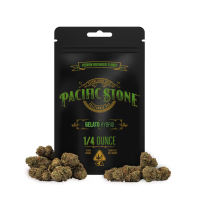

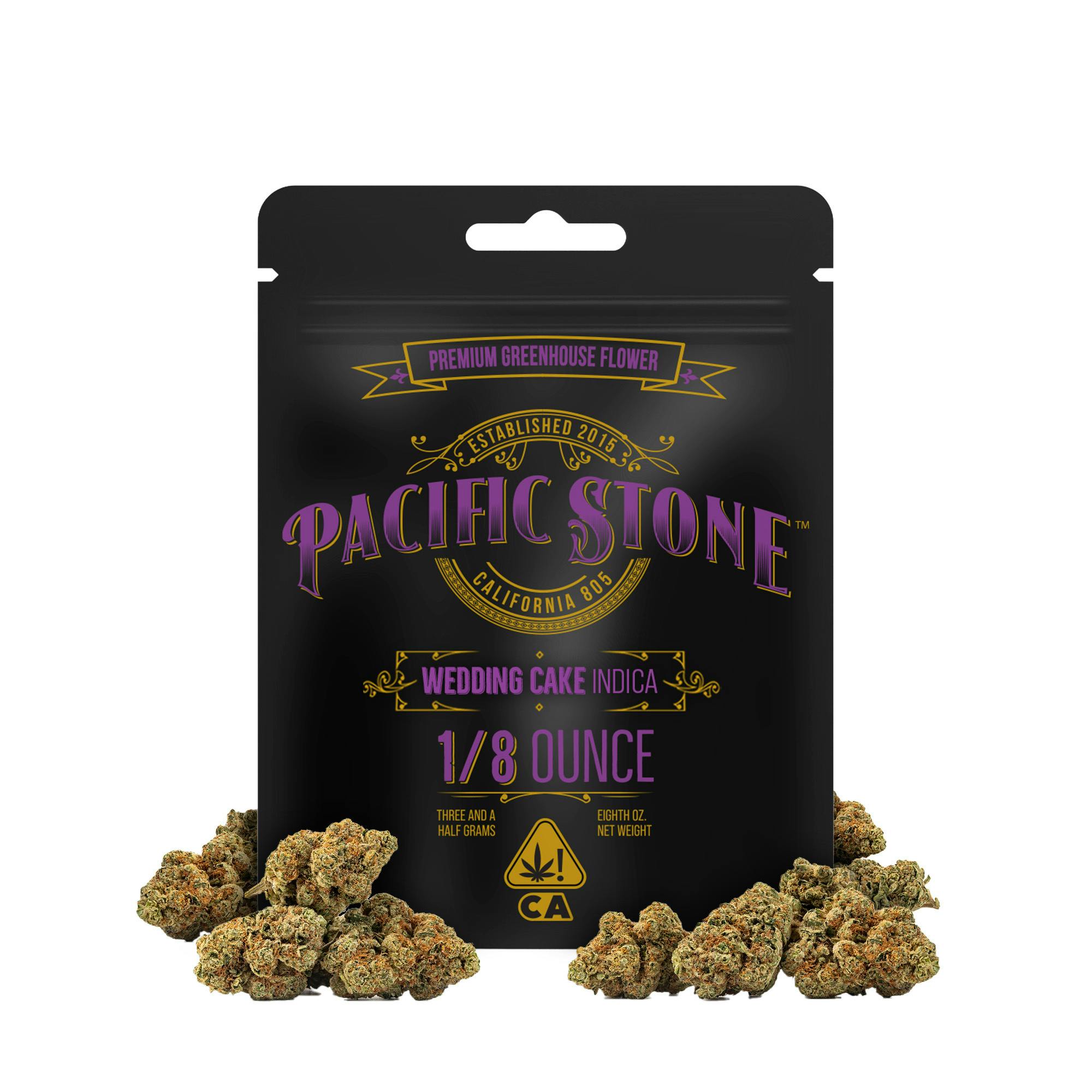
Nerolidol is classified as a sesquiterpene alcohol, which means it’s built from three isoprene units and includes an alcohol group in its structure. It exists in two isomeric forms: cis-nerolidol and trans nerolidol. Both forms are commonly found in plants and essential oils, though trans nerolidol tends to be more abundant in tea tree oil and citrus-derived oils. These isomers differ slightly in their three-dimensional orientation, but both deliver therapeutic benefits.
Plants produce nerolidol for several reasons, primarily as a defense mechanism. It plays a role as an insect repellent, anti microbial compound, and anti fungal protector. By producing nerolidol, plants like jasmine, lavender, and lemongrass safeguard themselves against harmful pests and pathogens. This explains why nerolidol is a major constituent in many medicinal plants traditionally used to ward off infections or promote relaxation.
For humans, the pharmacological and biological activities of nerolidol extend into areas of health and wellness. Researchers studying its therapeutic potential have found that nerolidol acts as an effective agent against microbial infections, reduces oxidative stress induced damage, and demonstrates anti cancer properties in cell studies. With its presence in cannabis and essential oils, nerolidol is positioned as one of the most interesting terpenes bridging natural wellness, food science, and medicine.

Aroma & Flavor Profile of Nerolidol
The aroma of nerolidol is often described as woody, floral, and slightly fruity with a fresh bark nuance. It carries a clean scent that many people associate with tea tree oil, jasmine, and rose. When combined with citrus or lavender, nerolidol creates a grounding yet refreshing fragrance.
In cannabis strains, nerolidol contributes delicate floral and woody undertones that enhance the overall terpene profile. While stronger terpenes like myrcene, limonene, or pinene might dominate the scent, nerolidol adds subtle balance, helping round out the aroma and flavor of the flower. This makes it a favorite among cannabis connoisseurs who appreciate strains with layered, complex scents.
Outside of cannabis, nerolidol plays a major role in perfumes and essential oils. Its presence in cleansers, detergents, and cosmetics is tied not just to its aroma but also to its therapeutic properties. In the food industry, nerolidol functions as both a food additive and a food flavoring agent. Its subtle woody and citrus-like notes make it suitable for beverages, baked goods, and even teas, showing how versatile it can be as a flavoring agent.
Where is Nerolidol Found?
One of the reasons nerolidol is so well-studied is because it is commonly found in many plants and essential oils. Some of its richest sources include:
- Tea tree (melaleuca alternifolia) – A major constituent of tea tree oil, giving it anti microbial and anti fungal properties.
- Ginger – Adds to its spicy, warming scent and therapeutic potential.
- Jasmine – Contributes to its sweet, floral aroma.
- Lemongrass – Known for its citrus-like sharpness and insect repellent qualities.
- Rose – Adds subtle floral tones.
- Lavender – Enhances the calming and anti anxiety qualities.
- Apple and citrus fruits – Provide light, fruity nuances.
Its widespread presence across medicinal plants highlights why humans have been exposed to it for centuries through herbal teas, oils, and remedies. Beyond plants, nerolidol shows up in perfumes, skin care products, cleansers, and detergents because of its clean scent and therapeutic effects.
The food industry also takes advantage of nerolidol, using it as a food additive and food flavoring agent. Its safe profile makes it an effective way to enhance both scent and taste in a variety of consumer products.
Nerolidol in Cannabis
Within cannabis, nerolidol plays a supportive but important role. Though it is not always the dominant terpene, its presence shapes the sensory and therapeutic profile of cannabis strains. Strains high in nerolidol are often linked with calming and sedative effects, making them appealing for people managing anxiety, insomnia, or stress.
Jack Herer is one example of cannabis strains where nerolidol has been detected. This classic strain combines uplifting energy with subtle calming undertones, demonstrating how nerolidol interacts with other terpenes and cannabinoids. Strains high in nerolidol are often appreciated for their smooth, woody aroma, subtle citrus sweetness, and potential therapeutic benefits.
In the context of cannabis, nerolidol contributes to the entourage effect. This phenomenon describes how terpenes and cannabinoids like THC and CBD work together to amplify each other’s therapeutic effects. Results suggest that nerolidol offers additional relaxation, anti inflammatory properties, and even support for skin lesions when included in cannabis topicals. By enhancing the way cannabinoids interact with the body, nerolidol plays a role in shaping the unique therapeutic profile of cannabis.
Therapeutic Benefits of Nerolidol
The therapeutic benefits of nerolidol are diverse, reflecting its multi faceted pharmacological and biological activities. This terpene has been studied for its potential to support human health in multiple ways, from reducing oxidative stress induced damage to acting as an anti microbial and anti cancer compound.
Some of the key therapeutic benefits include:
- Anti anxiety – Nerolidol acts on the nervous system to promote relaxation.
- Sedative effects – Supports better sleep and calm.
- Anti microbial and anti fungal – Effective against staphylococcus aureus and escherichia coli, with anti biofilm action.
- Antioxidant properties – Protects cells from oxidative stress induced by free radicals.
- Anti inflammatory properties – Reduces inflammation in the body.
- Anti cancer properties – Demonstrated effects against cancer cells in laboratory studies.
- Anti ulcer and anti nociceptive – Protective effects for the digestive system and pain modulation.
- Neuroprotective effect – Supports brain health and resilience.
- Anti parasitic – Demonstrated ability to fight parasites.
This range of therapeutic effects shows why nerolidol is considered an effective agent with significant therapeutic potential. Whether consumed through cannabis, applied via essential oils, or included in food products, nerolidol demonstrates broad pharmacological action that researchers continue to explore.
Nerolidol and Anxiety/Stress Relief
One of the most well-documented therapeutic benefits of nerolidol is its role in reducing anxiety. Research shows that nerolidol acts on the central nervous system to produce calming, sedative effects. These sedative effects are similar to those of other terpenes like linalool but are uniquely grounded in nerolidol’s woody aroma and floral notes.
Cannabis strains high in nerolidol are often chosen by people managing stress and anxiety. The combination of cannabinoids and terpenes enhances the entourage effect, making the calming effects more pronounced. Results suggest that nerolidol offers anti anxiety benefits that could be valuable in natural treatments for mental health challenges.
Nerolidol and Sleep Support
Nerolidol is also studied for its ability to promote sleep. Its sedative effects calm the body and mind, making it easier to transition into restful sleep. Cannabis strains with higher nerolidol content are sometimes marketed for insomnia, while essential oils containing nerolidol are used in aromatherapy for relaxation.
Researchers believe nerolidol works in synergy with cannabinoids like CBD and terpenes like myrcene to enhance sedative effects. This makes it an important part of cannabis wellness culture, where many people seek natural sleep aids that avoid the side effects of pharmaceuticals.
Antimicrobial and Antifungal Properties
The anti microbial and anti fungal potential of nerolidol is one of its strongest therapeutic benefits. Studies show that nerolidol acts as an effective agent against bacteria like staphylococcus aureus and escherichia coli. Its anti biofilm activity is particularly important, as biofilms often make bacteria resistant to antibiotics. By breaking down biofilms, nerolidol may help antibiotics work more effectively.
In addition, nerolidol has shown anti parasitic activity and is considered a natural insect repellent. These properties highlight its role as a defense compound in plants and as a potential tool in human medicine. From tea tree oil to cannabis, the presence of nerolidol enhances antimicrobial strength.

Antioxidant & Anti-Inflammatory Potential
Oxidative stress induced damage is a major factor in aging and chronic disease. Nerolidol demonstrates antioxidant properties that help protect cells from this type of damage. By reducing oxidative stress, nerolidol offers anti aging and protective benefits for the body.
Its anti inflammatory properties also make it useful for addressing chronic conditions linked to inflammation. Results suggest that nerolidol can reduce markers of inflammation, making it a valuable therapeutic agent. Combined with cannabinoids like CBD, which are also known for anti inflammatory activity, nerolidol enhances the entourage effect for inflammation management.
Nerolidol in Skincare & Cosmetics
Nerolidol is commonly included in skincare products, perfumes, and cosmetics. Its pleasant scent is a natural fit for perfumes, cleansers, and detergents, but its therapeutic effects make it even more appealing. As a skin penetration enhancer, nerolidol improves the delivery of other active ingredients into the skin.
Its anti microbial and anti fungal properties make it useful in treating skin lesions and preventing infections. Essential oils rich in nerolidol, like tea tree oil, are often used in lotions, balms, and aromatherapy products. The combination of fragrance and therapeutic effects ensures nerolidol’s place in the beauty and wellness industry.
Nerolidol in Everyday Life
Even outside of cannabis and essential oils, nerolidol is part of everyday life. Its presence in perfumes, detergents, and cleansers means most people encounter it regularly. In the food industry, nerolidol is used as a food additive and flavoring agent, enhancing taste and aroma in beverages and snacks.
Its cultural and traditional uses also extend to herbal remedies, where medicinal plants containing nerolidol have long been valued for their calming and healing effects. From teas to topical treatments, nerolidol plays a subtle but important role in wellness practices worldwide.
Safety & Side Effects of Nerolidol
Overall, nerolidol is considered safe for use in food, cosmetics, and therapeutic applications. As a food additive and food flavoring agent, it has been approved for use in the food industry. However, like many essential oils, overuse can cause mild irritation, especially on sensitive skin or respiratory tissue.
Researchers emphasize that while results suggest nerolidol has strong therapeutic potential, more studies are needed to confirm its safety and efficacy in humans. As with all compounds, moderation is key. Its presence in medicinal plants and cannabis suggests it can be consumed safely in natural contexts, but concentrated essential oils should be used carefully.
Nerolidol vs Other Terpenes
To understand nerolidol better, it helps to compare it with other terpenes:
- Linalool – Both are floral and calming, but nerolidol carries a woody aroma.
- Myrcene – Known for sedative effects, similar to nerolidol, but with an earthy, musky scent.
- Pinene – Opposite in effect, pinene promotes alertness, while nerolidol is relaxing.
Nerolidol acts as a grounding terpene, providing balance in cannabis strains. Its therapeutic benefits complement the effects of other terpenes, adding to its importance in the overall terpene spectrum.
Nerolidol in the Entourage Effect
The entourage effect is one of the most exciting aspects of cannabis science. It describes how cannabinoids and terpenes interact to produce enhanced therapeutic effects. Nerolidol offers therapeutic potential by adding anti anxiety, anti inflammatory, antioxidant, and sedative effects to the mix.
When combined with cannabinoids like CBD and THC, nerolidol enhances their impact on the body. Results suggest this synergy contributes to cannabis’s ability to address anxiety, sleep issues, and inflammation more effectively than isolated compounds. Strains high in nerolidol highlight just how important terpenes are to the cannabis experience.
Future Research & Potential Applications
While much is already known about nerolidol, researchers continue to explore its therapeutic potential. Studies on its anti cancer properties show that it may be effective against cancer cells in laboratory settings. Other areas of research include its anti ulcer activity, anti nociceptive effects for pain relief, and neuroprotective effect in protecting brain function.
Its ability to act as a skin penetration enhancer also points to future applications in medicine, where delivering drugs through the skin could improve treatment. In the food industry, nerolidol may see expanded use as a flavoring agent and food additive. Researchers are also investigating its role as an insect repellent, particularly in agricultural settings.
Conclusion: Why Nerolidol Matters
Nerolidol may not be the most famous terpene in cannabis, but it’s one of the most fascinating. With its woody aroma, presence in many plants, and wide-ranging therapeutic benefits, nerolidol offers far more than meets the eye—or the nose.
From cannabis strains like Jack Herer to essential oils like tea tree oil, nerolidol plays an important role in everyday products. Its pharmacological and biological activities make it a multi faceted therapeutic compound, offering anti anxiety, anti microbial, anti inflammatory, antioxidant, and even anti cancer properties. Whether you encounter it in perfumes, food, or cannabis, nerolidol demonstrates the remarkable therapeutic potential of terpenes.
As researchers continue to study nerolidol, its future applications in medicine, skincare, and wellness are bound to expand. For cannabis enthusiasts, it’s a reminder that the plant’s therapeutic effects come not only from cannabinoids but also from other terpenes working together in the entourage effect. Nerolidol offers a subtle yet powerful contribution, grounding cannabis with its calming presence and wide-ranging benefits.
Frequently Asked Questions
1. What does the terpene nerolidol do?
Nerolidol is a sesquiterpene alcohol with a woody aroma and earthy scent that’s commonly found in cannabis, tea tree, jasmine, lemongrass, ginger, rose, lavender, and many other plants. Research shows that nerolidol acts as a powerful skin penetration enhancer, which means it helps other compounds absorb more efficiently into the body. Beyond that, nerolidol offers a wide range of pharmacological and biological activities, including antioxidant properties, anti-inflammatory properties, anti-fungal, anti-parasitic, anti-cancer, and even anti-anxiety effects. Thanks to this multi-faceted pharmacological profile, nerolidol is being studied for its potential therapeutic benefits across conditions tied to oxidative stress induced damage, microbial infections, skin lesions, and more.
2. How does nerolidol make you feel?
Nerolidol is often associated with sedative effects, relaxation, and a calming influence on both the body and mind. In cannabis strains that contain high levels of this terpene, users often report feelings of stress relief, reduced anxiety, and easier sleep. Some research suggests nerolidol may have anti-nociceptive properties, meaning it could help reduce the perception of pain. Combined with other terpenes and cannabinoids, nerolidol may also contribute to the entourage effect, further enhancing therapeutic effects and deepening relaxation without overwhelming psychoactivity.
3. Is nerolidol a sativa or indica?
Nerolidol itself isn’t a cannabis strain, so it’s not classified as sativa or indica. Instead, it’s a terpene that can be present in both sativa-leaning and indica-leaning strains. However, because nerolidol is known for its calming, anti-anxiety, and sedative effects, it’s more commonly associated with indica strains or hybrids that are used for nighttime or relaxation. For example, strains high in nerolidol like Jack Herer often lean toward soothing effects, but the overall experience also depends on the cannabinoid and terpene profiles of the specific strain.
4. Which terpene makes you the highest?
Technically, terpenes don’t cause the “high” on their own—that’s the role of cannabinoids like THC. However, terpenes do play a huge part in shaping how that high feels. For example, terpenes like myrcene are thought to enhance THC’s sedative effects, while limonene may create a more uplifting experience. Nerolidol isn’t about producing an intense high; instead, it complements THC and other terpenes by offering calming, anti-anxiety, and therapeutic benefits. So while no terpene “makes you the highest,” the unique combination of cannabinoids and terpenes—often called the entourage effect—is what determines the overall experience.
Jenna Renz

Jenna is a California-based creative copywriter who’s been lucky enough to have worked with a diverse range of clients before settling into the cannabis industry to explore her two greatest passions: writing and weed.