Rewards


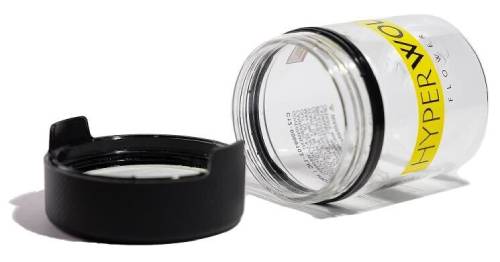

If you’ve ever wanted to take your cannabis game beyond the usual joints or edibles, learning how to make cannabis oil is one of the most rewarding skills you can pick up. This versatile infused oil isn’t just for brownies — though a batch of pot brownies never hurts. With the right technique, you can create homemade cannabis oil that’s perfect for cooking, baking, topical applications, or even precise medicinal dosing.
From pain relief to sleep disorders, cannabis oil is prized for its ability to alleviate symptoms while delivering a flavorful, customizable experience. The best part? Making cannabis oil at home gives you full control over the strain, potency, and carrier oil you use — whether it’s coconut oil, olive oil, or avocado oil. No more wondering what’s in your cannabis products; this is as fresh and transparent as it gets.
In this guide, we’ll walk through everything from choosing the best cannabis flower to mastering the infusion process, covering step-by-step instructions, health benefits, shelf life, and common mistakes to avoid. Whether you’re going for a mellow CBD oil or a high-potency weed oil for cannabis edibles, you’ll have the know-how to craft homemade cannabis infused oil like a pro.
What is Cannabis Oil?




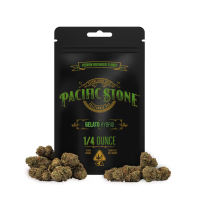
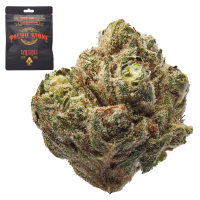
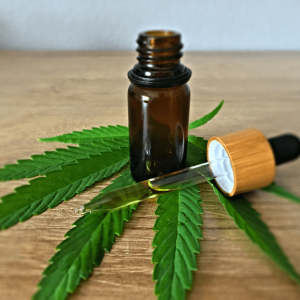
Cannabis oil, sometimes called marijuana oil, weed oil, or canna oil, is a cooking oil or fat that’s been infused with cannabis flower. Unlike CBD oil or hemp oil that’s often extracted from the hemp plant and may contain little to no THC, cannabis infused oil made at home typically retains the plant’s natural cannabinoid profile — including THC, CBD, and aromatic terpenes.
Depending on your strain choice, homemade oil can be high in THC for recreational use, rich in CBD for medicinal purposes, or somewhere in between for a balanced effect. Its uses range from cannabis cooking oil for savory dishes to base oils for lotions or balms aimed at chronic pain or multiple sclerosis symptom relief.
At its core, making oil is about combining decarbed cannabis with a carrier oil at a consistent temperature so the cannabinoids bind to the oil’s fat molecules — a process that creates a stable, potent product.
Benefits of Making Your Own Cannabis Oil
While store-bought cannabis products can be convenient, there are clear advantages to making cannabis infused oil yourself:
- Control over potency: Adjust the amount of ground cannabis or how much oil you use to get your desired effect.
- Strain customization: Choose uplifting sativas, relaxing indicas, or hybrids depending on whether you want focus, relaxation, or a bit of both.
- Flavor variety: Different refined oils or extra virgin olive oil bring their own taste and aroma.
- Fewer additives: Your homemade oil will be free of unnecessary fillers or artificial flavors.
- Cost savings: Buying fresh cannabis and infusing it at home can be far cheaper over time.
And of course, there’s the satisfaction of knowing your homemade cannabis infused oil is something you crafted from scratch.
Choosing the Right Cannabis for Your Oil
The starting point for great cannabis infused oil is quality cannabis flower. Look for fresh cannabis that’s been properly cured — old or poorly stored plant material can dull flavor and reduce potency.
THC vs CBD: If you’re aiming for pain relief or to alleviate symptoms of conditions like sleep disorders or multiple sclerosis, a balanced THC:CBD strain may be ideal. For a more recreational high, go with higher-THC strains. For a non-psychoactive medicinal purposes focus, choose CBD-rich strains.
Freshness matters: The fresher the cannabis, the more vibrant the terpene profile — and the more pleasant your oil will taste.
Leftover flower: While premium buds are great, you can also use leftover flower or trim, as long as it’s stored properly and still potent.

Selecting the Right Oil Base
Choosing the best oil for your cannabis infusion affects not only flavor but also potency and versatility.
- Coconut oil: Popular for its high saturated fat content, which binds well to cannabinoids, making it ideal for consistent potency.
- Olive oil or extra virgin olive oil: Great for salad dressings, low-heat cooking, and its heart-healthy profile.
- Avocado oil: High in healthy fats with a high smoke point, making it excellent for cooking.
- Refined oils like grapeseed or sunflower: Neutral flavor, but less saturated fat means slightly less cannabinoid binding.
Your choice of carrier oil should align with your desired effect and intended use. If you’re cooking, match the smoke point of the oil to your recipe.
The Decarboxylation Process
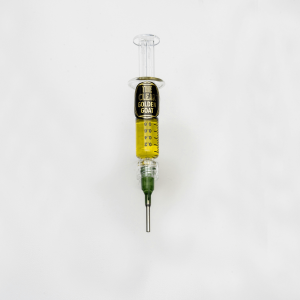
Before making cannabis oil, you must decarboxylate your cannabis flower. This step activates cannabinoids by converting THCA into THC and CBDA into CBD — essential for both recreational and medicinal purposes.
Oven method:
- Preheat oven to about 240°F (115°C).
- Break fresh cannabis into small pieces — avoid powdering with a food processor just yet.
- Spread evenly on a baking tray lined with parchment paper or aluminum foil.
- Bake for 30–40 minutes, stirring occasionally to ensure even heat exposure.
Alternative methods include using a rice cooker, infusion machine, or boiling water bath setup for gentler heating.
Skipping this step means your cannabis oil will have minimal potency, so always start with decarboxylated cannabis.
Step-by-Step Guide: How to Make Cannabis Oil
Here’s the full infusion process for homemade cannabis oil.
Ingredients:
- 7–10 grams of decarbed cannabis (adjust based on desired effect)
- 1 cup coconut oil, olive oil, or avocado oil (or more oil for milder potency)
- Optional: 1 tsp soy lecithin (natural emulsifier for better absorption)
Equipment:
- Double boiler, slow cooker, or rice cooker
- Cheese cloth for the straining process
- Mason jar or other airtight container
- Spoon for stirring occasionally
Instructions:
- Grind decarbed cannabis coarsely — avoid turning it into powder.
- Combine ground cannabis and carrier oil in your double boiler, slow cooker, or mason jar in a boiling water bath.
- Maintain low heat (160–200°F / 70–93°C) for 2–6 hours, stirring occasionally to ensure even infusion.
- Avoid exceeding 245°F (118°C) to protect cannabinoids and terpenes.
- Strain through a cheese cloth into a clean airtight container, squeezing gently to extract all oil without forcing plant material through.
- Cool completely before sealing.
The fat soluble cannabinoids will bind with the oil’s fat molecules, giving you a potent, stable homemade oil.
Safety and Storage Tips
Proper storage ensures a long shelf life and consistent potency.
- Store in a dark place in an airtight container.
- Keep away from heat and sunlight.
- For extended shelf life, refrigerate or freeze in portions.
- Always label with the date, strain, and how much oil you made.
When stored properly, cannabis oil can last several months without losing potency.
How to Use Cannabis Oil
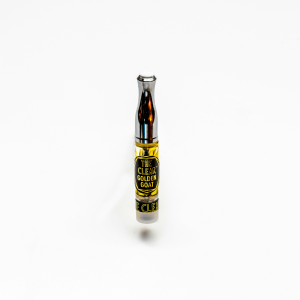
The beauty of homemade cannabis infused oil is its versatility.
- Cooking: Use as cannabis cooking oil for pasta, stir-fries, or baked goods (remember — avoid high heat to prevent potency loss).
- Baking: Perfect for pot brownies, cookies, or bread.
- Topicals: Mix with lotion for targeted pain relief or to alleviate symptoms of chronic pain.
- Capsules: Fill gel caps for discreet dosing.
Because cannabinoids are fat soluble, your oil works best in recipes containing healthy fats.
Common Mistakes to Avoid
Even seasoned cannabis chefs make errors. Here’s what to avoid:
- Skipping decarboxylation — no activation, no potency.
- Using too much heat — cannabinoids degrade above 245°F.
- Over-grinding plant material — can make oil taste bitter.
- Improper storage — reduces shelf life and potency.
Final Thoughts
Learning how to make cannabis oil is a gateway to a world of creative, flavorful, and therapeutic possibilities. By starting with fresh cannabis, picking the best oil, and controlling every step of the infusion process, you can produce homemade cannabis oil that’s tailored to your taste, potency, and medicinal purposes.
From cannabis edibles to soothing topicals, your new skills can help alleviate symptoms, bring comfort, and maybe even inspire your next culinary masterpiece. Just remember — stored properly, this is one cannabis product you can enjoy for months to come.
Frequently Asked Questions
1. What oil is best for homemade cannabis oil?
The best oil for homemade cannabis oil depends on your intended use. Coconut oil is a top choice thanks to its high saturated fat content, which binds well to cannabinoids for consistent potency. Olive oil or extra virgin olive oil is excellent for savory dishes and offers added health benefits, while avocado oil has a high smoke point and is rich in healthy fats, making it great for cooking.
2. Can I make my own CBD oil at home?
Yes — making cannabis oil at home isn’t limited to THC-rich strains. You can use CBD-dominant cannabis flower or hemp plant material to create CBD oil. The process is the same: decarboxylate your ground cannabis, infuse it with a carrier oil like coconut oil or olive oil, strain with cheese cloth, and store in an airtight container in a dark place.
3. What are the ingredients in cannabis oil?
Basic cannabis oil calls for just two main ingredients: decarbed cannabis (from quality cannabis flower) and a carrier oil such as coconut oil, olive oil, or avocado oil. Optional ingredients include soy lecithin — a natural emulsifier that can help increase absorption — and flavoring agents if you want to customize your homemade cannabis infused oil.
4. How long does cannabis oil take to make?
The infusion process for homemade oil can take anywhere from 2 to 6 hours depending on your method. Using a double boiler or slow cooker on low heat with stirring occasionally helps maintain a consistent temperature and preserves potency. Don’t forget to factor in decarboxylation time, which adds another 30–40 minutes before the infusion begins.
Jenna Renz

Jenna is a California-based creative copywriter who’s been lucky enough to have worked with a diverse range of clients before settling into the cannabis industry to explore her two greatest passions: writing and weed.