Rewards


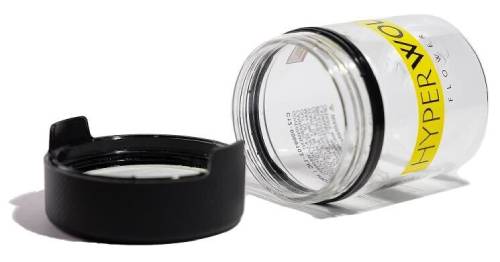

Cannabis cookies are one of the most popular ways to enjoy edibles, and for good reason. They’re discreet, delicious, and give you precise control over THC content or CBD potency. Whether you’re baking for relaxation, stress relief, or simply curious about the baking process, understanding how to make cannabis cookies properly is key to a safe and enjoyable experience.
This guide will cover everything from making cannabutter to baking, dosing, and storing your finished cookies, ensuring that your homemade treats turn out both tasty and effective.
Understanding Cannabis Cookies


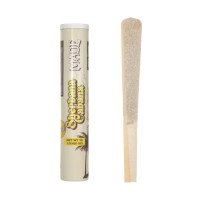
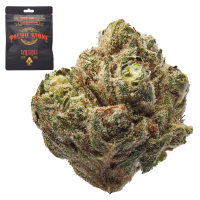
Before diving into the recipe, it’s helpful to understand what makes cannabis cookies different from your average baked good. When you consume cannabis via cookies, the THC and other cannabinoids are processed through your digestive system, which changes how they affect your body. Unlike smoking or vaping, which produces near-immediate effects, edibles take longer to kick in—often two hours or more—but the effects can last for several hours, offering a slow, even high.
Cannabis-infused butter or oil is the primary ingredient that carries the cannabinoids, allowing them to infuse throughout your baked goods. Using properly activated weed ensures the THC content is effective, giving your cookies consistent potency. If you’re aiming for a low dose, precise measurement during the infusion process is crucial.
Step 1: Decarboxylate Your Cannabis
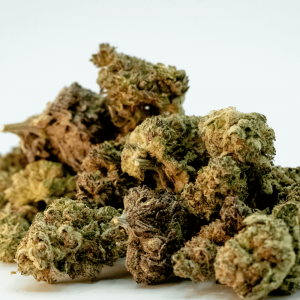
Before making cookies, you need to activate the THC in your cannabis. This process, known as decarboxylation, converts THCA in raw cannabis into psychoactive THC, making it effective for edibles.
- Preheat your oven to 240°F (115°C).
- Break up plant matter into small pieces and spread it on a parchment paper-lined sheet pan.
- Bake for 30 to 40 minutes, stirring occasionally, until the cannabis is lightly golden brown.
Avoid using too much heat, as it can degrade cannabinoids and reduce potency. Once decarboxylated, your activated weed is ready for cannabis-infused butter or oil.
Step 2: Making Cannabis-Infused Butter or Oil
Cannabis is fat-soluble, which means it binds well with butter, coconut oil, or olive oil. Cannabis-infused butter is the most common option for cookies, while coconut oil works well in vegan recipes. Here’s how to make cannabutter:
Ingredients:
- 1 cup (two sticks) butter or coconut oil
- 7–10 grams of decarboxylated cannabis
Instructions:
- Melt your butter in a double boiler or a heatproof bowl over medium heat.
- Add the ground cannabis and stir occasionally.
- Maintain medium heat for two to four hours, making sure the mixture doesn’t boil.
- Strain the mixture through a fine mesh or cheesecloth into a clean container, discarding the plant matter.
- Let the cannabis butter cool before use.
For relative potency, calculate your total THC and divide by the number of cookies you plan to make. Start with a low dose if you’re new to edibles, as effects take longer to appear than smoked cannabis.
Step 3: Preparing Ingredients for Your Cannabis Cookies
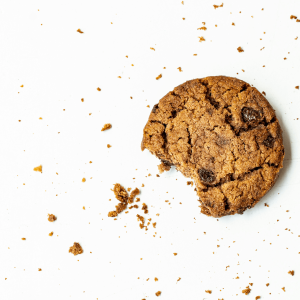
Now that your cannabis butter is ready, gather the other ingredients for your cookie recipe. Common components include:
- 2 cups flour
- 1 teaspoon baking soda
- 1 teaspoon baking powder
- 1/2 teaspoon salt
- 1 cup sugar (or a mix of brown and white sugar)
- 2 large eggs
- 2 teaspoons vanilla extract
- 1 cup chocolate chips (optional)
- 1/2 to 1 cup cannabis-infused butter, melted
Pro tip: Use a large mixing bowl to combine your dry ingredients first (flour, baking soda, baking powder, salt) to ensure even distribution. Then, mix your wet ingredients (cannabis butter, eggs, vanilla extract, sugar) separately before combining the two.
Step 4: Mixing Your Cookie Dough
The key to a smooth baking process is properly combining your ingredients:
- In a large bowl, cream together the melted cannabis butter and sugar using a hand mixer or spoon.
- Beat in the eggs and vanilla extract until fully incorporated.
- Gradually combine flour mixture with wet ingredients, stirring until just mixed. Overmixing can affect texture.
- Fold in chocolate chips or other mix-ins like nuts or dried fruit.
At this point, your dough is ready to be portioned onto prepared baking sheets. Using parchment paper prevents sticking and makes cleanup easier.
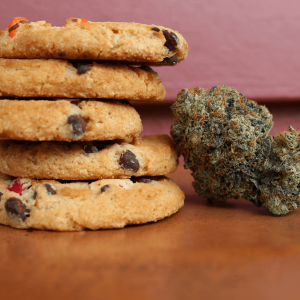
Step 5: Portioning and Baking
To maintain consistent dosing, portion your cookie dough evenly:
- Use a cookie scoop or tablespoon to drop dough balls onto a sheet pan.
- Leave 2 inches of space between each dough ball to allow spreading.
- Flatten slightly for even baking.
Bake at 350°F (175°C) for 10–12 minutes, or until edges are golden brown. Remember, the cookies will continue to firm up as they cool, so don’t overbake.
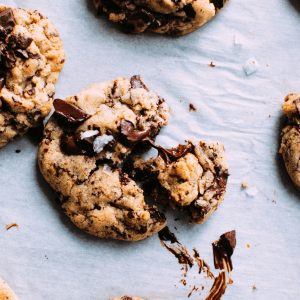
Pro tip: For chocolate chip cookies, check that the bottoms are lightly browned while the centers remain soft for a chewy texture.
Step 6: Cooling and Storage
Once baked, allow the cookies to cool completely on the sheet pan for several minutes before transferring them to a wire rack. This prevents breakage and helps the cannabis-infused butter set properly.
For storage:
- Place cooled cookies in an airtight container to preserve potency and freshness.
- Cookies can last up to two weeks at room temperature, or several months in the fridge.
- Freezing is possible, but may slightly alter texture.
Clearly label your container to prevent accidental consumption by anyone unaware of the edibles.
Step 7: Understanding Dosage and Effects
One of the most important parts of making cannabis cookies is dosing. Start with a low dose if you’re new to edibles—usually 5–10 mg THC per cookie. Effects can take one to two hours to kick in but can last four to six hours, depending on individual metabolism, body weight, and other factors influencing potency.
Be cautious with:
- High doses, which can lead to discomfort or a bad trip
- Consuming multiple cookies before the effects appear
- Combining with other substances such as alcohol or other edibles
Tracking your dosage ensures a safe and enjoyable experience while learning how your body reacts to cannabis edibles.
Step 8: Alternative Techniques and Tips
There are many techniques to enhance your cannabis cookie experience:
- Using coconut oil instead of butter for a vegan option
- Adding terpene-rich ingredients to enhance flavor and effects
- Using double boiler or candy thermometer for precise infusion
- Adjusting oven temperatures or baking time to alter texture (soft vs. crunchy)
Experimenting with these methods can improve both flavor and effectiveness, making your homemade cannabis cookies a personal favorite.
Step 9: Safety Tips for Cannabis Cookies
Consuming edibles safely is crucial:
- Keep cookies out of reach of children and pets
- Consume slowly, waiting at least two hours before more
- Store in airtight containers with clear labeling
- Avoid mixing with alcohol or other drugs
- If you have health conditions or take medications, consult a health care professional before consuming
Properly handling your edibles ensures a safe and enjoyable experience every time.
Step 10: Bon Appétit!
Now that you know how to make cannabis cookies, it’s time to enjoy your creation. Whether you prefer classic chocolate chip cookies or experiment with pot brownies-inspired flavors, homemade cannabis-infused cookies offer a versatile, flavorful, and precise way to enjoy the baking process and the effects of cannabis.
Remember: patience is key—start with a low dose, plan ahead, and allow time for effects to kick in. With proper preparation, attention to THC content, and safe storage, your cannabis cookies can become a go-to treat for relaxation, stress relief, or social enjoyment.
Bon appétit!
Frequently Asked Questions
1. Can you make cannabis cookies without cannabutter?
Yes, you can. While cannabis-infused butter or cannabis oil is the most common way to deliver cannabinoids in cookies, other fat-based alternatives like coconut oil or olive oil work as well. The key is that THC and other cannabinoids are fat-soluble, so using a fat source allows the THC content to bind and become effective. However, without any infused fat, cookies won’t deliver psychoactive effects or the desired edible experience.
2. Do cannabis bakehouse cookies get you high?
It depends on whether they contain activated weed. Cookies from a cannabis bakehouse are often made with properly decarboxylated cannabis in cannabis butter or oil, which ensures the THC content is active. Eating these cookies can produce a cannabis high, but the intensity depends on dosage, individual factors, and the THC potency per cookie. Always check labels for THC amounts and start with a low dose if you’re new to edibles.
3. What are the 7 steps in making cookies?
While there are variations depending on your recipe, a standard cookie-making process includes:
- Gather ingredients – flour, sugar, butter (or cannabis-infused butter), eggs, baking soda, etc.
- Preheat oven – usually to 350°F (175°C).
- Mix dry ingredients – combine flour, baking soda, baking powder, salt in a bowl.
- Mix wet ingredients – cream butter and sugar, then add eggs and vanilla extract.
- Combine wet and dry ingredients – gently fold to make a smooth dough.
- Portion dough – drop onto a prepared baking sheet lined with parchment paper.
- Bake and cool – bake until golden brown, then allow cookies to cool completely before serving.
For cannabis cookies, an additional step is making cannabutter or cannabis-infused oil before mixing ingredients.
4. Is making your own edibles worth it?
Absolutely. Making your own cannabis cookies lets you:
- Control THC and CBD dosage for a predictable edible experience.
- Use high-quality, organic ingredients without harmful additives.
- Experiment with flavors, textures, and mix-ins like chocolate chips or terpene-rich herbs.
- Save money compared to store-bought edibles and enjoy the fun of baking.
Homemade edibles also allow for responsible consumption, ensuring everyone knows the potency and dosage before eating. With proper preparation, storing in an airtight container, and clear labeling, baking your own cannabis cookies is both rewarding and convenient.
Jenna Renz

Jenna is a California-based creative copywriter who’s been lucky enough to have worked with a diverse range of clients before settling into the cannabis industry to explore her two greatest passions: writing and weed.