Rewards


If you’re wondering how to keep larger flower packs fresh, the answer is not “luck” or “just zip it back up.” Bigger packs dry out slower, sure. But they also get ruined in more creative ways: uneven moisture, stale terpenes, crushed buds, and the classic “Why does this smell like hay now?” tragedy. Fix it with the right humidity range, the right jar time, and by avoiding a few surprisingly common heat and light mistakes.
You don’t need a lab. You need a plan. Follow it. Repeat it. Your flower will stay fresher, longer.
What “fresh” actually means (so you don’t chase the wrong goal)




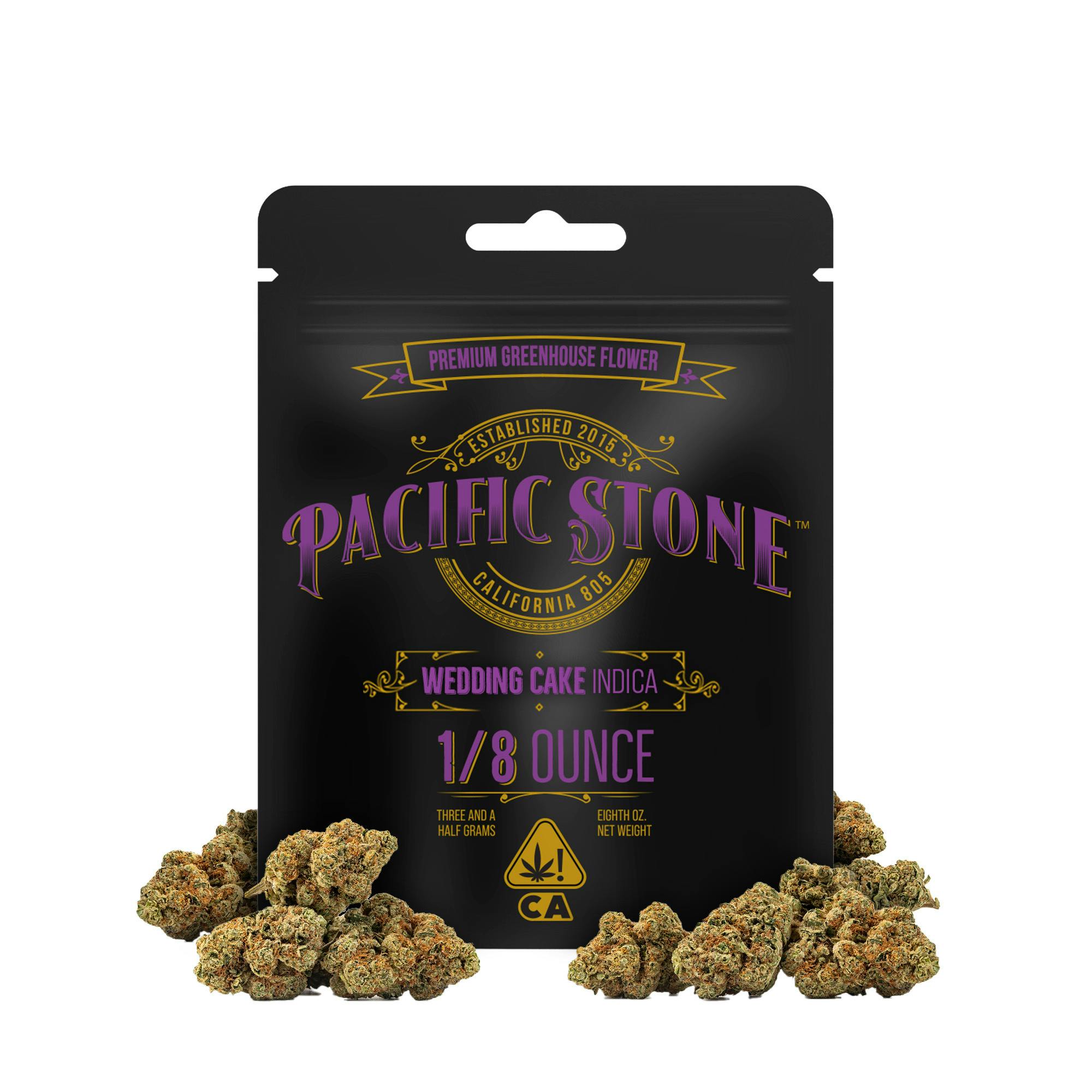
Fresh does not mean wet. Fresh means:
- A stable moisture level so the flower burns or vaporizes evenly
- Terpenes still intact so it smells and tastes like it should
- No harshness from overdried material
- No mustiness from excess moisture and microbial risk
Fresh is a balance. You want springy buds, not crumbly buds. You want aroma, not a muted “plant” smell. You want consistent texture from top nug to bottom nug, not a bag with two humidity zones like a weird weather map.
The humidity sweet spot: what % to aim for (and why)
Humidity control is the main lever. Get it right and everything else gets easier.
General humidity ranges (use these as your baseline)
- 55% to 58% RH: Drier feel, snappier burn, lower risk of moisture issues. Great if you smoke joints or prefer a slightly drier grind.
- 58% to 62% RH: The most common “fresh” zone. Better terp preservation, smoother inhale, more cushiony bud texture.
- 62% to 65% RH: On the moist side. Can be great for preserving aroma and texture, but don’t play games with storage conditions here. If your room is warm or your container isn’t airtight, you’re asking for trouble.
If you only remember one thing, remember this: 58% to 62% RH is the safest “fresh but not risky” range for most people. Repeat it. 58% to 62%.
Pick a target based on how you consume
- Mostly joints/blunts: 55% to 58%
- Mostly dry herb vape: 58% to 62% (often best for flavor)
- Long-term storage (weeks to months): 58% to 62% with airtight glass, cool and dark
- If your flower arrived a bit moist: start at 58% and let it stabilize before you consider going higher
Don’t confuse ambient humidity with container humidity
Your room’s humidity is not your jar’s humidity. A sealed container creates its own microclimate. That’s the whole point. You’re not trying to humidify your house like a rainforest. You’re trying to stabilize your flower like a sensible adult.
Why larger packs are harder to keep fresh than small ones
Large packs have two main problems:
- Moisture is uneven. The outer buds dry faster than the inner buds. The top dries differently than the bottom.
- People open them more. A big pack invites frequent peeks, repeated opening, and prolonged exposure while you “choose the perfect nug,” like you’re selecting a diamond.
Every time you open the container, you exchange air. That air exchange pulls aroma out and lets moisture drift. Large packs survive this better than small packs at first, then fall off a cliff once they’re off-balance.
Your job is to keep moisture even and exposure minimal.
Your core toolkit (and the storage accessories you should actually use)
You do not need a gadget museum. You need a few basics that work.
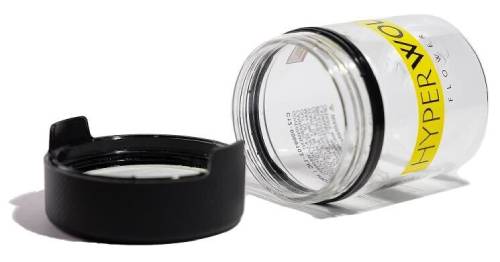
1) Airtight glass jar (non-negotiable)
If you’re storing more than a day or two, move flower out of the bag and into glass. Bags are fine for transport. Glass is for freshness.
Use:
- A wide-mouth mason jar (simple, cheap, effective)
- Or a dedicated airtight stash jar with a proper seal
If you want to upgrade your setup, see:
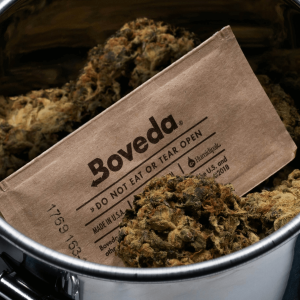
2) Humidity packs (the “set it and forget it” helper)
Humidity packs are not magic. They’re a stabilizer. They buffer swings and help maintain a target RH inside a sealed container.
Use humidity packs when:
- You open your jar often
- Your home climate swings (heat, AC, dry winters)
- You bought a larger pack and want consistency from first gram to last
3) A mini hygrometer (optional, but extremely clarifying)
Want to stop guessing? Put a small digital hygrometer in the jar. It tells you if you’re living in the 58% to 62% promised land or you’re actually in a crispy desert.
Jar time: the “let it stabilize” step people skip (then complain)
Jar time is the time you give flower to equalize moisture and settle into a stable RH environment inside an airtight container.
Here’s what most people do:
- Buy a large pack
- Leave it in the original bag
- Open it daily
- Wonder why the top buds are dry and the bottom buds are oddly spongy
Don’t do that.
The simple jar time method for large packs
Step 1: Move it to glass immediately.
Use one big jar, or better, split into two jars so buds aren’t packed tight.
Step 2: Add a humidity pack (optional but recommended).
Pick your RH target (usually 58% or 62%).
Step 3: Leave it alone for 24 to 72 hours.
Yes, really. Stop opening it every hour like it’s a loaf of bread rising. Let moisture distribute.
Step 4: After stabilization, open briefly once a day (or less).
Quick access only. Get your portion. Reseal.
How long should jar time be?
For most larger packs:
- 24 hours: noticeable improvement if the pack was already close to ideal
- 48 hours: better equalization, more consistent texture
- 72 hours: often the “sweet spot” for evening out a large pack, especially if the moisture was uneven
If the flower arrived very dry, jar time can still help, but don’t expect miracles. Humidity packs help rehydrate the airspace and slow further loss. They won’t resurrect terpenes that already evaporated into the void.
Should you “burp” the jar like a cure?
If your flower is already finished and you’re just storing it, you generally do not need curing-style burping.
Burping is for:
- actively curing flower that’s still off-gassing moisture and chlorophyll
- addressing excess moisture concerns early on
For regular storage, repeated long burps are just repeated terp loss. Short openings are fine. Long “air it out” sessions are not.
The big three: humidity, temperature, and light
You can have perfect RH and still ruin flower with bad environment choices. Let’s make this painfully simple.
Temperature: cool wins, warm loses
Heat speeds up:
- terpene evaporation
- cannabinoid degradation over time
- drying and texture loss
Aim for cool, stable temps. Don’t store next to:
- ovens
- radiators
- sunny windows
- gaming PCs that run hot enough to toast bread
Your jar does not need to be chilled. It needs to be stable.
Light: treat it like a vampire
Light is not “fine if it’s only a little.” Light is slow damage. UV and bright light degrade compounds and dull aroma.
Do this:
- Store in a dark cabinet, drawer, or closet
- Use amber glass if you want extra protection
- Keep it out of direct sunlight, always
Air exposure: every open is a mini reset
Oxygen exchange dries flower and pulls aroma out. Minimize openings. Also, don’t leave the bag or jar open “while you roll.” Pre-portion if you’re a slow roller.
A practical trick: keep a daily-use jar and a bulk storage jar. Open the bulk jar less. Repeat: open it less.
Top mistakes that ruin larger flower packs (and how to stop doing them)
This is the part where you recognize yourself. It’s fine. Fix it.
Mistake 1: Storing in the original bag long-term
Most bags are not perfectly airtight once opened. Even “resealable” ones leak over time.
Fix: Transfer to an airtight glass jar the same day you open the pack. If the pack is large, split into multiple jars so buds aren’t compressed.
Mistake 2: Leaving the bag or jar open while you “do stuff”
You grab a nug, then you get distracted, then you answer a text, then you remember you were in the middle of oxygenating your terpenes into oblivion.
Fix: Open. Remove. Close. That’s it. Be fast. Be boring. Be effective.
Mistake 3: Heat exposure from “convenient” storage spots
Top of the fridge. Above the microwave. Next to a window because it “looks cool.”
Fix: Store low, dark, and stable. A cabinet away from appliances is excellent. A drawer is even better.
Mistake 4: Light exposure because the jar looks pretty on a shelf
Clear jars + sunlight = slow fade. Your flower is not home decor.
Fix: Put it away. If you must use clear glass, store it in darkness.
Mistake 5: Overdrying because you think drier = safer
Overdrying kills the experience. It burns hotter, tastes flatter, and feels harsher. Also, once it’s crispy, it stays crispy.
Fix: Stabilize with 58% to 62% RH in airtight glass. If you prefer drier, use 55% to 58%, but don’t turn it into dust on purpose.
Mistake 6: “Fridge storage” myths
The fridge is humid, full of odors, and full of temperature swings every time you open it. Condensation is not your friend. Your flower can pick up smells, and repeated cooling/warming cycles can create moisture issues on the surface.
Fix: Don’t store flower in the fridge for regular use. Store it in a cool, dark place at room-ish temps instead.
If you insist on cold storage for special cases, do it properly: airtight, odor-proof, stable, and protected from condensation. Most people do not do it properly. Most people create salad-scented flower. Avoid.
Mistake 7: Freezer storage (worse than the fridge for most people)
Freezing makes trichomes brittle. Handling frozen buds can knock off precious bits. Also, moisture and condensation risks go up if you thaw improperly.
Fix: Skip the freezer unless you truly know what you’re doing and you’re storing for the long haul with a controlled method. For typical larger packs, it’s unnecessary and often counterproductive.
Mistake 8: Crushing buds by overfilling jars
Compression damages structure and can make moisture distribution worse. Also, you end up with a jar of flattened nuggets and sadness.
Fix: Use a jar size that allows buds to sit comfortably. If you can’t close the lid without pushing flower down, you need a second jar.
Mistake 9: Using random “rehydration hacks” that spike moisture too fast
Orange peels. Lettuce. Bread. The internet’s favorite chaotic moisture sources.
They can:
- add too much moisture too quickly
- introduce odors
- introduce microbial risk
Fix: Use humidity packs. Use glass. Use patience. Be a grown-up about it.
A practical freshness routine for larger packs (copy this)
Here’s a simple routine that works for most people and most climates.
- Day 1: Move flower into airtight glass jars (split into 2 jars if needed).
- Add a 58% or 62% humidity pack to each jar.
- Wait 48 hours with minimal opening.
- After that, create a small daily-use jar and refill it as needed from the main jar.
- Store all jars in a dark, cool place away from heat sources.
- Check texture weekly. Replace humidity packs when they’re spent (they’ll stiffen/harden over time).
Repeat. Repeat. Repeat.
How to tell if your flower is too dry or too moist (quick field test)
Signs it’s too dry
- Buds feel brittle, grind into powder
- Aroma is muted or “flat”
- Smoke feels hot/harsh
- Buds crumble instead of tearing
What to do: Stabilize in airtight glass with a 58% or 62% humidity pack for several days. Don’t expect instant results. Let it settle.
Signs it’s too moist (or risky)
- Buds feel spongy or wet on the surface
- Smell is musty, ammonia-like, or “off”
- Flower sticks together in a dense clump
- You see visible condensation inside the jar (bad sign)
What to do: Remove the humidity pack if you added one. Increase airflow briefly with short, controlled openings. Consider splitting into more jars so moisture distributes. If odor is suspicious, do not ignore it.
Do humidity packs “steal” terpenes? Let’s settle this
Humidity packs don’t “suck out” terps like a vacuum cleaner. The bigger issue is usually this: people use humidity packs as a bandage while still storing poorly.
If your jar isn’t airtight, your environment is warm, and you open the jar constantly, your aroma will fade. That’s not the pack’s fault. That’s physics and bad habits.
Use packs as a stabilizer, not a miracle. Store cool and dark. Open briefly. Seal tightly. Freshness stays.
FAQ: How to Keep Larger Flower Packs Fresh
1. What humidity % is best to keep larger flower packs fresh?
For most people, 58% to 62% RH is the best range for keeping flower fresh, aromatic, and smooth without pushing moisture too high. If you like a drier burn, use 55% to 58% RH.
2. How long should I leave flower in a jar before it tastes better?
Give it 24 to 72 hours of jar time to stabilize and equalize moisture. For larger packs, 48 to 72 hours is often the sweet spot.
3. Should I store flower in the fridge to keep it fresh?
No, not for normal storage. Fridges introduce humidity, odors, and temperature swings, which can lead to condensation and flavor loss. Use an airtight glass jar in a cool, dark cabinet instead.
4. Can I rehydrate dry flower back to perfect freshness?
You can improve texture and reduce harshness with airtight glass and a 58% or 62% humidity pack, but you can’t fully restore terpenes that already evaporated. Preventing dryness is easier than fixing it.
5. Is it better to store a large pack in one jar or multiple jars?
Multiple jars usually work better. Splitting reduces compression and helps keep moisture more even. It also limits how often your main supply gets exposed to air.
6. How often should I open the jar?
As little as practical. Open, take what you need, close it. If you access your flower daily, use a small daily-use jar and keep the bulk jar sealed most of the time.
7. Do humidity packs make flower too moist?
They shouldn’t if you pick the right RH pack and use an airtight container. If your flower already feels too moist, don’t add a high RH pack. Start lower (like 58%) and stabilize in a properly sealed jar.
8. What are the biggest mistakes that dry out flower fast?
The usual suspects: heat, light, leaving the bag/jar open, storing long-term in the original bag, and overdrying on purpose because someone said “drier is safer.”
9. How do I know when to replace a humidity pack?
Most packs gradually stiffen and become firm as they get used up. If your jar’s humidity starts drifting and the pack feels dried out or hard, replace it.
10. What’s the best container material for freshness?
Airtight glass is the go-to. It’s stable, odor-neutral, and seals well. If you want extra protection from light, use amber glass or store clear glass in darkness.
Jenna Renz

Jenna is a California-based creative copywriter who’s been lucky enough to have worked with a diverse range of clients before settling into the cannabis industry to explore her two greatest passions: writing and weed.