Rewards


How to cook with cannabis at home without accidentally launching yourself into outer space starts with one unglamorous step: doing the math, then doing the prep, then doing the cooking. In that order. Yes, you can make cannabutter and infused oils in a regular kitchen. No, you should not “just eyeball it.” Unless your goal is to eat half a brownie and spend three hours arguing with your ceiling fan.
This guide covers decarboxylation (the “make it work” step), cannabutter and oil infusion (the “make it tasty” step), dosing calculations (the “make it predictable” step), and a handful of simple recipes you can actually pull off on a weeknight.
And if you want the cooking part to be the only adventure here, start with quality, lab-tested flower. HyperWolf is a solid move when you want fresh cannabis flower delivered same-day for your next kitchen session. Grab strains known for flavorful terpene profiles and consistent potency, then cook like an adult.
The one thing you must understand before you cook


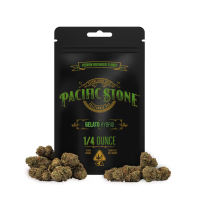
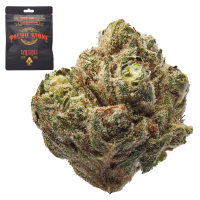
Raw cannabis isn’t fully “active” for edibles. Most flower contains THCA, not THC. Heat converts THCA into THC through decarboxylation (decarb). Skip decarb and your edibles can be weak, inconsistent, or just disappointing. Decarb correctly and your infusion becomes potent, predictable, and worth your butter.
Also: edibles feel different. They hit slower, last longer, and can surprise confident people. Respect the process. Respect the dose. Repeat: respect the dose.
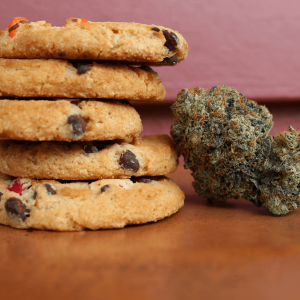
What you need (keep it simple)
You don’t need a culinary degree. You need a few basics:
- Cannabis flower (fresh, quality, ideally lab-tested)
- Oven (for decarb)
- Baking sheet + parchment paper (or foil)
- Mason jar (optional) (helps reduce smell during decarb/infusion)
- Butter or oil (your infusion base)
- Small saucepan or double boiler (gentle heat = better results)
- Thermometer (recommended) (accuracy saves you)
- Fine mesh strainer / cheesecloth (straining plant material)
- Airtight container (storage)
- Notebook or notes app (write down potency and dosage math)
Step 1: Decarboxylation (make your cannabis “edible-ready”)
Why decarb matters
Decarb activates cannabinoids and improves the efficiency of your infusion. It also helps make dosing more consistent. This is the difference between “nice” and “why am I still sober?”
Basic decarb method (oven)
Goal: heat cannabis gently enough to activate cannabinoids without scorching terpenes into oblivion.
- Preheat oven to 240°F (115°C).
- Break up flower into small pieces. Don’t grind to dust. Dust makes straining harder and can taste bitter.
- Spread evenly on a parchment-lined baking sheet.
- Bake 30–40 minutes, gently stirring once halfway through.
- Remove and let cool completely.
Tips that prevent rookie mistakes
- Avoid high heat. Don’t crank it “to be faster.” You’ll just degrade cannabinoids.
- Use a thermometer if your oven is unreliable. Many ovens lie.
- Want less smell? Decarb in a sealed mason jar (finger-tight lid), then cool before opening.
How much flower should you decarb?
Common starting points:
- 3.5g (an eighth): good for a small batch of butter/oil.
- 7g (a quarter): medium potency for casual bakers.
- 14g (a half): stronger, more servings, more responsibility.
If you’re new, start lower. You can always take more. You cannot untake.
Step 2: Choose your infusion base (butter vs oil)
Cannabutter: rich, classic, and baked-good friendly
Pros: great flavor, perfect for cookies/brownies/toast, familiar texture.
Cons: contains water and milk solids (shorter shelf life than oil), not ideal for high-heat frying.
Infused oils: versatile and often longer-lasting
Pros: flexible, good shelf life, easy for savory cooking, can be vegan.
Cons: some oils have lower smoke points, strong flavor can clash with delicate dishes.
Best oils for most people
- Coconut oil: strong infusion capacity, solid at room temp, great for edibles.
- Olive oil: excellent for savory recipes, dressings, and low-heat cooking.
- Avocado oil: higher smoke point, more forgiving for cooking.
Pick based on what you’ll cook. Don’t infuse olive oil if your dream is chocolate chip cookies. That’s how you make sadness.
Step 3: Infusion methods (cannabutter + infused oil)
Method A: Classic stovetop cannabutter (gentle and reliable)
Ingredients
- 1 cup (2 sticks) unsalted butter
- 1 cup water (helps control temperature and reduces scorching)
- 7–10g decarbed flower (adjust to preference)
Instructions
- In a saucepan, add butter + water and melt on low.
- Add decarbed cannabis.
- Keep the mixture at a gentle simmer for 2–3 hours. Target temperature: 160–200°F (71–93°C). Do not boil aggressively. Don’t fry your cannabinoids.
- Stir occasionally and add a splash of water if needed.
- Strain through cheesecloth or a fine mesh strainer into a container.
- Chill in the fridge until solid.
- Remove the hardened butter and discard the water underneath.
Result: cannabutter ready for baking, spreading, or melting into sauces.
Flavor upgrade After infusion, mix the warm strained butter with a pinch of salt. It makes everything taste like you know what you’re doing.
Method B: Stovetop infused oil (easy, savory-friendly)
Ingredients
- 1 cup oil (coconut, olive, or avocado)
- 7–10g decarbed flower
Instructions
- Add oil to a small saucepan or double boiler.
- Add decarbed cannabis.
- Heat on low for 2–3 hours, keeping it around 160–200°F (71–93°C).
- Stir occasionally.
- Strain into a clean jar.
- Cool, cap, and store.
Pro tip: Use a double boiler if you tend to get distracted. It’s harder to overheat.
Method C: Mason jar water-bath infusion (low smell, low fuss)
This is the “my neighbors are curious” method.
- Put decarbed cannabis and butter/oil into a mason jar.
- Close lid finger-tight (not aggressively tight).
- Place jar in a pot with a towel at the bottom.
- Add water up to the jar’s shoulder.
- Simmer gently for 2–4 hours, topping up water as needed.
- Remove carefully, cool, strain.
It’s not magic. It’s just controlled heat with fewer aromas escaping.
Dosing: calculate it like a grown-up (simple math, big payoff)
Edibles get messy when you don’t know potency. Your goal is not “maximum strength.” Your goal is repeatable strength.
Step 1: Estimate total THC in your flower
You need:
- Flower weight in grams
- THC percentage (from the label/lab results)
Formula (estimated total THC in mg):
grams × 1000 × THC%
Example:
- 7g flower at 20% THC
- 7 × 1000 × 0.20 = 1400 mg THC (theoretical)
Step 2: Apply a realistic efficiency factor
Infusion and decarb aren’t 100% efficient. A common home-kitchen assumption is 60–80% efficiency depending on method and care.
Use 0.7 (70%) as a practical middle.
Example:
1400 mg × 0.7 = 980 mg THC in the butter/oil (estimated)
Step 3: Convert to mg per tablespoon (or per teaspoon)
1 cup = 16 tablespoons = 48 teaspoons
Example (1 cup infusion contains 980 mg THC):
- Per tablespoon: 980 ÷ 16 = 61 mg THC per tbsp
- Per teaspoon: 980 ÷ 48 = 20 mg THC per tsp
Now you’re cooking with information, not vibes.
Beginner dosing guidance (general, not medical advice)
- 1–2.5 mg THC: very mild
- 2.5–5 mg THC: mild
- 5–10 mg THC: moderate (many people feel this)
- 10–20 mg THC: strong for many
- 20+ mg THC: expert territory, plan canceled
If you’re new, aim for 2.5–5 mg per serving. Repeat: start low, go slow.
Timing rules (so you don’t double-dose)
- Wait at least 2 hours before taking more.
- Some people feel it later, especially with a big meal.
- Your second brownie is not “a backup plan.” It’s how legends are born and regrets are made.
Choose flower that actually cooks well (and tastes good doing it)
Cooking with cannabis isn’t only about THC. Terpenes influence aroma and flavor, and some strains simply play nicer in the kitchen.
Here’s the practical approach:
- Want bright, citrusy notes for gummies, frostings, or lemon bars? Look for limonene-forward strains.
- Want herbal, piney notes for savory dishes, pesto, and roasted vegetables? Look for pinene.
- Want sweet, floral, dessert-friendly vibes? Look for linalool and caryophyllene combinations.
Shop smart. HyperWolf makes it easy to browse quality flower and get it delivered same-day, which is perfect when your “I’ll cook this weekend” plan suddenly becomes “I’m cooking tonight.”
If you want to integrate products cleanly in your workflow, do this:
- Pick a strain that matches your recipe style (dessert vs savory).
- Confirm THC % so your dosing math isn’t fiction.
- Order from a reliable source like HyperWolf so you’re not infusing mystery weed and praying.
Storage and shelf life (don’t waste your work)
Cannabutter
- Fridge: 2–3 weeks (often fine longer if cleanly handled, but be conservative)
- Freezer: up to 6 months
- Store airtight, label potency, date it.
Infused oil
- Many oils last 1–2 months at cool room temp (varies by oil), longer in the fridge.
- Keep away from heat and light.
- If it smells rancid, it’s rancid. Trust your nose.
Label everything Write:
- Estimated mg THC per tsp/tbsp
- Strain
- Date
- “DO NOT FEED GRANDMA” (optional but emotionally wise)
Safety and common-sense rules (boring, important)
- Keep infused products away from kids and pets. This is non-negotiable.
- Don’t drive after consuming.
- Avoid mixing with alcohol if you’re not experienced.
- If you overdo it: hydrate, eat something light, lie down, and wait. You’re not dying. You’re just learning.
4 easy recipes (simple, forgiving, and actually good)
Each recipe below assumes you already made cannabutter or infused oil and know your estimated mg per teaspoon. If you don’t, go back to the dosing section. Yes, again. Repetition is love.
Recipe 1: 5-minute infused honey butter toast (aka: the “I want something now” snack)
Best base: cannabutter (or coconut oil if you must)
Why it works: fast, tasty, easy to dose precisely.
Ingredients (1 serving)
- 1 slice toast
- 1–2 tsp cannabutter (dose to your comfort)
- 1 tsp honey
- Pinch of sea salt or cinnamon
Instructions
- Toast bread.
- Spread measured cannabutter.
- Drizzle honey.
- Add salt or cinnamon. Eat. Relax. Wait 2 hours before deciding you’re “immune.”
Dose tip If your cannabutter is 20 mg per tsp, use ¼ tsp for ~5 mg. Measure it. Don’t freestyle.
Recipe 2: No-bake infused peanut butter bites (no oven, no drama)
Best base: coconut oil or cannabutter
Yield: ~12 bites (depending on size)
Ingredients
- ½ cup peanut butter (or almond butter)
- ¼ cup oats
- 2 tbsp honey or maple syrup
- 2–3 tbsp infused coconut oil or melted cannabutter (measured)
- Optional: chocolate chips, pinch of salt, vanilla
Instructions
- Mix everything in a bowl until it holds together.
- Roll into 10–12 balls.
- Chill 30 minutes.
Dosing method
- Decide your target mg per bite (start at 2.5–5 mg).
- Multiply by number of bites to get total mg needed.
- Add the amount of infused fat that matches that mg total.
Example:
- Want 12 bites at 5 mg each = 60 mg total
- If your infusion is 20 mg per tsp, you need 3 tsp total.
Clean. Predictable. Repeatable.
Recipe 3: Infused garlic herb pasta (savory, low effort, big payoff)
Best base: infused olive oil
Why it works: you can dose per plate by measuring oil.
Ingredients (2 servings)
- 6–8 oz pasta
- 1–2 tbsp infused olive oil (measured)
- 2 cloves garlic, sliced
- Chili flakes (optional)
- Salt + black pepper
- Parmesan (optional)
- Lemon zest or parsley (optional)
Instructions
- Cook pasta. Reserve a splash of pasta water.
- In a pan on low, warm infused olive oil gently.
- Add garlic, cook until fragrant. Don’t brown it aggressively.
- Toss in pasta with a splash of pasta water.
- Season, finish with parmesan and lemon zest.
Important Avoid high heat. Treat infused oil like a delicate perfume. Heat it too hard and it gets bitter and less potent.
Recipe 4: Simple infused brownies (classic, because of course)
Best base: cannabutter
Yield: usually 9–16 pieces, depending on cut size
Ingredients
- ½ cup cannabutter (measured potency)
- 1 cup sugar
- 2 eggs
- 1 tsp vanilla
- ⅓ cup cocoa powder
- ½ cup flour
- ¼ tsp salt
- Optional: chocolate chunks, walnuts
Instructions
- Preheat oven to 325°F (163°C).
- Mix melted cannabutter + sugar.
- Add eggs + vanilla.
- Mix in cocoa, flour, salt.
- Pour into a lined pan.
- Bake 20–30 minutes until just set.
Dosing your brownies
- Calculate total mg THC in the cannabutter used (not the whole batch you made, only what goes into brownies).
- Divide by number of brownies.
Example:
- Your cannabutter: 20 mg per tsp
- ½ cup butter = 24 tsp
- Total in recipe = 24 × 20 = 480 mg
- Cut into 16 brownies: 480 ÷ 16 = 30 mg each (too high for most beginners)
Fix it by:
- Using less cannabutter and topping up with regular butter, or
- Cutting smaller pieces, or
- Making a weaker infusion next time
Do the math first. Your future self will clap politely.
How to make edibles taste better (because “green” is not a flavor)
- Strain well. Tiny particles = bitter taste.
- Don’t overcook the infusion. Burnt plant notes are forever.
- Use strong flavors strategically. Cocoa, peanut butter, coffee, garlic, citrus zest, or even baking with pepper for an unexpected twist.
- Add salt. A pinch makes desserts pop and savory dishes sing.
- Pick tasty flower. This is where quality matters. HyperWolf’s curated selection and same-day delivery makes it easier to start with flower that doesn’t taste like lawn clippings.
Troubleshooting (fix the usual messes)
“My edibles did nothing.”
- You may have skipped/under-done decarb.
- Temperature may have been too low or infusion too short.
- Dosing assumptions may be wrong (low THC flower).
- Give it time. Some people need 2+ hours.
“They hit way too hard.”
- Too much THC per serving. Next time reduce infusion strength or serving size.
- Don’t stack doses. Wait.
- Keep CBD on hand if you like (some people find it helps take the edge off).
“It tastes too weedy.”
- Don’t grind too fine.
- Strain better.
- Lower infusion temperature.
- Pair with bold flavors (cocoa, cinnamon, garlic, citrus).
“My butter separated weirdly.”
- If you used water, separation is normal. Chill and remove the butter layer.
- If it’s oily or greasy, it may have overheated. Lower temp next time.
A simple “first-time” plan (follow this and you’ll be fine)
- Buy quality, lab-tested flower (HyperWolf makes this easy, especially with same-day delivery).
- Decarb at 240°F for 30–40 minutes.
- Infuse 7g into 1 cup butter on low for 2–3 hours.
- Estimate potency using the formula and a 70% efficiency assumption.
- Make no-bake bites or toast first. Easy dosing. Low risk.
- Start with 2.5–5 mg. Wait 2 hours. Repeat only if needed.
Do less. Enjoy more. Repeat: do less, enjoy more.
Wrap-up: cook smart, dose smarter
Cooking with cannabis at home is not complicated, but it does demand respect for the process. Decarb properly. Infuse gently. Do the dosing math. Then start low and go slow like you’re trying to keep your evening plans intact.
When you’re ready to stock your pantry for your next batch, get flower you can trust. HyperWolf is a strong option for quality cannabis flower delivered same-day, and that’s exactly the kind of convenience your kitchen deserves.
Now go make cannabutter. Label it. Measure it. Enjoy it. And please, for the love of your schedule, don’t “just try another piece” after 45 minutes.
How to Cook with Cannabis: FAQs (Frequently Asked Questions)
1. Why is decarboxylation essential when cooking with cannabis at home?
Decarboxylation activates cannabinoids by converting THCA into THC through gentle heating. Without this step, your edibles can be weak, inconsistent, or ineffective. Proper decarb ensures your infusion is potent, predictable, and worth the effort.
2. What basic equipment do I need to make cannabutter or infused oils in my kitchen?
You need quality cannabis flower (ideally lab-tested), an oven for decarboxylation, a baking sheet with parchment paper, butter or oil as your infusion base, a small saucepan or double boiler for gentle heating, a fine mesh strainer or cheesecloth for filtering plant material, an airtight container for storage, and optionally a thermometer and mason jar to help control temperature and reduce smell.
3. How do I properly decarb cannabis flower using an oven?
Preheat your oven to 240°F (115°C). Break up the flower into small pieces without grinding to dust. Spread evenly on a parchment-lined baking sheet. Bake for 30–40 minutes, stirring gently halfway through. Remove from oven and let cool completely before using. Avoid higher temperatures to preserve terpenes and cannabinoids.
4. Should I use butter or oil as my infusion base when cooking with cannabis?
Butter (cannabutter) offers rich flavor perfect for baked goods like cookies and brownies but has a shorter shelf life due to water content. Infused oils like coconut, olive, or avocado oil offer versatility and longer shelf life; choose based on your recipe needs—e.g., coconut oil for edibles, olive oil for savory dishes.
5. How do I infuse butter with cannabis on the stovetop safely?
Melt 1 cup unsalted butter with 1 cup water on low heat in a saucepan. Add 7–10 grams of decarbed cannabis flower. Maintain a gentle simmer at 160–200°F (71–93°C) for 2–3 hours without boiling aggressively to prevent degrading cannabinoids. Stir occasionally for even infusion.
6. How can I ensure consistent dosing when making cannabis edibles at home?
Start by doing the math: know the potency of your lab-tested cannabis flower and calculate how much THC per serving you want. Decarboxylate properly to activate cannabinoids fully. Keep detailed notes on amounts used during infusion and final product yields. Always start with lower doses until you understand effects to avoid surprises.
Jenna Renz

Jenna is a California-based creative copywriter who’s been lucky enough to have worked with a diverse range of clients before settling into the cannabis industry to explore her two greatest passions: writing and weed.