Rewards


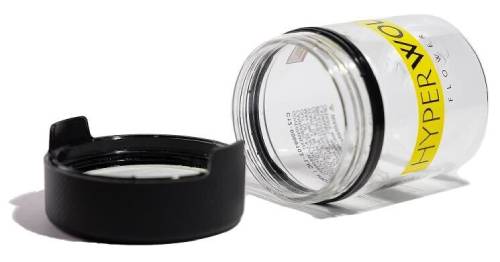

Hexahydrocannabinol, commonly referred to as HHC, is an emerging cannabinoid that has been gaining attention in the cannabis industry over the last few years. Unlike more familiar cannabinoids such as delta 9 THC, HHC is a minor cannabinoid that can be found naturally in the cannabis plant in trace amounts but is often synthetically manufactured for use in commercial HHC products. It has attracted a following due to its psychoactive effects, legal ambiguity, and availability in a variety of hemp derived products.
One of the most common questions people ask when they consume HHC is: “how long does HHC stay in system?” This question is especially important for those who may have an upcoming drug test, are curious about the duration of HHC effects, or want to understand how HHC metabolites behave in the body. Unlike THC, which has been extensively studied, HHC is still a relatively new minor cannabinoid, and information about its detection window, metabolism, and interaction with the body’s endocannabinoid system is emerging from ongoing clinical and laboratory investigation.
In this guide, we’ll explore the metabolism of HHC, the factors influencing how long HHC stays in your system, how different drug tests can detect it, and practical tips for safe and responsible HHC consumption. Along the way, we’ll also compare HHC to other cannabinoids, discuss its psychoactive effects, and provide insight into its legal status and presence in hemp derived cannabinoids.
What Is HHC? Understanding HHC




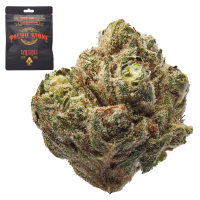
HHC, or hexahydrocannabinol, is a hydrogenated derivative of THC that falls into the category of hemp derived cannabinoids. Its chemical structure is slightly different from delta 9 THC, which gives it unique properties in terms of potency, duration, and metabolism. While it is a psychoactive cannabinoid, many users describe its HHC effects as smoother, less intense, and more manageable than delta 9 THC, making it appealing to both casual and experienced cannabis consumers.
HHC can be naturally present in the cannabis plant, but it is most commonly synthetically manufactured for use in commercial HHC products. This process typically involves hydrogenating THC to create a more stable molecule that resists oxidation. Because it is a minor cannabinoid, HHC is not as widely understood as THC or CBD, and ongoing cannabinoid research is still uncovering its full profile of psychoactive effects, metabolism, and potential applications in hemp derived products.
Another important aspect to consider is HHC’s legal status. While hemp derived, it exists in a gray area of legality in many regions. Some users assume that because it comes from hemp products, it is automatically legal, but regulations vary depending on state laws and local enforcement. Understanding HHC’s legal nuances is an important part of responsible use, especially for anyone subject to standard drug tests or concerned about legal consequences.
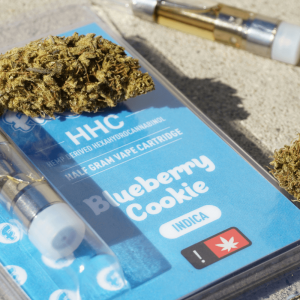
How HHC Interacts With the Body
When you consume HHC, it interacts primarily with the body’s endocannabinoid system by binding to cannabinoid receptors CB1 and CB2. This interaction triggers a variety of psychoactive effects, influencing mood, perception, appetite, and other physiological processes. The endocannabinoid system is a complex network that plays a central role in maintaining balance within the body, and HHC’s interaction with it is what allows users to experience the subtle euphoria and relaxation that it produces.
HHC’s binding affinity is slightly different from delta 9 THC, which may account for its smoother psychoactive profile. It is also fat-soluble, meaning it can be stored in fat cells and released gradually over time. This is particularly important for chronic users, as higher body fat percentages can prolong the HHC stay in the system, potentially increasing the window during which it can be detected in urine tests or hair tests.
Additionally, how HHC interacts with your body depends on your method of HHC consumption. Smoking or vaping quickly HHC allows it to enter the bloodstream almost immediately, producing rapid effects. Conversely, edibles, tinctures, or capsules are metabolized more slowly, delaying both the onset of effects and the timing of HHC detection. Understanding this interaction helps users make informed decisions regarding dosage, frequency, and timing relative to drug tests.
HHC’s Psychoactive Effects
The psychoactive effects of HHC are generally described as milder than delta 9 THC, but still noticeable. Users may experience euphoria, increased relaxation, a sense of calm, and mild cognitive alteration. The effects can vary depending on HHC products, the method of HHC consumption, and individual factors such as body fat percentage and individual metabolism.
Some users report that HHC produces a more clear-headed and functional high compared to synthetic cannabinoids, making it appealing for daytime use or social settings. Because HHC is a minor cannabinoid, it may also interact with other cannabinoids in hemp derived products, potentially enhancing or modulating effects in a phenomenon often referred to as the entourage effect.
Understanding the duration and intensity of HHC’s psychoactive effects is important not just for enjoyment, but also for managing potential outcomes on drug tests, since prolonged effects often correlate with longer detection windows in urine drug tests or blood tests.
How HHC Is Metabolized in the Body
Once ingested, HHC is metabolized by the liver through the action of liver enzymes, particularly the CYP450 enzyme system. The liver transforms HHC into HHC metabolites, including HHC-COOH, which are then excreted over time via urine and feces. This metabolic pathway is similar to that of delta 9 THC, but subtle differences in chemical structure mean that HHC metabolites may persist differently in the body.
The metabolism of HHC can be affected by a wide range of factors. For example, chronic users tend to accumulate HHC metabolites in fat cells, extending the detection window for hhc drug tests. Conversely, occasional users may metabolize and eliminate HHC more quickly, resulting in a shorter HHC stay in the system. Even hydration, diet, and general health can play minor but measurable roles in how efficiently the body clears hemp derived cannabinoids.
It’s also important to note that HHC can be consumed in a variety of forms, from hemp products and edibles to tinctures and concentrates, each influencing how HHC is absorbed, metabolized, and eventually detected in different drug tests.
Factors Influencing How Long HHC Stays in Your System
Determining how long does HHC stay in system is not a one-size-fits-all equation. Several factors influence the HHC detection window, including:
- Dosage and potency of HHC products: Larger amounts or stronger commercial HHC products naturally prolong the HHC stay in your system.
- Frequency of HHC use: Chronic users may accumulate HHC metabolites, leading to longer detection periods compared to occasional users.
- Body fat percentage: HHC is lipophilic, meaning it is stored in fat cells, so individuals with higher body fat percentages may retain HHC metabolites longer.
- Metabolism: People with faster human metabolism may eliminate HHC more quickly, while those with slower metabolism may retain detectable levels longer.
- Method of consumption: Smoking or vaping results in faster absorption and quicker peak effects, whereas edibles and tinctures extend both the duration of HHC effects and its presence in the system.
- Age, health, and liver function: Impaired liver function can reduce the efficiency of metabolizing HHC and other cannabinoids, impacting HHC detection.
Recognizing these factors influencing HHC’s duration in the body is particularly important if there’s a drug test coming, since the likelihood of a positive result can vary dramatically from person to person.
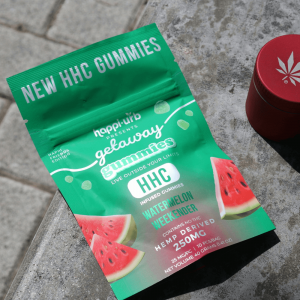
HHC Half-Life Explained
The concept of half-life is essential when discussing how long does HHC stay in system. A half-life is the time it takes for half of a substance to be metabolized and cleared from the body. While exact data for HHC is still limited, clinical and laboratory investigation suggests its half-life may be comparable to or slightly longer than delta 9 THC, particularly due to its partial resistance to metabolic breakdown.
- Occasional users may see HHC largely eliminated within a few days, while chronic users could have HHC metabolites detectable for over a week.
- HHC’s fat-soluble nature allows it to be stored in fat cells, contributing to prolonged detection even after effects have subsided.
- Understanding HHC’s half-life can help users better anticipate detection windows on urine drug tests or blood tests.
This knowledge also highlights why eliminate HHC strategies such as hydration, diet, or exercise have limited impact—they may slightly aid clearance but cannot guarantee a negative result.
HHC Detection Methods
Detecting HHC in the body can be complicated due to its chemical similarity to THC and its presence as a minor cannabinoid. The most common HHC detection methods include:
- Urine tests – The most widely used standard drug tests, which detect HHC metabolites like HHC-COOH. These tests generally cover recent use, but metabolites can linger depending on HHC use patterns.
- Blood tests – Detect active HHC molecules rather than metabolites, making the detection window shorter but accurate for recent consumption.
- Saliva tests – Typically used for roadside or immediate testing, useful for detecting HHC and drug tests shortly after use.
- Hair tests – Detect HHC over months because HHC metabolites accumulate in hair follicles.
Understanding the different drug tests is crucial for anyone concerned about a drug test coming, as each test type has varying sensitivity and detection windows.
HHC Detection Window
The HHC detection window refers to the period during which HHC metabolites can be identified in your body through different drug tests. This window is not fixed, as it varies depending on a combination of HHC use patterns, individual metabolism, and body composition.
For occasional users, HHC may stay in your system for only 1–3 days, as the body efficiently metabolizes and eliminates the cannabinoid. However, for moderate users, the detection window can extend to 3–7 days, as repeated consumption leads to accumulation in fat cells. Chronic users may find that HHC metabolites persist for 1–2+ weeks due to the gradual release of stored HHC from body fat.
It’s important to remember that urine tests—the most commonly used standard drug tests—detect HHC-COOH metabolites rather than the active HHC molecule. This means a user may no longer feel the psychoactive effects, yet a positive test result is still possible. Similarly, hair tests provide a longer-term record of HHC use, sometimes detecting the cannabinoid months after HHC consumption, making them particularly important for individuals concerned about upcoming drug tests or legal consequences.
Effects of HHC Consumption Method on Detection
The method of HHC consumption significantly impacts both the intensity of psychoactive effects and the length of HHC stay in the body. Smoking or vaping quickly HHC enters the bloodstream, producing immediate effects that peak within minutes. However, the metabolites may not persist as long as with oral consumption. Edibles, tinctures, and capsules, on the other hand, undergo first-pass metabolism in the liver, producing delayed but more prolonged HHC effects.
For instance, an HHC gummy may take 30–90 minutes to produce noticeable psychoactive effects, but HHC metabolites from the edible may linger longer in urine tests due to slow digestion and absorption. High-potency concentrates can also extend the HHC detection window, as larger amounts of cannabinoids are metabolized and stored in fat cells, particularly in chronic users.
Understanding how HHC interacts with the body’s endocannabinoid system in each consumption method is critical. It helps users anticipate both the intensity of psychoactive effects and potential detection risks on urine drug tests, blood tests, saliva tests, and hair tests. This knowledge is particularly important for individuals using hemp derived cannabinoids in work, travel, or other regulated environments.
Can You Speed Up HHC Clearance?
Many users are interested in ways to eliminate HHC before an upcoming drug test. While there is no guaranteed method to fully flush HHC metabolites, certain strategies may slightly accelerate clearance:
- Hydration: Drinking plenty of water can help dilute urine, potentially lowering the concentration of HHC metabolites.
- Exercise: Engaging in physical activity can burn fat cells where HHC is stored, slowly releasing metabolites into the bloodstream for excretion.
- Dietary fiber: High-fiber foods may help improve the rate at which cannabinoids are removed via feces.
- Time: Ultimately, the most reliable way to eliminate HHC is to allow sufficient time for metabolism and excretion based on individual metabolism and body fat percentage.
Despite these measures, it’s critical to understand that no detox method guarantees a negative result on standard drug tests. HHC metabolites are stored in fat cells and released gradually, making rapid elimination difficult. Users should plan HHC consumption carefully, particularly if they anticipate hhc drug tests or potential legal consequences.
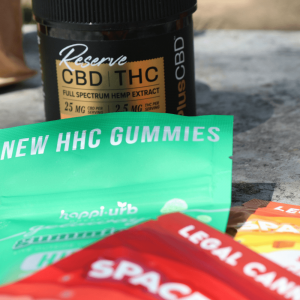
HHC vs THC: How They Differ in the System
While HHC and delta 9 THC share a similar molecular backbone, they differ in chemical structure, potency, and metabolism. HHC is slightly more stable than THC, which can affect how long it stays in your system. HHC and drug tests often detect HHC metabolites rather than the active compound, which can result in a longer detection window for frequent users compared to casual THC consumers.
The psychoactive effects also differ; HHC is typically reported as milder and more manageable than THC, producing a smoother experience. However, like THC, HHC is fat-soluble, meaning it can accumulate in body fat and be released slowly over time. This accumulation is particularly important for chronic users, who may find that hhc stay in the system is significantly longer than occasional users.
From a drug test perspective, it’s also important to note that some panels may detect HHC as THC, potentially triggering a positive test result even if the user only consumed hemp derived cannabinoids. This distinction underscores the importance of understanding both HHC detection and cannabinoid metabolism in preparation for any upcoming drug test.
Potential Risks of HHC Detection
Understanding how long HHC stays in your system is more than a curiosity—it has real-world implications. One of the primary risks is failing a drug test, particularly in workplaces that enforce standard drug tests. Even users who feel they consumed only a small dose may test positive due to HHC metabolites lingering in urine, blood, or hair follicles.
Legal consequences are another consideration. Although HHC legal status is evolving, some regions have restrictions on synthetic cannabinoids or hemp derived products, and positive results could carry penalties. Travel considerations are also important; some countries or states may prohibit possession of HHC products, and detection could lead to legal complications.
Additionally, misunderstanding HHC metabolism may result in unintentional overconsumption. Chronic users storing cannabinoids in fat cells may inadvertently extend HHC detection windows far beyond what they expect, making responsible HHC use critical for both personal safety and regulatory compliance.
Tips for Responsible HHC Use
For those interested in safely enjoying HHC products, several strategies can help minimize risks:
- Start low and go slow: Begin with small doses to understand HHC effects on your body.
- Track consumption: Logging HHC use helps you anticipate detection windows based on individual metabolism.
- Consider timing: Avoid consumption close to an upcoming drug test if possible.
- Choose reputable products: Use commercial HHC products from trusted sources to avoid unknown potency or contaminants.
- Stay informed: Keep up to date on HHC legal status in your area and understand related substances that could influence HHC detection.
These practices allow users to enjoy hemp derived cannabinoids responsibly while reducing the likelihood of a positive test result or other unintended consequences.
Conclusion: Understanding HHC and Its Detection
In conclusion, how long does HHC stay in system is influenced by numerous factors, including dosage, frequency of use, individual metabolism, body fat percentage, and consumption method. While occasional users may clear HHC within a few days, chronic users may have HHC metabolites detectable for weeks, particularly in urine tests or hair tests.
Detection is further complicated by the variety of different drug tests, each with its own sensitivity. Blood tests may only detect recent HHC consumption, while hair follicle tests can record use over months. Even if the psychoactive effects have worn off, HHC metabolites may remain, highlighting the importance of responsible HHC use and awareness of legal consequences.
Ultimately, understanding HHC metabolism, detection, and effects empowers users to make informed decisions. By being mindful of dosage, frequency, and timing, and by selecting hemp derived products responsibly, it’s possible to enjoy emerging cannabinoid hexahydrocannabinol safely while minimizing the risk of a positive test result. Cannabinoid research is ongoing, and as more data emerges from clinical and laboratory investigation, we can expect an even clearer picture of HHC detection, psychoactive effects, and the best practices for safe cannabis consumption.
Frequently Asked Question
1. Do HHC gummies or products show up on a drug test?
Yes, HHC products, including gummies, tinctures, and vapes, can show up on certain drug tests, particularly urine drug tests. Standard drug tests are often designed to detect THC metabolites, but because HHC metabolites like HHC-COOH are chemically similar, they can trigger a positive test result. Even if you only consume hemp derived cannabinoids, chronic use or higher doses can increase the likelihood of detection.
2. How long does HHC stay in your system for occasional users?
For occasional users, HHC may stay in your system anywhere from 1–3 days, depending on individual metabolism, body fat, and HHC dosage. The psychoactive effects often wear off sooner, but HHC metabolites can linger in urine tests or blood tests, meaning you could still test positive shortly after consumption.
3. Can HHC be detected in hair or saliva tests?
Yes, HHC detection is possible in both hair tests and saliva tests, though the detection window differs. Hair tests can detect HHC for months, as metabolites accumulate in hair follicles. Saliva tests are more useful for recent use, typically capturing HHC consumption within hours to a day. Understanding which drug test is being administered is crucial for predicting positive test results.
4. How do chronic users differ in HHC detection?
Chronic users often experience longer HHC detection windows because HHC metabolites accumulate in fat cells over time. This means HHC stay in the body can extend to 1–2+ weeks or longer for frequent users. Factors such as body fat percentage, individual metabolism, and HHC dosage further influence how long HHC remains detectable in urine tests or other standard drug tests.
5. Can I flush HHC from my system before a drug test?
While certain strategies like staying hydrated, exercising, and consuming high-fiber foods may slightly aid your body in eliminating HHC metabolites, there’s no guaranteed way to flush HHC quickly. Because HHC is fat-soluble and stored in body fat, the most reliable method for avoiding a positive test result is allowing enough time for natural metabolism and excretion, which varies depending on HHC use, individual metabolism, and body composition.
Jenna Renz

Jenna is a California-based creative copywriter who’s been lucky enough to have worked with a diverse range of clients before settling into the cannabis industry to explore her two greatest passions: writing and weed.