Rewards


If you’ve been exploring the cannabis community or keeping up with hemp derived cannabinoids, you’ve likely come across the term THCp—or tetrahydrocannabiphorol. This newly discovered cannabinoid has attracted attention for its potent psychoactive effects and unique chemical structure, raising a common question among both recreational users and medical cannabis enthusiasts: does THCp get you high?
THCp is one of the naturally occurring cannabinoids in the cannabis plant, but unlike traditional THC, it exists only in very low concentrations. Early research suggests that THCp is extremely potent, with anecdotal reports and THCp edibles indicating strong psychoactive effects even at low doses. In this article, we’ll explore THCp’s effects, its unique molecular structure, interactions with the body’s endocannabinoid system, and potential therapeutic benefits.
What is THCp?




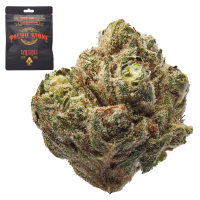
THCp is a potent cannabinoid discovered in recent years by Italian researchers. It is classified as a naturally occurring cannabinoid, though it is present in very low concentrations in most cannabis strains. Chemically, it is a THC analog, sharing a similar molecular structure with delta 9 THC, but with a crucial difference: THCp’s longer alkyl side chain, consisting of seven carbon atoms instead of THC’s five.
This longer alkyl side chain contributes to THCp’s higher binding affinity for endocannabinoid receptors in the human body, which is why THCp’s effects are considered more potent than traditional THC. While you won’t find THCp in just any cannabinoid, it has been identified in legal hemp plants and hemp derived products, which has led to a surge of THCp products including THCp gummies, edibles, and THCp flower concentrates.

How THCp Works in the Body
To understand does THCp get you high, it’s important to explore how it interacts with the body’s endocannabinoid system. THCp binds to cannabinoid receptors, particularly CB1 receptors in the brain, with a high binding affinity. This is what gives it potent psychoactive effects—in some cases, researchers estimate it could be up to 30 times more potent than delta 9 THC.
The endocannabinoid system regulates numerous physiological functions, including pain perception, mood, appetite, and sleep. Because THCp interacts with these receptors so efficiently, even low concentrations can produce psychoactive effects, enhancing mood, promoting mental clarity, and creating a euphoric sensation.
Anecdotal evidence suggests that THCp’s effects are more intense than traditional THC, with recreational users noting heightened sensory perception and longer-lasting highs. However, it’s worth noting that more research is needed to fully understand its therapeutic effects and safety profile.
Does THCp Get You High?
The short answer: yes. THCp get you high because it is a potent psychoactive cannabinoid. Its unique molecular structure, particularly the longer alkyl side chain, allows it to bind more effectively to the body’s endocannabinoid receptors, producing potent psychoactive effects that are reported to be stronger than delta 9 THC.
Anecdotal evidence from the cannabis community suggests that:
- Low doses of THCp can produce a euphoric high similar to THC.
- Experienced users report intense psychoactive effects even at doses that would be considered mild for delta 9 THC.
- THCp’s effects may include heightened sensory perception, mood elevation, and pain relief, making it attractive for both recreational users and medical cannabis patients.
It’s also important to remember that THCp’s potency means that even small amounts of THCp edibles or THCp gummies can have noticeable effects, so careful dosing is critical.
THCp Potency Compared to Other Cannabinoids
When considering THCp get you high, it helps to compare it to other cannabinoids:
- Delta 9 THC: Traditional THC found in cannabis strains; potent, but THCp is often stronger at the same dose.
- Delta 8 THC: Less psychoactive than delta 9 THC; THCp produces more potent psychoactive effects.
- THC analogs like THC-O: Synthetic derivatives with psychoactive properties, but THCp is naturally occurring.
- Other hemp derived cannabinoids: THCp is unique because it combines potent psychoactive effects with therapeutic potential.
Researchers believe that THCp’s longer alkyl side chain is a major factor in its increased potency, allowing THCp’s chemical structure to interact more efficiently with endocannabinoid receptors in the human body. This is why THCp products are being explored for both recreational use and medical cannabis applications.
Consumption Methods for THCp
THCp products are increasingly available from online retailers and hemp derived products suppliers. Popular consumption methods include:
- THCp edibles (gummies, chocolates) – convenient and discreet, with effects that may take longer to onset but last longer.
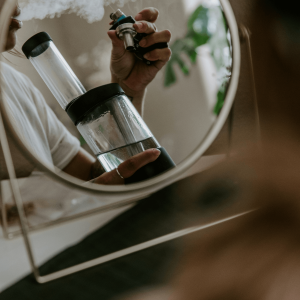
- THCp vapes – allow for faster psychoactive effects and more precise dose control.
- THCp tinctures – versatile for sublingual use, providing both therapeutic benefits and potent psychoactive effects.
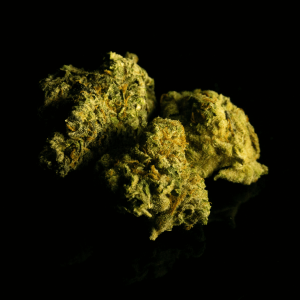
- Flower concentrates – for users seeking the full entourage effect alongside other cannabinoids.
When consuming THCp, start with low doses to gauge tolerance. Because THCp is more potent than traditional THC, recreational users and medical cannabis patients alike should approach it cautiously.
Potential Therapeutic Benefits of THCp
Beyond its psychoactive properties, THCp shows promise for therapeutic benefits. Early studies suggest it may help with:
- Pain relief: Potential for use in chronic pain management due to high binding affinity to CB1 receptors.
- Anti-inflammatory effects: Could support patients with inflammation-related conditions.
- Mood regulation: Anecdotal evidence suggests uplifting and energizing effects, which may aid mental health.
- Appetite modulation: THCp may influence appetite similar to delta 9 THC, potentially beneficial for medical cannabis users.
Although THCp’s therapeutic effects are promising, more research is necessary to fully understand its potential benefits and safety profile in humans.
Safety and Side Effects
Like any potent psychoactive cannabinoid, THCp’s effects must be approached with caution. Possible side effects include:
- Dry mouth
- Dizziness
- Anxiety or paranoia at high doses
- Cognitive impairment during acute intoxication
Responsible dosing and using THCp products from reputable sources are essential. Consumers should also be aware that THCp can appear in drug testing similarly to THC, even at low concentrations, because it interacts with the body’s endocannabinoid system.
Legal Status of THCp
The legal status of THCp is complex and varies by region. While it is found in legal hemp plants and hemp derived products, THCp may fall into a legal gray area in many jurisdictions. Key points include:
- Hemp derived THCp is often considered federally legal in certain countries, but local laws may differ.
- THCp products like THCp gummies or THCp edibles may be regulated differently than cannabis products containing delta 9 THC.
- Consumers should always check THCp’s legal status in their state or country before purchasing or consuming.
Conclusion
So, does THCp get you high? The answer is a definitive yes. As a potent psychoactive cannabinoid with a unique molecular structure, THCp binds strongly to the body’s endocannabinoid receptors, producing potent effects that are stronger than traditional THC.
While recreational users may enjoy intense psychoactive effects, medical cannabis patients may find therapeutic benefits such as pain relief and anti-inflammatory effects. However, caution is necessary due to potency, possible side effects, and legal considerations.
As THCp products continue to emerge in the cannabis industry, including THCp edibles, THCp gummies, and other hemp derived products, it’s important to stay informed, follow responsible dosing, and continue monitoring research developments to fully understand this potent and exciting cannabinoid.
Frequently Asked Questions
1. Does THCP really get you high?
Yes. THCp is a potent psychoactive cannabinoid that binds strongly to CB1 receptors in the body’s endocannabinoid system. Users report more intense effects than delta 9 THC, even at low doses, making it one of the strongest naturally occurring cannabinoids.
2. How long does a high last with THCP?
The duration of a THCp high varies depending on dose, consumption method, and individual tolerance. In general, effects from THCp edibles or THCp gummies may last longer than smoking, while vaping produces a faster onset but slightly shorter duration. Users typically experience a high that can last several hours, often stronger and more pronounced than typical THC highs.
3. Does THCP get you higher than THCA?
Yes. THCp is psychoactive, whereas THCA is a non-psychoactive cannabinoid in raw cannabis. THCA must be decarboxylated to convert into THC to produce a high, but even then, THCp’s longer alkyl side chain gives it higher binding affinity for CB1 receptors, resulting in more potent psychoactive effects than THC derived from THCA.
4. Is delta-9 or THCP stronger?
THCp is generally considered stronger than delta-9 THC due to its unique molecular structure and longer alkyl side chain. This allows THCP to interact more effectively with the body’s endocannabinoid system, producing potent psychoactive effects even at low concentrations. Delta-9 THC remains highly psychoactive, but THCp offers enhanced potency and intense euphoric effects according to anecdotal evidence.
Jenna Renz

Jenna is a California-based creative copywriter who’s been lucky enough to have worked with a diverse range of clients before settling into the cannabis industry to explore her two greatest passions: writing and weed.