Rewards



Does cannabis reduce blood pressure?
High blood pressure is one of the most common cardiovascular disorders worldwide, affecting millions of adults and contributing to heart disease, stroke, and kidney disease. With increasing interest in medical cannabis, researchers and healthcare professionals are examining whether cannabis use can play a role in lowering blood pressure or, conversely, if it may increase blood pressure and cardiovascular risks.
This article will explore the effects of cannabis on the cardiovascular system, how cannabinoids interact with blood flow, and the current state of clinical research. We’ll also touch on lifestyle changes, sex differences, and important considerations for older adults, patients with chronic pain, and those with underlying health conditions. By the end, you’ll have a detailed understanding of the potential blood pressure reduction offered by medical cannabis, as well as the risks and uncertainties that remain.
Understanding Blood Pressure





Blood pressure is the force of blood pushing against the walls of your arteries as your heart pumps. It is measured using two numbers: systolic blood pressure (the higher number, reflecting pressure when the heart contracts) and diastolic blood pressure (the lower number, reflecting pressure when the heart relaxes between beats).
Normal blood pressure typically falls below 120/80 mmHg. When systolic pressure rises above 130 mmHg or diastolic pressure exceeds 80 mmHg, individuals are considered to have high blood pressure, also called primary hypertension if not linked to another condition. Uncontrolled high blood pressure is a significant risk factor for cardiovascular disease, including heart attack, heart failure, and vascular diseases.
Causes of High Blood Pressure
High blood pressure can develop from multiple factors:
- Lifestyle influences such as cigarette smoking, high stress levels, poor nutrition, and lack of exercise.
- Chronic conditions like diabetes mellitus, kidney disease, and obesity (measured via body mass index).
- Socioeconomic status and age, which can influence both diet and stress levels.
- Genetics and sex differences, which may affect arterial stiffness and cardiovascular consequences.
Even in the absence of obvious symptoms, persistent elevated systolic pressure or diastolic bp can lead to serious cardiovascular effects over time.
Cannabis and Cardiovascular Health: An Overview
Medical cannabis and the cannabis sativa plant contain cannabinoids such as THC (tetrahydrocannabinol, often called THC) and CBD (cannabidiol), which interact with the endocannabinoid system throughout the body. These compounds influence heart rate, vascular tone, and blood flow, raising the question: does cannabis reduce blood pressure, or does it increase blood pressure, and under what conditions?
Cannabis use has a complex interaction with the cardiovascular system. While cannabidiol reduces blood pressure in some studies, smoked cannabis and acute dosing with THC may initially increase heart rate and systolic blood pressure. Therefore, understanding the differences between cannabinoids, routes of administration, and dosage is crucial.
How Cannabis Affects Blood Pressure
The effects of cannabis on blood pressure are dose-dependent and influenced by both the method of consumption and individual health status. Some cannabis users experience blood pressure reduction after consuming CBD-rich strains, while THC-dominant strains may cause increased blood pressure in certain individuals, particularly with acute dosing.
Key mechanisms include:
- Vasodilation: Cannabinoids can relax blood vessels, promoting increased blood flow and lower diastolic and systolic bp.
- Anti-stress effects: Reducing stress levels may indirectly lower blood pressure.
- Heart rate modulation: THC may temporarily raise heart rate, which can offset blood pressure reduction in some cannabis users.
The Role of THC in Blood Pressure
THC, the psychoactive component of the cannabis plant, has mixed effects on blood pressure. In healthy volunteers, acute THC dosing often produces a transient increase in systolic pressure and heart rate. Over time, regular cannabis users may develop tolerance, potentially mitigating these effects.
However, in older adults or individuals with preexisting cardiovascular disorders, THC may increase the risk of cardiovascular consequences, such as heart attack or cannabis-related stroke. Research remains unclear regarding long-term cardiovascular effects, highlighting the importance of consulting qualified healthcare professionals when considering cannabis treatment for hypertension.
The Role of CBD in Blood Pressure
In contrast, CBD demonstrates more consistent blood pressure reduction in clinical research. Studies indicate that cannabidiol reduces blood pressure through:
- Vasodilation of human mesenteric arteries and other vascular beds.
- Reduction of stress-induced blood pressure changes.
- Anti-inflammatory and antioxidant properties that support the cardiovascular system.
Clinical pharmacology studies show that CBD may benefit blood pressure monitoring in healthy volunteers and patients with high blood pressure, though more research is needed to establish standardized dosing.
Terpenes and Blood Pressure
Cannabis contains other terpenes that may indirectly influence cardiovascular effects. Terpenes like linalool and myrcene contribute to relaxation and stress reduction, potentially helping to lower blood pressure by modulating stress levels and heart rate.
Some strains high in calming terpenes, combined with CBD, may provide positive effects on systolic and diastolic blood pressure without the acute risks of THC-dominant strains.
Acute vs. Chronic Effects of Cannabis
Short-term, or acute dosing, often causes transient blood pressure changes. THC may increase heart rate and systolic blood pressure temporarily, while CBD may lower diastolic bp. Chronic cannabis use may produce different effects:
- Regular cannabis users may experience reduced baseline blood pressure.
- Chronic use may influence arterial stiffness and cardiovascular outcomes differently depending on dosage, strain, and consumption method.
- Lifestyle factors, including nutrition examination survey results and body mass index, may influence long-term effects.
Cannabis Strains and Blood Pressure
Not all cannabis plants produce the same cardiovascular effects. Strains high in CBD and relaxing terpenes may help reduce blood pressure, while THC-dominant strains may pose increased risks.
- Cannabis sativa plant strains: often more stimulating, may slightly increase blood pressure.
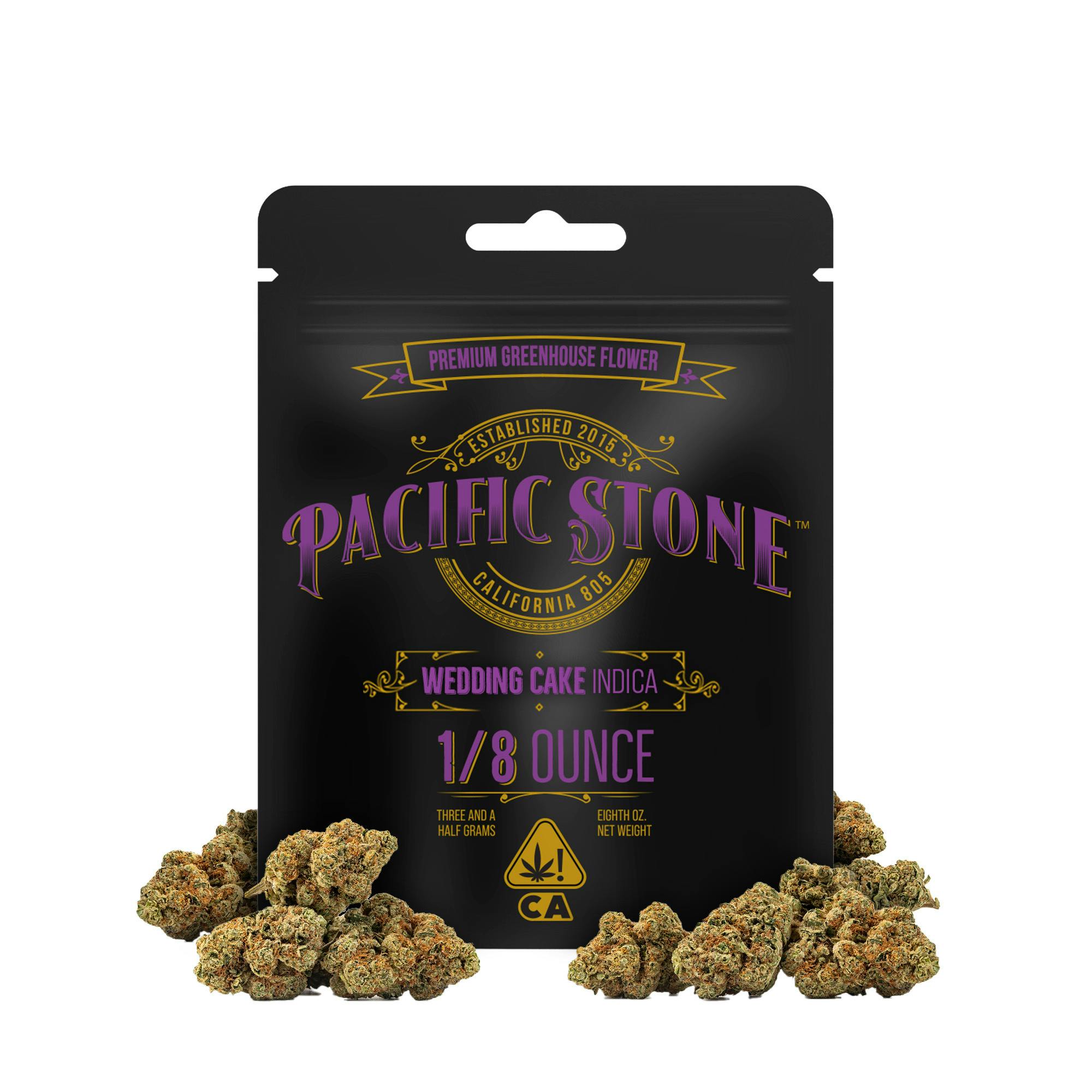
- Cannabis indica strains: generally more sedative, may contribute to blood pressure reduction.
- Hybrid strains can offer a balance, with both calming and mild psychoactive effects.
Anxiety, Stress, and Blood Pressure
Stress is a major contributor to hypertension. Cannabis use may indirectly lower blood pressure by reducing anxiety and stress levels. Both THC and CBD influence the nervous system, though CBD is more consistently associated with relaxation.
By lowering stress-induced blood pressure changes, cannabis can support a holistic approach to hypertension management, especially in individuals with high stress levels or anxiety-related cardiovascular issues.
Smoking vs. Edibles vs. Tinctures
The route of administration significantly impacts blood pressure and heart rate:
- Smoked cannabis: rapid onset, potential acute increase in systolic pressure.
- Edibles: slower onset, longer duration, risk of overconsumption affecting heart rate.
- Tinctures and oils: precise dosing, often CBD-rich, may produce blood pressure reduction with minimal adverse effects.
Choosing the right method is essential for both therapeutic benefits and safety.
Potential Benefits for Hypertension
Cannabis may offer several benefits for managing high blood pressure, including:
- Vasodilation improving blood flow.
- Anti-inflammatory effects supporting cardiovascular health.
- Reduction of stress and anxiety, indirectly lowering diastolic blood pressure.
- Potential improvement in arterial stiffness over time in chronic cannabis users.
However, effects vary across individuals, highlighting the need for blood pressure monitoring when using cannabis as part of a treatment plan.
Risks and Considerations
Cannabis is not without risks, especially for individuals with cardiovascular disease, older adults, or those with higher risk due to diabetes mellitus or kidney disease. Potential concerns include:
- Temporary increased blood pressure after acute THC dosing.
- Cannabis-related stroke in rare cases.
- Interactions with prescription antihypertensives or other medications.
- Adverse effects from drug abuse or overconsumption.
Healthcare professionals recommend careful evaluation of health conditions and consultation with a qualified healthcare professional before incorporating cannabis into a treatment plan.
Cannabis vs. Prescription Medications
While medical cannabis may provide positive effects on blood pressure, it is not a replacement for conventional medications for primary hypertension. Conventional antihypertensives target vascular resistance and fluid balance, while cannabinoids affect the cardiovascular system more indirectly.
Cannabis treatment may serve as a complementary approach when integrated with:
- Lifestyle changes (exercise, nutrition, stress management).
- Prescription medications, under medical supervision.
- Regular blood pressure monitoring to track responses.
Clinical Research and Studies
Research into the effects of cannabis on blood pressure is ongoing. Some key points include:
- Randomized crossover studies show CBD can reduce resting blood pressure and stress-induced increases.
- Animal models indicate vasodilation and anti-inflammatory effects.
- Epidemiological surveys, including the national health and nutrition examination survey, show mixed results for cannabis users.
- Studies highlight sex differences and gender differences in cardiovascular response.
More research is needed to understand long-term effects, optimal dosing, and the interaction between THC, CBD, and terpenes.
Mechanisms Behind Blood Pressure Reduction
Cannabinoids influence blood pressure through multiple pathways:
- Modulation of the endocannabinoid system in vascular tissues.
- Reduction of arterial stiffness and improved blood flow.
- Anti-inflammatory and antioxidant effects supporting the cardiovascular system.
- Reduction in stress hormones, contributing to lower systolic and diastolic blood pressure.
Lifestyle, Cannabis, and Holistic Management
Combining cannabis use with lifestyle interventions may enhance cardiovascular outcomes:
- Diet and exercise to support healthy body mass index.
- Stress reduction techniques like meditation or mindfulness.
- Avoiding cigarette smoking and other habits that exacerbate cardiovascular risk.
- Regular blood pressure checked by healthcare professionals.
Cannabis can complement these lifestyle changes, especially in patients seeking natural adjuncts to support their cardiovascular health.
Practical Tips for Using Cannabis
For those considering cannabis to support blood pressure reduction:
- Start low, go slow with THC-dominant strains.
- Focus on CBD-rich strains for more consistent blood pressure benefits.
- Monitor heart rate and blood pressure changes regularly.
- Avoid combining with alcohol, stimulants, or medications without consulting healthcare professionals.

Conclusion
So, does cannabis reduce blood pressure? The answer is nuanced. While CBD and certain terpenes can promote vasodilation and stress reduction, THC may temporarily increase systolic pressure in some users. Effects are highly individualized, influenced by sex differences, age, lifestyle factors, and preexisting health conditions.
Cannabis should not replace standard treatments for primary hypertension but may serve as a complementary therapy in a carefully monitored treatment plan. Medical marijuana and cannabis treatment for blood pressure require more research to establish standardized dosing, long-term safety, and efficacy. For now, the best approach is informed use, regular blood pressure monitoring, and consultation with qualified healthcare professionals.
Frequently Asked Questions
1. What cannabis is good for high blood pressure?
Cannabis strains high in CBD and calming terpenes are generally considered most suitable for individuals looking to manage high blood pressure. CBD-rich strains may help reduce stress, promote vasodilation, and support relaxation without the acute increases in heart rate sometimes seen with THC-dominant strains. Strains with a balanced cannabinoid profile and soothing terpenes such as myrcene or linalool may provide blood pressure reduction effects, particularly when consumed in moderation and as part of a broader treatment plan that includes lifestyle changes, diet, and regular blood pressure monitoring.
2. Does cannabis lower pressure?
Cannabis can lower blood pressure in certain contexts, but effects vary based on the cannabinoid profile, method of consumption, dosage, and individual health factors. Cannabidiol reduces blood pressure in some clinical studies by promoting vasodilation and reducing stress-induced blood pressure changes. THC may cause temporary increases in systolic blood pressure and heart rate, especially in acute dosing scenarios. Overall, cannabis may support blood pressure reduction for some users, but it should not replace prescribed antihypertensives or medical advice from a qualified healthcare professional.
Jenna Renz

Jenna is a California-based creative copywriter who’s been lucky enough to have worked with a diverse range of clients before settling into the cannabis industry to explore her two greatest passions: writing and weed.