Rewards


A cannabis tolerance break (or “T-break”) is a planned period of not using cannabis so your body can regain sensitivity, meaning less product can feel like more when you come back.
If you’ve been thinking, “Why does this strain barely hit anymore?” congratulations. You have discovered tolerance. The good news is you can do something about it. The even better news is you don’t need to suffer dramatically on a mountaintop while journaling about your feelings (unless you’re into that).
This guide covers what a tolerance break is, how long it should be, what withdrawal can look like, and a research-informed 21-day protocol with week-by-week expectations. You’ll also get shorter options (48 hours, 7 days, 14 days), plus a smart re-introduction plan so you don’t undo your hard work on day one with a heroic dab and regret.
What “Tolerance” Actually Means (And Why Weed Starts Feeling “Meh”)


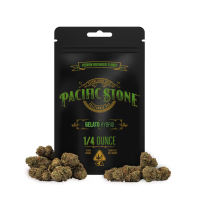
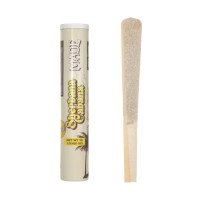
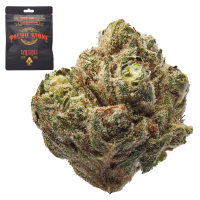
Cannabis effects are driven largely by THC interacting with your endocannabinoid system, especially CB1 receptors in the brain. With frequent use, the brain adapts. In plain English: it turns down the volume.
That adaptation can include downregulation and desensitization of CB1 receptors. You end up needing more THC to get the same effect, and the high can feel shorter, flatter, or just… distant. Like a friend who “read your message” three days ago.
A tolerance break gives your system time to recalibrate.

How Long Does a Tolerance Break Take? (Short Answer: It Depends)
There’s no single perfect T-break length. The “right” break depends on:
- How often you use (daily vs. weekends)
- How much you use (a bowl vs. heavy concentrates)
- Your product type (flower, carts, dabs, edibles)
- Your goal (sleep better, reduce use, feel effects again, reset habits)
That said, there’s a useful science-based anchor point.
The CB1 receptor recovery timeline (what the research suggests)
Brain imaging research using PET scans has shown that CB1 receptor availability can begin to rebound after stopping cannabis, with near-normalization commonly reported around ~28 days for heavy users. Translation: a full “reset” is often closer to 4 weeks than 1 week.
Does that mean a 7-day break is useless? Not at all. Many people feel a noticeable change in less time, especially if use wasn’t extremely heavy. But if you want the best chance at a real reset, think in weeks, not days.
Signs You Probably Need a T-Break
If you’re checking boxes, don’t panic. Just plan a break.
- You need more THC to feel the same effects
- Your high doesn’t last as long as it used to
- You’re spending more than you want
- You’re using out of habit, not intention
- You feel foggy, unmotivated, or emotionally “flat”
- You can’t sleep well without it
- The first hit feels good, then everything after is chasing
Cannabis Withdrawal: What to Expect (Yes, It’s Real, and Also Manageable)
Not everyone experiences withdrawal, but many regular users do. Symptoms are typically strongest in the first week, especially days 2 to 6.
Common withdrawal symptoms include:
- Sleep disruption (trouble falling asleep, vivid dreams, waking up at 3 a.m. to stare at the ceiling)
- Irritability (everything is annoying, including air)
- Anxiety or restlessness
- Appetite changes (often reduced appetite at first)
- Mood swings
- Headaches
- Cravings
- Sweating or chills (less common, more likely with heavy daily use)
- GI discomfort (occasionally)
Important: withdrawal is usually temporary, peaks early, then eases. It’s not a personal failure. It’s your brain adjusting.
The Research-Backed 21-Day Tolerance Break Protocol (Week-by-Week)
This is a practical, structured 21-day T-break designed to get you through the hardest part (week 1), stabilize (week 2), and build momentum (week 3). It’s also long enough that many people notice meaningful sensitivity returning.
If you want the full CB1 reset described in imaging research, extend this to 28+ days. But 21 days is a strong “standard” protocol that most people can actually complete.
Before Day 1: Set yourself up (do this, don’t wing it)
1) Pick your “why.”
Write one sentence. Example: “I’m taking 21 days off so I can enjoy cannabis again with less, and stop using it to sleep every night.”
2) Remove easy triggers.
Put gear away. Clean your pieces. Delete the dispensary app. Stop pretending you’ll “just have it around and be fine.” You’re not weak. You’re human.
3) Decide your rules.
- Full abstinence from THC for 21 days
- Decide now if you’re also avoiding CBD (some people use CBD to ease symptoms; more on that later)
- No “one cheat day.” That’s not a tolerance break. That’s a tolerance brunch.
4) Tell one person.
Accountability helps. Choose someone non-judgy who won’t offer you an edible “as a joke.”
5) Plan your evenings.
Most relapses happen at night. Schedule something for the first 7 nights: gym, walk, movie, long shower, book, game, cooking. Give your brain a new “closing routine.”

Week 1 (Days 1–7): The Reset Shockwave
This is the “my body has opinions” week.
What you’ll likely feel
- Withdrawal peaks here, especially irritability and sleep issues
- Appetite may drop at first
- Cravings spike in the usual “use windows” (after work, after dinner, before bed)
- You may feel bored, restless, or emotionally raw
What’s happening
Your system is adjusting to the absence of frequent THC stimulation. CB1 receptors begin to recover, but you’re not at the “benefits” stage yet. This week is about survival with dignity.
Do this (repeat: do this)
1) Fix sleep without THC (as much as possible).
You won’t sleep perfectly at first. Accept it. Then improve it.
- Keep the same wake time every day
- Get outdoor light within an hour of waking
- Stop caffeine after early afternoon
- No doom-scrolling in bed
- Take a hot shower 60 to 90 minutes before sleep
- Use a simple wind-down routine: same steps, same order, every night
If you use supplements, keep it conservative and consider discussing with a clinician, especially if you take medications. Many people use magnesium glycinate, melatonin (low dose), or herbal teas. Start small. You’re not trying to tranquilize yourself.
2) Move daily.
Walk, lift, bike, anything. You’re burning off restlessness and supporting mood regulation. Do 20 minutes minimum. Make it non-negotiable.
3) Eat “easy” food if appetite is weird.
If you’re not hungry, don’t force big meals. Do small, frequent basics:
- smoothies
- soups
- yogurt
- eggs
- rice and protein
- fruit and nuts
4) Hydrate.
Withdrawal can feel worse when you’re dehydrated. Simple win.
5) Manage cravings like weather.
Cravings rise, peak, and pass. They’re not commands.
Try this script:
“I can use later. Not now.”
Repeat. Repeat again. Cravings hate patience.
Avoid this
- Alcohol as a replacement “treat” (it often worsens sleep and mood)
- Replacing THC with constant nicotine hits
- Going full hermit mode. Isolation magnifies cravings.
Week 2 (Days 8–14): The Fog Lifts, Then Your Brain Gets Clever
Week 2 often feels easier… and that’s when people quit. Not because they’re failing. Because they start negotiating.
What you’ll likely feel
- Sleep begins improving (not perfect, but better)
- Mood stabilizes
- Appetite often returns
- Dreams may be intense (REM rebound is common when stopping regular cannabis use)
- You might feel clearer during the day
What’s happening
Your brain is regaining balance. The “reward prediction” pathways that associated weed with relaxation are still active, but less urgent. This is where discipline turns into routine.
Do this
1) Rebuild your evening ritual.
Pick a replacement that scratches the same itch:
- tea + book
- stretching + shower
- cooking + podcast
- walk + music
You want something that says, “Day is done.” Your nervous system loves signals.
2) Address the real reason you use.
Be blunt:
- If it’s sleep, build a sleep system.
- If it’s stress, build a stress outlet.
- If it’s boredom, schedule your fun like an adult.
3) Keep your environment clean.
If you haven’t put everything away yet, do it now. Don’t keep a loaded bowl “for emergencies.” That’s not an emergency plan. That’s a trap.
Week 3 (Days 15–21): Momentum Week (Where You Actually Start Winning)
This is where people start saying, “Wait… I can do this.”
What you’ll likely feel
- More consistent sleep
- Better energy and motivation
- Cravings are smaller and less frequent
- You feel proud, which is dangerously powerful (in a good way)
What’s happening
You’re building a new baseline. Your sensitivity is improving. Your habits are changing. The break is doing what it’s supposed to do.
Do this
1) Decide your re-entry plan now.
Don’t finish day 21 and freestyle. You’ll overshoot.
2) Set a new usage intention.
Examples:
- only weekends
- only after 8 p.m.
- only social sessions
- no carts on weekdays
- microdose only
Pick something you can actually follow.
3) Keep one “anchor habit.”
If walking daily helped, keep it. If journaling helped, keep it. The goal isn’t to suffer for 21 days and then go back to the exact routine that created tolerance in the first place.
Want the Full Reset? Consider 28+ Days
If you’re a heavy daily user, especially with concentrates, the most meaningful CB1 recovery is often closer to four weeks based on PET imaging findings from recent studies, such as those found in this research article. If you can do 21, you can probably do 28.
Do it once. Do it properly. Let your system fully come back online.
Shorter T-Break Options (When 21 Days Sounds Like a Novel)
Not everyone needs 21 days right now. Here are shorter protocols that still help.
Option 1: The 48-hour sensitization protocol (quick reset)
Best for: light to moderate users who want a fast “kickstart.”
Rules (48 hours):
- No THC for two full days
- Prioritize sleep, hydration, and exercise
- Avoid alcohol
- Keep evenings busy
What to expect:
You may notice a small bump in sensitivity, especially if you were using daily but lightly. It’s not a full reset. It’s a tune-up.
Option 2: The 7-day mini-break (solid for many regular users)
Best for: moderate daily use, mostly flower, mild tolerance.
Focus:
- Get through the first 3 to 5 days
- Fix sleep routine
- Replace your evening habit
What to expect:
Noticeable improvement for many people. Withdrawal symptoms, if they happen, usually peak in this window.
Option 3: The 14-day moderate reset (strong middle ground)
Best for: daily users, carts/concentrates, tolerance is clearly high.
What to expect:
Better sleep stability, improved sensitivity, and more obvious changes in cravings. Often enough to “feel it again” on re-entry if you reintroduce carefully.
Managing Withdrawal Like a Professional
Use these strategies throughout your break, especially week 1.
Sleep disruption: treat it like a project
- Wake at the same time daily
- Get morning light
- Move your body
- Keep your room cool and dark
- Do a wind-down routine (same steps nightly)
- If you can’t sleep, don’t wrestle. Get up, read something boring, try again.
Irritability: reduce friction, reduce damage
- Warn people you’re a bit spicy this week
- Avoid unnecessary arguments
- Do short workouts to burn agitation
- Use breathing drills (simple works: inhale 4 seconds, exhale 6 to 8 seconds for a few minutes)
Appetite changes: go gentle, go consistent
- Eat small meals on a schedule
- Keep protein easy (eggs, yogurt, chicken, tofu)
- Don’t rely on sugar. It lies to you.
Cravings: delay, distract, decide
- Delay 15 minutes
- Distract with movement
- Decide again after the peak passes
Repeat. Repeat. Repeat.
Consider CBD? Maybe.
Some people use CBD-dominant products to take the edge off anxiety or sleep disruption during a THC break. Others prefer total abstinence from cannabinoids.
If your goal is specifically THC tolerance reduction, CBD is unlikely to “ruin” that in the same way THC does, but everyone responds differently. Keep it simple: if you use CBD, use it sparingly, and avoid products with sneaky THC content.
The Comeback: How to Re-Introduce Cannabis Without Rebuilding Tolerance Overnight
You did the break. Don’t celebrate by launching yourself into orbit.
Step 1: Start low. Ridiculously low.
Your tolerance will be lower. Your old dose can hit like a truck. Start with:
- 1 to 2 small puffs of flower, then wait 10 to 15 minutes
- If using edibles, consider 1 to 2.5 mg THC to start (even if you used to take much more)
Wait. Assess. Then decide.
Step 2: Choose flower over concentrates (at first)
Concentrates and high-THC carts can rocket your tolerance back up fast. Flower tends to be easier to dose and less likely to blast your receptors into resignation.
Step 3: Use a “two-session rule” for week 1 back
For the first week after your break:
- Cap yourself at one session per day max, ideally fewer
- Consider every other day if your goal is staying sensitive
Step 4: Build tolerance-resistant habits
Do these if you want the “maximum impact” high without the maximum tolerance rebound:
- Don’t wake and bake (make cannabis an event, not a baseline)
- Keep at least two cannabis-free days per week
- Microdose instead of stacking hits
- Avoid all-day carts
- Use lower-THC or balanced THC:CBD strains sometimes
HyperWolf as Your “Comeback” Partner (Yes, This Is the Fun Part)
A tolerance break is like cleaning your windshield. Coming back is where you actually enjoy the view.
After a proper break, you’ll feel quality more sharply. That means this is the worst possible time to reintroduce cannabis with whatever mystery pre-roll has been living in your drawer since last season.
Do it right. Come back with intention. Come back with premium flower that’s fresh, terp-forward, and worth the moment.
If you want your first session post-break to feel like a reward instead of a shrug, use HyperWolf as your comeback partner. Order something you’re genuinely excited about, plan the session, and keep the dose small. Make it a ritual. Make it count. Less, but better. Better, but less.
How to Keep Tolerance Low After Your T-Break (So You Don’t Repeat This Next Month)
Repeat after me: tolerance is built by frequency more than intensity.
Use these guardrails:
- Keep cannabis to specific days (weekends only is classic for a reason)
- Take mini-breaks (48 hours) regularly
- Avoid high-THC carts as a daily driver
- Set a “stop time” at night so you’re not chasing sleep with extra hits
- Don’t stack sessions. One session can be enough.
If you want a simple rule: never use two days in a row for more than two weeks without taking a break day. Your receptors will thank you by actually doing their job.
Final Word
A tolerance break is not punishment. It’s maintenance. Do it on purpose. Do it with a plan. Repeat: do it with a plan.
Run the 21-day protocol if you want a meaningful reset. Push to 28 days if you want the closest thing to a full receptor comeback. Then reintroduce cannabis like a professional: small dose, high quality, clear rules.
And when you’re ready for that first session back, make it count. Premium flower. Proper ritual. Maximum impact. HyperWolf can handle the supply. You handle the self-control.
FAQ: Cannabis Tolerance Break (T-Breaks) Explained
How long should a tolerance break be?
For many people, 7 to 21 days produces noticeable results. For heavier daily users, research using brain imaging suggests CB1 receptor availability may take around 28+ days to return near baseline. If you want the closest thing to a “full reset,” aim for four weeks.
Will I get withdrawal symptoms from stopping cannabis?
You might, especially if you used daily. Common symptoms include sleep disruption, irritability, anxiety, and appetite changes, usually peaking in week 1 (often days 2 to 6) and improving after that.
What is the fastest tolerance break that still works?
A 48-hour sensitization break can help light to moderate users feel a small boost in sensitivity. It’s not a full reset, but it can be a useful tune-up.
Does a tolerance break lower tolerance to edibles too?
Yes. Tolerance is not perfectly identical across methods, but a break from THC generally reduces tolerance across flower, vaping, dabs, and edibles. Reintroduce edibles carefully because they can hit harder than expected after a break.
Should I use CBD during a THC tolerance break?
Some people find CBD helps with anxiety or sleep during a break. If your goal is reducing THC tolerance, CBD is less likely to interfere than THC, but products can contain trace THC. If you use CBD, keep it minimal and choose reputable lab-tested options.
Can I do a tolerance break without quitting completely?
You can reduce tolerance by cutting frequency and dose, but a true T-break means no THC for a set period. If you cannot stop fully, a structured reduction plan still helps, but results will usually be smaller.
What should I do on day 21 when my break ends?
Don’t go big. Reintroduce with a low dose, ideally flower, wait before taking more, and set limits for the first week back (fewer sessions, smaller amounts). The goal is to enjoy the comeback without rebuilding tolerance immediately.
Why does weed feel stronger after a break?
Because your brain has regained sensitivity, including improved responsiveness at CB1 receptors, and your “usual dose” is now too much for your new baseline.
How do I keep tolerance from coming back?
Use less often, not just less per session. Build in cannabis-free days, avoid all-day carts, microdose, and take short breaks regularly. Frequency drives tolerance fast.
Is a 21-day tolerance break enough for a full reset?
It’s enough for many people to feel a major difference, but imaging research suggests full CB1 normalization can take around 28+ days in heavy users. If you want the deepest reset, extend your break to four weeks.
Jenna Renz

Jenna is a California-based creative copywriter who’s been lucky enough to have worked with a diverse range of clients before settling into the cannabis industry to explore her two greatest passions: writing and weed.