Rewards



Cannabis and sex is one of those topics where everyone has a story, and almost nobody has a citation. So let’s do this properly: what does the endocannabinoid system have to do with arousal, why do low doses tend to win, what does the research actually find, and how do you use cannabis without turning “sexy time” into “nap time”?
This is a science-backed guide, not a locker-room myth factory.
The quick reality check (before we get interesting)


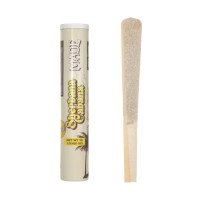
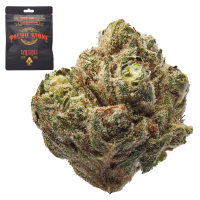
Cannabis can support sexual pleasure for some people, in some contexts, at some doses. It can also blunt arousal, worsen performance anxiety, dry you out, or make you too foggy to feel anything besides the mattress.
Translation: cannabis is not an aphrodisiac in the simple, universal way people wish it were. It’s more like a volume knob on your attention, sensation, anxiety, and pain. Turn it the right way, things can get excellent. Turn it too far, you may start philosophizing about time instead of having sex.
What’s happening in your body: the endocannabinoid system meets sexual response
If you want to understand why cannabis can change sex, follow the receptors.
Your endocannabinoid system (ECS) helps regulate mood, stress, pain, reward, memory, inflammation, and yes, aspects of sexual function. The ECS includes:
- Endocannabinoids your body makes (like anandamide and 2-AG)
- Receptors they bind to, mainly CB1 (heavily in the brain and nervous system) and CB2 (more immune and peripheral tissues)
- Enzymes that break them down
THC (tetrahydrocannabinol) and CBD (cannabidiol) interact with this system in different ways. THC strongly affects CB1 signaling, which can alter perception, attention, and reward. CBD is more indirect and tends to be less intoxicating, with potential effects on anxiety and inflammation.
Now connect that to the sexual response cycle: desire, arousal, plateau, orgasm, resolution. Cannabis can influence several ingredients in that recipe:
1) Attention and sensory amplification
THC can make sensory input feel more vivid. If you’re already in a good setting with a good partner (or a good plan solo), that can mean more pleasure. If you’re in your head, it can also mean more… being in your head.
2) Anxiety and inhibition
Lower anxiety and reduced self-consciousness can improve sexual experience for some people. But cannabis is famous for dose-dependent effects: too much THC can increase anxiety and paranoia. Nothing kills the mood like sincerely believing your heartbeat is loud enough to alert the neighbors.
3) Pain modulation
The ECS is involved in pain signaling. For people with pelvic pain, endometriosis symptoms, arthritis, or other pain issues that interfere with sex, cannabis may reduce pain and muscle tension. That can change the whole experience.
4) Reward and mood
Cannabis can alter dopamine signaling and reward processing. That may contribute to increases in perceived pleasure for some users.
5) Physiological arousal and lubrication (complicated)
Cannabis can affect autonomic nervous system activity and vascular tone. Some people report improved arousal; others report reduced sensitivity, difficulty with erection, or vaginal dryness. Different bodies, different doses, different outcomes.
What the research says (and what it doesn’t)
Let’s be clear: much of the available human research here is observational and self-reported. That means we get valuable real-world data, but not perfect cause-and-effect proof.
Still, patterns show up consistently.
Many users report improved pleasure and satisfaction
In survey-based studies, a notable share of respondents report cannabis improves some aspect of sex, especially pleasure, orgasm intensity, and overall satisfaction.
One frequently cited data point: 68.5% reported enhanced pleasure with cannabis use in a study sample (self-reported). That number is not a magic guarantee, but it is a signal that a majority of respondents in that dataset perceived a benefit.
Across studies and surveys, common reported positives include:
- Increased enjoyment of touch
- Greater relaxation and reduced inhibitions
- More intense orgasms (for some)
- Reduced pain during sex (for some)
Dose matters: low-dose tends to outperform high-dose
A consistent theme in both research discussions and user reports is the inverted-U effect:
- Low doses: more likely to reduce anxiety and increase sensory enjoyment while keeping you functional.
- High doses: more likely to impair attention, coordination, arousal, lubrication, erection quality, and orgasm reliability.
If you take one practical idea from this entire article, take this: Start low. Stay low. Repeat if needed.
Gender differences show up often
Some studies suggest women more frequently report improvements in orgasm frequency or ease with cannabis use, while men may report mixed effects, including occasional negative impacts on erectile function or performance at higher doses.
Important caveat: many studies rely on convenience samples and self-report, and individuals vary widely. But the pattern is common enough to be useful: if you’re aiming for better sex, precision dosing matters more than bravado dosing.
Weed can help, but it’s not a relationship substitute
The strongest positive reports tend to show up when:
- the setting is safe and comfortable
- the user is already familiar with cannabis
- the dose is modest
- the partner dynamic is good
- the goal is aligned (relaxation, pain reduction, heightened sensation)
Cannabis won’t fix mismatched libidos, poor communication, or a partner who thinks “foreplay” is a brand of golf equipment. It may, however, make you more willing to talk about what you want, especially if anxiety is the main barrier.
How cannabis might improve sex (mechanisms that actually make sense)
Here are the most plausible, research-aligned explanations for why some people report better sex with cannabis.
Reduced anxiety, improved body awareness
For people whose biggest sexual obstacle is mental chatter, a small dose of THC (or a balanced THC:CBD product) can quiet the noise and increase present-moment awareness.
That can look like:
- less performance pressure
- fewer intrusive thoughts
- increased willingness to initiate
- easier transition into arousal
Increased sensory focus
THC can change time perception and sensory processing. Touch can feel more interesting, kissing can feel more immersive, and orgasms can feel subjectively stronger.
This is not “THC makes you better in bed.” It’s “THC may make you pay attention to what’s already happening.”
Pain reduction and muscle relaxation
This is one of the most straightforward reasons cannabis could support sex: less pain, less guarding, less tension.
If pain is a limiting factor, consider:
- a low-dose edible or tincture taken early enough to settle in
- a balanced THC:CBD product
- CBD-forward products if you want minimal intoxication
Topicals deserve their own section, so keep reading.
How cannabis might worsen sex (yes, we’re going there)
Cannabis is not a one-way ticket to Pleasure Town. Common negatives include:
Too much THC = too little sex
High doses can cause:
- sleepiness
- dissociation or distraction
- anxiety or paranoia
- slower reaction time and reduced coordination
- “I forgot what we were doing” syndrome
Dry mouth can come with dry everything
Some users report vaginal dryness or general dehydration effects. Lube exists. Use it. Be an adult.
Erectile difficulties or delayed orgasm (especially at higher doses)
Some men report difficulty maintaining an erection or reaching orgasm with higher THC doses. Not everyone experiences this, but it’s common enough to respect. If your goal is performance and reliability, don’t treat dosing like a competitive sport.
Consent and communication can get fuzzy
If either partner is very intoxicated, communication and consent can become impaired. Cannabis is not the worst offender compared to alcohol, but “less risky” is not “risk-free.”
If you’re experimenting, do it with someone you trust, communicate clearly, and keep intoxication moderate.
Dosing for sex: low-dose wins (almost every time)
Here’s the practical dosing framework that tends to work best.
The “functional sexy” dose
- Inhaled THC (flower/vape): start with one small puff, wait 10–15 minutes, reassess.
- Edibles: start with 1–2.5 mg THC, wait 2 hours before taking more.
- Tinctures: start low (often 1–2.5 mg THC equivalent), wait 45–90 minutes depending on product and how you take it.
Edibles hit harder and last longer. That can be great for a long evening, or terrible if you overshoot and spend the night spiritually bonding with your duvet.
Best practice: choose your goal first
Don’t take cannabis and hope it magically figures out your intentions. Decide what you want:
- Reduce anxiety and relax?
- Increase arousal and sensation?
- Reduce pain?
- Improve orgasm intensity?
- Sleep after (valid)?
Then choose product type and dose accordingly.
Timing matters more than people admit
- Inhalation: fast onset, easier to dose, easier to stop.
- Edibles: slow onset, harder to dose, longer duration.
- Tincture: middle ground, can be more predictable than edibles depending on formulation.
- Topicals: localized effects, minimal intoxication (usually).
If you want cannabis to support intimacy rather than hijack it, match the method to the moment.
Strain and product recommendations by goal (with a reality-based disclaimer)
“Strain recommendations” are popular, but the science is messy because labeling and chemotypes vary widely. What matters more than the strain name is the cannabinoid profile (THC/CBD) and terpene profile.
Still, people want practical guidance, so here it is, framed correctly.
Goal: Relaxation and reduced anxiety (without getting couch-locked)
Look for:
- Low to moderate THC
- Balanced THC:CBD (like 1:1 or 2:1 CBD:THC)
- Terpenes often associated anecdotally with calming effects: linalool, myrcene (careful, can be sedating), beta-caryophyllene
Avoid:
- Very high THC products if you’re prone to anxiety
- Huge edible doses (they escalate quickly)
Instruction: Choose calming, not crushing.
Goal: Arousal and heightened sensation
Look for:
- Low-dose THC or THC-dominant but modest potency
- Terpenes often described as uplifting or energizing: limonene, pinene, sometimes terpinolene
Avoid:
- Heavy sedating profiles if you want energy
- Overdoing THC, which can numb sensation or scatter attention
Instruction: Spark it. Don’t smother it.
Goal: Pain reduction (penetration pain, pelvic discomfort, body pain)
Look for:
- Balanced THC:CBD or CBD-forward options
- Products marketed for relaxation and body comfort
- Consider topicals (more below)
Avoid:
- High THC that makes you too intoxicated to stay connected
- Anything that makes you anxious, which can increase muscle tension
Instruction: Reduce pain first. Arousal follows.
Goal: Better sleep after sex (the “dessert course”)
Look for:
- More sedating profiles, potentially higher myrcene
- CBD plus a small amount of THC can work well for some
Instruction: Save the sleepy stuff for the end.
Cannabis topicals for sex: what they can and can’t do
Topicals are often marketed as libido magic. The truth is less dramatic and more useful.
What topicals may help with
- localized relaxation of tissues
- reduced discomfort
- increased subjective warmth or sensation (especially if formulated with other ingredients)
What topicals probably won’t do
- get you “high” (most don’t penetrate to bloodstream significantly)
- instantly create arousal if you’re not in the mood
- replace lube if dryness is the issue
Safety notes (read this like your plans depend on it)
- Avoid products with irritating additives (strong menthol, harsh essential oils) on sensitive genital tissue.
- Patch test first.
- Use products made for intimate areas, not your peppermint knee cream.
Instruction: If it tingles like a scandal, wash it off.
Cannabis, lubrication, and comfort: be practical, not brave
Cannabis may increase sensation, but it can also contribute to dryness for some people. Do not “power through” discomfort. That is not sexy. That is how you end up googling symptoms at 2 a.m.
- Use a quality lube.
- Hydrate.
- Slow down.
- Communicate.
Yes, foreplay counts as communication.
Cannabis vs alcohol for sex: the comparison nobody asked for but everyone needs
Alcohol is socially accepted foreplay, and it’s also famously good at:
- reducing physiological arousal
- impairing judgment
- increasing risk-taking and consent confusion
- causing erectile difficulties
Cannabis tends to have a different profile:
- often less aggressive disinhibition than alcohol
- potentially more sensory enhancement
- still can impair judgment at high doses
If you’re choosing one, the “safer for function” option is often low-dose cannabis rather than heavy drinking, but moderation is the real MVP here.
Instruction: If you can’t clearly consent, don’t escalate.
When to avoid mixing cannabis and sex
Skip cannabis (or keep it extremely low-dose) if:
- you’re new to cannabis and don’t know your reaction yet
- you have a history of cannabis-induced anxiety or panic
- you’re trying to conceive and want to minimize variables (talk to a clinician about reproductive goals)
- you’re combining with other substances
- you’re using it to tolerate sex you don’t actually want
That last one is the big, serious one. Cannabis should support pleasure, not help you override your own boundaries.
A simple, science-aligned “first experiment” plan
If you want to explore cannabis and sex without turning it into a chaotic laboratory session, do this:
- Pick a low-stakes night. No pressure, no tight schedule.
- Use a low dose. One puff or 1–2.5 mg edible THC. That’s it.
- Choose the right product. Balanced THC:CBD if you’re anxiety-prone.
- Set the scene. Comfortable space, water nearby, lube available, phone away.
- Check in verbally. Before and during.
- Wait. Let effects settle before escalating dose or intensity.
- Take notes after. Not a spreadsheet. Just: dose, timing, what helped, what didn’t.
Repetition matters. Consistency matters. The goal is not to get blasted. The goal is to get better.
Common questions people won’t stop asking
Does cannabis increase libido?
Sometimes. Some people report increased desire, others don’t. The more reliable effects are often on relaxation, sensation, and pain, which can indirectly increase desire by making sex easier to want.
Does cannabis make orgasms stronger?
Some people report more intense orgasms, and survey research supports that this is a common experience. But higher doses can also delay orgasm or make it harder to finish. Again: low-dose tends to be the sweet spot.
Indica or sativa for sex?
Those labels are blunt instruments. Focus on:
- THC dose
- THC:CBD ratio
- terpene profile
- how you respond
Instruction: Buy chemistry, not marketing.
Edible or vape?
If you’re optimizing for sex specifically:
- Vape/flower is easier to titrate and stop.
- Edibles last longer but are easier to overdo.
If you’re inexperienced, inhalation at low dose is often the more controllable option.
What we still don’t know (and why that’s okay)
We need more:
- randomized controlled trials
- standardized dosing and product labeling
- studies across diverse ages, orientations, relationship contexts, and medical conditions
- research separating THC, CBD, and terpene effects cleanly
But we don’t have to wait for perfect science to use the existing evidence responsibly. We have enough to say this with confidence:
- Many people report improved sexual pleasure with cannabis.
- Dose is the difference between enhancement and impairment.
- Pain reduction and anxiety reduction are the most plausible benefit pathways.
- Overconsumption is the most common failure mode.
The bottom line
Cannabis can make sex better, but it’s not magic. It’s a tool. Use it like a tool.
Start low. Stay low. Repeat if needed.
Choose your goal. Choose your product. Choose your timing.
Communicate. Use lube. Drink water.
And if you overshoot the dose, don’t panic. Eat something, hydrate, put on calming music, and try again another day with less.
That’s what the research actually supports. The rest is just vibes.
Cannabis and Sex: FAQs (Frequently Asked Questions)
1. How does the endocannabinoid system influence sexual arousal and pleasure?
The endocannabinoid system (ECS) regulates mood, stress, pain, reward, and aspects of sexual function through receptors like CB1 and CB2. THC interacts strongly with CB1 receptors in the brain, altering perception, attention, and reward processing, which can amplify sensory input and potentially enhance sexual pleasure. CBD influences the ECS more indirectly, often affecting anxiety and inflammation.
2. Can cannabis improve sexual experience for everyone?
Cannabis can support sexual pleasure for some people in certain contexts and doses but is not a universal aphrodisiac. Its effects vary widely; while it may reduce anxiety and increase sensory enjoyment at low doses, high doses can impair arousal, cause dryness, increase anxiety or paranoia, or make users feel too foggy to engage fully in sex.
3. What are the benefits of using low doses of cannabis during sex?
Low doses of cannabis tend to reduce anxiety and enhance sensory experiences without impairing attention or coordination. This ‘inverted-U effect’ means starting with a low dose is more likely to improve relaxation, reduce inhibitions, increase pleasure from touch, and support orgasm intensity while avoiding negative side effects associated with higher doses.
4. How does cannabis affect pain related to sexual activity?
Cannabis interacts with the ECS involved in pain signaling and can help reduce pelvic pain, muscle tension, or discomfort from conditions like endometriosis or vulvodynia. By modulating pain during sex, cannabis may improve overall sexual experience for individuals dealing with such issues.
5. Are there gender differences in how cannabis affects sexual function?
Research suggests women more frequently report improvements in orgasm frequency and ease with cannabis use. Men may experience mixed effects; some report negative impacts on erectile function or performance at higher doses. Individual responses vary widely, emphasizing the importance of precision dosing tailored to each person’s needs.
6. What precautions should be taken when using cannabis to enhance sex?
It’s crucial to start with a low dose (‘start low, stay low’) to minimize risks like increased anxiety or impaired physiological arousal. Being mindful of setting and partner compatibility helps avoid being ‘in your head.’ Since cannabis can act like a volume knob on attention and sensation, careful dosing helps prevent turning ‘sexy time’ into ‘nap time’ and ensures a positive experience.
Jenna Renz

Jenna is a California-based creative copywriter who’s been lucky enough to have worked with a diverse range of clients before settling into the cannabis industry to explore her two greatest passions: writing and weed.