Rewards


Are edibles illegal? Cannabis edibles have become a major part of the evolving weed scene, offering a smokeless, convenient, and often discreet way to consume THC or CBD. But if you’re wondering whether edibles are actually legal, you’re not alone. The short answer? It depends—on where you live, what kind of edibles you’re talking about, and whether they’re derived from marijuana or hemp. Despite the popularity of infused gummies, cookies, and beverages, the legal status of edibles is anything but straightforward.
At the core of the confusion is the clash between federal law and state-by-state legalization. While some states have fully embraced the cannabis plant in all its forms, others still impose strict bans or operate in gray areas, especially when it comes to cannabis-infused foods. And with the rise of hemp-derived cannabinoids like Delta-8 and hemp-based Delta-9 THC, even products sold online or at local gas stations can carry complicated legal baggage.
In this blog, we’ll break down exactly where cannabis edibles stand in the eyes of the law. We’ll cover federal restrictions, the difference between hemp and marijuana edibles, where they’re allowed, how CBD fits in, what happens if you travel with them, and the legal risks of possession. Whether you’re a curious consumer or a seasoned user, knowing the legality of edibles is key to staying safe and compliant.
Federal Law: Are Edibles Legal Under U.S. Federal Law?


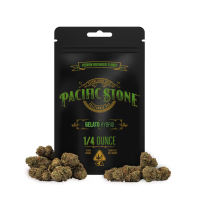
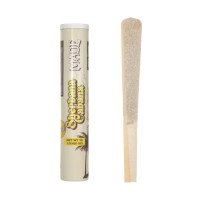
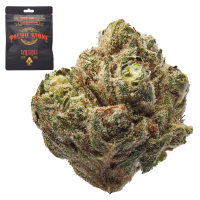
Let’s start with the big picture. Under U.S. federal law, smoking cannabis is still considered a Schedule I controlled substance. That classification includes not just the cannabis flower but also any extracts or products that contain more than 0.3% Delta-9 THC by dry weight. That means any edible made from marijuana—including baked goods, candies, or infused drinks with regular THC—is federally illegal.
However, the 2018 Farm Bill created a critical exception. It legalized hemp and all its derivatives, provided they contain no more than 0.3% Delta-9 THC on a dry weight basis. This small loophole opened the door for manufacturers to start producing hemp-derived cannabinoids like CBD, Delta-8 THC, and even hemp-compliant Delta-9 THC. These cannabinoids are often infused into edibles and sold in places where marijuana remains illegal.
But there’s another layer: the Food and Drug Administration (FDA). The FDA has not approved CBD or THC as legal food additives (with the exception of Epidiolex, a prescription CBD medication). This means that technically, even CBD-infused gummies or drinks are not federally approved for sale as dietary supplements or food products. Enforcement is inconsistent, but the FDA has sent warning letters to companies selling CBD edibles marketed with health claims.
So while hemp-derived edibles might be available nationwide, they exist in a legal gray zone. The takeaway? If your edible contains marijuana-derived THC, it’s federally illegal. If it’s hemp-derived, it might be legal—but don’t expect federal endorsement.
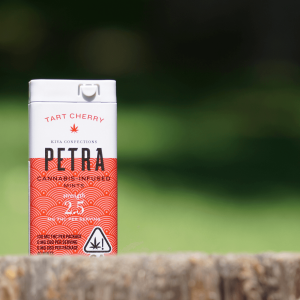
Hemp-Derived Edibles vs Marijuana-Derived Edibles
To understand edible legality, it’s essential to distinguish between hemp-derived and marijuana-derived products. The 2018 Farm Bill defines hemp as cannabis with no more than 0.3% Delta-9 THC by dry weight. Anything above that threshold is considered marijuana, which remains federally illegal.
Hemp-derived edibles include products made with cannabinoids such as:
- CBD: Non-intoxicating, commonly used for wellness.
- Delta-8 THC: Mildly intoxicating and synthesized from CBD.
- HHC: Semi-synthetic cannabinoid with euphoric effects.
- Hemp-derived Delta-9 THC: Extracted from hemp and dosed carefully to meet dry weight requirements.
These hemp-based edibles are technically legal under federal law if they meet THC limits and are produced from compliant hemp. However, some states have banned or restricted specific cannabinoids (particularly Delta-8) due to their intoxicating effects and lack of regulatory oversight.
Marijuana-derived edibles are only legal in states with licensed cannabis programs. These typically contain much higher concentrations of Delta-9 THC and are regulated more strictly with dosage limits, packaging requirements, and lab testing standards.
While hemp-derived edibles can be found in smoke shops, online stores, and gas stations, marijuana edibles are only legally sold through state-licensed or accepted medical cannabis dispensaries. If you’re buying gummies that give you a strong psychoactive effect from a convenience store, it’s likely they contain Delta-8, Delta-10, or hemp-based Delta-9—and whether they’re legal depends entirely on your state.
Where Are Marijuana Edibles Legal? (State-by-State Overview)
As of now, over 20 U.S. states have legalized recreational marijuana for adult use, while many others permit medical marijuana. In these legal states, edibles are generally allowed under the same laws that govern cannabis flower or concentrates. However, each state sets its own rules for dosage, packaging, and purchase limits.
In recreationally legal states like California, Colorado, Oregon, and Michigan, edibles are widely available in dispensaries. They must be lab tested, clearly labeled, and often limited to 10mg THC per serving and 100mg per package. Some states also allow medical marijuana patients to purchase edibles with higher potency.
Medical-only states such as Florida, Pennsylvania, and New York permit THC edibles for patients with a qualifying medical condition and a state-issued card. These products may follow similar packaging and dosage rules as in recreational markets, though some states allow higher limits for medical use.
Prohibited states like Idaho, Nebraska, and Kansas still consider all forms of THC illegal for medical or recreational use, including edibles. Even possessing an infused gummy can result in criminal charges.
Here’s a quick breakdown:
- Fully Legal States (Rec + Medical): CA, CO, OR, WA, NV, MI, MA, IL, AZ, MT, ME, etc.
- Medical-Only States: FL, PA, NY, OH, MN, MO, UT, etc.
- Prohibited States: ID, NE, KS, etc.
Keep in mind that laws can shift quickly, so always double-check the most current regulations before purchasing or consuming edibles in your area.
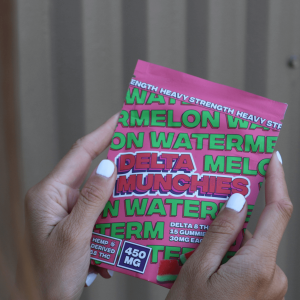
Are CBD Edibles Legal Everywhere?
At first glance, CBD edibles seem harmless enough. After all, they’re non-intoxicating and widely used for wellness purposes. But the legality of CBD-infused food products is more complicated than it seems.
The 2018 Farm Bill legalized hemp-derived CBD federally, but the FDA has not approved CBD as a food additive or dietary supplement. This creates a disconnect: CBD is legal, but infusing it into consumable products isn’t officially sanctioned by the federal government.
Despite this, CBD gummies, drinks, and snacks are readily available across most of the U.S. That’s because enforcement has largely been left up to individual states. Some states, like California and Colorado, allow CBD edibles under state law. Others, such as Iowa or South Dakota, restrict their sale or require specific labeling.
If you’re purchasing CBD edibles, especially online, look for lab-tested products from reputable companies. Ensure the THC content remains under the legal 0.3% limit and that the cannabis oil complies with your state’s regulations.
Bottom line: CBD edibles exist in a federal gray area and their legality can vary dramatically by state. Always check local laws before purchasing or traveling with CBD-infused snacks or beverages.
Traveling with Edibles: Can You Cross State Lines?
Planning a road trip or hopping on a flight with your favorite gummies? Proceed with caution. Even if you bought your edibles legally, transporting them across state lines can be a federal offense.
Federal law prohibits the transportation of marijuana products between states, even if both states have legalized cannabis. That includes edibles. So if you buy THC gummies in California and bring them into Arizona or Nevada, you’re technically violating federal law.
Flying with edibles adds another layer of risk. TSA isn’t actively looking for weed, but they will refer anything suspicious to local law enforcement if they find it. Hemp-derived edibles may be slightly safer to travel with, provided they comply with federal THC limits. Still, discretion is key.
When traveling:
- Never assume your edibles are legal in the state you’re entering.
- Keep products in original packaging to prove cannabinoid content.
- Avoid crossing borders or going through TSA with large quantities.
If you must travel with edibles, consider hemp-derived options and always research local laws ahead of time.
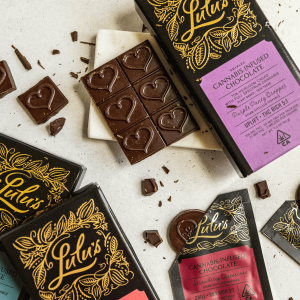
What About Delta-8, Delta-9, and HHC Edibles?
Hemp-derived cannabinoids have exploded in popularity, thanks to their ability to skirt federal marijuana laws. But are they really legal?
Delta-8 THC is synthesized from CBD and produces a mild high. While federally legal under the Farm Bill, several states have banned or restricted its sale, including Alaska, Colorado, and New York, due to safety and regulatory concerns.
Hemp-derived Delta-9 THC edibles follow a clever loophole: as long as the Delta-9 content remains under 0.3% of the edible’s dry weight, it’s federally legal. This is why you’ll see gummies with 10mg of Delta-9 THC per piece legally sold in many states—the gummies are simply large enough to dilute the THC content within the legal limit.
HHC, another semi-synthetic cannabinoid, is less regulated but faces increasing scrutiny. Its legality remains ambiguous, and some states have begun introducing bans.
If you’re buying hemp-derived edibles:
- Verify your state’s specific laws on Delta-8, Delta-9 (hemp), and HHC
- Choose brands that provide full panel lab results
- Understand that legal doesn’t always mean safe or well-regulated
Age Requirements and Purchase Limits
Legal age requirements for cannabis edibles typically follow those of alcohol: 21+ in recreational markets, and 18+ with a valid medical card in medical-only states. For hemp-derived edibles, age restrictions vary and are sometimes loosely enforced—especially in online sales or smoke shops.
States with regulated cannabis markets also impose purchase limits on THC edibles. Common restrictions include:
- 10mg THC per serving
- 100mg THC per package
- Daily limits on total cannabis product purchases (varies by state)
Retailers are legally required to check IDs and restrict sales to eligible adults. However, with the rise of unregulated hemp-derived products, some vendors fail to enforce age limits or provide adequate consumer education.
If you’re unsure whether an edible is compliant, read the label closely, verify its lab results, and purchase only from licensed, trustworthy retailers.

Penalties for Possession of Illegal Edibles
Getting caught with illegal edibles can have serious consequences, and penalties vary drastically by location. In states where cannabis is illegal or limited to medical use, being found with infused gummies or other edibles can lead to fines, jail time, or even felony charges—especially if you’re caught transporting them across borders.
Factors that impact your legal risk:
- Amount of THC in the edible
- Quantity in your possession
- Whether it appears you intend to distribute
- Age and criminal history of the individual
For example, in Texas, possession of any THC edible can be classified as a felony. In Georgia, even a single edible can lead to arrest. However, in states like California or Michigan, possession is legal within purchase limits.
Fortunately, more states are moving toward decriminalization and expungement laws that remove or reduce penalties for cannabis-related offenses. Still, it’s important to treat edible possession seriously, especially when outside your home state so that you don’t get caught with too much cannabis.
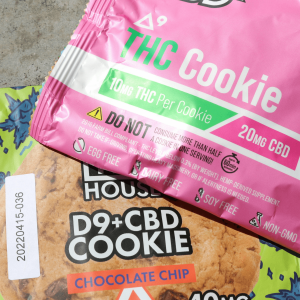
Final Thoughts: Know Before You Dose
The legal status of edibles is a patchwork of federal rules, state laws, and regulatory gray areas. While marijuana-derived edibles are legal in many recreational and medical states, they remain illegal under federal law. Hemp-derived edibles—whether infused with CBD, Delta-8, or compliant Delta-9—occupy a different kind of legal limbo, subject to varying state restrictions.
The bottom line? Know your state’s laws. Read labels. Buy from reputable brands. Don’t travel across state lines with THC products unless you’re 100% sure it’s legal. Just because something is available online or at a local shop doesn’t mean it’s legal where you are.
Cannabis laws continue to evolve, and staying informed is the best way to protect yourself as both a consumer and advocate. Whether you’re microdosing CBD gummies or diving into high-potency THC edibles, doing your research can help you avoid legal headaches and enjoy the experience safely and responsibly.
Are Edibles Illegal: FAQs
1. Are edibles illegal in the US?
Edibles are not outright illegal across the U.S., but their legality depends on several factors—mainly what kind of cannabinoids they contain and where you live. Marijuana-derived edibles are federally illegal but allowed in states with legal medical or recreational cannabis programs. Hemp-derived edibles (like those with CBD or compliant Delta-9 THC) are federally legal under the 2018 Farm Bill but may still be restricted or banned by individual states. So, while you can legally buy edibles in some places, they’re still prohibited or heavily regulated in others.
2. Can you go to jail for edibles in Texas?
Yes. In Texas, possession of THC in any form—including edibles for recreational marijuana use—is treated more seriously than marijuana flower. Even small amounts of THC-infused gummies or baked goods can be classified as a felony offense, potentially leading to jail time, fines, and a criminal record. Texas law makes no distinction between edible THC and cannabis concentrates, so a single gummy with over 0.3% THC can result in severe legal consequences.
3. Will edibles show up on a drug test?
Absolutely. Edibles contain THC (or other cannabinoids like Delta-8), which is metabolized in the body and stored in fat cells. Most drug tests screen for THC metabolites, not the form in which it was consumed. Whether you smoked a joint or ate a gummy, you’ll likely test positive for THC if the test is sensitive and performed within the detection window—which can range from a few days to several weeks, depending on usage frequency and metabolism.
4. Do edibles get you really high?
Yes, edibles can produce a significantly stronger and longer-lasting high than smoking or vaping. When ingested, THC is metabolized by the liver into 11-hydroxy-THC, which is more potent and has a slower onset but extended duration—often lasting 6 to 8 hours or more. This can lead to a deeper, more body-heavy high, and for some, even mild psychedelic effects at higher doses. Because of this, edibles should be dosed carefully, especially for first-time users.
5. Can I grow weed in my backyard?
That depends entirely on where you live. In states where recreational cannabis is legal—like California, Colorado, and Michigan—adults are typically allowed to grow up to six plants per household or per adult, depending on local laws. However, most of these states have rules about how and where you can grow smokable cannabis: plants often need to be kept out of public view, securely enclosed, and may be subject to local zoning restrictions.
In contrast, growing cannabis at home is strictly prohibited in many states where marijuana remains illegal or is allowed only for medical use. Even in legal states, exceeding the six plant limit or failing to follow home cultivation guidelines can lead to fines or criminal charges. So before planting anything in your backyard, check your state and local laws to stay compliant—and keep those plants out of sight.
Jenna Renz

Jenna is a California-based creative copywriter who’s been lucky enough to have worked with a diverse range of clients before settling into the cannabis industry to explore her two greatest passions: writing and weed.