Rewards



Cannabis terpenes explained is the fastest way to stop buying weed based on cute strain names and start shopping based on what actually changes your experience. THC and CBD get all the attention, sure. But terpenes are the aromatic compounds that steer the vibe, shape the “feel,” and often explain why two products with similar THC hit completely differently.
Think of cannabinoids as the engine. Terpenes are the steering wheel, suspension, and playlist.
This guide breaks down what terpenes are, how they may affect your high, the top 8 to 10 terpenes worth knowing, and how to match terpene profiles to real-life use cases like sleep, anxiety, pain, and focus. You’ll also get a simple “how to shop” system and terpene-based product recommendations at the end.
No fluff. No strain astrology. Just the stuff that helps.
Terpenes 101: what they are (and why your nose knows)
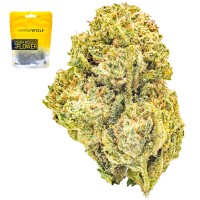
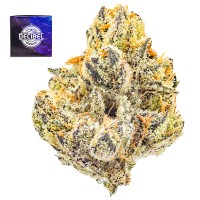
Terpenes are aromatic compounds found in cannabis and basically every plant that smells like anything. Lavender smells like lavender because of terpenes. Pine trees smell like pine because of terpenes. Citrus peels smell like sunshine because of terpenes.
In cannabis, terpenes do three big things:
- Create aroma and flavor (the part everyone notices).
- Interact with cannabinoids in ways that can influence perceived effects (the part you care about).
- Act as bioactive compounds on their own (the part science keeps arguing about, politely, with spreadsheets).
The “entourage effect” (translated into human language)
You’ll hear that terpenes “work with” cannabinoids via the entourage effect. The practical takeaway is simple:
- A product with high THC + myrcene often feels heavier than high THC alone.
- A product with THC + limonene + pinene can feel brighter, more alert, and less foggy for many people.
- A product with linalool + caryophyllene often reads as calmer, more body-soothing, and less mentally buzzy.
Are terpenes the only factor? No. Your dose, tolerance, genetics, set and setting, and cannabinoid mix matter a lot. But terpenes are one of the only parts of the label that give you a consistent shopping advantage.

How terpenes “affect your high” (without overpromising)
Let’s be precise. Terpenes don’t magically override THC. They’re more like modifiers:
- How fast the onset feels
- Whether the high is heady vs. body-heavy
- Whether you feel calm vs. edgy
- Whether you feel clear vs. foggy
- Whether you want to talk vs. melt into the couch and become furniture
Also, terpenes can affect irritation and comfort. Some profiles feel “smoother” or less harsh, especially in inhaled products.
Important reality check
- Effects vary by person.
- Most terpene claims are based on a mix of lab research, animal studies, and human anecdote.
- Terpene content in cannabis products varies by batch and storage.
So yes, terpenes matter. Just don’t treat them like cheat codes.
The top cannabis terpenes (8 to 10) you should actually learn
Below are the heavy hitters. Learn these and you’ll understand most terpene labels in the wild.
1) Myrcene: the “couch-lock” classic
Smell/flavor: earthy, musky, clove-like, sometimes “ripe fruit”
Often associated with: sedation, body heaviness, deeper relaxation
Common in: many “indica-leaning” profiles (but ignore the label and follow the terps)
Myrcene is the terpene most people blame when a product makes them feel heavy, sleepy, and glued to the couch. It’s widely found in cannabis and also in hops, lemongrass, and mango.
How it may affect your high:
- More body-forward effects
- More relaxation, less mental racing
- Can amplify the “I’m not moving” feeling at higher doses of THC
Best use cases:
- Sleep support
- Evening wind-down
- Physical tension and “everything hurts, don’t talk to me” days
The “mango trick” (myrcene edition)
You’ve probably heard it: eat a mango and your high gets stronger. The idea is that mango contains myrcene, and myrcene may influence the experience.
Here’s the practical, non-myth version:
- Mango does contain myrcene, but amounts vary.
- If it works for you, it’s likely subtle: smoother onset, heavier feel, or “more rounded” effects.
- Try it if you want. Do not treat it like a laboratory-controlled enhancer.
How to try it (simple and safe):
- Eat mango 30 to 90 minutes before using cannabis.
- Keep your cannabis dose normal. Don’t “stack” extra THC and then blame the fruit for your choices.
- Track results twice. If it’s placebo, you’ll know. If it’s real for you, you’ll also know.
2) Limonene: mood, brightness, and “less THC anxiety” for some people
Smell/flavor: citrus peel, lemon candy, bright and sharp
Often associated with: mood elevation, stress relief, sociability
Common in: many uplifting flower, vapes, and sativa-leaning profiles
Limonene is the terpene that makes a product smell like someone zested a lemon directly onto the bud. It often shows up in profiles people describe as happy, energetic, and less gloomy.
How it may affect your high:
- Brighter mental tone
- More “up” than “down”
- For some users, less anxious edge from THC (not guaranteed, but commonly reported)
Best use cases:
- Social situations
- Daytime stress
- Creative work that benefits from optimism, not chaos
If THC sometimes makes you overthink your own breathing, limonene-forward products may feel friendlier. Start low anyway. Confidence is great. Overdoing it is how you end up texting your ex.
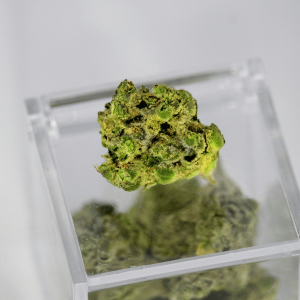
3) Linalool: calm, lavender, and “turn the volume down”
Smell/flavor: floral, lavender, soft spice
Often associated with: calm, relaxation, easing tension
Common in: soothing, evening, and “spa-day” type profiles
Linalool is the terpene behind lavender’s signature vibe. In cannabis, it often shows up in products people describe as calming, comforting, and gently sedating.
How it may affect your high:
- Less mental static
- More calm body feel
- Can soften the sharpness of high-THC products for some users
Best use cases:
- Anxiety-prone consumers (especially at lower doses)
- Sleep routines
- Unwinding without feeling “stoned-stupid”
Linalool is your friend when you want relief, not rocket fuel.
4) Caryophyllene: peppery, body-focused, and the CB2 binder
Smell/flavor: black pepper, clove, spicy wood
Often associated with: body comfort, inflammation support, stress buffering
Special note: the only common terpene known to bind directly to CB2 receptors
Caryophyllene (beta-caryophyllene) is a big deal because it interacts with the endocannabinoid system more directly than most terpenes. It’s often linked with body relief and a grounded, less racy experience.
How it may affect your high:
- More body comfort, less chaotic headiness
- Can feel stabilizing, especially with THC
- Often pairs well with myrcene and linalool for nighttime blends
Best use cases:
- Pain and soreness
- Stress with physical tension
- Post-workout or “my back hates me” evenings
If you like your weed to feel like a heating pad, look for caryophyllene.
5) Pinene: alertness, clarity, and “where did my keys go?” prevention (maybe)
Smell/flavor: pine needles, rosemary, fresh forest air
Often associated with: alertness, mental clarity, focus
Common in: bright, functional, daytime profiles
Pinene is often discussed as a terpene that may support clear-headed effects and possibly counter some memory fog associated with THC for some users. Again, not magic. But many people report pinene-forward products feel less “stoned” and more “capable.”
How it may affect your high:
- Cleaner mental feel
- More “let’s do stuff” energy
- Less couch-lock (especially when myrcene is low)
Best use cases:
- Focus and productivity (with low-to-moderate THC)
- Daytime errands and conversations with humans
- Outdoor activities and “I want to be high but not helpless”
If you want to stay sharp, pinene is the terpene you invite.
6) Humulene: earthy, hoppy, and quietly grounding
Smell/flavor: hops, woody, earthy, slightly bitter
Often associated with: grounded body feel, appetite modulation (anecdotally)
Common in: hop-smelling flower, sometimes alongside caryophyllene
Humulene shows up in hops and can overlap with caryophyllene in aroma and vibe. People often describe humulene-heavy products as grounding and body-forward.
How it may affect your high:
- Steadier body feel
- Less “floaty,” more anchored
- Often complements pain-relief profiles
Best use cases:
- Evening relaxation without total sedation
- Body discomfort
- Anyone who prefers earthy, no-sugar-added weed
7) Terpinolene: the wild card that can feel energizing or spacey
Smell/flavor: floral, herbal, piney, sometimes sweet
Often associated with: uplift, creativity, “head high”
Common in: some famously aromatic cultivars that smell like a botanical garden
Terpinolene is tricky. Some people find it energizing and creative. Others find it dreamy and disorienting. It often contributes to a pronounced cerebral effect.
How it may affect your high:
- Strong head high
- More “ideas” than “body”
- Can be stimulating, especially when paired with limonene/pinene
Best use cases:
- Creative projects
- Music, art, ideation
- Daytime use if you tolerate cerebral strains well
If you’re sensitive to racing thoughts, go slow here.
8) Ocimene: bright, sweet, and often paired with energetic effects
Smell/flavor: sweet, herbal, citrusy, sometimes tropical
Often associated with: uplift, lively buzz
Common in: some fruity or floral profiles
Ocimene often appears in aromatic, energetic profiles. It tends to read as light and bright, especially with limonene.
How it may affect your high:
- More energetic, less sedating
- Can feel “fresh” and light
- Works well for daytime in many users
Best use cases:
- Social use
- Light activity
- When you want uplift without heavy intensity
9) Nerolidol: sleepy, woody, and underrated
Smell/flavor: woody, fresh bark, subtle floral
Often associated with: sedation, calm, sleep support
Common in: some nighttime strains, often in smaller amounts
Nerolidol doesn’t always dominate aroma, but when it shows up, people often report a sleepier experience.
How it may affect your high:
- More sedation and calm
- Helps the “off switch” feeling
- Often complements myrcene and linalool
Best use cases:
- Sleep
- Nighttime anxiety
- Deep relaxation routines
A practical terpene guide
Use this as your quick reference. Screenshot it mentally.
If you want sleep
Look for: myrcene, linalool, nerolidol, caryophyllene
- Avoid (if you’re sensitive): high limonene, high terpinolene, high pinene
If you want less anxiety (or less THC edge)
Look for: linalool, caryophyllene, limonene (often), myrcene (low-to-moderate)
- Avoid (if you spiral): terpinolene-heavy, very high THC with low calming terps
If you want pain or body relief
Look for: caryophyllene, myrcene, humulene, linalool
- Bonus: balanced THC with some CBD can be a better ride for many people
If you want focus and clarity
Look for: pinene, limonene, ocimene
- Avoid: myrcene-dominant if it makes you sleepy
If you want mood and motivation
Look for: limonene, ocimene, terpinolene (if you tolerate it)
- Avoid: terpene profiles that always make you nap mid-sentence
How to shop smarter using terpene labels (do this every time)
Stop buying “indica for sleep” and “sativa for energy” like it’s 2012. Start buying based on measurable compounds.
Step 1: Find the terpene list and percentages
Many labels or COAs list top terpenes and their % by weight. If your product has no terpene info, you’re shopping blindfolded. Fun at parties, terrible for consistency. For guidance on how to read a COA, refer to this comprehensive guide.
Step 2: Identify the top 2 to 3 dominant terpenes
The top terps usually steer the experience more than the trace ones.
Example:
- Myrcene 0.8%, Caryophyllene 0.4%, Linalool 0.2%
- That’s likely relaxing and body-heavy.
Step 3: Match the profile to your use case
Be boring. Be consistent. If you want sleep, don’t pick a limonene-terpinolene rocket ship and then act surprised at 1 a.m.
To further enhance your understanding of terpenes and their effects, consider exploring this insightful resource on terpenes.
Step 4: Control dose before you blame terpenes
Terpenes can guide. THC can bulldoze. If you overconsume, the dominant effect is “too much.”
Repeat this rule: Dose low. Dose low. Dose low.
Yes, I repeated it. You’re welcome.
Step 5: Keep a tiny terpene journal for 2 weeks
Write down:
- Product name, cannabinoid %, top terps
- Dose and method (flower, vape, edible)
- Effects (mood, anxiety, body feel, sleep) After 10 to 15 sessions, your pattern becomes obvious. Then you can shop like a wizard.
Method matters: why flower, vapes, and edibles feel different with the same terpenes
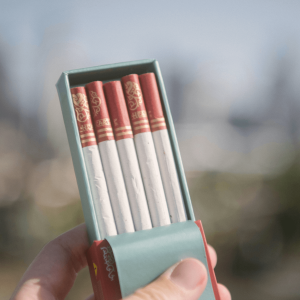
Flower
- Often offers the broadest terpene experience.
- Aroma is a decent clue because you’re smelling terpenes directly.
- Storage matters a lot. Heat and time can degrade terpene content.
Vapes
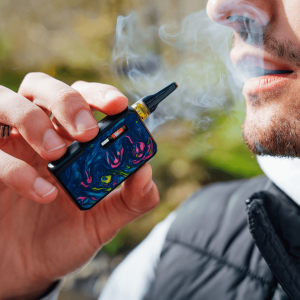
- Can be terpene-rich, especially live resin and rosin.
- Distillate cartridges often add terpenes back in. Sometimes that’s fine. Sometimes it tastes like lemon furniture polish. Choose reputable brands.
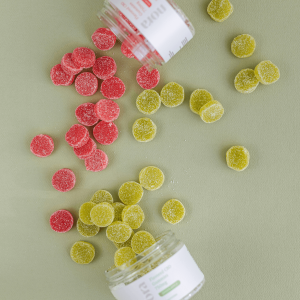
Edibles
- Many edibles contain fewer native cannabis terpenes unless specifically formulated.
- Effects skew more toward cannabinoids (especially THC converted to 11-hydroxy-THC), so terpenes may play a smaller role.
If you’re terpene-shopping for a specific effect, inhaled products tend to make terpene differences more noticeable for most people.
Terpene profiles for real-life scenarios (use cases, not vibes)
Use case: “Pain relief, please. Also I have chores.”
Pick:
- Caryophyllene + humulene for body comfort without automatic sedation
- Add pinene if you want to stay functional
- Keep myrcene moderate if you still need to move your legs today
Tips:
- If inflammation is part of the story, caryophyllene-forward products are worth testing consistently.
- Consider exploring the potential of cannabis terpenes as a new way to treat pain, such as fibromyalgia.
Use case: “Focus. I need to be a person with a to-do list.”
Pick:
- Pinene + limonene (clear and upbeat)
- Add ocimene for extra lift
Avoid:
- Myrcene-dominant products until after you’re done doing human tasks
Tips:
- Low to moderate THC is the sweet spot for focus. High THC turns “productivity” into “reorganizing a drawer for 47 minutes.”
Use case: “Social, happy, not paranoid”
Pick:
- Limonene first
- Add pinene for clarity
- Add a touch of myrcene only if you want to soften the edges
Tips:
- If you’re prone to social anxiety, don’t chase the highest THC. Chase the friendliest terpene mix.
Common terpene myths (so you don’t get played)
Myth 1: “Indica means sedating, sativa means energizing”
Sometimes. Often not. Labels are inconsistent, and modern genetics are heavily hybridized. Terpenes are a more reliable clue.
Myth 2: “More terpenes always means better”
High total terpene content can be great. It can also mean the product tastes strong but doesn’t match your desired effects. Target the right terps, not just a big number.
Myth 3: “This terpene guarantees this effect”
No. Terpenes tilt the experience. They don’t control it.
Myth 4: “If it smells like lemon, it will energize me”
Lemon aroma often suggests limonene, but smell alone isn’t a full lab report. Use it as a hint, then confirm with labeling when possible.
Product recommendations by dominant terpene profile (shop like an adult)
These are profile-based recommendations, because brand availability varies by state/country and changes constantly. Use these as shopping filters.
1) For sleep and deep relaxation: myrcene + linalool (plus nerolidol if you can find it)
Look for:
- Flower or rosin described as earthy, floral, lavender, musky
- Labels showing myrcene as #1 and linalool in top 3
Good product types:
- Indica-leaning flower with terpene testing
- Live rosin or live resin vape with high myrcene and noticeable linalool
Avoid:
- Very high limonene if it keeps you mentally “on”
2) For calm without total knockout: caryophyllene + linalool
Look for:
- Peppery, spicy, floral notes
- Caryophyllene dominant, linalool present
Good product types:
- Balanced THC products (and THC:CBD blends if available)
- Tinctures or capsules formulated for relaxation
Why it works:
- Caryophyllene tends to lean body-soothing
- Linalool tends to lean calming
3) For mood and daytime stress: limonene + pinene
Look for:
- Citrus and pine aroma
- Limonene dominant, pinene in top 3
Good product types:
- Live resin vape with clear terpene listing
- Flower that smells like lemon zest and forest air
Avoid:
- Heavy myrcene if you get sleepy
4) For pain and soreness: caryophyllene + humulene (with some myrcene if you want extra body relief)
Look for:
- Pepper, hops, earthy aroma
- Caryophyllene and humulene both prominent
Good product types:
- Full-spectrum extracts
- Flower with “hoppy” smell
Add-on move:
- Pair with a topical if your goal is localized relief. Different tool, different job.
5) For focus and functional productivity: pinene + ocimene (plus a little limonene)
Look for:
- Pine, herbs, bright sweetness
- Pinene dominant with ocimene present
Good product types:
- Lower-THC flower
- Vape with a clear pinene-forward profile
Avoid:
- Terpinolene-heavy products if they make you spacey
6) For creativity and a big head change: terpinolene + limonene
Look for:
- Complex floral, herbal, sweet aroma
- Terpinolene dominant with limonene support
Good product types:
- Flower, especially if you like loud aromatics
- Live resin if you want strong terpene expression
Warning label (friendly):
- Go slow. This combo can be electric for some people and too stimulating for others.
Storage tips: protect your terpenes like they’re expensive perfume (because they are)
- Store in an airtight glass jar.
- Keep it cool, dark, and dry.
- Avoid heat, sunlight, and repeated opening like you’re fanning a fine wine.
- Don’t grind everything at once. Grind what you use.
Terpenes are volatile. Treat them gently or they’ll ghost you.
FAQ: Cannabis terpenes explained (quick answers to common questions)
What are cannabis terpenes?
Terpenes are aromatic compounds in cannabis that create smell and flavor and may influence the character of the high by interacting with cannabinoids and other systems in the body.
Do terpenes actually change your high?
They can. Many users experience consistent differences in effects when terpene profiles change, even at similar THC levels. Terpenes are modifiers, not the main driver.
Which terpene causes couch-lock?
Myrcene is most commonly associated with sedating, body-heavy “couch-lock” effects, especially when paired with moderate-to-high THC.
Which terpene is best for anxiety?
Many people prefer linalool and caryophyllene for calmer experiences. Limonene can help some people feel less stressed, but it can be stimulating for others depending on dose and sensitivity.
Can limonene reduce THC anxiety?
For some users, yes. Limonene-forward products are often described as uplifting and less edgy. But dose still matters, and high THC can override a “nice” terpene profile.
What terpene helps with sleep the most?
Common sleep-friendly terpenes include myrcene, linalool, and nerolidol. Pairing them with reasonable THC dosing tends to work better than chasing maximum potency.
Is caryophyllene really the only terpene that binds to CB2?
Beta-caryophyllene is widely recognized as a terpene that can bind to CB2 receptors, making it unique among common cannabis terpenes in its direct interaction with the endocannabinoid system.
What terpene is best for focus?
Pinene is the most commonly cited terpene for alertness and mental clarity. Limonene and ocimene often show up in more functional daytime profiles too.
Does the mango trick work?
Mango contains myrcene, and some people report a subtly stronger or heavier high when they eat mango before cannabis. Effects vary and are not guaranteed. Try it with a normal dose and track your results.
How do I find terpene info on what I’m buying?
Check the label for a terpene list and percentages, or request the product’s COA (certificate of analysis). If a product has no terpene data, you’re guessing.
What terpene percentage is “high”?
It depends on product type, but in many flower products, a dominant terpene around 0.3% to 1.0%+ is notable. Concentrates can run higher. Focus on the top 2 to 3 terpenes, not just total percentage.
Are terpenes more important than THC percentage?
If your goal is consistent effects, terpene profiles are often more useful than chasing the highest THC number. Use THC to set intensity. Use terpenes to steer the experience.
Jenna Renz

Jenna is a California-based creative copywriter who’s been lucky enough to have worked with a diverse range of clients before settling into the cannabis industry to explore her two greatest passions: writing and weed.