Rewards


Indica vs sativa is still the most common way people shop for cannabis in 2026, even though modern science has pretty much rolled its eyes at the whole “one makes you sleepy, one makes you wired” story.
To be clear, that old rule of thumb didn’t come from nowhere. It’s just incomplete. If you want a reliable “how will this make me feel?” answer, you’ll do better by focusing on cannabinoids, terpenes, dose, and your own biology than on whether a jar says indica or sativa.
Let’s break it down the modern way: keep the simple explanation, then replace it with the accurate one.
The classic understanding (and why it stuck)
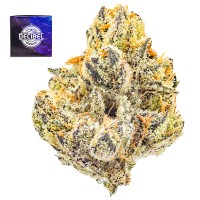
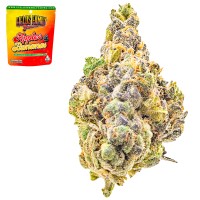
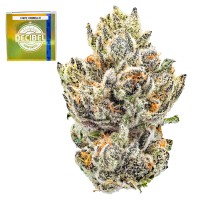
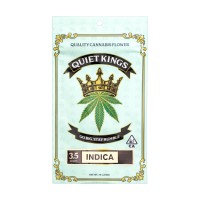
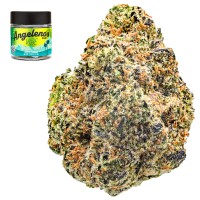
For decades, cannabis culture taught a tidy little binary:
It’s memorable. It’s easy to sell. It’s also often wrong.
So why did it stick? Because sometimes it seems true. Many products labeled “indica” do skew toward effects people describe as calmer or heavier. Many “sativas” do skew brighter or more stimulating. But that pattern is not dependable, and it breaks down fast once you look under the hood.
What the label doesn’t tell you is the part that actually matters: the plant’s chemical makeup.
What indica and sativa originally meant (hint: not “effects”)
Botanically speaking, “indica” and “sativa” originally referred to plant morphology and geographic lineage, not your Saturday night plans.
Traditional differences you’ll still hear:
- Indica-type plants: shorter, bushier, broader leaves, historically associated with harsher climates.
- Sativa-type plants: taller, airier, narrower leaves, historically associated with warmer climates.
That’s plant structure. Not your nervous system.
And here’s the 2026 reality check: most commercial cannabis is heavily hybridized. Even when something is marketed as “pure indica” or “pure sativa,” it often isn’t, at least not in a meaningful genetic sense.
The science-backed reality: the label is a weak predictor of effects
If you want the most quoted, most blunt takedown of the indica/sativa dichotomy, you go to Dr. Ethan Russo.
Russo is a neurologist and cannabis researcher who has repeatedly challenged the usefulness of the indica/sativa split as an effects guide. In his 2016 paper “The Case for the Entourage Effect and Conventional Breeding of Clinical Cannabis: No ‘Strain,’ No Gain” (published in Frontiers in Plant Science), he argues that categorizing cannabis as indica or sativa is fundamentally unreliable, especially when the goal is predicting effects.
One of his most widely repeated conclusions is essentially this: the indica/sativa taxonomy is largely meaningless for consumers and clinicians because chemical composition varies widely within those labels.
Translation: stop shopping by vibes. Shop by chemistry.
Traditional view vs modern understanding (quick comparison)
The shift from the traditional indica/sativa divide to a more nuanced understanding of cannabis is all about moving past old assumptions. Traditionally, “indica” was shorthand for relaxing or sedating effects, while “sativa” meant energizing or uplifting. In reality, these terms have become more of a marketing and botanical label than a reliable predictor of how you’ll actually feel.
The real drivers of your experience are the cannabinoid and terpene profile, dose, delivery method, and your own unique biology—not just whether the jar says “indica” or “sativa.” That’s why two different “indicas” can feel worlds apart: it’s not that they’re different in name only, but because their chemical makeups—especially their terpene content—vary. So rather than picking based on strain type alone, the smarter approach is to shop by desired effect and verified lab results.
Next time someone insists they “can’t do sativas,” remember: it’s usually not about the label itself. It could be a specific mix of terpenes, a high dose of THC, or even just how the plant was grown and harvested that’s making the difference.
Meet the real drivers: cannabinoids and terpenes
Cannabinoids: the headline act
Cannabinoids are the best-known compounds in cannabis. They interact with your endocannabinoid system, influencing mood, stress response, sleep, appetite, and more.
The big ones shoppers look for:
- THC (delta-9 THC): intoxicating, can be euphoric or anxiety-provoking depending on dose and context.
- CBD: non-intoxicating; often described as calming or balancing, and may reduce some unwanted THC effects for some people.
- CBG: non-intoxicating; often described as clear-headed, though effects vary.
- CBN: mildly intoxicating in high amounts, commonly marketed for sleep (evidence is still developing).
- THCV: can feel more stimulating for some users at certain doses; not universally present.
Important: THC percentage alone does not predict the experience. A 19% THC product with a terpene profile that suits you can feel better than a 30% THC product that doesn’t.
Terpenes: the steering wheel
Terpenes are aromatic compounds found in cannabis and many other plants (citrus peels, pine needles, lavender, black pepper). They contribute to smell and flavor, and they may also influence effects directly or indirectly.
Terpenes don’t work like THC. Think of them less like “gasoline” and more like “navigation.”
Common terpenes and the effects people commonly associate with them:
- Myrcene: earthy, musky. Often linked with relaxation and “heavy” body effects.
- Limonene: citrus. Often linked with uplift and mood brightness.
- Pinene: pine. Often linked with alertness and clearer-feeling effects for some.
- Linalool: floral, lavender. Often linked with calming, soothing vibes.
- Caryophyllene (beta-caryophyllene): peppery. Notable because it interacts with CB2 receptors; often linked with “grounded” effects.
- Terpinolene: herbal, fresh. Often shows up in cultivars described as energizing, though results vary.
- Humulene: hoppy, woody. Sometimes associated with appetite modulation (not a guarantee, sorry).
If indica/sativa is a horoscope, terpenes are the weather report. Not perfect, but way more useful.
The entourage effect (why the mix matters more than any one compound)
The entourage effect is the idea that cannabis compounds may work better together than in isolation, shaping the overall experience through synergy.
Dr. Ethan Russo’s work is central here too, arguing that combinations of cannabinoids and terpenes can influence therapeutic and subjective effects more than any single compound alone.
What this means in practice:
- Two products with the same THC can feel wildly different.
- A little CBD can change how THC feels for some people.
- A “sleepy” terpene profile can make a moderate THC dose feel heavier.
- An “up” terpene profile can make the same THC dose feel racier.
So yes, the plant is doing a group project. And like all group projects, the final result depends on who actually showed up.
Why indica vs sativa still “works” sometimes (even though it’s flawed)
If the label is unreliable, why do people keep reporting predictable effects?
Because there are patterns, just not rules.
Some growers and brands have historically labeled:
- Myrcene-forward, heavier profiles as “indica”
- Terpinolene/limonene/pinene-forward, brighter profiles as “sativa”
So the label may correlate with chemistry in some markets and for some products. But once you introduce:
- hybrids (nearly everything),
- inconsistent naming,
- different harvesting and curing styles,
- varying lab standards,
- and marketing decisions,
…the correlation falls apart.
Bottom line: sometimes the label matches the chemistry. Sometimes it’s just a sticker.
This inconsistency highlights a broader issue in cannabis classification. As noted in a study published by Frontiers, the complexities of cannabis genetics and its wide range of chemical profiles further complicate simple classifications like ‘indica’ or ‘sativa’.
What actually changes your experience (besides the label)
1) Dose (the least sexy, most important factor)
Want the most predictable effect shift? Change the dose.
- Low to moderate THC can feel uplifting for some people.
- Higher THC often becomes more sedating or more anxiety-provoking, depending on the person and setting.
Start low. Go slow. Repeat for emphasis: start low, go slow.
2) Delivery method (fast vs slow matters)
- Inhalation (flower, vape): fast onset, easier to titrate, shorter duration.
- Edibles: slow onset, longer duration, higher risk of “oops” moments.
- Tinctures: in-between, depending on how you take them.
An “energizing sativa” edible can still glue you to the couch if the dose is high enough.
3) Your biology (yes, you are the variable)
Your endocannabinoid system, tolerance, hydration, food intake, sleep debt, hormones, and stress levels all matter.
Same product. Different day. Different result. Cannabis is consistent like that.
4) Set and setting (your brain is in the room, too)
If you’re anxious, overstimulated, or doomscrolling in fluorescent lighting, don’t blame “sativa” for what happens next.
Control your environment. Dim the lights. Put on music. Drink water. Act like a competent mammal.
How to shop smarter in 2026: use the label, then verify with lab results
Use indica/sativa as a rough starting point at best. Then do the real work:
To truly understand what you’re consuming and its effects on your body and mind, it’s essential to delve into the science behind it. For instance, research has shown that certain factors such as the dosage can drastically alter your experience with cannabis.
Step 1: Decide the effect you want
Pick a lane first:
- Calm and unwind
- Sleep support
- Social and uplifted
- Focused and clear
- Body relief and recovery
- Balanced, not blasted
Step 2: Check the cannabinoid profile
Look for:
- THC level that matches your tolerance
- CBD presence if you prefer a smoother ride
- Minor cannabinoids that align with your goals
Step 3: Check the terpene profile (if available)
Look for patterns that usually match your target effect:
For relaxing / winding down
- Often: myrcene, linalool, caryophyllene
For uplifting / daytime
- Often: limonene, pinene, terpinolene
For balanced / functional
- Often: caryophyllene + limonene, moderate myrcene, mixed profiles
Nothing here is guaranteed. But this is the best evidence-aligned way to reduce surprises.
Step 4: Track your results
Write down:
- product name
- cannabinoids and terpenes (if listed)
- dose
- time of day
- effect (1 to 10)
- any side effects
Do this for two weeks and you’ll know more than the average budtender and your group chat combined.
Common terpene “effect” pairings people report (useful, not magical)
Cannabis effects are subjective, but these combos are commonly reported:
- Myrcene + linalool: more “nighttime” for many users
- Limonene + pinene: brighter, more daytime-leaning for many users
- Caryophyllene + myrcene: grounded, body-forward for many users
- Terpinolene + limonene: more “sparkly” or energetic for many users
Use this as a guide, not a promise. Cannabis does not sign contracts.
So… is indica or sativa “better”?
Neither. That’s like asking if sneakers are better than boots.
Ask a better question:
- Better for sleep?
- Better for anxiety-prone users?
- Better for workouts?
- Better for focus?
- Better for beginners?
Once you ask the right question, the answer usually becomes: look at the cannabinoids, look at the terpenes, choose an appropriate dose.
Practical examples (what to look for, not what to blindly buy)
If you want a more predictable experience, shop by profile and goal:
If you want to chill without disappearing into the couch
- Moderate THC
- Some CBD (optional but helpful for many)
- Terpenes often include caryophyllene, limonene, moderate myrcene
If you want sleep support
- Lower to moderate THC or THC plus calming minors
- Terpenes often include myrcene and linalool
- Avoid giant doses if you’re sensitive, because “too high” can feel like “too awake”
If you want daytime uplift
- Moderate THC, not maxed out
- Terpenes often include limonene, pinene, terpinolene
- Consider products with some CBD if you’re prone to anxious stimulation
Again: these are patterns. Not destiny.
The bottom line for 2026
Indica vs sativa is a convenient shortcut, but it’s a shortcut that often takes you to the wrong address.
The modern, science-backed way to choose cannabis is to prioritize:
- Cannabinoid profile
- Terpene profile
- Dose
- Delivery method
- Your personal response history
Do that, and the jar can say “indica,” “sativa,” “hybrid,” or “cosmic space wizard.” You’ll still know what you’re actually buying.
For a deeper understanding of how to approach cannabis selection scientifically, including insights on cannabinoids and their effects, consider exploring more comprehensive resources.
FAQ: Indica vs Sativa (2026)
Is indica actually more relaxing than sativa?
Sometimes, but it’s not reliable. The more accurate predictors are terpenes, cannabinoids, dose, and your tolerance. Many products labeled “indica” simply tend to have terpene profiles people associate with relaxation, but that’s not guaranteed.
Why does “sativa” sometimes make me anxious?
Often it’s about THC dose, stimulating terpene profiles, or your current stress level. High THC, especially without CBD, can feel edgy for some users regardless of whether the label says sativa or indica.
Are indica and sativa scientifically distinct categories?
They exist as botanical and historical descriptors, but they’re not dependable effect categories, especially in today’s hybrid-heavy market. Chemical composition varies widely within each label.
What did Dr. Ethan Russo say about indica vs sativa?
Dr. Ethan Russo’s research and writing argue that the indica/sativa distinction is not a reliable way to predict effects and that cannabis should be classified and selected based on chemical profiles (cannabinoids and terpenes). He is also a key voice behind the modern discussion of the entourage effect.
What is the entourage effect?
It’s the concept that cannabis compounds may work together synergistically. In practice, it helps explain why two products with similar THC levels can feel very different due to differences in terpenes, minor cannabinoids, and ratios.
What matters more than indica vs sativa when choosing cannabis?
In order of usefulness for most people:
- Dose
- Cannabinoid profile (THC/CBD/minors)
- Terpene profile
- Delivery method
- Your past experiences and tolerance
Can a sativa help you sleep?
Yes, depending on the dose and chemical profile. A higher dose can feel sedating for some people, and terpene/cannabinoid composition matters more than the label.
Can an indica be energizing?
Yes. If the terpene profile is brighter (for example, higher limonene/pinene) and the dose is moderate, some “indicas” can feel surprisingly functional.
How do I find terpene and cannabinoid profiles?
Check the product’s lab results (COA) if available. Many reputable brands list cannabinoids and sometimes terpenes on the product page or packaging.
What’s the best approach for beginners?
Start low, go slow. Choose:
- lower THC
- consider THC + CBD
- avoid large edible doses
- track how you feel so you can shop smarter next time
Jenna Renz

Jenna is a California-based creative copywriter who’s been lucky enough to have worked with a diverse range of clients before settling into the cannabis industry to explore her two greatest passions: writing and weed.