Rewards


Is CBD weed? Not exactly, but it can look like it, smell like it, and come from the same plant family, which is why the confusion never dies.
Let’s clean this up properly. CBD is a compound. “Weed” is a slang term. And marijuana is a legal definition that varies by location. Welcome to the most misunderstood plant on Earth.
What CBD Actually Is (No, It’s Not a Vibe)
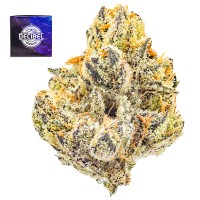
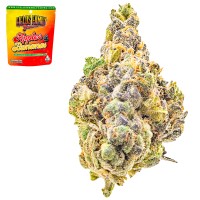
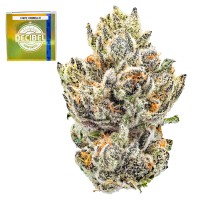
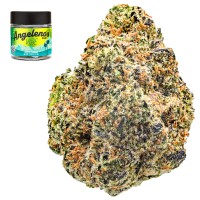
CBD (cannabidiol) is one of the many natural compounds found in Cannabis sativa. It’s called a cannabinoid. So is THC. So are dozens of others most people will never name correctly at a party.
The key point: CBD is non-intoxicating. It does not produce the classic “high” associated with marijuana.
People use CBD for things like:
- Relaxation and stress support
- Sleep support
- Post-workout recovery
- General wellness routines
Important: research is ongoing. Some uses are well-studied, others are mostly “it helps me, don’t ruin this for me” territory. Stay realistic.
Is CBD Weed or Not?
If by “weed” you mean “a cannabis product,” then CBD can be cannabis, yes.
If by “weed” you mean “something that gets you high,” then CBD is not weed in the way most people mean it.
Here’s the simplest way to think about it:
- CBD is a compound.
- Hemp and marijuana are cannabis plants defined largely by THC levels.
- “Weed” is slang, and slang is allergic to precision.
Hemp-Derived CBD vs Marijuana-Derived CBD: Same CBD, Different Rules
CBD is CBD chemically, whether it comes from hemp or marijuana. The real difference is THC content and how the law treats the source plant.
Hemp-derived CBD
Hemp is cannabis that contains very low THC. In the U.S., hemp is federally defined as cannabis with 0.3% THC or less by dry weight (though local laws still matter).
Hemp-derived CBD is commonly sold online and in retail shops in many places because it fits into broader legal frameworks.
Marijuana-derived CBD
Marijuana is cannabis that contains more than 0.3% THC (again, in the U.S. definition). Marijuana-derived CBD products may come with more THC present, and they are typically regulated through state-legal cannabis programs where applicable.
Bottom line: the CBD itself doesn’t magically change, but the product experience can, because THC often comes along for the ride.
CBD vs THC: The “High” Difference That Actually Matters
Let’s stop circling the obvious.
THC (tetrahydrocannabinol)
- Intoxicating
- Impairs coordination and reaction time
- Can cause euphoria, altered perception, increased appetite
- Can also cause anxiety or paranoia in some people, especially at higher doses
CBD
- Non-intoxicating
- Does not produce euphoria the way THC does
- Often described as calming or balancing
- May reduce some unwanted effects of THC for certain people, depending on the product and dose
So when someone says, “CBD weed got me high,” one of these is usually true:
- The product contained more THC than they expected.
- They used a CBD product that also contained THC (like full-spectrum).
- They were sold something labeled poorly or inaccurately.
- They’re extremely sensitive to THC and got a noticeable effect from trace amounts.
Yes, trace THC can still matter. Tiny numbers have big attitudes.
What CBD Flower Is (And Why It Looks Like Marijuana)
CBD flower is simply hemp flower bred to be high in CBD and low in THC. It can look identical to marijuana flower. It can smell similar too. Cannabis is going to cannabis.
What to expect from CBD flower:
- Aroma and flavor similar to cannabis
- Relaxation without strong intoxication (for most people)
- A “body calm” feeling, sometimes mild drowsiness depending on strain and dose
But remember: CBD flower can still contain trace THC, and that matters for drug tests and for anyone who is THC-sensitive.
Common CBD Product Types (And What They Feel Like)
CBD oil/tinctures
- Taken under the tongue (sublingual) or swallowed
- Often used for steady, adjustable dosing
- Effects typically feel gradual and controllable
CBD gummies/edibles
- Convenient and consistent per piece
- Slower onset because digestion takes time
- Effects of edibles can feel stronger or longer-lasting than tinctures, even with the same labeled dose
CBD capsules/softgels
- Like gummies, but without sugar and flavoring
- Great for routine and consistency
- Slower onset
CBD topicals (creams, balms)
- Applied to skin
- Used for localized support (muscles, joints, skin)
- Typically not associated with whole-body effects in the same way ingestibles are
CBD vape
- Fast onset
- Effects fade faster than edibles
- Not ideal for everyone, especially if you have respiratory concerns
CBD flower (smoked or vaporized)
- Fast onset
- Effects fade sooner than edibles
- Smells like cannabis because it is cannabis
Pick your format based on your goal. Don’t pick it based on hype.
What Does CBD Feel Like? Set Expectations Like an Adult
CBD is not a “flip the switch” substance for most people. It’s usually subtle.
Commonly reported effects include:
- A calmer baseline
- Easier unwinding at night
- Less physical tension
- A smoother mood
What you should not expect:
- A dramatic high
- Instant sedation like a sleeping pill
- A guarantee of pain relief or anxiety relief
- Mind-reading. CBD is good, but not that good.
Also, dose matters. So does product quality. So does your body. That’s the annoying truth.
Full-Spectrum vs Broad-Spectrum vs Isolate (Know What You’re Buying)
This is where people accidentally buy THC and then act betrayed.
Full-spectrum CBD
- Contains CBD plus other cannabinoids and plant compounds
- Usually includes trace THC
- Some people prefer it for the “entourage effect” (the idea that compounds work better together)
Broad-spectrum CBD
- Contains multiple cannabinoids and plant compounds
- Typically formulated to remove THC
- Still not always zero-risk unless tested carefully
CBD isolate
- Pure CBD (or close to it)
- No intentional THC
- Often the best choice if you want to minimize THC exposure
If you must avoid THC, don’t “assume” broad-spectrum is safe. Verify it. Then verify it again.
Labeling Tips: Don’t Get Played by a Pretty Package
CBD labels can be helpful. They can also be performance art.
Use these tips:
- Look for a COA (Certificate of Analysis) from an independent lab. If a brand won’t show it, leave.
- Match the COA to the product batch number if available. A random PDF from 2021 is not a flex.
- Check cannabinoid content: CBD amount per serving, and THC content specifically (Delta-9 THC and sometimes THCA).
- Watch the wording:
- “Hemp extract” is vague.
- “Full-spectrum” usually means some THC.
- “THC-free” should be backed by lab results, not vibes.
- Check serving size math. “3000 mg CBD” in a bottle sounds huge until you realize the serving is a single drop and the bottle is the size of your thumb.
Drug Test Risk: Can CBD Make You Fail?
Yes, CBD can make you fail a drug test, depending on the product and the test.
Most standard drug tests look for THC metabolites, not CBD. But here’s the problem: many CBD products contain THC, especially full-spectrum products, and even small amounts may accumulate with regular use.
Key facts:
- Full-spectrum CBD carries the highest risk because it typically contains THC.
- Broad-spectrum and “THC-free” products reduce risk, but contamination and mislabeling happen.
- CBD flower is higher risk than many oils and gummies because it often contains measurable cannabinoids, including trace THC.
- Frequency matters. Using small amounts daily can still add up over time.
If you have a drug test coming up and it matters for your job, athletics, probation, or anything else serious, do this:
- Avoid CBD entirely, or
- Use only products with strong third-party lab testing that shows non-detectable THC, and understand there is still no zero-risk guarantee.
That’s not fear-mongering. That’s reality.
How to Choose CBD (A No-Nonsense Checklist)
Use this checklist and spare yourself regret.
1. Decide your THC comfort level
- Want zero THC exposure? Choose isolate or verified THC-non-detect broad-spectrum.
- Fine with trace THC? Full-spectrum may be on the table.
2. Pick the product type for your goal
- Fast onset: vape or flower (with added considerations)
- Long-lasting: gummies or capsules
- Flexible dosing: tincture
3. Verify third-party testing
- COA must show CBD and THC content clearly
- Look for “ND” (non-detect) if you’re avoiding THC
4. Check potency per serving
Ignore the total bottle number. Focus on mg per serving.
5. Scan ingredients
Especially for gummies and flavored oils: sweeteners, allergens, additives
6. Start low, adjust slowly
- Increase only after you’ve tested a dose for a few days
- Repetition matters. Consistency matters. Consistency matters.
7. Talk to a clinician if you take medications
CBD can interact with some drugs (especially those that carry grapefruit warnings). Don’t freestyle your health plan.
Legal Note (Because Someone Will Ask)
CBD legality depends on:
- Where you live
- The product’s THC content
- The product type (especially flower)
- Local enforcement and retail rules
Even where hemp-derived CBD is legal, CBD flower can be treated suspiciously because it resembles marijuana. Don’t be shocked if it causes issues in travel or public settings. It’s not fair, but it is common.
FAQ: Is CBD Weed?
Is CBD the same as marijuana?
No. CBD is a compound, while marijuana is a cannabis classification typically associated with higher THC. CBD can come from hemp or marijuana, but CBD itself is not “marijuana.”
Can CBD get you high?
Pure CBD won’t intoxicate you. But some CBD products contain THC (especially full-spectrum), which can cause a high.
What is CBD flower?
CBD flower is hemp flower bred to contain high CBD and low THC. It looks and smells like marijuana because it is cannabis, just with different cannabinoid ratios.
What’s the difference between hemp CBD and marijuana CBD?
Mostly THC content and legal status. Hemp-derived CBD comes from cannabis with very low THC. Marijuana-derived CBD may come with more THC and is regulated differently.
Will CBD show up on a drug test?
CBD itself usually isn’t tested for, but THC is. Some CBD products contain THC or can be contaminated, so there is a real risk of failing a drug test.
What does “full-spectrum CBD” mean?
It usually means the product contains CBD plus other cannabinoids and plant compounds, including trace THC in most cases.
Is broad-spectrum CBD THC-free?
Broad-spectrum is typically formulated without THC, but you should confirm with third-party lab results. “Broad-spectrum” is not a magical force field.
How much CBD should a beginner take?
Start low and go slow. Many people begin with a small daily amount and adjust based on results. If you’re on medications or have medical conditions, check with a clinician first.
What’s the safest CBD product to avoid THC?
CBD isolate or a verified THC-non-detect broad-spectrum product with reliable third-party lab reports. Even then, understand that “zero risk” is hard to promise in supplements.
Can you travel with CBD?
Sometimes yes, sometimes no, depending on local laws and the product type. Oils and gummies are usually less complicated than flower. Always check rules for your destination.
How do I know if a CBD brand is legit?
Look for recent third-party COAs, clear THC disclosure, accurate serving size info, and transparent sourcing. If the brand hides lab results or makes wild medical claims, walk away.
Jenna Renz

Jenna is a California-based creative copywriter who’s been lucky enough to have worked with a diverse range of clients before settling into the cannabis industry to explore her two greatest passions: writing and weed.