Rewards



Is Delta 9 real weed? This question keeps popping up in dispensaries, online forums, and casual conversations about cannabis—and for good reason. The cannabis industry has exploded with hemp-derived products flooding the market, creating a confusing landscape where the line between “legal hemp” and “traditional marijuana” feels blurrier than your vision after a particularly potent edible.
Delta 9 THC, the primary cannabis psychoactive compound responsible for getting you high, sits at the center of this confusion. Walk into any smoke shop today and you’ll find Delta 9 gummies derived from hemp sitting right next to CBD products, all perfectly legal under federal law. Meanwhile, traditional cannabis flower—which also contains Delta 9 THC—remains federally illegal despite state-level legalization efforts.
What gives?
This article cuts through the haze surrounding Delta 9 THC overview questions. We’ll clarify whether Delta 9 qualifies as “real weed,” examine how hemp-derived versions stack up against traditional cannabis flower, and explore the crucial differences between various THC forms that actually matter to your experience.
Understanding Delta 9 THC
Delta 9 THC, or delta-9-tetrahydrocannabinol, is the main psychoactive compound found in cannabis plants. It is produced naturally in the trichomes of the plant, which are small, sticky structures that cover the flowers and leaves. The production of Delta 9 THC occurs through a process where enzymes convert cannabigerolic acid (CBGA) into tetrahydrocannabinolic acid (THCA), and then THCA is converted into Delta 9 THC through decarboxylation, usually caused by heat, light, or time.
How Delta 9 THC Works
The effects of Delta 9 THC are a result of its interaction with the body’s endocannabinoid system. Specifically, Delta 9 molecules bind to CB1 receptors located in the brain and central nervous system. This binding triggers a series of chemical reactions that lead to the typical effects associated with cannabis use:
- Euphoria and elevated mood
- Deep physical and mental relaxation
- Altered sensory perception (colors seem brighter, music sounds richer)
- Time distortion (minutes can feel like hours)
- Enhanced creativity and introspection
- Increased sociability for many users
The Dominance of Delta 9 THC
Delta 9 THC is the most common and potent form of THC found in marijuana plants. While cannabis produces various cannabinoids, Delta 9 usually makes up about 15-30% of the weight of dried flower in high-quality marijuana strains, which is much higher than other forms of THC in both concentration and potency. This is why “THC” and “Delta 9 THC” are often used interchangeably when talking about cannabis. When someone mentions the strength of their weed, they are usually referring specifically to the amount of Delta 9 present.
Hemp-Derived Delta 9 vs Traditional Cannabis Flower: A Potency Perspective
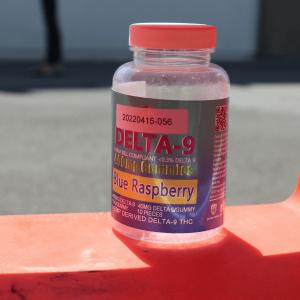
The cannabis world operates on a seemingly arbitrary number: 0.3% Delta 9 THC by dry weight. This percentage draws the legal line between hemp and marijuana under federal law, despite both plants being Cannabis sativa. Hemp contains trace amounts of Delta 9 THC (staying below that 0.3% threshold), while marijuana-derived Delta 9 comes from plants with significantly higher concentrations—often ranging from 15% to 30% or more.
Here’s where things get interesting: hemp derived Delta 9 is chemically identical to marijuana-derived Delta 9. Your body can’t tell the difference because there isn’t one. The molecules are twins separated at birth by legal definitions rather than chemical structure.
The real distinction lies in concentration and delivery:
- Cannabis flower potency from marijuana plants delivers substantial amounts of Delta 9 THC in each gram of flower
- Hemp-derived products must carefully formulate their offerings to stay legal, typically using larger serving sizes or concentrated extracts to achieve noticeable effects
- A 10mg hemp-derived Delta 9 gummy produces the same psychoactive experience as 10mg from marijuana—the source doesn’t change the destination
Federal law treats these products differently based on their origin. Hemp-derived Delta 9 products remain federally legal under the 2018 Farm Bill, provided they maintain that magic 0.3% concentration in the raw plant material. Marijuana-derived Delta 9 exists in a legal gray zone—still federally classified as a Schedule I substance, yet legal in numerous states that have established their own cannabis programs.
This creates a paradox where the same compound enjoys different legal statuses depending on which plant it came from, not what it actually does to you.
Comparing Delta 9 with Other THC Isomers: What Sets Them Apart?
The cannabis plant produces multiple THC isomers—molecules with identical chemical formulas but different structural arrangements. Think of them as siblings who share the same DNA but have distinct personalities. Delta 9 vs Delta 8 comes down to a single relocated double bond in their molecular structure, yet this tiny shift creates dramatically different experiences.
Delta 8 vs Delta 9
Delta 8 THC features its double bond on the eighth carbon chain, while Delta 9’s sits on the ninth. This seemingly minor adjustment means Delta 8 binds less efficiently to your CB1 receptors, producing a milder psychoactive effect—roughly 50-70% the potency of Delta 9. Users describe Delta 8 as delivering a clear-headed, functional high without the intensity that sometimes triggers anxiety in sensitive individuals. It’s the decaf espresso of the THC world: still energizing, just gentler on your system.
THCA vs Delta 9
Delta 9 vs THCA presents an even more fascinating distinction. THCA (tetrahydrocannabinolic acid) is actually the precursor to Delta 9—the raw, non-psychoactive form found in living cannabis plants. THCA only converts to Delta 9 through decarboxylation, which occurs when you apply heat through smoking, vaping, or cooking. Munching raw cannabis won’t get you high because THCA doesn’t fit into your endocannabinoid receptors the same way. It’s like having a key that’s almost the right shape but won’t turn the lock.
When asking “Is Delta 9 real weed?” compared to these alternatives, the answer becomes clearer: Delta 9 is the primary psychoactive compound that defines the traditional cannabis experience. Delta 8 and THCA are legitimate cannabinoids with their own merits, but they’re supporting actors to Delta 9’s leading role in producing that classic marijuana high.
Psychoactive Effects and Potency Differences: Dissecting the Experience
The psychoactive effects of Delta 9 THC create what most people recognize as the quintessential cannabis high. When you consume marijuana-derived Delta 9, your brain’s reward system lights up like a Christmas tree, triggering a cascade of sensations that can transform an ordinary Tuesday into something decidedly more interesting.
Users typically report a potency comparison that’s hard to ignore. Marijuana-derived Delta 9 delivers:
- Heightened sensory perception – colors become more vibrant, music sounds richer, and that leftover pizza tastes like it came from a Michelin-starred restaurant
- Euphoric mood elevation – a sense of well-being and giggles that make everything seem funnier than it probably is
- Altered time perception – five minutes can feel like an hour (or vice versa, depending on what you’re doing)
- The legendary munchies – an increased appetite that turns your kitchen into an all-you-can-eat buffet
- Physical relaxation – muscles loosen, tension melts away, and your couch becomes a gravitational force
The medicinal properties of cannabinoids shine through at various dosages, with users reporting relief from chronic pain, nausea, and sleep disturbances.
Hemp-derived Delta 9 products contain the same molecule, but here’s the kicker: concentration matters. Marijuana flower typically contains 15-30% Delta 9 THC, while hemp-derived products must stay below 0.3% by dry weight. This dramatic difference in cannabinoid profile means marijuana-derived Delta 9 packs a significantly more intense punch, delivering that classic cannabis experience with full-spectrum effects that hemp products simply can’t match at legal concentrations.
Safety Considerations When Consuming High-Potency Cannabis Products
High-potency Delta 9 THC products demand respect and responsible consumption practices. The side effects of Delta 9 THC can range from mildly uncomfortable to genuinely distressing when consumed in excessive amounts.
Common adverse reactions include:
- Anxiety and paranoia – particularly prevalent among inexperienced users or those consuming high doses
- Rapid heart rate – can feel alarming but typically subsides as effects wear off
- Dizziness and disorientation – spatial awareness becomes compromised
- Dry mouth and red eyes – the classic telltale signs
- Impaired memory and coordination – temporary cognitive fog that affects short-term recall
- Nausea – ironically, despite cannabis’s anti-nausea properties, too much can trigger the opposite effect
The safety of cannabis products hinges on dosage control and individual tolerance levels. First-time users should start with 2.5-5mg of Delta 9 THC and wait at least two hours before considering additional consumption. Edibles deserve special caution—their delayed onset (30-90 minutes) tricks impatient consumers into taking more before the initial dose kicks in.
Certain individuals face elevated risks: those with pre-existing anxiety disorders, heart conditions, or a family history of psychosis should consult healthcare providers before experimenting with high-potency products. Pregnant or breastfeeding individuals should avoid Delta 9 THC entirely, as research indicates potential developmental concerns.
Choosing Trustworthy Sources for Your Cannabis Needs
Is Delta 9 Real Weed? Yes—but not all Delta 9 products are created equal. The legitimacy of your cannabis experience hinges on where you source it.
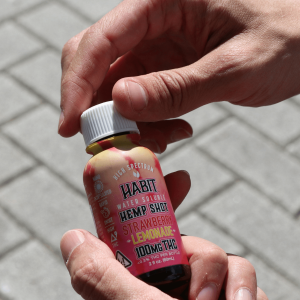
Shopping for Delta 9 products requires the same scrutiny you’d apply to buying supplements or medications. Reputable brands distinguish themselves through transparency and accountability, making lab-tested cannabis products your non-negotiable baseline.
What to look for when shopping:
- Certificates of Analysis (COAs) from independent, third-party laboratories—not just the manufacturer’s own testing facility
- Batch-specific testing results that verify cannabinoid potency and screen for contaminants like heavy metals, pesticides, and residual solvents
- Clear labeling that accurately states Delta 9 THC content per serving and per container
- QR codes or accessible links that let you verify test results yourself before purchasing
The cannabis market attracts its share of opportunists who slap “hemp-derived” on subpar products and call it a day. These sketchy operators skip testing to cut costs, leaving you vulnerable to mislabeled potencies or contaminated products. A product claiming 10mg of Delta 9 might actually contain 3mg—or 30mg. That’s not just disappointing; it’s potentially dangerous.
Brands that invest in rigorous testing demonstrate they value your safety over their profit margins. They understand that building trust requires proof, not promises. When a company makes their lab results easily accessible and regularly updates them, they’re telling you something important: they have nothing to hide.
However, it’s crucial to be aware of potential red flags in cannabinoid lab results. For instance, if a company’s COA shows unusually high potency levels or fails to provide comprehensive batch-specific testing data, these could be signs of unreliable sourcing or inaccurate labeling. Always remember that a reputable brand will never shy away from providing detailed and transparent lab results.
The Verdict: Is Delta-THC Really Considered ‘Real Weed’?
Is Delta 9 Real Weed? Absolutely—but context matters.
Delta 9 THC remains the same molecule whether extracted from hemp or marijuana. The chemical structure doesn’t change based on its plant source. What does shift is concentration, potency, and the entourage effect from surrounding cannabinoids.
Hemp-derived Delta 9 products deliver authentic psychoactive experiences, just at lower intensities due to the 0.3% THC legal threshold. Think of it as the difference between a craft beer and a shot of whiskey—both contain alcohol, but the experience varies dramatically.
Understanding delta-THC means recognizing that “real weed” isn’t about gatekeeping authenticity. It’s about:
- Chemical composition (Delta 9 is Delta 9, period)
- Legal compliance (hemp vs. marijuana designation)
- Potency levels (concentration matters for effects)
- Product quality (third-party testing confirms what’s inside)
The cannabis landscape has evolved beyond simple “yes or no” answers. Hemp-derived Delta 9 offers legal access to genuine THC experiences, while traditional marijuana flower provides higher potency for seasoned consumers. Both deserve their place in your cannabis toolkit.
FAQs (Frequently Asked Questions)
1. What is Delta 9 THC and how does it affect users?
Delta 9 THC, or tetrahydrocannabinol, is the primary psychoactive compound found in cannabis plants. It interacts with the endocannabinoid system in the human body, producing effects such as euphoria, relaxation, and altered perception of time. As the most potent form of THC in marijuana, it delivers the classic cannabis experience.
2. Is hemp-derived Delta 9 THC considered ‘real weed’?
Hemp-derived Delta 9 THC contains trace amounts of THC (less than 0.3%), making it federally legal but less potent than marijuana-derived Delta 9. While chemically similar, hemp-derived Delta 9 offers a milder experience compared to traditional cannabis flower, leading to debates about its classification as ‘real weed.’
3. How does Delta 9 compare to other THC isomers like Delta 8 and THCA?
Delta 9 THC differs chemically from other isomers such as Delta 8 and THCA. Delta 8 is less potent but still provides enjoyable psychoactive effects, whereas THCA is non-psychoactive until decarboxylated. These differences influence their potency and user experience distinctly from Delta 9.
4. What are the safety considerations when consuming high-potency Delta 9 THC products?
Consuming high-potency Delta 9 THC products can lead to side effects such as anxiety or paranoia in some individuals. It is important to consume responsibly, start with low doses, and be aware of one’s tolerance to avoid adverse reactions associated with strong cannabis strains or concentrates.
5. Why is choosing lab-tested cannabis products important when purchasing Delta 9 THC?
Selecting reputable brands that provide third-party lab testing ensures product safety and accurate labeling. This practice helps consumers avoid contaminants and verify potency, promoting a safer and more reliable cannabis experience.
6. What determines the legal status of hemp-derived versus marijuana-derived Delta 9 THC?
The legal distinction hinges on THC concentration: hemp-derived products contain less than 0.3% Delta 9 THC and are federally legal in the U.S., while marijuana-derived products have higher levels and are regulated at the state level. This affects both availability and potency for consumers.
Jenna Renz

Jenna is a California-based creative copywriter who’s been lucky enough to have worked with a diverse range of clients before settling into the cannabis industry to explore her two greatest passions: writing and weed.