Rewards



Is weed legal in Tennessee? Short answer: not the way you’re probably hoping. The Volunteer State maintains a firm stance against recreational marijuana, but here’s where things get interesting—and a bit confusing.
Tennessee marijuana laws draw a sharp line between marijuana and hemp, even though they’re technically the same plant. The difference? It all comes down to THC content. Hemp contains less than 0.3% THC (the compound that gets you high), while marijuana exceeds that threshold. This seemingly tiny distinction creates a massive legal gap.
You can legally purchase hemp-derived products at gas stations across Nashville, but get caught with actual marijuana? You’re looking at criminal charges, fines, and potential jail time. TN marijuana laws haven’t budged much on recreational use, despite shifting attitudes nationwide. Understanding these distinctions isn’t just academic—it could mean the difference between a legal purchase and a criminal record.
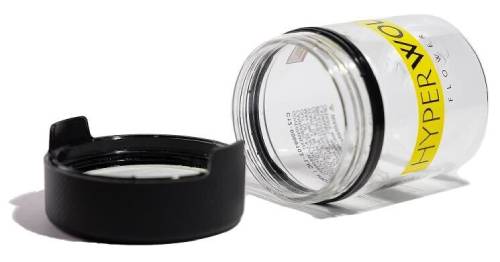
For more comprehensive information about cannabis laws and their implications, you might want to explore resources like Hyperwolf. Let’s break down exactly what’s allowed, what’s not, and what gray areas exist in Tennessee’s cannabis landscape.
Current Legal Status of Marijuana in Tennessee
Recreational cannabis Tennessee residents need to know this: lighting up for fun remains firmly off-limits. The Volunteer State hasn’t joined the growing list of states embracing legal recreational weed, and the laws here don’t mess around.
Marijuana possession Tennessee carries real teeth. Get caught with even a small amount—we’re talking half an ounce or less—and you’re looking at a Class A misdemeanor. That’s not a slap on the wrist; it’s up to a year behind bars and fines reaching $2,500. Your first offense? You might dodge jail time, but that criminal record sticks around like an unwanted houseguest.
The stakes climb higher with larger amounts. Possession of more than half an ounce bumps you into felony territory, where the legal system stops playing nice. TN marijuana laws treat anything over this threshold as serious business, with penalties escalating based on weight.
Here’s what possession charges look like:
- Half ounce or less: Class A misdemeanor, up to 1 year jail, $2,500 fine
- More than half ounce: Felony charges with significantly harsher consequences
- Second offense: Automatic felony classification regardless of amount
Law enforcement across Tennessee actively enforces these rules. Counties don’t operate on a “look the other way” policy, and hoping for leniency is a gamble you’ll likely lose. The state maintains consistent prosecution standards from Memphis to Knoxville.

Penalties and Enforcement for Marijuana Offenses
Tennessee takes a tough stance on marijuana offenses, especially when it comes to marijuana cultivation penalties TN and trafficking charges. The state makes a clear distinction between casual possession and more serious crimes, with significantly harsher consequences for the latter.
Cultivation Charges
Cultivation charges can escalate quickly depending on the number of plants and the intent behind the growth. Even growing a small number of plants can lead to felony charges, resulting in 1 to 6 years in prison for first-time offenders. The state sees cultivation as proof of intent to distribute, which automatically increases the severity of the offense.
Trafficking Laws
The marijuana trafficking laws Tennessee impose the harshest punishments in the state’s cannabis enforcement framework:
- 10-19 pounds: 1-6 years imprisonment and fines up to $5,000
- 20-69 pounds: 2-12 years imprisonment and fines up to $50,000
- 70-299 pounds: 8-30 years imprisonment and fines up to $200,000
- 300+ pounds: 15-60 years imprisonment and fines up to $500,000
These marijuana possession penalties Tennessee for trafficking leave little room for negotiation. Judges have limited discretion in these cases, and mandatory minimum sentences often come into play.
Enforcement Efforts
The Tennessee Bureau of Investigation (TBI) actively works on cultivating and trafficking cases, using various methods such as surveillance, informants, and coordinated raids to enforce these laws.
Repeat Offenders and Aggravating Factors
Repeat offenders face tougher penalties, with each subsequent conviction adding more years to potential sentences. The state considers distribution near schools or parks as aggravating factors, resulting in additional time and higher fines.

Understanding Hemp vs Marijuana in Tennessee
The difference between hemp and marijuana in Tennessee comes down to one important number: 0.3% THC. This is the key factor that determines whether cannabis is legal or illegal in the state.
What is Hemp?
Hemp is defined as Cannabis sativa containing 0.3% or less delta-9 tetrahydrocannabinol (THC) on a dry weight basis.
What Happens if THC Levels Exceed 0.3%?
If the THC levels exceed 0.3%—even by a small amount—you are now in possession of marijuana, which carries all the criminal penalties we just discussed.
The Impact of the 2018 Farm Bill
Legal hemp cultivation in Tennessee became possible after the 2018 Farm Bill removed hemp from the Controlled Substances Act. This allowed states to establish their own regulations for hemp production.
Tennessee quickly adopted this opportunity and created a regulatory framework through the Tennessee Department of Agriculture. As a result, licensed farmers can now legally grow hemp crops in the state, as long as they follow these requirements:
- Register with the state’s hemp program
- Submit to regular testing of their crops
- Maintain THC levels below the 0.3% threshold
- Keep detailed records of their operations
The Importance of THC Testing
The requirement for Cannabis sativa THC levels in Tennessee is not optional—it is mandatory by law. Farmers must test their crops before harvest, and if any batch tests “hot” (above 0.3% THC), they are obligated to destroy it. There are no exceptions or second chances.
This legal framework creates a strange situation where two nearly identical plants are treated very differently under state law. The distinction between a legal crop and a felony charge? A laboratory test and a decimal point.
Legal Use of CBD Oil Derived from Hemp
Tennessee made CBD oil legal in 2018, but there’s a catch—you need a prescription. You can’t just walk into any store and buy it for recreational use.
In Tennessee, the law requires patients to get approval from a licensed healthcare provider to use CBD. It’s like having a special pass that allows you to legally access CBD. Without that prescription, you’re technically in a legal gray area that could get you into trouble.
Medical conditions qualifying for prescribed CBD include:
- Seizure disorders (including epilepsy)
- Parkinson’s disease
- Chronic pain conditions
- Nausea associated with chemotherapy
- Multiple sclerosis
- Sickle cell disease
- Crohn’s disease
This prescription requirement sets Tennessee apart from states with more relaxed CBD laws. Your doctor must diagnose you with a qualifying condition and decide that hemp-derived CBD is a suitable treatment option. The product itself must contain less than 0.9% THC—significantly higher than the federal 0.3% limit for hemp, but still low enough to avoid getting you high.
Patients receive a card from the Tennessee Department of Agriculture confirming their legal right to possess CBD oil. Make sure to keep that card with you—it’s your protection against any potential legal issues when carrying your medication.
THCa Legality and Testing Protocols in Tennessee
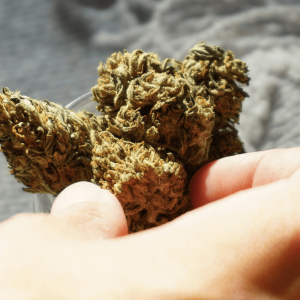
THCa legality in Tennessee is a bit confusing, even for experienced cannabis users. Tetrahydrocannabinolic acid (THCa) is the natural form of THC found in living cannabis plants. It doesn’t get you high until it’s heated and converted into THC through a process called decarboxylation—this happens when you smoke, vape, or bake cannabis.
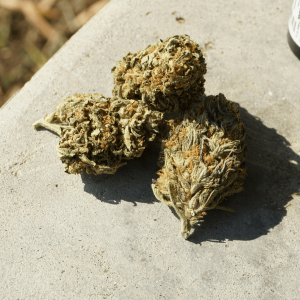
According to Tennessee weed laws, THCa products are technically allowed if they come from legal hemp that contains less than 0.3% delta-9 THC by weight. However, there’s a problem: law enforcement can’t easily tell the difference between legal hemp flower and illegal marijuana. They both look the same, smell the same, and have similar cannabinoid profiles before any testing is done.
How the Tennessee Bureau of Investigation (TBI) Handles This Situation
The Tennessee Bureau of Investigation (TBI) deals with this complicated situation using specific TBI cannabis testing protocols in Tennessee. Their labs examine seized plant material to determine the total THC concentration, which includes both delta-9 THC and THCa. Here’s how the testing process works:
- Gas chromatography-mass spectrometry (GC-MS) is used to heat up the sample and convert THCa into THC automatically.
- A quantitative analysis is conducted to measure the overall potential THC content.
- The labs also test for synthetic cannabinoids to identify any illegal designer drugs.
The Impact of Testing on Consumers
This testing method creates real problems for consumers who have legal THCa hemp products with them. Here’s what could happen:
- If an officer stops you and sees your THCa product, they may arrest you right away without fully understanding the chemistry behind it.
- The lab results will then determine whether you are charged with possession of marijuana or if you are released because your hemp product is legal.
- This entire process can take weeks or even months while your product sits in evidence storage.
It’s important to know that even though THCa products may be technically legal under state law, there are still risks involved due to the way testing is conducted and how law enforcement operates.
Real World Risks and Compliant Options for Tennesseans
Is Weed Legal In Tennessee? The short answer creates real consequences for residents who guess wrong. Getting caught with even a small amount of marijuana triggers a cascade of legal headaches—criminal records, employment barriers, and potential jail time don’t disappear after you pay the fine.
The risks of marijuana use TN residents face extend beyond immediate arrest. A possession charge creates a permanent criminal record that shows up on background checks, potentially blocking job opportunities, professional licenses, and housing applications. Law enforcement doesn’t distinguish between “just a little” and “a lot” when it comes to illegal substances.
Smart Tennesseans have legal alternatives to marijuana TN law actually permits:
- Prescribed hemp-derived CBD products remain the gold standard for staying on the right side of the law
- Products containing less than 0.3% THC purchased from licensed retailers
- Hemp flower and derivatives that pass TBI testing protocols
The compliant cannabis options Tennessee offers require vigilance. Not all CBD products meet state standards—some contain THC levels that cross into illegal territory. Purchase from reputable vendors who provide third-party lab results showing exact cannabinoid content.
State regulations shift faster than most people realize. What’s legal today might face new restrictions tomorrow. Bookmark the Tennessee Department of Agriculture’s hemp program updates and check them regularly. Your freedom depends on knowing where the legal lines are drawn right now, not where they were last year.
The Future of Weed Legalization in TN
Tennessee’s cannabis situation is at a turning point. While neighboring states like Virginia and Missouri have embraced legalization, Tennessee still holds firm with its strict laws—but changes are starting to happen.
Is Weed Legal In Tennessee? Not yet, but the discussion is getting more intense. Recent legislative sessions have seen multiple bills proposing medical marijuana programs, though none have gained enough support to pass. The state’s conservative legislature remains the main obstacle, despite growing public support for change.
The future of weed legalization in Tennessee depends on several factors:
- Public opinion shifts – Polls show increasing support among Tennessee voters for medical cannabis access
- Economic pressure – Tax revenue from surrounding legal states creates financial incentive
- Federal rescheduling – DEA decisions could force state-level policy changes
- Medical necessity arguments – Veterans groups and patient advocacy organizations continue pushing for expanded access
Expect small changes instead of major overhauls. Medical marijuana legalization seems more likely than recreational use in the near future. Tennessee’s cautious approach means any policy shift will happen slowly—if it happens at all.
FAQs (Frequently Asked Questions)
1. Is recreational cannabis legal in Tennessee?
No, recreational cannabis remains illegal in Tennessee. Possession of marijuana can lead to fines and jail time under current Tennessee marijuana laws.
2. What are the penalties for marijuana possession and trafficking in Tennessee?
Marijuana possession penalties in Tennessee include fines and possible jail time. Cultivation and trafficking carry harsher penalties, including up to 60 years imprisonment and fines up to $500,000 according to TN marijuana laws.
3. How does Tennessee distinguish between hemp and marijuana?
Tennessee defines hemp as Cannabis sativa containing less than 0.3% THC. Hemp cultivation is legal under state law, whereas marijuana with higher THC levels remains illegal.
4. Is CBD oil derived from hemp legal in Tennessee?
Yes, since 2018, CBD oil derived from hemp is legal in Tennessee with a prescription. It is used medicinally to treat conditions such as Parkinson’s disease and chronic pain.
5. What is the legal status of THCa in Tennessee?
THCa’s legality is determined under current state laws, with the Tennessee Bureau of Investigation (TBI) responsible for testing protocols that differentiate hemp from marijuana, including synthetic cannabinoids.
6. What are safe and compliant cannabis options available for Tennesseans?
Tennesseans can legally use prescribed hemp-derived CBD products as safe alternatives. It is important to stay informed about evolving cannabis regulations to avoid potential legal consequences for non-compliance.
Jenna Renz

Jenna is a California-based creative copywriter who’s been lucky enough to have worked with a diverse range of clients before settling into the cannabis industry to explore her two greatest passions: writing and weed.