Rewards


Cannabis concentrates have become a cornerstone of the modern cannabis experience, appealing to both new users and seasoned enthusiasts. If you’ve ever walked into a local dispensary and wondered about marijuana concentrates, hash oil, or THC diamonds, you might be asking yourself: what are cannabis concentrates? At their core, these are highly refined cannabis extracts that pack the cannabinoids and terpenes from the cannabis plant into a concentrated form. Unlike traditional methods of consuming dried flower, concentrates allow you to experience a small amount of material with potent effects.
For those exploring the spectrum of cannabis products, understanding the types of cannabis concentrates, the extraction methods, and how they influence THC content and flavor is key. Whether you’re curious about solvent-based concentrates like butane hash oil (BHO) or solventless concentrates like bubble hash and live rosin, knowing the basics will help you enjoy cannabis safely and effectively.
What Are Cannabis Concentrates?
Cannabis concentrates are highly potent cannabis extracts created by removing excess plant matter from marijuana flower while retaining the desirable compounds—primarily THC, CBD, and aromatic terpenes. Essentially, a cannabis concentrate is a potent extract derived from cannabis flower in a concentrated form, meaning you can get stronger effects using less material.
They come in various forms, textures, and consistencies, including sticky waxes, brittle shatters, and viscous oils. Concentrated cannabis is designed to deliver the cannabinoid profile of the plant in its purest form, maximizing potency and flavor. For enthusiasts, these products represent a more efficient, potent concentrate experience compared to smoking dried flower.
The History of Cannabis Concentrates
Marijuana concentrates aren’t new. Traditional methods date back centuries, when cultures used manual presses or sieves to create early forms of hash oil and bubble hash. These traditional methods relied on ice water, dry sieving, or simple mechanical techniques to separate trichomes—the tiny glands on sugar leaves and marijuana flower—from the plant matter.
Over time, technology evolved, introducing solvent-based extraction methods and carbon dioxide techniques, which allowed for more refined, potent extracts. Despite modern advances, many users still value solventless methods, which preserve more terpenes and reduce the risk of residual chemical solvents.
How Cannabis Concentrates Are Made
The production of a cannabis concentrate starts with selecting high-quality cannabis flower. The starting material could be marijuana flower, sugar leaves, or freshly harvested trichome-rich plant matter. Once selected, the extraction process begins to separate desirable compounds from the plant matter, concentrating the THC content, cannabinoids, and terpenes into a potent, manageable form.
Different extraction methods impact flavor, potency, and consistency. For instance, solventless extraction relies on pressure, ice water, or heat to capture the compounds without introducing chemical solvents. In contrast, solvent-based extraction uses butane, ethanol, or carbon dioxide to dissolve the cannabinoids and terpenes, producing potent concentrates like butane hash oil (BHO) or CO₂ oil.
Solvent-Based Concentrates
Solvent-based concentrates utilize chemical solvents to pull cannabinoids and terpenes from plant material. Common solvents include butane, ethanol, or carbon dioxide. The result is a highly refined cannabis oil that can take on multiple forms, from wax and shatter to THC diamonds.
The main advantage of solvent-based extraction is efficiency: it produces high-potency extracts quickly while maintaining much of the cannabinoid profile. However, careful purging is essential to remove any residual chemical solvents, ensuring the final product is safe for consumption methods like dab rigs, vape pens, or pouring extract into edibles.
Solventless Concentrates
For those who prioritize purity, solventless concentrates are increasingly popular. These solventless methods—such as bubble hash, dry sift, and rosin—avoid chemical solvents entirely. Instead, techniques like ice water hash or heat-and-pressure live rosin extraction isolate the desirable compounds while maintaining more terpenes than many solvent-based concentrates.
Solventless concentrates tend to offer a strong flavor closer to the original marijuana flower, appealing to connoisseurs who want a full melt experience without worrying about residual chemicals.
Hash and Bubble Hash
Hash is one of the most popular forms of cannabis concentrate, traditionally made by compressing trichomes from marijuana flower. Modern bubble hash uses ice water to separate trichomes from plant matter, creating a clean, potent extract that’s usually pressed into bricks or balls.
Bubble hash offers the advantage of being a solventless concentrate, preserving cannabinoids and terpenes, and is often the starting material for rosin. It’s known for its potent effects and strong aromatic profile, making it a favorite among traditional marijuana concentrate enthusiasts.
Rosin and Live Rosin
Rosin is produced using heat and pressure to squeeze THC-rich resin from plant matter or bubble hash. This solventless extraction preserves more terpenes, offering a strong flavor and a full-spectrum experience.
Live rosin, in particular, is made from fresh frozen marijuana flower, capturing the cannabinoid profile and other compounds in their freshest state. Both rosin and live rosin are highly prized for their potency and taste, making them a popular form for dab rigs or vape pens.
Butane Hash Oil (BHO)
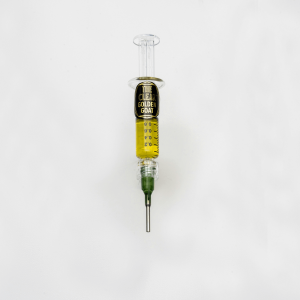
BHO, or butane hash oil, is a solvent-based concentrate made by dissolving trichomes in butane. The mixture is purged of chemical solvents, leaving behind potent THC concentrates that come in textures like wax, shatter, sauce, or THC diamonds.
BHO is favored for its high THC levels, strong flavor, and versatility. It’s widely available in local dispensaries and can be consumed via dab rigs, vape pens, or incorporated into edibles. Despite its popularity, caution is essential during production to avoid safety hazards from residual butane.
Live Resin
Live resin is a solvent-based extraction made from freshly harvested, fresh frozen marijuana flower, instead of dried marijuana flower. This method preserves more terpenes, resulting in a strong flavor and aromatic profile that is closer to the live plant.
Live resin often comes in sauce, sugar, or wax forms and is valued for retaining more terpenes than traditional BHO. This makes it ideal for users who want potent extracts derived from concentrated cannabis without compromising the taste.
THC Diamonds and Other Concentrates
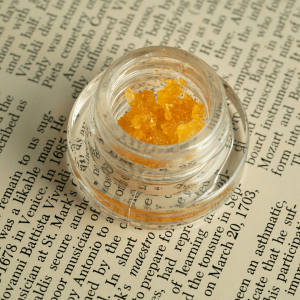
THC diamonds represent one of the most potent extracts available. These crystalline formations consist of nearly pure THC and can be combined with live resin or rosin for a flavorful, high-intensity experience. Other types of concentrates include wax, budder, and sauce, each offering different textures, THC content, and consumption methods.
Whether you prefer pouring extract, dabbing, or using vape pens, there’s a concentrate to suit almost every preference.
Cannabinoid and Terpene Content
One of the biggest appeals of cannabis concentrates is the higher concentration of cannabinoids like THC, CBD, and other minor compounds. The cannabinoid profile varies depending on the extraction method, starting material, and whether the concentrate is solvent-based or solventless.
Concentrates often retain more terpenes, which not only enhance flavor but also influence the overall effects. The preservation of these desirable compounds reduces terpene degradation that occurs during prolonged heat or storage, resulting in a more nuanced and full-spectrum experience.
Methods of Consumption
Cannabis concentrates offer versatility in consumption methods:
- Dab rigs: Ideal for full melt concentrates like live rosin or THC diamonds.
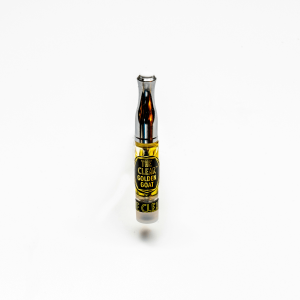
- Vape pens or e-cigarettes: Convenient and portable, perfect for solventless concentrates or CO₂ oil.
- Edibles: Some concentrates can be poured or infused into cannabis oil for cooking.
- Twaxing joints: Wrapping a small amount of concentrate around marijuana flower for extra potency.
Each method affects the potency, onset, and duration of effects, making it important to choose the consumption method that matches your experience level and preferences.
Effects of Cannabis Concentrates
Because concentrates contain higher THC levels than traditional dried flower, their effects are often more intense and longer-lasting. A small amount can produce a strong flavor, robust high, and a full spectrum of cannabinoids and terpenes.
Beginners should start slow, as potent concentrates can overwhelm, while experienced users may appreciate the efficiency and intensity. The effects vary depending on the types of cannabis used, THC content, and other compounds present in the marijuana plant.
Storage and Shelf Life
Long term storage of cannabis concentrates requires attention to temperature, light, and air exposure to avoid terpene degradation. Most concentrates should be kept in a cool, dark environment, while short term storage in airtight containers is acceptable for daily use.
Solventless concentrates like rosin or bubble hash may be more sensitive to heat and light than solvent-based concentrates, so proper long term storage preserves potency, flavor, and cannabinoid profile.
Final Thoughts: Are Cannabis Concentrates Right for You?
Cannabis concentrates represent the pinnacle of potency, flavor, and efficiency for marijuana concentrates lovers. Whether you prefer solventless concentrates like live rosin or solvent-based extraction like BHO, the modern cannabis market has something for everyone.
Understanding what are cannabis concentrates, their types of concentrates, THC levels, and consumption methods helps you enjoy cannabis safely and fully. From dab rigs to vape pens, these potent extracts allow you to experience full melt, aromatic, and flavorful highs.
Next time you visit your local dispensary or browse a trusted website, explore the range of concentrated cannabis products and discover why so many enthusiasts are captivated by these potent extracts derived from the marijuana plant. With knowledge and caution, concentrates can elevate your cannabis experience to a new level.
Frequently Asked Questions
1. Is concentrate stronger than bud?
Yes. Cannabis concentrates are much more potent than traditional cannabis flower because they contain higher THC levels and a concentrated cannabinoid profile. While marijuana flower usually has 15–25% THC, concentrates can range from 50–90% THC, meaning a small amount delivers effects comparable to multiple grams of flower.
2. Does cannabis concentrate get you high?
Absolutely. Cannabis concentrates are designed to deliver a strong, potent high due to their elevated THC content and full spectrum of other compounds, including cannabinoids and terpenes. Effects can be immediate when dabbed or vaped, and slightly delayed when infused into edibles.
3. Are concentrates the same as edibles?
Not quite. While some concentrates can be infused into cannabis oil for edibles, concentrates themselves are usually smoked, dabbed, or vaped. Edibles involve a cooking or infusion process, whereas concentrates are direct extracts of the marijuana plant.
4. What’s the difference between dabs and concentrates?
A dab refers to a serving of a cannabis concentrate that is heated and inhaled, typically using a dab rig. The concentrate itself is the substance—wax, shatter, live resin, or THC diamonds. Essentially, all dabs are concentrates, but not all concentrates are necessarily used as dabs. The consumption method influences onset, potency, and flavor.
Jenna Renz

Jenna is a California-based creative copywriter who’s been lucky enough to have worked with a diverse range of clients before settling into the cannabis industry to explore her two greatest passions: writing and weed.