Rewards




Cannabis enthusiasts and curious newcomers alike may have recently heard whispers about a relatively new cannabinoid called THCx. With the rise of the cannabis market and ongoing preliminary discussions in the medical community, THCx is generating buzz for its unique chemical structure and psychoactive properties. But what exactly is THCx, and how does it differ from more well known cannabinoids like delta 9 THC or delta 8 THC?
In this article, we’ll explore everything from its chemical makeup and effects of THCx to THCx legal status, potential therapeutic benefits, and the role it might play in the evolving cannabis industry.
What is THCx?
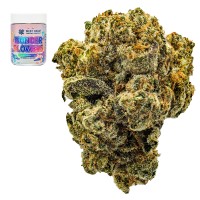

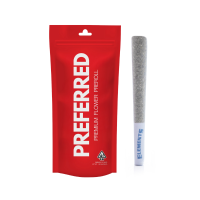


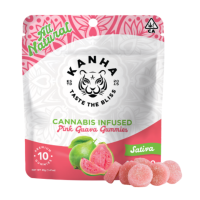

Simply put, THCx is a new cannabinoid found in cannabis plants, including both hemp plants and more traditional cannabis strains. While THC and CBD have dominated the spotlight for years, THCx is catching attention as a relatively new cannabinoid with unique effects and potential benefits.
Chemically, THCx shares similarities with delta 9 THC and delta 8 THC, but it also has a unique chemical structure that may differentiate its psychoactive effects and interaction with the body’s endocannabinoid system. In some cases, THCx may be considered a synthetic cannabinoid, particularly when isolated or synthesized for THCx products, but it can also occur naturally in small amounts in certain cannabis strains.
As interest grows, few companies are beginning to offer THCx products, though limited research means much of what we know comes from anecdotal evidence and early reports rather than extensive clinical trials.

How THCx Interacts With the Body
To understand THCx effects, it helps to know a bit about the body’s endocannabinoid system. This complex network of cannabinoid receptors plays a critical role in regulating mood, sleep quality, sensory perception, appetite, and pain response. Like other psychoactive substances, THCx interacts with these receptors to produce effects.
- CB1 receptors in the brain are primarily responsible for psychoactive effects and sensory perception.
- CB2 receptors, found in the immune system and peripheral tissues, may influence chronic pain, inflammation, and analgesic properties.
The unique chemical structure of THCx allows it to potentially bind to these receptors differently than traditional THC, which could lead to milder high or different psychoactive properties. Early anecdotal reports suggest small doses of THCx may stimulate mood without the intense euphoria commonly associated with delta 9 THC.
=THCx Effects: What Users Can Expect
One of the most intriguing aspects of THCx is its psychoactive properties. While delta 9 THC is famous for its robust euphoric impact, THCx may offer similar effects but with unique effects that distinguish it from other cannabinoids. Users report effects tend to be a milder high, sometimes paired with enhanced sensory perception or focus.
Reported THCx effects can include:
- Pain relief and analgesic properties for mild discomfort or chronic pain
- Potential anxiety reduction without overstimulation
- Changes in appetite — some users experience appetite suppression, while others note it may stimulate appetite
- Potential improvements in sleep quality
Like many hemp derived cannabinoids, THCx is still under limited research, so these effects of THCx are primarily based on anecdotal reports rather than definitive clinical trials. It’s also important to note possible potential side effects, which may include dry mouth, increased heart rate, and temporary anxiety in sensitive individuals.
THCx vs THC vs Delta-8/Delta-9
The cannabis industry is already crowded with many cannabinoids, so it’s useful to compare THCx with more well known cannabinoids.
- Delta 9 THC: The classic psychoactive cannabinoid, known for strong euphoria and produce psychoactive effects reliably.
- Delta 8 THC: A synthetic compound in some cases or naturally present in trace amounts, generally offering milder high and similar effects to delta 9.
- THCx: A relatively new cannabinoid with a unique chemical structure, offering potential health benefits similar to THC but with potentially different potency, psychoactive effects, and side effects of THC.
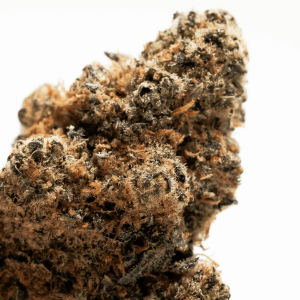
One distinction is that THCx may offer analgesic properties, anxiety reduction, and appetite modulation in ways that differ from traditional THC. It’s also worth noting that the chemical structure of THCx is part of what may allow it to interact with other cannabinoids in synergistic or unique ways.
THCx Legal Status
The THCx legal status is complex and evolving. Because it is hemp derived cannabinoids in some cases, it may fall under certain federal protections similar to CBD or delta 8. However, when synthesized or extracted from cannabis strains with high delta 9 THC, its legality becomes murky.
Key considerations include:
- Federal laws in the U.S. may classify THCx as a controlled substance if it produce psychoactive effects.
- Drug tests may not differentiate THCx from delta 9 THC, meaning THCx products could result in positive results.
- State laws vary widely, with some allowing hemp derived cannabinoids while others ban synthetic cannabinoids.
In short, the legal status is one of the reasons few companies currently sell THCx products, though interest is growing in the cannabis market.
Methods of Consumption
Like traditional THC, THCx can be consumed in various ways depending on the product type:
- Smoking or vaping: Flower or THCx products designed for inhalation. Effects are often faster and more pronounced.
- Edibles or tinctures: Slower onset, longer-lasting psychoactive effects, and potential health benefits similar to other cannabinoids.
- Topical applications: Some x products aim for localized pain relief or anti-inflammatory effects without produce psychoactive effects.
Users are advised to start with small doses, especially because limited research means the potency and effects tend to vary significantly between products.
Potential Benefits and Risks
THCx offers promise for several health benefits, though more research is needed to fully understand its profile. Reported potential benefits include:
- Pain relief for chronic pain sufferers
- Anxiety reduction and potential mood stabilization
- Improved sleep quality
- Appetite modulation, including stimulate appetite or appetite suppression
- Analgesic properties comparable to other well known cannabinoids
However, there are also potential adverse effects, including:
- Dry mouth
- Increased heart rate
- Anxiety in some users
- Potential side effects from combining with other cannabinoids
Because THCx is still a relatively new cannabinoid, limited research means that clinical trials are sparse. Most evidence comes from anecdotal reports, so more research is necessary before drawing definitive conclusions.
The Future of THCx in the Cannabis Industry
THCx represents an exciting frontier in the cannabis industry, sitting alongside hemp plants and cannabis products that include delta 8 and delta 9 THC. Its unique chemical structure and psychoactive properties are opening doors to new cannabinoid applications in medicine, wellness, and recreation.
Some potential avenues for growth include:
- Development of THCx products targeting sleep quality, pain relief, and anxiety
- Use in hybrid formulations with other cannabinoids to amplify potential therapeutic benefits
- Expansion of cannabis market interest, especially among consumers seeking milder high or unique effects
Early reports and anecdotal evidence suggest that THCx may deliver potential benefits similar to traditional THC, but with distinct psychoactive effects and potential side effects. As clinical trials and more research progress, THCx products could become more mainstream, potentially influencing the cannabis market, medical community, and regulatory landscape.
Conclusion
So, what is THCx? It’s a relatively new cannabinoid with unique chemical structure, promising psychoactive properties, and potential therapeutic benefits. Though still under limited research, early anecdotal reports suggest it could offer pain relief, anxiety reduction, appetite modulation, and improved sleep quality.
Whether you’re a seasoned cannabis consumer looking to try THCx or just exploring hemp derived cannabinoids, it’s clear that this new cannabinoid has captured the attention of the cannabis industry. Its chemical makeup, interaction with the endocannabinoid system, and psychoactive effects may differentiate it from delta 9, delta 8, and other cannabinoids, while still offering several health benefits.
As more clinical trials are conducted and more research emerges, THCx products could become a staple in both cannabis products and the cannabis market, offering consumers unique effects and a milder high. Until then, it’s essential to approach THCx with awareness of potential side effects, legal status, and the variability of THCx effects across x products.
In short, THCx is more than just another psychoactive substance—it’s a window into the future of cannabis plants, hemp plants, and hemp derived cannabinoids, offering many cannabinoids the chance to produce effects and deliver potential benefits in ways similar effects from traditional THC have long been known for.
Frequently Asked Questions
1. Is thcx legit?
Yes, THCx is a legitimate, naturally occurring cannabinoid found in cannabis plants and, in some cases, hemp plants. While it is a relatively new cannabinoid, early anecdotal evidence and preliminary discussions in the medical community suggest it has psychoactive properties and potential therapeutic benefits. However, because it is still under limited research, much of what we know comes from anecdotal reports and early reports, so consumers should approach THCx products cautiously and responsibly.
2. Does THCA get you high?
No, THCA (tetrahydrocannabinolic acid) is the non-psychoactive precursor to THC. Unlike THCx or delta 9 THC, THCA does not produce psychoactive effects on its own. It is often found in raw cannabis plants and can offer potential benefits such as anti-inflammatory or analgesic properties, but it requires decarboxylation (heating) to convert into THC before it can produce effects like a typical high.
3. What is the strongest cannabinoid?
The strongest cannabinoid depends on how you measure potency—whether by psychoactive effects, affinity for cannabinoid receptors, or therapeutic potential. In terms of psychoactive substances, THCP and some synthetic cannabinoids are considered far more potent than delta 9 THC, requiring much smaller doses to produce psychoactive effects. THCx is not currently considered the strongest cannabinoid but may offer unique effects and milder high experiences compared to traditional THC.
4. Does THCP get you stoned?
Yes, THCP (tetrahydrocannabiphorol) is extremely potent and can easily produce psychoactive effects even in small doses. Its unique chemical structure gives it significantly higher binding affinity to cannabinoid receptors, meaning its psychoactive properties are more intense than delta 9 THC or delta 8 THC. Users should exercise caution and consider potential adverse effects like increased heart rate, anxiety, or dry mouth.
5. What is the strongest cannabinoid on the market?
Currently, THCP is considered the strongest naturally occurring cannabinoid in terms of psychoactive potency. Certain synthetic cannabinoids may also exceed THCP in potency, but these can carry unpredictable side effects of THC and legal risks. For naturally derived compounds, THCx, delta 8 THC, and delta 9 THC are less potent than THCP but still offer psychoactive properties and potential therapeutic benefits that make them appealing in the cannabis market.
Jenna Renz

Jenna is a California-based creative copywriter who’s been lucky enough to have worked with a diverse range of clients before settling into the cannabis industry to explore her two greatest passions: writing and weed.