Rewards


The cannabis world continues to expand beyond just THC and CBD, with new cannabinoids entering the conversation almost daily. Among the most intriguing of these are THCp and THCa. While they sound similar, their effects, chemical structures, and uses are very different. Understanding THCp vs THCa flower is key for cannabis consumers looking to explore new cannabinoids while making sense of how they fit into the broader cannabis market.
Both cannabinoids offer potential benefits, but their psychoactive properties—or lack thereof—make them appealing for very different reasons. THCp, or tetrahydrocannabiphorol, is a highly potent psychoactive cannabinoid that can produce intense psychoactive effects even in trace amounts. THCa, or tetrahydrocannabinolic acid, is the non psychoactive precursor to THC, found naturally in raw cannabis plants.
This blog breaks down THCa vs THCp step by step, covering potency differences, therapeutic benefits, and legality, so you can decide which option best fits your needs.
What is THCp?
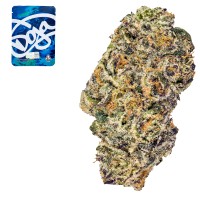
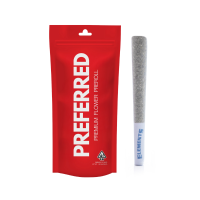
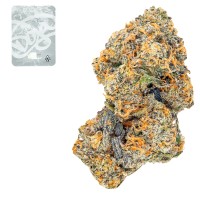
THCp is a novel cannabinoid first identified in 2019 by Italian researchers studying cannabis plants. Short for tetrahydrocannabiphorol, THCp is considered a highly potent psychoactive cannabinoid with psychoactive potency far exceeding delta 9 THC. The difference lies in its chemical structure: THCp contains seven carbon atoms in its alkyl side chain, compared to THC’s five. This small variation allows THCp to show stronger binding affinity to the body’s cannabinoid receptors, particularly CB1 receptors in the brain.
Because of this, THCp can induce psychoactive effects far more intense than traditional THC. While it occurs naturally in cannabis plants, it is only present in trace amounts. For this reason, most THCp products on the cannabis market are hemp derived cannabinoids extracted and concentrated for consumer use. Cannabis consumers often describe THCp’s effects as producing more potent euphoric effects, intense euphoria, and sometimes overwhelming psychoactive traits—making it a cannabinoid better suited for seasoned cannabis enthusiasts than beginners.
What is THCa Flower?
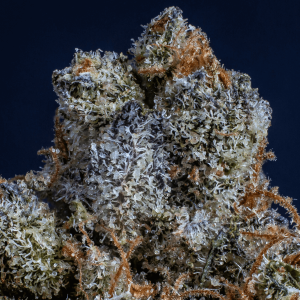
Unlike THCp, THCa is not intoxicating in its raw form. THCa stands for tetrahydrocannabinolic acid, the non psychoactive compound produced naturally in raw cannabis plants. THCa occurs naturally as the plant’s way of protecting itself, but for humans, its significance lies in being the non psychoactive precursor to THC. When heated—through smoking, vaping, or cooking—THCa converts to delta 9 THC, the compound most associated with the classic cannabis experience.
ThCa flower has become increasingly popular in the cannabis market because of its legal status. Since it qualifies as hemp under federal law if it contains less than 0.3% delta 9 THC, thca hemp flower is often sold as part of hemp derived products. However, once consumed through heating, it produces psychoactive effects nearly identical to marijuana plants, giving consumers access to a traditional cannabis high while operating in a legal gray area.
Chemical Structures & Activation
When comparing THCa and THCp, it helps to look at their chemical structures. THCp is active in its natural form, with seven carbon atoms that create potent psychoactive effects due to its stronger binding affinity to cannabinoid receptors. It is considered one of the most potent psychoactive cannabinoids discovered so far.
THCa, on the other hand, contains a carboxylic acid group in its structure, making it a non psychoactive compound until decarboxylation occurs. This process removes the acid group, turning it into delta 9 THC, which can then produce psychoactive effects. This means THCa in raw cannabis leaves or raw cannabis plant material offers non psychoactive properties, but once smoked or vaped, it delivers the intoxicating effects cannabis consumers expect.
Potency: THCp vs THCa
When discussing potency differences, THCp vs THCa could not be more different. THCp is a highly potent psychoactive cannabinoid capable of producing intense effects in very small doses. In fact, some studies suggest its psychoactive potency could be up to 30 times stronger than delta 9 THC, making it one of the most potent cannabinoids derived from hemp and marijuana plants alike.
THCa, however, does not induce psychoactive effects in its raw form. It only becomes intoxicating once heated and converted into delta 9 THC. Consuming THCa flower delivers a more traditional cannabis high with euphoric effects, relaxation, and therapeutic benefits, but without the extreme potency THCp offers.
Put simply: THCp can overwhelm even seasoned cannabis enthusiasts with potent effects, while THCa products provide a more familiar experience once activated.
Effects & Benefits of THCp
THCp products are valued primarily for their intense psychoactive effects. Cannabis consumers report potent euphoric effects, intense euphoria, and deeply intoxicating effects that can last longer than THC. Because of its stronger binding affinity to the body’s endocannabinoid system, THCp may also enhance potential therapeutic benefits, though research is still limited.
Some reported potential benefits of THCp include:
- Pain relief and reduced physical discomfort
- Appetite stimulation
- Mood enhancement and euphoria
However, its intense psychoactive effects can also lead to overwhelming experiences, including anxiety or paranoia, especially in higher doses. Unlike THCa, THCp is not a non psychoactive compound—it is one of the most potent psychoactive cannabinoids known.
Effects & Benefits of THCa Flower
In raw form, THCa flower offers potential therapeutic benefits without intoxication. Because it is a non psychoactive cannabinoid, it may provide anti-inflammatory and neuroprotective benefits when consumed through raw cannabis leaves, juices, or tinctures.
When decarboxylated, consuming THCa produces the traditional THC effects: relaxation, mood enhancement, appetite stimulation, and euphoric effects. Many cannabis consumers prefer THCa products because they offer both non psychoactive properties in raw form and intoxicating effects once activated, making them versatile in their potential benefits. THCa is especially popular among medical cannabis users who want therapeutic benefits without necessarily experiencing a high.
Consumption Methods Compared
The way THCp and THCa are consumed also impacts their effects.
- THCp: Commonly found in vapes, tinctures, and edibles as part of hemp derived cannabinoids. Because of its psychoactive potency, even small doses of THCp products can produce intense effects.
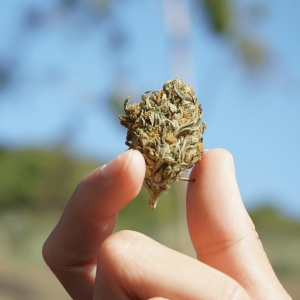
- THCa Flower: Smoked, vaped, or dabbed for traditional THC effects. It can also be consumed raw in smoothies or tinctures for non psychoactive properties.
For cannabis consumers, this means THCp is primarily for those seeking potent psychoactive effects, while THCa hemp flower is for those who want flexibility between raw consumption and a traditional cannabis high.
Side Effects & Safety
The intense effects of THCp make safety an important consideration. Because it is a potent cannabinoid with highly psychoactive traits, new cannabinoids like THCp can cause side effects such as anxiety, paranoia, or dizziness if taken in large amounts.
THCa is generally considered safe in its raw form since it is a non psychoactive compound. However, once it converts into delta 9 THC, the usual side effects of THC—such as dry mouth, red eyes, or anxiety—can appear. For both cannabinoids, dosage and personal tolerance are key, and cannabis consumers should approach with caution.
Legality: THCp vs THCa
Legal status is another area where THCa and THCp differ. THCp is typically classified as a hemp derived product if it comes from hemp plants and contains less than 0.3% delta 9 THC. However, state laws vary, and its psychoactive potency has attracted regulatory attention.
THCa hemp flower is more complicated. In its raw form, it is a non psychoactive compound and federally compliant as long as delta 9 THC levels remain below 0.3%. However, because THCa converts into THC when heated, some states view it as functionally identical to marijuana plants, leading to restrictions. As with all hemp derived cannabinoids, legal status depends on state laws, and consumers should always check local regulations.
Which is Right for You?
So, how do you decide between THCp vs THCa? It depends on your goals as a cannabis consumer.
- Choose THCp products if you are an experienced user seeking intense psychoactive effects, potent euphoric effects, and a novel cannabinoid experience.
- Choose THCa flower if you want the versatility of a non psychoactive compound in raw form with the option to convert it into a classic cannabis experience.
For seasoned cannabis enthusiasts, both cannabinoids offer unique ways to explore the cannabis plant and discover new cannabinoids.
Conclusion: THCp vs THCa in the Cannabis Industry
Both THCp and THCa represent how diverse and complex naturally occurring cannabinoids found in hemp and marijuana plants can be. THCp is a potent cannabinoid known for intense euphoria and highly psychoactive effects, while THCa is the non psychoactive precursor that offers both raw therapeutic potential and traditional THC effects once activated.
As the cannabis market evolves, cannabinoids derived from hemp and marijuana plants will continue to reshape how we view potency, legality, and medical benefits. Whether you’re intrigued by THCp’s intense effects or THCa’s non psychoactive nature and classic cannabis experience, understanding THCp vs THCa flower ensures you can make informed choices in this rapidly changing cannabis world.
THCa vs THCp: Frequently Asked Questions
1. Does THCP get you higher than THCA?
Yes—THCP is known to be far more potent than THCA once it’s activated. THCA itself isn’t intoxicating until it’s heated and converted into THC. Meanwhile, THCP binds to cannabinoid receptors with much higher affinity, which is why users often report that it feels significantly stronger than THC or activated THCA.
2. Will THCP get you high?
Absolutely. THCP is psychoactive and is thought to be many times more potent than THC. Even small amounts can produce strong effects, so it’s recommended to start slow and carefully measure your intake.
3. Does THCA or THCP show up on a drug test?
Yes. Both THCA (once decarbed into THC) and THCP can trigger positive results on standard cannabis drug tests. Most screenings aren’t designed to differentiate between cannabinoids—they simply detect THC metabolites, which means consuming either can cause a failed test.
4. What do THCA and THCP do together?
When combined, THCA (once heated into THC) and THCP may create an amplified effect. THCA brings the classic cannabis experience after activation, while THCP enhances the potency and longevity of the high. Many consumers find the pairing produces a more intense and well-rounded experience compared to using either compound alone.
Jenna Renz

Jenna is a California-based creative copywriter who’s been lucky enough to have worked with a diverse range of clients before settling into the cannabis industry to explore her two greatest passions: writing and weed.