Rewards


When it comes to cannabis concentrates, the debate between rosin vs resin is one of the most popular among cannabis connoisseurs. Both offer unique experiences, from flavor and aroma to potency and consumption methods, but they differ significantly in extraction methods and production techniques.
Rosin products and resin products have transformed the way people enjoy cannabis, offering high potency, intense aroma, and a pure THC experience that can surpass traditional cannabis flower. For newcomers, understanding these differences can feel overwhelming, but breaking down the production process, consumption methods, and safety considerations makes it easier to choose the right cannabis concentrate.
This guide will cover everything from live rosin and live resin to the best consumption methods, storage tips, and even beginner advice. By the end, you’ll have a complete understanding of rosin vs resin and how to enjoy premium cannabis concentrates safely and effectively.
What is Rosin?

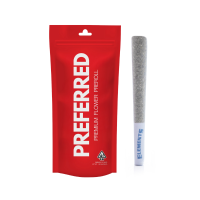
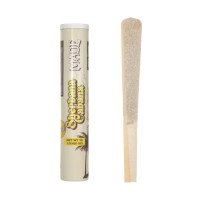
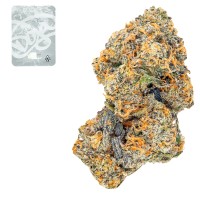


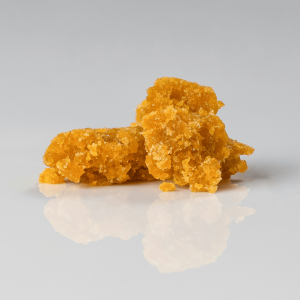
Rosin is a solventless cannabis concentrate prized for its purity and safety. Unlike other cannabis concentrates, it is created using a solventless extraction process that relies solely on high heat and pressure to squeeze out cannabinoids and terpenes from cannabis material.
Making rosin can be done using a rosin press, which applies controlled heat and pressure, or even at home with DIY tools like a hair straightener and parchment paper. This accessibility has made rosin products a popular choice for people who want high-quality concentrates without worrying about residual solvents.
Rosin is available in various forms, including hash rosin (pressed from bubble hash) or live rosin, which preserves the profile of flash frozen cannabis plants. The result is a flavorful concentrate with minor compounds, desirable compounds, and a clean, potent experience that’s ideal for dabbing, vaping, or adding to cannabis flower for a stronger session.
What is Resin?
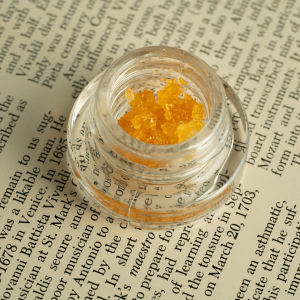
Resin refers to a broader category of concentrates derived from the sticky trichomes of the cannabis plant. Live resin, a popular variant, is made using flash frozen cannabis, capturing the plant’s terpenes, minor compounds, and flavor profiles before they degrade during the curing process.
Unlike rosin, which is solventless, resin extraction often involves butane hash oil or other hydrocarbons using a closed loop extraction system. This method ensures high potency and preserves the entourage effect, but it requires careful purging to remove residual solvents for safety.
Cured resin is another option, made from dried and cured cannabis material, producing a slightly different flavor profile and potency. Both resin products and rosin products cater to cannabis connoisseurs, but the methods and experiences vary depending on the starting cannabis plant, extraction process, and personal preferences.
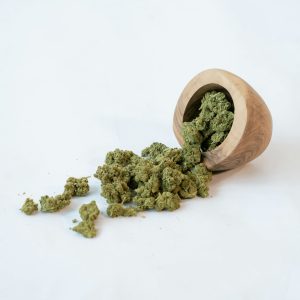
Rosin vs Resin: Key Differences
The main difference between rosin and resin lies in the extraction method and resulting product characteristics:
- Starting material: Rosin uses cured cannabis or bubble hash, while live resin is made from flash frozen cannabis to preserve minor compounds.
- Extraction process: Rosin is solventless, whereas resin typically involves hydrocarbon extraction or carbon dioxide.
- Safety: Rosin naturally avoids residual solvents, making it safer for home use, while resin must be purged carefully.
- Flavor and aroma: Rosin offers a natural intense aroma, whereas live resin captures the full flavor profile of freshly frozen cannabis.
- Potency: Both are high potency, but resin may retain more terpenes and nuanced flavors due to flash freezing.
These key differences help users decide which concentrate best fits their consumption methods, taste preferences, and desired cannabis experience.
Extraction Methods Explained
Extraction methods are crucial to understanding rosin vs resin.
Rosin extraction uses high heat and pressure to squeeze out cannabinoids and terpenes:
- Rosin press: The most precise tool, controlling temperature and pressure for consistent results.
- Hair straightener + parchment paper: A DIY method for small batches.
- Bubble hash pressing: Produces hash rosin, combining quality with convenience.
Resin extraction can be more complex:
- Hydrocarbon extraction: Uses butane hash oil or propane in a closed loop extraction system.
- CO₂ extraction: Employs carbon dioxide under high pressure and temperature.
- Live resin: Uses flash frozen cannabis plants to preserve minor compounds and flavorful concentrate characteristics.
Both methods aim to preserve desirable compounds, enhance THC potency, and create premium cannabis concentrates suitable for various consumption methods.
Safety Considerations
Safety is an important factor when choosing between rosin vs resin:
- Rosin: Safe due to its solventless extraction. No chemical residues, making it ideal for home use.
- Live resin: Must be carefully purged to remove residual solvents, which could otherwise pose health risks.
- Storage: Both should be kept in airtight containers, away from light and heat to preserve flavor profiles and potency.
For beginners or those cautious about chemicals, rosin products offer a safer entry point into high potency cannabis concentrates.
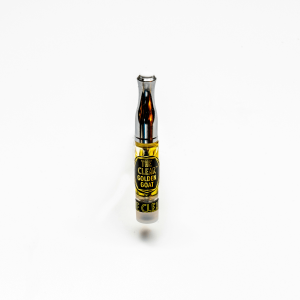
Flavor and Aroma Differences
The flavor profiles of rosin vs resin are among the most noticeable differences:
- Rosin: Maintains the authentic cannabis experience, preserving the intense aroma of the cannabis plant.
- Live resin: Flash freezing captures more minor compounds, creating flavorful concentrates with richer terpene diversity.
- Factors affecting flavor include high heat, cannabis strain, and storage method.
Rosin and resin allow cannabis connoisseurs to enjoy unique flavor experiences, from earthy and herbal to sweet and fruity.
Potency and Cannabinoid Content
Both rosin products and resin products are known for high potency, but their cannabinoid content can differ:
- Rosin: Offers concentrated THC and CBD with minimal residual solvents.
- Live resin: May have slightly higher terpene content, enhancing cannabinoid absorption and the entourage effect.
- Potency varies depending on cannabis plant, starting material, and extraction process.
Consumers should always start with small doses to gauge the effects of high potency cannabis concentrates.
Consumption Methods
There are several ways to enjoy rosin vs resin:
- Dabbing: The most common method for both concentrates.
- Vape cartridges: Many rosin products and resin products are available as vape live resin cartridges.
- Infusion into cannabis flower: Enhances joints or bowls for a more potent experience.
Tools include dab rigs, vape pens, or DIY methods using parchment paper and a rosin press. Your choice depends on personal preferences and the desired cannabis experience.
Effects and Onset Time
The effects of rosin and resin differ slightly:
- Rosin: Produces a clean, potent high with fast onset due to the solventless extraction process.
- Live resin: Offers a more nuanced experience because of preserved minor compounds and terpene diversity.
- Both provide:
- Euphoria and relaxation
- Enhanced sensory perception
- Appetite stimulation
- Potential anxiety relief depending on strain
Cost Comparison
Pricing is another consideration:
- Rosin: Often less expensive due to the solventless extraction process and ability to produce at home.
- Live resin: Requires specialized equipment, flash freezing, and careful purging, making it pricier.
- Cost varies depending on cannabis strain, processing methods, and market availability
Storage and Shelf Life
Proper storage preserves flavor profiles, potency, and minor compounds:
- Rosin: Store in airtight containers at a cool, dark place.
- Live resin: Ensure residual solvents are purged, and store similarly to maintain quality.
- Proper storage enhances the longevity of desirable compounds and the authentic cannabis experience.
Popular Strains for Rosin and Resin
Strain choice impacts flavor profiles and potency:
- Rosin: High-terpene strains like OG Kush or Bubble Hash rosin produce flavorful, potent concentrates.
- Resin: Rich terpene strains are best for live resin vs live rosin, providing minor compounds and high-quality concentrates.
Legal Considerations
Both concentrates are regulated:
- Solventless cannabis concentrate (rosin) may be easier to sell or transport due to no solvent concerns.
- Live resin often requires adherence to state or federal regulations.
- Labels must indicate potency, residual solvents, and origin to ensure safety.
Tips for Beginners
- Start with small doses to understand potency.
- Use proper tools: rosin press, vape cartridges, or dab rigs.
- Store in airtight containers to preserve flavor and minor compounds.
- Explore personal preferences slowly, as rosin and resin offer very different consumption experiences.
Conclusion: Choosing Between Rosin and Resin
At the end of the day, rosin vs resin comes down to personal preference, safety, and desired cannabis experience:
- Rosin: Clean, potent, and solventless, ideal for a safe, flavorful experience.
- Live resin: Preserves minor compounds, high potency, and flavorful concentrates for a nuanced experience.
Understanding production processes, extraction methods, and flavor profiles ensures a safe, enjoyable, and authentic cannabis experience. Whether you prefer rosin products or resin products, both are excellent ways to explore premium cannabis concentrates.
Frequently Asked Questions
1. What’s better, resin or rosin?
There’s no one-size-fits-all answer—rosin is ideal if you want a solventless, clean, and safe cannabis concentrate, while resin, especially live resin, offers high potency and rich terpene profiles. Your choice depends on personal preferences, flavor, and consumption method.
2. Is rosin better for your lungs?
Yes—because rosin is solventless, it contains no residual solvents or chemical byproducts, making it generally safer for lung health compared to concentrates produced with hydrocarbon extraction like live resin. Always consume responsibly.
3. Do violins use resin or rosin?
Violin bows use rosin, but this is a different product entirely from cannabis rosin. In instruments, rosin is applied to bow hairs to create friction on strings, producing sound. The term overlaps but the products are unrelated.
4. Can you put rosin in a joint?
Absolutely! Many cannabis enthusiasts add rosin to a joint or cannabis flower to increase potency. You can sprinkle rosin products on top of pre-rolled joints or roll it directly inside for a stronger, flavorful concentrate experience.
Jenna Renz

Jenna is a California-based creative copywriter who’s been lucky enough to have worked with a diverse range of clients before settling into the cannabis industry to explore her two greatest passions: writing and weed.