Rewards



A joint cannabis experience is perhaps one of the most iconic ways people consume marijuana. A marijuana cigarette, or joint, is a simple rolled cannabis product that delivers marijuana smoke directly into the lungs, offering immediate effects and an intimate connection with the plant. Unlike edibles, which take time to metabolize, smoking a joint allows cannabinoids like THC to interact quickly with cannabinoid receptors in the central nervous system, providing a near-instant high or therapeutic relief.
The appeal of smoking joints extends beyond the psychoactive effects. For many, it’s a social ritual, a cultural touchstone, or even a creative outlet. From casual recreational cannabis use to therapeutic consumption, joints have remained a classic cannabis consumption method. Their versatility—hand-rolled or pre-rolled joints, pure cannabis, or cannabis mixed with tobacco—ensures there’s something for almost every smoker.
Despite the prevalence of vaporizers and edibles, the joint continues to dominate the smoking pot landscape because it’s simple, portable, and customizable. In this guide, we’ll explore joint cannabis in depth: its history, types, rolling techniques, smoking effects, and health considerations, giving you the knowledge to enjoy joints safely and responsibly.
History of Cannabis Joints



The history of the joint is as rich as the West Indies culture from which modern rolling techniques partly derive. Rolling cannabis in thin rolling papers dates back decades, with early spliff smokers blending marijuana and tobacco to create what we now call spliffs. These early methods relied on whatever materials were available, from basic cigarette rolling papers to tobacco leaves.
Over time, the rolling process evolved. Pre-rolled joints became widely available, providing convenience for smokers who wanted a ready-to-go marijuana cigarette. Meanwhile, the classic hand-rolled joint, made from pure cannabis or a combination of cannabis and a little tobacco, retained its artisanal charm. Today, cannabis and tobacco combinations are still popular among spliff enthusiasts, though pure cannabis joints have surged in popularity due to health concerns and increasing cannabinoid research.
The joint’s cultural significance also grew alongside recreational cannabis legalization. Its ritualistic, social, and creative aspects remain important, with many smokers treating rolling papers, filters, and techniques as an art form.
Types of Joints
Not all joints are created equal. Understanding the difference between joint types helps smokers choose the right experience:
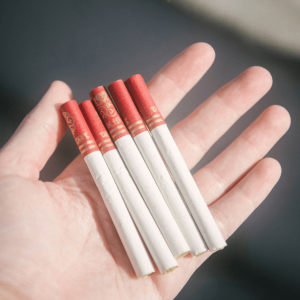
- Regular joints: Rolled with cigarette rolling papers, these are typically only cannabis or cannabis and tobacco. They offer a balanced burn and straightforward marijuana smoke experience.
- Spliffs: These combine cannabis with tobacco, providing an extra kick and slightly faster onset due to nicotine. Spliff smokers often enjoy the mix for flavor and social sharing.
- Blunts: Rolled using cigar wrappers or blunt wraps, blunts are thicker, slower-burning, and often deliver more options for cannabis potency.
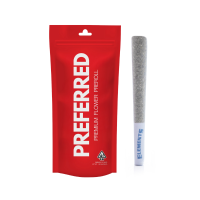
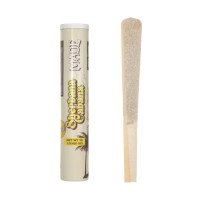
- Pre-rolled joints: Perfect for convenience, these come in thin rolling paper or thick papers, sometimes with flavored papers for a unique taste experience.
Each type offers unique smoking properties, from burn rate and smell to air pockets that can affect how the joint burns and how much smoke is inhaled.
Cannabis Strains for Joints
Selecting the right cannabis strain is crucial for achieving your desired effects. Indica strains are often chosen for relaxation and stress relief, while Sativa strains are preferred for social or creative experiences. Hybrid strains offer a mix of both, giving smokers the ability to tailor their session.
High-THC strains will typically produce stronger psychoactive effects, while CBD-rich strains provide therapeutic benefits with minimal psychoactive effects. When rolling joints, consider your strain’s potency, as smoking joints with high THC content can be intense for beginners.
For recreational cannabis users, combining strains in a single joint is possible, although it may alter the burn and flavor. Cannabinoid research suggests that different strains interact with cannabinoid receptors differently, which can lead to significant differences in the smoking experience.
Rolling Techniques
Mastering the rolling process is essential for a consistent and enjoyable joint. Here’s a step-by-step guide:
- Grind your cannabis evenly. Avoid chunks that create air pockets, which can lead to uneven burn.
- Prepare your rolling paper: use thin rolling paper for a smoother burn or thick papers for durability.
- Add a paper filter or roach tip at one end to maintain structure and airflow.
- Distribute cannabis evenly along the paper. If desired, add a little tobacco for a spliff.
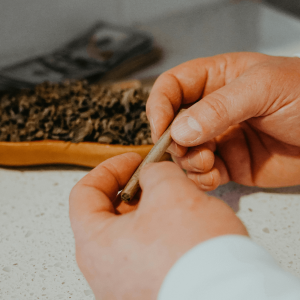
- Roll the joint by tucking one edge of the paper and rolling tightly.
- Seal with saliva or a natural adhesive on the paper’s edge.
Tips: Avoid air pockets by gently packing the joint, and use roach clips for tight finishes. The right rolling process ensures a smooth smoke, consistent burn, and an enjoyable cannabis consumption experience.
Filter Tips and Cones
Filter tips are small sections of cardboard or paper inserted into the joint to prevent cannabis from reaching your mouth and improve airflow. They also create structure, making the joint easier to hold and smoke.
Alternatively, pre-rolled cones offer convenience for beginners. These come with a paper filter already inserted and are ideal for pure cannabis or cannabis mixed joints. Using cones eliminates much of the technical challenge of rolling while maintaining the marijuana smoke experience.
Effects of Smoking a Joint
The effects of smoking joints depend on the strain, THC content, and individual tolerance. Common outcomes include:
- Relaxation and euphoria from Indica strains
- Increased focus or creativity from Sativa strains
- Balanced effects from hybrids, sometimes enhancing both relaxation and social energy
Smoking a joint also allows cannabinoids to interact quickly with cannabinoid receptors in the brain, producing rapid onset of effects. The average joint delivers a dose of THC that varies depending on potency and size.
Adding tobacco or using a blunt wrap can modify effects, providing an extra kick or influencing nicotine intake. This is why understanding the difference between spliffs, joints, and blunts is important for managing your experience.

Health Considerations
While joints are iconic, smoking anything carries risks. Marijuana smoke and smoking tobacco can contribute to lung injury and cannabis dependence over time. Studies suggest smokers may experience coughing, phlegm production, and respiratory irritation, although cannabis alone may be less harmful than tobacco.
Cannabis and tobacco combinations increase exposure to nicotine and harmful chemicals, so some smokers opt for tobacco removed or pure cannabis joints. Other health considerations:
- Addiction potential in habitual users
- Respiratory irritation from combustion
- Potential lung injury from heavy use
Alternatives like edibles, vaporizers, or pre-rolled joints with hemp papers can reduce some health risks while preserving the cannabis consumption experience.
Storing and Preserving Joints
Proper storage is critical for maintaining the quality, potency, and flavor of joints. Exposure to light, heat, or air can dry out cannabis and negatively affect the smoke. Tips for storage:
- Use airtight containers to preserve freshness
- Include humidity packs to prevent dryness
- Avoid extreme heat or sunlight exposure
For pre-rolled joints, careful packaging ensures the joint remains intact, rolled properly, and burns evenly when smoked. Good storage practices maintain cannabinoid potency and quality over time.
Legal and Safety Considerations
Before lighting up, it’s important to understand the legal status of joint cannabis in your area. Laws vary widely, covering:
- Age restrictions
- Possession limits
- Public consumption rules
Safe consumption also involves avoiding smoking in enclosed spaces, especially around children or pets. Responsible smokers should also consider using roach clips or other tools to handle blunts or pre-rolled joints safely.
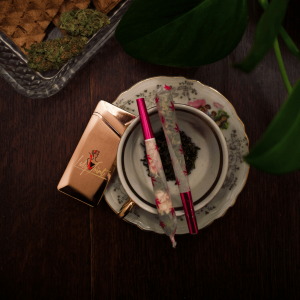
Creative Variations and Enhancements
Joints aren’t just functional—they can be fun and creative. Some options include:
- Flavored papers for a unique taste
- Blunt wraps or cigar wrappers for a slower, thicker burn
- Adding kief or concentrates for potency
- Artistic rolling techniques for social or cultural presentation
These enhancements allow smokers to explore more options in cannabis consumption while tailoring potency, flavor, and effects.
Conclusion and Best Practices
Joint cannabis remains a timeless and versatile method of consuming marijuana. From the classic hand-rolled joint to pre-rolled joints with thin rolling paper or thick papers, there’s a joint for every preference. Understanding strain selection, rolling techniques, and smoking effects ensures a safe and enjoyable experience.
Best practices include:
- Choosing high-quality rolling papers or blunt wraps
- Using filters or roach clips for clean smoking
- Avoiding excessive tobacco for health reasons
- Proper storage to maintain potency and flavor
By balancing recreational cannabis enjoyment with awareness of health and safety, smokers can fully appreciate the art and science of the joint cannabis experience.
Whether you’re a spliff smoker, a fan of blunts, or a beginner experimenting with pre-rolled joints, understanding the rolling process, the effects of marijuana smoke, and safe consumption practices ensures your sessions are enjoyable, effective, and responsible.
Frequently Asked Questions
1. Is blunt or joint better?
The choice between a blunt and a joint depends on your preferences. Blunts are rolled with cigar wrappers or blunt wraps, making them thicker, slower-burning, and often more potent. They can deliver more options for cannabis potency and a longer smoking session. Joints, on the other hand, use rolling papers and are generally thinner, lighter, and easier to roll, with a cleaner taste if you prefer pure cannabis. If you like a tobacco-free experience, a joint is usually the better option, whereas blunts give an extra kick from the tobacco leaf wrapper.
2. Do joints give you a different high?
Yes, the high from a joint cannabis can differ based on the strain, THC content, and whether it contains tobacco mixed in a spliff. Joints with only cannabis provide a pure marijuana smoke experience, allowing cannabinoids to act directly on cannabinoid receptors, often resulting in a smoother, more focused high. Adding tobacco can modify the effects, providing nicotine stimulation alongside the cannabis psychoactive effects, which some users describe as more intense or energetic.
3. What is a joint high like?
A joint high varies based on strain and consumption method. Indica joints are typically relaxing, offering deep relaxation and a body-centered experience, while Sativa joints may promote creativity, alertness, and euphoria. Hybrid strains provide a balance, sometimes enhancing both mental clarity and physical relaxation. Users may notice:
- A sense of calm and stress relief
- Heightened taste and smell sensitivity
- Slight euphoria or giggling
- Appetite stimulation (the munchies)
The duration and intensity depend on the THC content, size of the joint, and smoker tolerance.
4. What’s the difference between a joint and a spliff?
The main difference lies in the contents. A joint typically contains only cannabis, whereas a spliff is a combination of cannabis and tobacco, often using cigarette rolling papers. Spliffs burn differently due to the nicotine content, which can provide an extra kick and slightly faster onset of effects. Joints are favored for a cleaner taste, slower burn, and a tobacco-free experience, while spliffs are popular among spliff smokers who enjoy the tobacco mixed ritual. The smoke, burn rate, and overall high are all affected by this difference, so your choice will depend on personal preference and desired experience.
Jenna Renz

Jenna is a California-based creative copywriter who’s been lucky enough to have worked with a diverse range of clients before settling into the cannabis industry to explore her two greatest passions: writing and weed.