Rewards


Cannabis tinctures have steadily made a name for themselves in the ever-growing world of cannabis consumption. Whether you’re new to the scene or a seasoned user, tinctures offer a convenient, smoke-free way to enjoy the effects of THC, CBD oils, or a combination of both.
Their versatility, rapid onset (especially when used sublingually), and precise dosing make them a go-to option for many. But if you’re unsure how to use cannabis tincture properly, you’re not alone. In this blog, we’ll break down everything you need to know, from how they work in the body to the different ways you can use them effectively and safely.
What is a Cannabis Tincture?


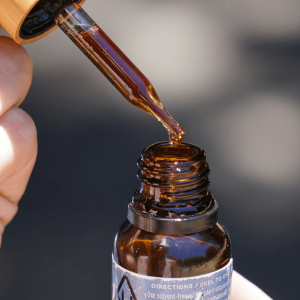
A cannabis tincture is a liquid extract made by soaking cannabis flower in a solvent—usually alcohol or oil—over time to draw out the cannabinoids and terpenes. The result is a concentrated product that’s typically packaged in a small, dark glass bottle with a dropper for easy use. Think of it as a highly customizable cannabis product that doesn’t require any smoking, vaping, or baking.
Unlike cannabis concentrates, tinctures are often made with either THC or CBD (or both), suspended in a carrier liquid such as MCT oil, olive oil, or ethanol. THC and CBD tinctures come in various concentrations and cannabinoid ratios, allowing users to pick what works best for their needs. Whether you’re looking for relaxation, pain relief, or simply a subtle lift, there’s likely a tincture ready for sublingual consumption that fits the bill.
Why Use a Cannabis Tincture?
Tinctures are popular for good reason. They’re discreet, portable, and allow for precise dosing, which is especially valuable for medical users or those new to cannabis. Unlike smoking or vaping, tinctures don’t require any inhalation, making them a gentler option for your lungs.
They can be consumed sublingually (under the tongue) for faster absorption or added to food and drinks for a more traditional edible-style experience. Their long shelf life and ease of storage also make them a practical choice. If you’re someone who appreciates control, versatility, and low-key cannabis consumption, tinctures might be your new favorite method.
How Do Cannabis Tinctures Work in the Body?
The effects of cannabis tinctures largely depend on how you use them. When taken sublingually—placing drops under your tongue—the cannabinoids are absorbed through the mucous membranes, bypassing the digestive system and liver. This method allows for a quicker onset, often within 15 to 45 minutes, and can result in more immediate and noticeable effects.
On the other hand, if you swallow the tincture or mix it with food or drink, it must first pass through your digestive system. This delays the onset time to somewhere between 45 minutes to 2 hours, depending on your metabolism and other factors. The high may come on more gradually, but the effects often last longer than with sublingual use. Either way, the cannabinoids eventually bind to receptors in your endocannabinoid system, which plays a key role in regulating mood, pain, appetite, and other bodily functions.
THC vs CBD Tinctures: What’s the Difference?
THC (tetrahydrocannabinol) and CBD (cannabidiol) tinctures serve different purposes, and knowing the difference is crucial when choosing the right product. THC is psychoactive—it’s what gives you the classic cannabis high. It’s often used for relaxation, mood enhancement, and pain relief. On the flip side, CBD is non-psychoactive and is frequently chosen for its anti-inflammatory, anti-anxiety, and calming effects.
Some tinctures are made with just THC or just CBD, while others combine them in varying ratios. For example, a 1:1 tincture offers balanced effects, potentially giving you the therapeutic benefits of both cannabinoids with a milder high. Higher-CBD tinctures are a good starting point for those who want relief without the intoxication.
Full-Spectrum, Broad-Spectrum, and Isolate Tinctures
Cannabis tinctures come in three main types: full-spectrum, broad-spectrum, and isolate. Full-spectrum tinctures contain all the naturally occurring cannabinoids and terpenes from the cannabis plant, including trace amounts of THC (less than 0.3% for hemp-derived products). These work together in what’s known as the “entourage effect,” potentially enhancing the overall benefits.
Broad-spectrum tinctures also offer multiple cannabinoids and terpenes, but without any THC. This is ideal for those who want the synergistic effects of other beneficial plant compounds but need to avoid THC entirely. Lastly, isolate tinctures contain only one cannabinoid—usually CBD—making them highly purified and ideal for anyone seeking a very targeted effect. Each has its pros and cons, so the right choice depends on your goals and sensitivities.
How to Dose a Cannabis Tincture
Dosing a cannabis tincture is one of its standout benefits—but it’s also where you’ll want to be careful. The golden rule? Start low and go slow. Beginners should generally begin with 2.5 to 5 mg of THC or 10 mg of CBD, depending on their experience level and the cannabinoid in question. Always check the product label to determine how many milligrams are in each dropper or drop.
Your ideal dose depends on a range of personal factors:
- Your tolerance level
- Body weight and metabolism
- Desired effect (therapeutic relief vs recreational high)
- The tincture’s potency and cannabinoid ratio
If your product says 1 mL = 10 mg THC, you might want to begin with 0.25 to 0.5 mL and see how you feel before increasing. Wait at least 1–2 hours to evaluate the effects before taking more, especially with oral ingestion.
How to Use Cannabis Tincture Sublingually (Under the Tongue)
Sublingual use is one of the most effective ways to use cannabis tinctures, especially if you’re seeking a quicker onset. Here’s how to do it:
- Fill the dropper with your desired dose.
- Drop the liquid under your tongue.
- Hold it there for 30–60 seconds.
- Swallow any remaining liquid.
Holding the tincture under your tongue allows cannabinoids to absorb directly into the bloodstream through the mucous membranes. This method can kick in within 15 to 45 minutes and typically lasts a few hours. For best results, avoid eating or drinking immediately afterward to maximize absorption.
How to Add Cannabis Tincture to Food or Drinks
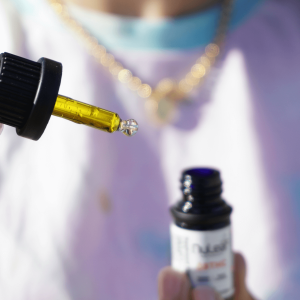
If you prefer a more gradual onset or simply want to mask the flavor, mixing your more potent tincture into food or drink is a great option. You can add tinctures to smoothies, teas, soups, salad dressings, or just about anything else that doesn’t require high heat. Be mindful that cooking at high temperatures can degrade cannabinoids, so it’s best to stir it into already-prepared dishes.
When ingested this way, tinctures act more like edibles. The onset time is slower—typically 45 minutes to 2 hours—but the effects may last longer. If you’re new to this method, start with a lower dose and be patient.
Can You Use Cannabis Tincture Topically?
While it’s not the most common method, some people do use cannabis tinctures topically—especially if the tincture is oil-based. Applied directly to the skin, it may help with localized issues like soreness or inflammation. However, topical use generally won’t result in psychoactive effects because cannabinoids don’t absorb deeply enough into the bloodstream. It’s more of a spot-treatment situation rather than a systemic one.
When is the Best Time to Use a Cannabis Tincture?
The best time to use a tincture to consume cannabis depends on your goals. If you’re looking for energy, focus, or pain relief during the day, a low-dose THC or CBD tincture in the morning might work best. Microdosing throughout the day is another approach that allows you to maintain gentle effects without a full-blown high.
For sleep, anxiety relief, or unwinding after work, evening use is ideal. Higher doses or tinctures with additional cannabinoids like CBN may enhance nighttime effects. Some people even split their doses—half in the morning, half in the evening—for consistent results.
How Long Do the Effects of a Tincture Last?
Once the effects kick in, you can expect them to last anywhere from 4 to 6 hours, depending on the dosage and how the tincture was consumed. Sublingual use generally results in a quicker onset and slightly shorter duration, while oral ingestion leads to a slower onset but potentially longer-lasting effects. Your metabolism, diet, and personal body chemistry all play a role in how long the tincture will affect you.
What Does a Tincture High Feel Like?
The experience of a tincture high can vary widely depending on the type of tincture and how much you’ve taken. THC tinctures can produce effects ranging from mild euphoria and relaxation to enhanced sensory perception and creativity. Depending on the cannabis strain and formulation, you might feel more uplifted or more sedated.
CBD tinctures, on the other hand, don’t cause a high. Instead, they may bring about a sense of calm, reduced anxiety, or relief from inflammation or discomfort. Tinctures with balanced THC:CBD ratios often provide more functional effects—less intense intoxication and a smoother overall experience.
Are Cannabis Tinctures Safe?
Cannabis tinctures are considered safe for most people when used responsibly. They’re easier on the lungs than smoking and offer precise, consistent dosing. However, just like any cannabis product, there are some precautions to keep in mind. Don’t mix tinctures with alcohol or prescription meds unless advised by a healthcare provider. Be cautious with THC tinctures if you’re new or sensitive to psychoactive effects. And watch for potential allergies to carrier oils like MCT.
Also, remember that state and federal laws vary. Hemp-derived CBD tinctures (with less than 0.3% THC) are federally legal in the U.S., but THC products remain regulated at the state level.
How to Store Your Tincture Properly
Proper storage helps preserve the potency and flavor of your tincture. Keep the bottle in a cool, dark place—like a pantry or medicine cabinet. A refrigerator works too, especially for long-term storage. Always make sure the cap is tightly closed to prevent air exposure.
Avoid leaving the tincture in hot or sunny spots, like a windowsill or car, as heat and light can degrade cannabinoids over time. When stored correctly, unopened tinctures can last for 1 to 2 years. Once opened, try to use the tincture within 6 months to a year for best results.
Common Mistakes to Avoid with Cannabis Tinctures
Even though tinctures are beginner-friendly, there are still a few pitfalls to watch out for:
- Taking too high of a dose too quickly.
- Not holding the liquid under the tongue long enough.
- Assuming effects will be immediate when taken orally.
- Using expired or improperly stored tincture.
- Ignoring the product label and concentration.
Avoiding these mistakes will help you get the most out of your tincture experience while minimizing any unpleasant effects.
Final Thoughts: Should You Try a Cannabis Tincture?
If you’re looking for a cannabis product that’s easy to use, versatile, and customizable, tinctures are definitely worth trying. They offer quick, controlled effects when taken sublingually and longer-lasting relief when ingested. Whether you want a mild mood boost, help with sleep, or targeted therapeutic relief, there’s likely a tincture that fits your needs.
As always, start low, go slow, and pay attention to how your body responds. With a little experimentation and patience, cannabis tinctures can become a staple in your wellness routine—minus the smoke, mess, or guesswork.
How to Use Cannabis Tincture: FAQs
1. What is the best way to use a tincture?
The best way to use a cannabis tincture depends on your goals, but sublingual use—placing it under your tongue—is often considered the most effective. This method allows the cannabinoids to absorb quickly into your bloodstream through the mucous membranes, leading to faster onset and more efficient effects. Just place your desired dose under your tongue, hold it there for 30–60 seconds, then swallow. If you’re not in a rush, you can also add tinctures to food or drinks, which results in a slower onset but often longer-lasting effects.
2. Do you swallow tincture or spit it out?
You should swallow it. After holding the tincture under your tongue for the recommended 30–60 seconds to allow for sublingual absorption, swallowing the remainder ensures you get the full effects—some of which will be absorbed through digestion. Spitting it out would reduce the effectiveness and waste part of your dose. So, always hold first, then swallow.
3. Does tincture get you more high?
Tinctures can feel more potent than other methods like edibles or smoking, especially when taken sublingually. This is because the cannabinoids enter your bloodstream more directly, leading to a quicker and often more noticeable high. However, the intensity of the high still depends on the dose, the THC concentration, and your individual tolerance. If you ingest the tincture by swallowing it or mixing it with food, the high may take longer to set in but could last longer and feel more body-heavy—similar to traditional edibles.
4. What do you use cannabis tinctures for?
Cannabis tinctures are used for a wide variety of purposes among cannabis consumers. People commonly use THC tinctures for pain relief, sleep support, stress reduction, and a recreational high. CBD tinctures, on the other hand, are often chosen for anxiety, inflammation, general wellness, and non-intoxicating therapeutic benefits. Because dosing is easy to control, tinctures are great for both microdosing and more targeted, condition-specific use. They’re also popular for those who prefer a smokeless, discreet method of cannabis consumption.
Jenna Renz

Jenna is a California-based creative copywriter who’s been lucky enough to have worked with a diverse range of clients before settling into the cannabis industry to explore her two greatest passions: writing and weed.