Rewards


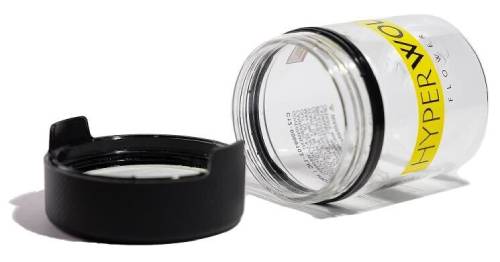

Walk into any dispensary today and you’ll notice something: preroll cones are everywhere. These perfectly shaped paper tubes have quietly changed how people consume cannabis, pushing aside the time-honored tradition of hand rolled joints.
The numbers don’t lie. Preroll sales have skyrocketed over the past few years, with cones leading the charge. What’s driving this shift? Simple—modern consumers want their cannabis experience to be as smooth as their smoke. The meticulous art of rolling a perfect joint by hand, once a badge of honor among enthusiasts, now competes with the plug-and-play convenience of preroll cones.
This isn’t just about lazy smokers (though we’re not judging). The transition from hand rolled joints to pre rolled joints reflects changing lifestyles, evolving preferences, and a cannabis culture that’s maturing alongside its consumers.
This article digs into exactly why preroll cones are replacing hand rolled joints—from convenience and consistency to the practical realities of modern cannabis consumption. Spoiler alert: tradition might be losing this battle.
What Are Preroll Cones?




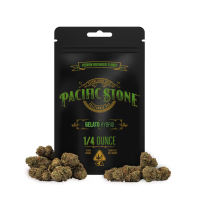
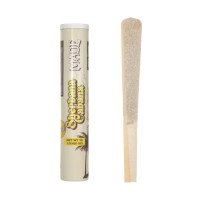
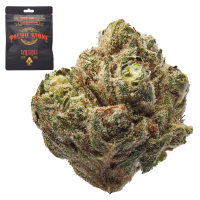
Preroll cones are pre-shaped, hollow paper tubes that come with a built-in filter tip, ready to be filled with ground cannabis. Think of them as the fast-food version of joint construction—everything’s already assembled, you just add the main ingredient.
The preroll cones definition is straightforward: cone-shaped smoking papers that eliminate the need for manual rolling skills. Unlike traditional rolling papers that arrive as flat sheets requiring origami-level dexterity, cone rolling papers come pre-formed into their signature tapered shape. The wide opening at the top makes filling a breeze, while the narrow mouthpiece end ensures comfortable smoking.
Here’s what sets them apart from your grandpa’s rolling papers:
- Pre-formed structure – No licking, tucking, or praying required
- Integrated filter tips – Already secured at the base
- Ready-to-fill design – Just pack and twist
The market offers an impressive variety of sizes and styles to match any preference:
- King size for extended sessions
- 1 1/4 size for personal use
- Mini cones for quick, discreet consumption
- Blunt-sized options for those who want more material
Material choices range from classic rice paper to hemp, organic options, and even flavored varieties. Some brands offer ultra-thin papers for purists, while others provide thicker options for slower burns. Why use preroll cones? Because they transform joint preparation from an art form into a simple fill-and-go operation.

The Rise of Preroll Cones in Cannabis Consumption
The rise of preroll cones represents a significant change in how people use cannabis. If you go to a dispensary today, you’ll see shelves filled with these ready-to-fill paper tubes—a big difference from the loose rolling papers that were popular just ten years ago. This shift is part of broader cannabis retail trends that reflect changing consumer preferences.
Why Preroll Cones Are Gaining Popularity
Modern cannabis consumers have different priorities than their predecessors:
- Speed matters.
- Consistency matters.
Nobody wants to spend twenty minutes struggling with sticky fingers trying to roll the perfect joint when they could be, you know, actually enjoying their cannabis. The preroll cone delivers exactly what today’s fast-paced lifestyle demands: instant gratification without the learning curve.
How Preroll Cones Benefit Beginners
For beginner cannabis users, preroll cones eliminate the most intimidating barrier to entry:
- Hand rolling requires dexterity.
- Hand rolling requires practice.
- Hand rolling requires a willingness to waste product during the learning phase.
With preroll cones, all you need to do is:
- Grind your cannabis.
- Fill the cone with ground cannabis.
- Pack it down gently.
- Twist the end closed.
No YouTube tutorials required. No embarrassing “canoe burns” in front of friends. Just a perfectly shaped joint every single time.
The Time-Saving Advantage of Preroll Cones
The time-saving element can’t be overstated. What takes a skilled roller three to five minutes takes a cone user about sixty seconds. Multiply that across regular consumption, and you’re looking at hours saved monthly—hours better spent doing literally anything else.
This efficiency has transformed preroll cones from novelty items into essential cannabis accessories for anyone who values their time.
Advantages of Preroll Cones Over Hand Rolled Joints
Preroll cones deliver a smoking experience that’s hard to beat when stacked against their hand-rolled counterparts. The benefits of preroll cones start with their factory-perfect construction—each cone emerges with identical dimensions, ensuring consistent cannabis joints that burn evenly from first light to final puff. No more canoeing, no more runs down one side, no more embarrassing relights at the party.
Speed and Convenience
The speed factor alone converts skeptics into believers. Filling a preroll cone takes roughly 30 seconds: grind your flower, pack it into the cone, twist the top. Done. Compare that to the five-minute fumbling session of traditional hand rolling, where papers tear, filters slip, and your perfectly ground herb ends up scattered across the coffee table.
Foolproof Design for Easy Rolling
Easy rolling joints become reality through preroll cones’ foolproof design. The cone shape naturally guides flower into proper distribution, while the pre-attached filter eliminates the fiddly origami of tip construction. Even cannabis newbies produce professional-looking joints on their first attempt.
Customization Options
Customization options span the spectrum:
- King-size cones for group sessions
- 1 1/4 size for solo enjoyment
- Mini cones for microdosing
- Slim variants for discreet consumption
Pack them tight for a slow burn or loose for easier draws. Choose hemp papers for natural flavor or rice papers for near-invisible taste. The control remains yours without requiring years of rolling practice.
Comparing Preroll Cones vs Hand Rolled Joints: A Consumer’s Perspective
The preroll cones vs hand rolled debate boils down to one fundamental question: How much effort do you want to invest in your smoking experience?
The Skill and Effort Behind Hand Rolling
Hand rolling demands genuine skill. You need steady fingers, patience, and practice—lots of practice. Beginners often spend months perfecting their technique, producing countless sad, lumpy attempts before achieving anything remotely smokable. The learning curve is steep, and not everyone has the time or interest to master this craft. For those interested in honing their skills, these rolling techniques could be a helpful resource.
The Convenience of Preroll Cones
Preroll cones eliminate this barrier entirely. Pop in your ground flower, pack it down, twist the top. Done. No tutorials required, no embarrassing fails at social gatherings.
Control vs Consistency
Hand rolled vs pre rolled joints also differs dramatically in control and consistency. Hand rolling purists argue they can fine-tune every aspect:
- Exact packing density for their preferred draw resistance
- Custom joint shapes (straight, cone-shaped, or artistic variations)
- Precise distribution of flower throughout
Yet this control comes with risk. Hand rolling introduces common frustrations that preroll users simply don’t face:
- Uneven burns creating “canoes” that waste flower
- Paper tears mid-roll destroying your carefully distributed herb
- Inconsistent thickness leading to harsh or weak hits
- Loose ends that unravel before you even light up
Preroll cones deliver uniform results every single time, trading artistic control for reliable performance. However, if you’re keen on the hand-rolling experience but unsure where to start, this guide on how to make a joint could provide valuable insights.
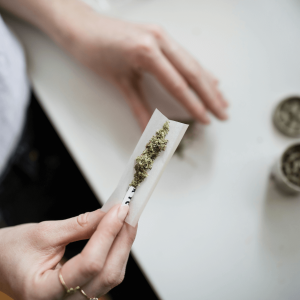
Materials and Rolling Accessories Involved in Prerolls Vs Hand Rolled Joints
Cone rolling papers come in three primary materials, each delivering distinct smoking characteristics:
- Hemp papers: Thick, slow-burning, and robust—perfect for those who appreciate a fuller-bodied smoke with earthy undertones
- Rice papers: Ultra-thin and nearly tasteless, allowing the flower’s natural flavors to shine without paper interference
- Flax papers: The middle ground, offering moderate thickness with a clean, neutral burn
Hand rolling typically relies on standard flat papers in these same materials, though the rolling process itself introduces variables that preroll cones eliminate through their pre-formed structure.
Cannabis rolling accessories enhance both methods, though their application differs:
- Grinders: Essential for both approaches, creating consistent particle size for even burning
- Filters/crutches: Built into most preroll cones versus requiring manual insertion in hand-rolled joints
- Packing tools: Specifically designed for preroll cones to achieve optimal density without tearing
- Rolling trays: More critical for hand rolling to contain loose material during construction
Material selection directly impacts your smoking session. Hemp papers burn slower but add flavor, rice papers disappear into the background, and flax strikes a balance between durability and subtlety. Preroll cones maintain consistent paper thickness throughout, while hand-rolled joints risk thin spots where papers overlap—creating potential weak points that affect burn quality and structural integrity.
Quality and Potency Considerations When Choosing Between Prerolls And Hand Rolls
The potency and quality prerolls deliver depends heavily on flower moisture content and filling technique. Machine-filled pre-rolls often utilize sticky buds—fresh, resinous flower that retains maximum trichome coverage and cannabinoid content. These professionally packed joints preserve the delicate compounds that give cannabis its kick. Manual filling into preroll cones, on the other hand, typically requires drier flower to prevent clogging and ensure proper packing. This drying process can degrade some cannabinoids and terpenes before you even light up.
Sticky buds vs dry flower isn’t just about texture—it’s about what survives the journey from grinder to your lungs. Fresher flower maintains higher THC percentages and more robust flavor profiles. Commercial operations control humidity levels precisely, keeping flower in that sweet spot where it’s dry enough to grind but moist enough to preserve potency.
Quality control separates the pros from the amateurs:
- Machine-made pre-rolls: Consistent weight measurements, uniform density, automated quality checks
- Manual cone filling: Variable packing pressure, potential air pockets, inconsistent burn patterns
- Commercial standards: Lab testing, moisture monitoring, standardized procedures
- Home filling: Guesswork, personal preference, trial and error
The equipment matters too. Professional filling machines apply precise pressure throughout the cone, eliminating weak spots that cause canoeing or harsh hits.
Drawbacks and Limitations of Preroll Cones Compared To Hand Rolled Joints
Preroll cones aren’t perfect—they come with their own set of problems that might make you think twice about giving up your rolling skills completely.
1. The Cost Factor
A pack of preroll cones costs significantly more than traditional rolling papers. You’re paying for convenience, and that extra cost adds up quickly if you’re a regular consumer. Budget-conscious smokers often hesitate at spending three to five times more per session.
2. Storage Issues
These delicate little cylinders crush easier than your dreams of becoming a professional joint roller. Toss them in your pocket or bag without protection, and you’ll discover a sad, flattened mess. The pre-formed structure that makes them convenient also makes them fragile—a cruel irony.
3. Bulkiness
They take up more space than a simple pack of papers, and their rigid shape means you can’t just fold them into your wallet. Traveling with preroll cones requires actual planning and protective cases, turning spontaneous sessions into logistical challenges.
Why Use Preroll Cones? The Consumer Perspective
Why use preroll cones when you could stick with traditional methods? The answer lies in the daily lives of modern cannabis consumers.
- Busy professionals don’t have fifteen minutes to fumble with papers during their lunch break.
- Parents sneaking a quick session after bedtime can’t afford the mess of loose flower scattered across the coffee table.
- First-time users shouldn’t need a YouTube tutorial just to enjoy their purchase.
Preroll cones eliminate these friction points entirely—grab one, fill it, twist the top, and you’re ready.
The convenience in cannabis consumption extends beyond speed. Each cone delivers predictable results: no canoe burns ruining your evening, no embarrassingly loose joints falling apart mid-session. This reliability transforms the experience from potentially frustrating to consistently satisfying. When every cone burns evenly and draws smoothly, users develop confidence in their consumption method. That confidence matters—it’s the difference between anxiously babysitting a hand-rolled joint and actually relaxing into the moment you created it for.

Conclusion
The future of cannabis consumption is clearly moving towards products that deliver reliable results without the need for learning. Preroll cones perfectly represent this shift—they don’t eliminate the skill of hand rolling, but they certainly provide a strong competition.
Changing smoking preferences reflect our broader cultural moment: we want quality, we want it quickly, and we want it consistently. The same generation that changed coffee culture with single-serve pods and transformed cooking with meal kits now expects their cannabis experience to match that convenience standard.
Does this mean hand rolling is dead? Not at all. There’s still something special about the ritual, pride in the craft, and satisfaction in perfecting your technique. But preroll cones have found their own legitimate space by solving real problems for real people.
The choice isn’t about right or wrong—it’s about what works for your lifestyle, skill level, and priorities. Whether you prefer tradition or innovation, the cannabis industry has something for you.
FAQs (Frequently Asked Questions)
1. What are preroll cones and how do they differ from traditional rolling papers?
Preroll cones are pre-shaped rolling papers designed to simplify the joint rolling process. Unlike traditional flat rolling papers, preroll cones come in a cone shape that allows for easy filling and consistent burning. They are available in various sizes and styles to suit different preferences.
2. Why are preroll cones becoming more popular than hand rolled joints among cannabis consumers?
Preroll cones have gained popularity due to their convenience, consistency, and ease of use. They appeal especially to beginner cannabis users by saving time and eliminating the skill barrier associated with hand rolling. Their uniform shape ensures a consistent burn quality, making them a preferred choice for modern cannabis consumers.
3. What are the advantages of using preroll cones over hand rolled joints?
Preroll cones offer several benefits including consistent shape and burn quality, faster preparation times, and ease of filling. They also provide customization options such as different sizes and fill preferences, which can enhance the overall smoking experience compared to the variability often found in hand rolled joints.
4. How do materials used in preroll cones affect the smoking experience compared to hand rolled joints?
Preroll cones are made from various materials like hemp, rice, or flax papers, each influencing flavor and burn characteristics. Using high-quality cone papers alongside accessories like filters and grinders can improve the smoking experience. Material choice impacts taste, smoothness, and how evenly the joint burns compared to hand rolled methods.
5. Are there any drawbacks or limitations when choosing preroll cones instead of hand rolled joints?
While preroll cones offer convenience, they can be more expensive than regular rolling papers. They may also be more delicate, leading to potential damage during storage or transport. Additionally, some users prefer the control over packing density and shape that hand rolling provides, which is less customizable with prerolls.
6. How does the quality and potency of cannabis compare between machine-filled prerolls and hand filled preroll cones?
Machine-filled pre-rolls often use sticky buds that preserve cannabinoids effectively, potentially offering better potency than some cone-filling methods requiring drier flower. However, manual filling into preroll cones allows for greater control over quality but may lack consistency. Quality control varies between methods impacting overall potency and user satisfaction.
Jenna Renz

Jenna is a California-based creative copywriter who’s been lucky enough to have worked with a diverse range of clients before settling into the cannabis industry to explore her two greatest passions: writing and weed.