Rewards


Sugar vs badder is not a battle of “which one is stronger,” it’s a battle of texture, handling, and what you actually want to do with your concentrate once it’s in your hands. Both can be excellent. Both can be annoying if you bought the wrong one for your setup. Let’s fix that.
This guide breaks down how sugar and badder look, feel, and behave, how they’re made (high level, no lab coat required), how to store them, how to consume them, and which one makes life easiest for beginners.
Sugar vs Badder: The simple definition (so you don’t get ambushed at the dispensary)
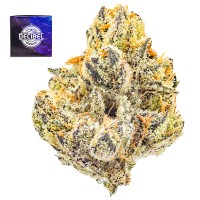
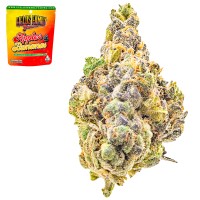
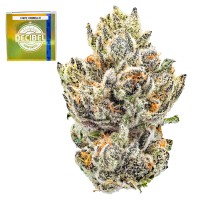
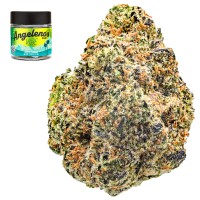
Sugar (aka “sugar wax” or “sugar concentrate”) is a concentrate with a crystalline, grainy texture. Think: wet sand, coarse sugar, or tiny diamonds suspended in sauce. It can range from fairly dry and crumbly to glossy and syrupy, depending on terpene content and storage.
Badder (aka “batter” or “budder”) is whipped, creamy, and uniform. Think: cake batter, frosting, or softened butter. It’s usually easy to scoop, easy to portion, and generally less likely to fling tiny crystals across your desk like you’re seasoning pasta.
Neither name guarantees quality. They’re texture categories, not moral categories.
Texture and consistency: What you’re actually buying
What sugar feels like
Sugar concentrates typically have:
- Granular crystals (small THC-rich structures)
- A terpene “sauce” that can pool around the crystals
- A texture that can shift from chunky to slushy depending on temperature
Handling reality check: sugar can be a little messy. The crystals can roll. The sauce can run. If you’re dabbing in a hurry, sugar sometimes turns into “oops, that’s on the floor now.”
What badder feels like
Badder concentrates typically have:
- A smooth, whipped consistency
- Even distribution of cannabinoids and terpenes (in texture, at least)
- A stable scoopability that stays cooperative at room temp in many cases
Handling reality check: badder is usually more beginner-friendly. It sticks to a tool. It doesn’t scatter. It behaves like it has basic manners.
How each is made (high level, not a chemistry lecture)
Most modern concentrates start with extraction (often hydrocarbon extraction like butane/propane blends, though methods vary by producer and region). After extraction, the concentrate goes through purging (removing residual solvents) and post-processing (controlling texture).
Here’s the high-level difference.
How sugar is made (the short version)
Sugar typically forms when the concentrate is encouraged to crystallize. Producers control variables like:
- Temperature
- Agitation (or lack of it)
- Time
- Terpene content and saturation
Crystallization creates that “sugar” look: THC-rich crystals with terpene-rich sauce surrounding them. Some sugars look closer to “micro-diamonds,” others are more like chunky wet granules.
How badder is made (the short version)
Badder is often created by agitating/whipping the concentrate during or after purging, which changes how compounds settle and prevents large crystal structures from forming. The result is a more homogeneous, creamy texture.
Think of it like this:
- Sugar is “let it form crystals.”
- Badder is “whip it so it stays smooth.”
That’s not the whole science, but it’s enough to understand why they behave differently in your jar.
Flavor and effects: What to expect (without pretending we can read your mind)
Let’s be precise: effects depend on strain, cannabinoid/terpene profile, dose, and your tolerance, not just whether it’s sugar or badder.
That said, texture can hint at how the concentrate is structured.
Flavor expectations
- Sugar: Often has a noticeable “sauce + crystals” vibe. If it’s terp-heavy, you may get a big aroma when you crack the jar. The flavor can be loud, especially if the sauce is generous.
- Badder: Often tastes consistently flavorful across hits because it’s more uniform in texture. Many people find badder delivers a steady terp profile without needing to chase the saucy part.
The real rule: smell it (if you can). If it smells fresh, strain-forward, and not like old hay or mystery basement, you’re on the right track.
Effects expectations
- Sugar: Because it can separate into crystals and sauce, some users feel like certain dabs hit “sharper” if they scoop more crystals. In reality, your scoop composition can vary hit-to-hit.
- Badder: More consistent dosing per scoop because the texture is uniform. If you want predictable results, badder tends to make that easier.
If you want reliable dosing, pick the concentrate that is easiest for you to portion consistently. For most people, that’s badder.
Best consumption methods (dab, vape, bowl topper)
Here’s where the “which is better” question finally gets a job.
Dabbing: Both work, but one behaves better
Badder for dabbing
- Easier to scoop
- Easier to place on the nail/banger
- More consistent portioning
If you’re using a standard dab tool and a banger, badder is usually the cleanest experience.
Sugar for dabbing
- Can dab great, especially terp-saucy sugar
- Crystals can fall off the tool
- Sauce can drip if warm
If you dab sugar, keep your tool steady and consider slightly cooler handling temps so it doesn’t get runny.
Pro move: no matter what you dab, start with a small amount. Concentrates do not reward bravery. They punish it.
Concentrate vaporizers: Badder usually wins for convenience
If you use a wax pen or concentrate vaporizer (coil, ceramic cup, bucket style), texture matters a lot.
- Badder typically loads easily and stays where you put it.
- Sugar can be annoying if it’s crystal-heavy because pieces can shift and the sauce can leak if it warms up in your pocket.
If your vape is prone to leaking or spitting, badder is the calmer roommate.
Bowl topper (flower + concentrate): Sugar can shine, but be smart
Putting concentrate on top of flower can be great, but it can also be a one-way ticket to a clogged bowl and wasted terps if you do it sloppy.
Sugar as a bowl topper
- Crystals can sit on flower nicely
- Sauce can soak in and spread flavor
- Works well in small amounts
Badder as a bowl topper
- Can melt and run if you use too much
- Can “glue” to the side of the bowl instead of burning evenly
Do this, not that:
- Do: use a tiny amount and sandwich it between flower layers.
- Don’t: drop a huge glob on top and expect airflow to survive.
Also, know this: you won’t get the full flavor potential of either sugar or badder in a bowl the way you will with a dab. Combustion is not a terpene spa day.
Storage: Keep it tasty, keep it stable
Concentrates are picky. Terpenes are volatile, making proper storage crucial. Heat, light, and air are the villains in this story. Your job is to be the boring hero who keeps them at bay.
Best practices for both sugar and badder
- Keep it cool: Room temp is often fine short-term, but cooler is better for preserving terps.
- Avoid heat cycles: Repeated warming and cooling can change texture and accelerate degradation.
- Keep it sealed: Air exposure dries concentrates out and dulls flavor.
- Use the right container: Glass is preferred. Silicone is convenient but can be less ideal for long-term terp preservation.
Fridge or freezer?
- Fridge: Often a good option for longer storage. Let the jar come to room temp before opening to reduce condensation.
- Freezer: Can preserve longer, but condensation risk is higher. If you freeze, seal it well and let it fully warm before opening.
Texture changes over time
- Sugar can “weepen” (sauce separates more) or dry out.
- Badder can firm up, dry slightly, or become more crumbly depending on terp content and storage.
If your badder suddenly looks like sad cookie dough, it might just be cold or drying out. Warm it gently in your hands for a minute and re-check texture. Don’t microwave it. You’re not making nachos.
For more information on how to properly store your concentrates to preserve those precious terpenes, check out this guide on terpene preservation.
How to choose by use-case (the part you came for)
Choose based on how you consume and how much you value convenience.
Pick badder if you want:
- Easy scooping, clean handling
- More consistent portioning and dosing
- A great all-around option for dab rigs and pens
- A beginner-friendly texture that won’t betray you
Badder is the “grab-and-go” concentrate. It’s the concentrate that shows up on time and answers texts.
Pick sugar if you want:
- A crystalline texture that can feel more “saucy” and aromatic
- A concentrate that can work well as a bowl topper in tiny amounts
- Something that may offer a different experience hit-to-hit depending on crystal-to-sauce ratio
Sugar is for people who don’t mind a little mess and like the sauce-and-crystal vibe. It’s fun. It’s flavorful. It can also be a bit chaotic.
Which is better for beginners?
If you’re new, pick badder most of the time.
Here’s why:
- It’s easier to handle. Less spilling, less scattering, less “where did my dab go?”
- It’s easier to dose. Uniform texture makes consistent scoops easier.
- It works well across devices. Dab rigs, e-rigs, wax pens, you name it.
Pick sugar as a beginner only if:
- You’re comfortable handling stickier, runnier concentrates, or
- You specifically want the crystal/sauce style and you’ll mostly dab it at home, slowly, calmly, like a person who doesn’t drop things.
Beginner rule: buy the texture that helps you use less while enjoying it more. That’s usually badder.
Quick handling tips (so you don’t waste your terps and your patience)
- Use a dab tool with a flat or slightly scooped tip for badder.
- Use a slightly pointier tool for sugar if you’re trying to pick up crystals cleanly.
- Keep your jar open for as little time as possible. Oxygen is not a flavor enhancer.
- Start with smaller doses than you think. Then start even smaller. Yes, smaller than that.
FAQ: Sugar vs Badder
Is sugar stronger than badder?
Not inherently. Potency depends on the specific product’s cannabinoid content, not the texture name. However, sugar can have crystal-heavy scoops that feel stronger if you pick up more crystals than sauce.
Is badder better for dabbing?
For most people, yes. Badder is easier to portion and place on a hot surface without losing half of it to gravity and bad luck.
Which is better in a wax pen?
Badder usually. It loads cleanly and tends to stay put. Sugar can work, but crystal-heavy sugar can be fussier and saucy sugar can get runny when warm.
Can I top a bowl with sugar or badder?
Yes. Use a tiny amount and sandwich it between flower to avoid clogging and uneven burning. Sugar often sits nicely due to its grainy texture, but both can work.
How should I store sugar and badder?
Keep them sealed, in a cool, dark place. For longer storage, a fridge is commonly used. If refrigerated or frozen, let the container return to room temp before opening to reduce condensation.
Why does my sugar look wetter than before?
Terpenes can separate and pool, especially with temperature changes. This doesn’t automatically mean it’s “bad,” but it can indicate it’s warming up often or being stored inconsistently.
Why did my badder turn crumbly?
It may be cold, drying out, or naturally lower in terpenes. Warm it slightly in your hands and see if it softens. Also check your storage habits: too much air exposure can dry it out.
What should beginners avoid?
Avoid very runny, sauce-heavy concentrates if you don’t have steady hands or a good tool. Avoid huge doses. Avoid leaving jars open while you admire them like museum artifacts.
So, sugar vs badder: which should I buy today?
Buy badder if you want easy handling and consistent dabs. Buy sugar if you like a crystal-and-sauce texture and don’t mind a little extra mess for that saucy experience.
Jenna Renz

Jenna is a California-based creative copywriter who’s been lucky enough to have worked with a diverse range of clients before settling into the cannabis industry to explore her two greatest passions: writing and weed.