Rewards




Yes, weed is legal in California—but before you light up, there’s a catch (or several). California cannabis legality isn’t a free-for-all; it’s a carefully regulated system with rules that can trip up even seasoned users.
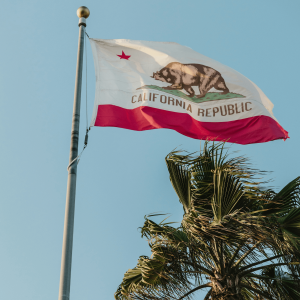
Since voters approved Proposition 64 in 2016, recreational weed in California became a reality for adults 21 and older. Medical cannabis patients got a head start back in 1996 with Proposition 215, making California a pioneer in the cannabis movement. Today, the Golden State boasts one of the most comprehensive legal cannabis frameworks in the nation.
Here’s the thing: is weed legal in California? Absolutely. But how you buy it, where you consume it, and how much you can possess depends on a maze of state and local regulations. Ignorance won’t save you from fines or legal trouble. Understanding the boundaries between legal enjoyment and criminal violation protects your wallet, your record, and your peace of mind.
For those seeking to navigate this complex landscape, resources like Hyperwolf can provide invaluable assistance. Let’s break down exactly what you can and can’t do with cannabis in California.
Understanding California Cannabis Laws




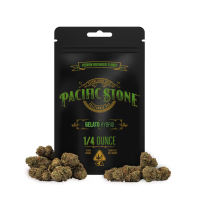
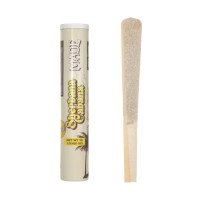
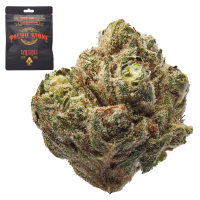
California weed laws operate on a dual-track system that distinguishes between medical and recreational cannabis use. The state legalized medical marijuana way back in 1996 through Proposition 215, making it the first state to do so. Fast forward to 2016, and voters approved Proposition 64, ushering in the era of adult-use recreational cannabis. Both programs exist simultaneously, each with distinct rules and benefits.
Age Requirements Matter
The cannabis legality California framework sets clear age thresholds:
- Recreational users must be 21 years or older
- Medical marijuana patients can access cannabis at 18 years old (or younger with parental consent and physician approval)
Medical patients gain access earlier because they’re treating documented health conditions under a doctor’s care. They also enjoy higher possession limits and different tax rates compared to recreational consumers.
The Regulatory Framework
California’s Department of Cannabis Control (DCC) oversees the entire cannabis industry, from seed to sale. The agency enforces regulations covering:
- Licensing requirements for cultivators, manufacturers, distributors, and retailers
- Product testing standards for potency, pesticides, and contaminants
- Packaging and labeling mandates to ensure consumer safety
- Track-and-trace systems monitoring cannabis movement through the supply chain
State law provides the foundation, but local jurisdictions wield significant power. Cities and counties can impose additional restrictions, ban retail stores entirely, or limit the number of licenses issued within their boundaries. This patchwork of local ordinances means what’s permitted in Los Angeles might be prohibited in a neighboring city. Always check your local regulations before assuming state law tells the whole story.
Possession, Purchase Limits, and Consumption Rules
California’s weed laws draw clear lines between recreational and medical users. Adults 21 and older can legally possess up to one ounce (28.5 grams) of cannabis flower or eight grams of concentrated cannabis like wax, shatter, or oils. Medical marijuana patients with valid recommendations enjoy significantly higher limits—up to eight ounces of dried flower and the ability to possess larger quantities of concentrates as specified by their physician.
What You Can Buy at Dispensaries
Cannabis purchase limits California regulations mirror possession rules at the point of sale. Walk into any licensed dispensary and you’ll face the same one-ounce cap for flower or eight grams for concentrates per transaction. Medical patients can purchase their higher allotted amounts with proper documentation. Retailers track these purchases through the state’s track-and-trace system, preventing customers from hopping between stores to exceed daily limits (nice try, though).
Where You Can Actually Light Up
Here’s where things get strict: private property only. Your home, a friend’s house with their permission, or licensed cannabis lounges are your legal consumption zones. Public spaces? Hard no. That includes:
- Streets, sidewalks, and parks
- Restaurants and bars (even outdoor patios)
- Hotel rooms and Airbnbs (unless the property owner explicitly allows it)
- Any location visible from public areas
Landlords and property owners retain the right to prohibit smoking or vaping on their premises, even if you’re a legal user. Edibles offer more discretion, but the same location restrictions apply. Getting caught consuming in public can result in fines up to $100 for a first offense.
Home Cultivation Guidelines and Public Use Restrictions
Is weed legal in California for home cultivation? Absolutely, but with specific guardrails. Adults 21 and older can grow up to six cannabis plants per residence—not per person, so roommates need to share that limit. The plants must stay out of public view, meaning your backyard jungle needs proper fencing or indoor containment. Think of it as the horticultural equivalent of keeping your curtains closed.
Medical marijuana patients enjoy expanded privileges. With a valid doctor’s recommendation, home grow weed California laws allow cultivation beyond the standard six-plant cap. Patients can grow what their physician deems medically necessary, though local ordinances may still impose reasonable restrictions. Keep that recommendation handy—it’s your golden ticket to a more robust personal garden.
Public consumption weed CA rules are refreshingly simple: don’t do it. California bans cannabis use in any public space, including:
- Streets, sidewalks, and parks
- Restaurants, bars, and cafes (even those trendy cannabis lounges need special licensing)
- Hotels and motels (unless they explicitly allow it)
- Anywhere tobacco smoking is prohibited
The state gets particularly twitchy about consumption near kids. Smoking, vaping, or consuming cannabis within 1,000 feet of schools, daycare centers, or youth centers while children are present can land you in legal hot water. This restriction applies during school hours and youth activities—not just the physical proximity.
Landlords and property owners retain the right to ban cultivation and consumption on their premises. Your lease agreement trumps state law when it comes to what happens inside your rental unit. Always check before setting up shop or lighting up.

Driving, Workplace, and Federal Law Considerations
Don’t Drive High
Getting behind the wheel after consuming cannabis? Don’t even think about it. Driving with weed in California carries the same penalties as drunk driving, and law enforcement takes it seriously. Officers can conduct field sobriety tests and request blood tests if they suspect impairment. The legal consequences include DUI charges, license suspension, and potential jail time.
Keep Cannabis Sealed in Your Vehicle
Beyond impairment, California law prohibits open containers of cannabis in your vehicle. That half-smoked joint rolling around your cup holder? Illegal. Store all cannabis products in sealed containers within your trunk or a locked compartment. Passengers can’t access it during transit, and keeping everything properly secured protects you from unnecessary legal headaches.
Your Job Can Still Say No
California’s cannabis legalization doesn’t grant you immunity at work. Workplace drug policies in CA remain firmly in employer hands. Companies can:
- Maintain completely drug-free workplace policies
- Conduct pre-employment drug screening
- Test employees after workplace accidents
- Discipline or terminate workers who test positive for cannabis
Medical marijuana patients receive some protections under California law, but employers still hold significant authority to enforce their policies. Private employers can refuse to hire or fire employees for off-duty cannabis use, even if it’s legal under state law.
The Federal Government Still Says No
Here’s where things get messy. Federal cannabis law vs state law creates a legal contradiction that affects every California cannabis user. The federal government classifies marijuana as a Schedule I controlled substance, making it illegal nationwide. This means:
- Crossing state lines with cannabis equals federal drug trafficking
- National parks, military bases, and federal buildings remain strictly off-limits
- Federal employees face termination for any cannabis use
- Banks and financial institutions operate under federal restrictions, complicating cannabis business operations
Legal Cannabis Retail, Delivery Options, and Future Outlook
California’s cannabis marketplace operates under strict oversight from the Department of Cannabis Control (DCC), which licenses all legal retailers. Every shop, dispensary, and delivery service must hold valid state authorization—no exceptions. This licensing system creates a protective barrier between consumers and unregulated products that might contain harmful pesticides, mold, or inaccurate potency levels.
Licensed cannabis retailers CA must comply with rigorous quality standards:
- Mandatory third-party laboratory testing for all products
- Child-resistant packaging requirements
- Clear labeling showing THC/CBD content, batch numbers, and testing dates
- Track-and-trace systems monitoring cannabis from cultivation to sale
The weed delivery laws California framework extends legal access across the entire state. Licensed delivery services can transport cannabis to any California address where local ordinances permit, even in cities without brick-and-mortar dispensaries. These services provide the same consumer protections as physical stores—verified products, proper packaging, age verification at the door. Ordering from licensed delivery platforms guarantees you’re getting tested, regulated cannabis rather than mystery products from unlicensed sources.
Looking ahead, is weed legal in california 2025 remains a solid yes, with the future of cannabis legalization CA 2025 pointing toward refinement rather than reversal. Industry analysts predict potential regulatory adjustments including expanded delivery zones, streamlined licensing processes, and possibly revised tax structures. Some municipalities continue evaluating their local ordinances, potentially opening new retail opportunities in areas currently served only by delivery.
The state’s commitment to maintaining a regulated market shows no signs of wavering. California’s cannabis infrastructure has matured significantly since 2016, with robust testing protocols and consumer protections becoming industry standards that other states now emulate.

Conclusion
Is weed legal in California? Yes—but only when you play by the rules. This summary of California weed laws boils down to a simple truth: cannabis freedom comes with responsibility.
Stick to licensed retailers and delivery services. Respect the age limits. Keep your stash within legal possession amounts. Consume on private property, not public spaces. Never drive impaired or cross state lines with your products.
California’s cannabis framework protects consumers through rigorous testing, clear labeling, and regulated distribution channels. Take advantage of these safeguards by purchasing exclusively from licensed sources. Your safety—and your legal standing—depends on it. When you respect both state regulations and local ordinances, you’re free to enjoy California’s cannabis culture without worry.
FAQs (Frequently Asked Questions)
1. Is weed legal in California for recreational and medical use?
Yes, cannabis is legal in California for both medical and adult recreational use. Adults aged 21 and over can legally possess and consume cannabis recreationally, while medical users aged 18 and over have additional allowances.
2. What are the possession and purchase limits for cannabis in California?
Adults 21+ may legally possess up to one ounce of cannabis flower or eight grams of concentrate. Medical users may have higher possession limits. Retail stores also enforce purchase limits aligned with state regulations.
3. Can I grow cannabis plants at home in California?
Yes, adults 21 and older can cultivate up to six cannabis plants per household. Medical patients with a doctor’s recommendation may grow more plants under special provisions.
4. Where is it legal to consume cannabis in California?
Cannabis consumption is allowed on private property but prohibited in public places including restaurants, bars, and within 1,000 feet of schools or youth centers when children are present.
5. What are the laws regarding driving and workplace cannabis use in California?
Driving under the influence of cannabis or having open containers of cannabis in a vehicle is illegal. Employers have the right to enforce drug-free workplace policies and prohibit cannabis use during work hours.
6. Are there licensed cannabis retailers and delivery services in California?
Yes, all cannabis retailers must be licensed by the Department of Cannabis Control (DCC) ensuring product safety through testing and labeling. Licensed delivery services operate statewide providing safe consumer access to legal products.
Jenna Renz

Jenna is a California-based creative copywriter who’s been lucky enough to have worked with a diverse range of clients before settling into the cannabis industry to explore her two greatest passions: writing and weed.