Rewards




When people think of cannabis terpenes, limonene and myrcene usually get most of the spotlight. But another common terpene deserves just as much attention: humulene. Known for its earthy and woody aroma with subtle spicy notes, this compound naturally occurs in the cannabis plant, the hops plant (Humulus lupulus), black pepper, sage, ginseng, and even balsam fir oil (abies balsamea essential oil).
What makes humulene stand out isn’t just its unique scent or connection to beer brewing, but its potential medical benefits. Research into humulene terpene effects points toward a wide range of therapeutic benefits—from anti-inflammatory properties to appetite suppression and even potential anticancer properties. This makes it a particularly exciting compound for both recreational and medical cannabis users.
In this blog, we’ll break down what humulene is, its effects and health benefits, the cannabis strains high in humulene, and why understanding this terpene matters for choosing the perfect strain.
What is Humulene? Origins and Characteristics




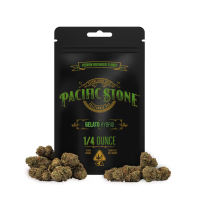
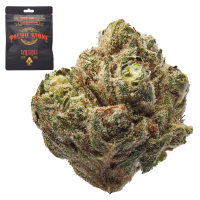
Humulene, also known as α humulene or simply alpha humulene, is a common terpene that belongs to the family of natural compounds called sesquiterpenes. Its chemical formula is C₁₅H₂₄, and it is closely related to beta caryophyllene, another well-known cannabis terpene. Together, these terpenes help define the aromatic profile of many plants.
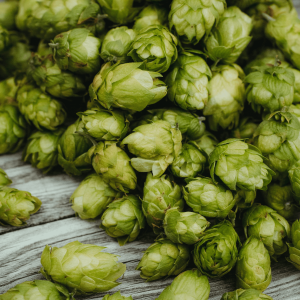
As the name suggests, humulene was first identified in hops, the flowering plant (Humulus lupulus) used in beer brewing. In fact, it gives many beers their distinct woody aroma and spicy smell. But humulene doesn’t just belong to hops—it naturally occurs in many plants including black pepper, ginseng, sage, and cordia verbenacea, a Brazilian herb historically used in folk treatment for inflammatory diseases.
When it comes to cannabis, humulene plays an important role in shaping the aroma and flavor profile of many cannabis strains. Its presence often contributes an earthy and woody aroma with spicy notes, sometimes balanced with subtle herbal undertones. In the cannabis plant, it can appear in both indica and sativa strains, usually alongside other terpenes like beta caryophyllene, enhancing the beneficial effects through the entourage effect when combined with other cannabinoids like THC and CBD.
Humulene Terpene Effects and Therapeutic Benefits
The most compelling aspect of humulene lies in its therapeutic potential. Early research and anecdotal evidence suggest that this terpene may offer a wide range of health benefits and medical benefits:
- Anti inflammatory effects: Humulene is widely studied for its ability to reduce inflammation. It is even found in abies balsamea essential oil and cordia verbenacea, both of which have been historically applied topically to treat inflammatory diseases and relieve swelling. This makes it particularly promising for those suffering from chronic pain.
- Appetite suppression: Unlike many cannabis terpenes that encourage appetite stimulation, humulene acts as an appetite suppressant, making it unique among cannabis compounds. For people looking to manage weight while enjoying cannabis products, this is a standout effect.
- Antibacterial properties: Some studies suggest that humulene may be effective against bacteria like staphylococcus aureus, adding to its range of potential *therapeutic benefits.
- Anticancer properties: Preclinical studies have examined humulene’s ability to interfere with the growth of cancer cells, pointing toward possible therapeutic potential in oncology.
- Pain relief: Thanks to its anti-inflammatory properties, humulene may help relieve pain associated with arthritis, muscle tension, and inflammation.
- Calming effects and sedative effects: While humulene isn’t usually thought of as psychoactive, many users report calming effects and mild sedative effects when using cannabis strains high in humulene.
Together, these benefits of humulene highlight how one common terpene can have a surprisingly broad impact. When paired with other cannabinoids like THC, the effects of humulene are amplified through the entourage effect, further enhancing its therapeutic benefits.
Cannabis Strains High in Humulene
If you’re curious to experience humulene terpene effects firsthand, certain cannabis strains high in humulene consistently test with high concentrations of this terpene. Some of the most popular include:
- Girl Scout Cookies (GSC) – Famous for its sweet yet earthy aroma, GSC contains noticeable amounts of humulene that contribute to its woody aroma and spicy notes.
- Sour Diesel – A well-loved sativa strain, Sour Diesel has a sharp, pungent aromatic profile where humulene plays a supporting role in its unique scent.
- White Widow – This balanced hybrid showcases humulene’s contribution to calming effects and a mild appetite suppression effect.
- Death Star – Known for its potency and sedative effects, Death Star often contains high levels of humulene, enhancing its relaxing effects.
- Skywalker OG – A strong indica-dominant hybrid where humulene’s earthy and woody aroma combines with other terpenes for deep pain relief.
- Pink Kush – A descendant of OG Kush, Pink Kush features spicy smell undertones, with humulene amplifying its beneficial effects.
In these cannabis strains, humulene smell can be distinct, but more importantly, humulene plays a role in shaping their therapeutic benefits—whether that’s helping relieve pain, offering anti inflammatory effects, or supporting appetite suppression.

Why Humulene Matters in the Cannabis Experience
So, why should cannabis users care about humulene? For one, it’s more than just a terpene that gives a spicy smell or woody aroma to the cannabis plant. The benefits of humulene extend into real therapeutic potential for people dealing with chronic pain, inflammatory diseases, or even appetite management.
For medical cannabis patients, strains with high concentrations of humulene may offer targeted health benefits, especially when seeking anti-inflammatory support or non-psychoactive therapeutic benefits. For recreational users, humulene can add calming effects, sedative effects, and balance when combined with other terpenes and cannabinoids.
Understanding humulene also helps consumers choose the perfect strain. If you’re seeking relaxation without excessive munchies, a strain with notable humulene content could be ideal. If your goal is to reduce inflammation and relieve pain, humulene-rich cannabis products are worth exploring.
At the end of the day, humulene shows us how many cannabis strains aren’t just about THC levels—they’re about the complex dance of terpenes, cannabinoids, and natural compounds that shape the beneficial effects of cannabis.
Conclusion
The world of cannabis terpenes is vast, and humulene stands out as one of the most fascinating. From its roots in the hops plant to its role in cannabis strains, humulene offers a unique scent, a range of therapeutic benefits, and promising medical benefits.
Whether you’re exploring humulene for its anti-inflammatory properties, anticancer properties, or its ability to relieve pain and promote calming effects, it’s clear this common terpene plays a much bigger role in the cannabis experience than most people realize.
Humulene Terpene Effects: Frequently Asked Questions
1. How does humulene terpene make you feel?
Humulene terpene is best known for its calming effects and subtle mood support. While it doesn’t create psychoactive effects like THC, many people describe the experience as grounding. Because of its anti-inflammatory properties and therapeutic benefits, it’s often associated with soothing discomfort, reducing inflammation, and even helping relieve pain. Depending on the cannabis strains it’s paired with, humulene plays a role in enhancing the entourage effect, offering beneficial effects without overwhelming sedation.
2. Is humulene a sativa or indica?
Humulene isn’t a strain itself but a common terpene that shows up in both sativa strains and indica strains. For example, strains like Girl Scout Cookies (a hybrid) and Death Star (indica dominant) can have high concentrations of humulene. The terpene’s effects depend more on the cannabis plant’s full profile of cannabinoids and other terpenes rather than whether it’s sativa or indica. In other words, humulene’s benefits of appetite suppression, anti-inflammatory effects, and calming effects can be present in many cannabis strains, regardless of their type.
3. Does humulene suppress appetite?
Yes—humulene is widely recognized as a natural appetite suppressant. Unlike many cannabis terpenes and cannabinoids that trigger “the munchies,” humulene has the opposite effect, which can be a beneficial effect for those seeking appetite suppression. This makes it unique among natural compounds in the cannabis plant, hops plant, and other plants like ginseng. Some researchers suggest this therapeutic potential is why humulene has been used in traditional medicine for centuries.
4. Does humulene make you tired?
Humulene itself doesn’t necessarily produce sedative effects, but it can contribute to calming effects, especially when combined with other cannabinoids or terpenes like beta caryophyllene. Some cannabis strains high in humulene may help promote physical relaxation or ease chronic pain, which could feel similar to winding down before sleep. However, humulene is more associated with therapeutic benefits like anti-inflammatory effects and appetite suppression than with sedation. Whether or not it makes you feel tired often depends on the strain it’s paired with and your body’s unique response.
Jenna Renz

Jenna is a California-based creative copywriter who’s been lucky enough to have worked with a diverse range of clients before settling into the cannabis industry to explore her two greatest passions: writing and weed.