Rewards



Wondering how to make weed gummies? You’re in the right place.
Cannabis edibles have come a long way from mystery brownies with unpredictable results. Today, infused gummies are one of the most popular edible formats for a reason. They’re convenient, discreet, delicious, and allow for relatively precise dosing—especially when you make them yourself. Whether you’re seeking a mellow evening buzz or consistent relief from chronic pain or anxiety, homemade weed gummies give you full control over ingredients, cannabinoid potency, and flavor.
Making your own THC or CBD gummies at home may sound intimidating, but with the right instructions and tools, it’s totally doable. Plus, it’s a fun and creative way to explore cannabis beyond smoking or vaping. And for people in legal states, it can be far more affordable than buying high-dose edibles at the dispensary. This guide breaks down everything you need to know—from ingredients and infusion methods to storage, flavor tips, and dosage calculations.
Let’s walk through it step-by-step so you can start crafting your own personalized batch of delicious, cannabinoid-infused gummies.
Understanding Cannabis Infusions: Oil vs. Tincture vs. Distillate


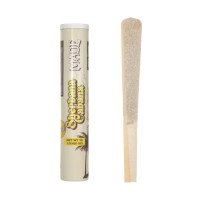
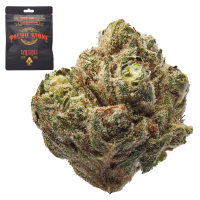
Before diving into the gummy-making process, it’s essential to understand your options for cannabis oil infusion. The form of cannabis you use to make your own gummies can drastically affect not only potency but texture, flavor, and stability of the final product.
Cannabis-Infused Oil is the most common and accessible option for edibles. Coconut oil or MCT oil tends to be preferred because they bond well with cannabinoids and have a neutral taste. This method involves infusing decarboxylated cannabis flower into oil, typically over low heat for several hours. It’s versatile and can be added to almost any recipe.
Cannabis Tinctures, which are alcohol-based extracts, can also be used to make gummies, though they require more precision. Alcohol can alter the setting process of gelatin or pectin, so recipes using tincture should follow specific ratios and cooking techniques. One perk is that tinctures are easier to dose due to their liquid form.
THC or CBD Distillate is a highly concentrated form of cannabis oil extract that’s nearly flavorless and already activated. It’s ideal for edibles because it blends cleanly with most ingredients and offers consistent potency with minimal taste interference. However, it’s potent—so careful measurement is key.
Each infusion method has its pros and cons. Choose the one that best fits your comfort level, dietary needs, and desired strength.
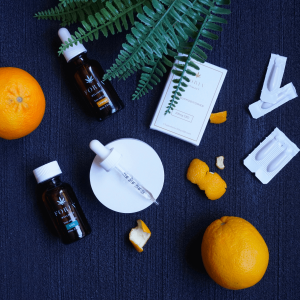
What You’ll Need: Tools and Equipment Checklist
Having the right tools on hand will make your gummy-making process smoother and more precise. While the basic concept is simple, a few specialty items will elevate your final product.
Must-Have Tools:
- Saucepan or small pot for heating ingredients
- Silicone gummy molds (with dropper/pipette included)
- Whisk or silicone spatula for mixing
- Digital kitchen scale for measuring infusions accurately
- Candy or cooking thermometer
Optional but Helpful Tools:
- Measuring cups and spoons
- Mixing bowls
- Fine mesh strainer (if using flower-infused oil)
- Gloves for handling sticky mixtures
These tools help ensure your gummies set correctly, the THC or CBD is evenly distributed, and your kitchen doesn’t end up a sticky mess.
Ingredient Breakdown: What Goes Into a Weed Gummy?
Despite their small size, making your own weed gummies requires a thoughtful blend of ingredients to achieve the perfect consistency, flavor, and effect. Here’s what typically goes into a batch:
- Unflavored Gelatin (or Agar Agar): This is the base structure. Gelatin creates a chewy, gummy texture. If you’re vegan, you can substitute agar agar or fruit pectin.
- Infused Oil or Distillate: Your THC or CBD source. Dosage will depend on the strength of the infusion.
- Water or Juice: Acts as a liquid base. Fruit juices like lemon, berry, or orange work well and add flavor.
- Flavoring: Natural fruit flavors, extracts (like vanilla or mint), or even essential oils can be used.
- Sweeteners: Sugar, honey, or agave syrup balance out any bitterness from cannabis.
- Lecithin (optional): Helps bind water and oil-based ingredients, ensuring cannabinoids are evenly distributed.
- Citric Acid (optional): Adds tartness and preserves freshness.
Customizing your recipe with natural fruit purees, herbal extracts, or vitamin boosters is totally fair game—as long as the gummy mixture sets properly.
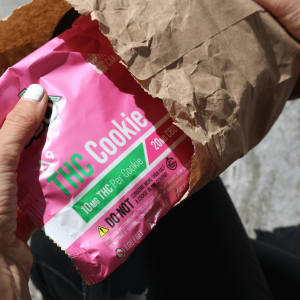
Step-by-Step Instructions: How to Make Weed Gummies at Home
Let’s get into the core of the process. Here’s a basic THC gummy recipe using infused coconut oil:
Ingredients:
- ½ cup water or juice
- ½ cup infused coconut oil (dose based on potency)
- ½ cup corn syrup or honey
- 1 tablespoon lecithin (optional)
- 2 tablespoons unflavored or flavored gelatin
- Flavoring of choice (fruit extract, citrus zest, etc.)
Instructions:
- Heat the liquid: In a saucepan over low heat, combine water/juice and sweetener. Stir continuously.
- Add gelatin: Slowly sprinkle gelatin into the warm liquid while whisking to prevent clumping.
- Add infused oil and lecithin: Stir in your cannabis-infused oil and lecithin. Keep mixing the gelatin mixture until smooth and fully combined.
- Maintain low heat: Don’t let the mixture boil. Use a thermometer to keep it between 160–180°F to preserve potency.
- Add flavoring: Once fully combined, remove from heat and stir in your flavor additives.
- Pour into molds: Using a dropper, fill silicone molds. Work quickly before the mixture starts to set.
- Let them set: Place molds in the fridge for 1–2 hours until firm. Avoid freezing.
Once fully set, gently pop out your gummies and store them in an airtight container.
Decarboxylation: Why It Matters for Potent Gummies
If you’re making infused oil from raw flower, decarboxylation is non-negotiable. This is the process that activates THC or CBD by converting the cannabinoid acids (THCA and CBDA) into their psychoactive or bioavailable forms.
How to decarb cannabis:
- Preheat your oven to 240°F (115°C)
- Break up buds and spread evenly on a baking sheet
- Bake for 30–40 minutes, stirring halfway through
The result is dry, aromatic cannabis that can now be infused into oil or butter. Skip this step, and your edibles may have little to no effect.
Dosage Matters: How to Calculate THC/CBD in Each Gummy
Accurate dosing is one of the biggest advantages of making your own edibles. Here’s how to calculate:
- Know the potency of your infusion. For example, if your oil contains 800mg THC total and you use ½ cup (roughly 120mL), then each mL contains about 6.67mg THC.
- Determine how many mL you used in your recipe. Divide total THC by number of gummies you make.
Example: 120mg THC oil used in a batch of 20 gummies = 6mg THC per gummy.
If you’re new to edibles, aim for 2.5–5mg per piece and increase slowly. Potency can vary depending on stirring and consistency, so err on the side of caution.
Flavor Tips: Making Gummies Taste Better
Let’s be honest: cannabis-infused gummies don’t always taste great. The earthy, sometimes bitter flavor of THC or CBD oil can be hard to mask. But there are ways to improve your gummy flavor:
- Use citrus-based fruit juices like lemon, orange, or pineapple
- Add a pinch of citric acid or lemon zest for tartness
- Use flavored extracts (strawberry, raspberry, lime)
- Incorporate fruit puree for depth of flavor and color
A strong flavor base can balance out the cannabis oil taste, especially when using full-spectrum infusions.
How to Make Vegan Weed Gummies
Vegan gummies are just as easy to make—you just need to swap out gelatin. Here’s how:
- Use agar agar instead of gelatin (start with 1 tsp agar powder for every 1 tbsp gelatin)
- Adjust your cooking time: Agar sets more quickly and requires boiling to activate
- Use fruit pectin (like Sure-Jell) for a softer, chewier consistency
Vegan gummies may have a slightly different texture, but with the right flavoring and infusion, they’re just as effective.
THC vs. CBD Gummies: What’s the Difference in Effects?
THC and CBD gummies serve different purposes, and knowing the difference helps you decide which type to make.
- Psychoactive, euphoric high
- May support pain relief, mood elevation, and appetite
- Should be dosed cautiously
CBD Gummies:
- Non-intoxicating
- Used for anxiety, sleep, inflammation, and general wellness
- Can be taken daily without impairment
Some people prefer a balanced 1:1 ratio of THC to CBD for mild effects and reduced anxiety.
Troubleshooting: Common Gummy-Making Problems and Fixes
Even seasoned makers run into gummy issues. Here are a few common problems and how to fix them:
- Too soft or won’t set: Not enough gelatin or agar; mixture wasn’t heated correctly
- Too sticky: Not enough time to cure; needs to be stored with cornstarch
- Uneven potency: Cannabinoids not mixed thoroughly or separated from the mixture
- Weird taste: Low-quality infusion, overcooked gelatin, or clashing flavor profiles
Fine-tuning your ratios and methods will get easier over time.
How to Store Weed Gummies Safely
Homemade cannabis gummies don’t contain preservatives, so proper storage is key:
- Refrigeration: Keeps gummies fresh and firm for 2–3 weeks
- Freezer storage: Allows gummies to last several months (seal tightly)
- Room temp: Only viable if your kitchen stays cool and dry
Always store gummies in airtight containers and label them clearly. And keep them far away from kids or pets.
Are Homemade Weed Gummies Legal?
Legality depends entirely on your location. In states with legal recreational or medical cannabis oil, making edibles for personal use is usually allowed. However:
- Selling or gifting homemade edibles is often illegal without a license
- Transporting across state lines is a federal offense
- Possession in prohibited states can carry severe penalties
Even if you’re making your own for personal use, always double-check your local laws to stay on the right side of legality.
How Homemade Gummies Compare to Store-Bought
Making your own cannabis gummies has some definite advantages—but also a few drawbacks.
Pros:
- Fully customizable (flavor, strength, ingredients)
- Cost-effective (especially for high-potency doses)
- More accessible if you live far from dispensaries
Cons:
- Shorter shelf life
- Less precision than commercial lab-tested products
- Requires time and effort
If you want quick convenience and guaranteed consistency, store-bought might be the way to go. But if you enjoy experimenting and want full control, homemade is hard to beat.
Final Thoughts: Customize, Experiment, and Enjoy Responsibly
Making weed gummies at home is an empowering, creative process that combines cooking, chemistry, and cannabis education. Whether you’re crafting gummies for stress relief, chronic pain, better sleep, or just a fun buzz, the ability to fine-tune dosage, flavor, and form puts the experience entirely in your hands.
That said, edibles pack a punch, and it’s easy to overdo it. Always start with a low dose, wait at least two hours before consuming more, and label your products clearly. The goal is to enhance your experience, not overwhelm it.
Now that you know how to make weed gummies, it’s time to gather your ingredients, grab your molds, and start cooking. Stay safe, stay legal, and enjoy every chewy, infused bite.
How to Make Weed Gummies: FAQs
1. Can you make your own weed edibles?
Yes, you can absolutely make your own weed edibles, including gummies, brownies, and more. In fact, DIY edibles are a popular option for those who want full control over dosage, flavor, and ingredients. As long as you’re in a state where cannabis use is legal, you can legally make edibles for personal use at home. Just be sure to follow proper dosing and decarboxylation steps to activate the cannabinoids and avoid overwhelming effects.
2. What to buy to make weed gummies?
To make weed gummies, you’ll need a few specific tools and ingredients. On the equipment side, invest in gummy molds (preferably silicone), a saucepan, a dropper or pipette, a whisk, and a kitchen scale. Ingredient-wise, you’ll need gelatin or a vegan substitute (like agar agar), fruit juice or water, sweetener (like honey or corn syrup), lecithin for emulsifying, and a cannabis infusion—either THC or CBD oil, tincture, or distillate. Optional flavor enhancers like fruit extract or citric acid can improve the final taste.
3. What are the ingredients in weed edibles?
The base ingredients in weed edibles typically include a fat or carrier oil (such as coconut oil or butter) infused with cannabis, plus food ingredients that depend on the edible type. For gummies specifically, common ingredients include gelatin, lemon juice or water, sweetener, lecithin, flavoring, and the cannabis infusion (THC or CBD). Vegan options may use agar agar or pectin instead of gelatin. For baked goods, you’d typically use infused butter or oil, flour, sugar, eggs, and flavorings.
4. How much weed should I use per gummy?
The amount of weed per gummy depends on the potency of your infusion and how strong you want each gummy to be. Start by determining how many milligrams of THC or CBD are in your oil or distillate, then divide that total by the number of gummies you’re making. For example, if your oil has 500mg THC and you make 50 gummies, each one will have 10mg. Beginners should aim for 2.5–5mg of THC per gummy to start and adjust future batches based on tolerance and effect.
Jenna Renz

Jenna is a California-based creative copywriter who’s been lucky enough to have worked with a diverse range of clients before settling into the cannabis industry to explore her two greatest passions: writing and weed.