Rewards


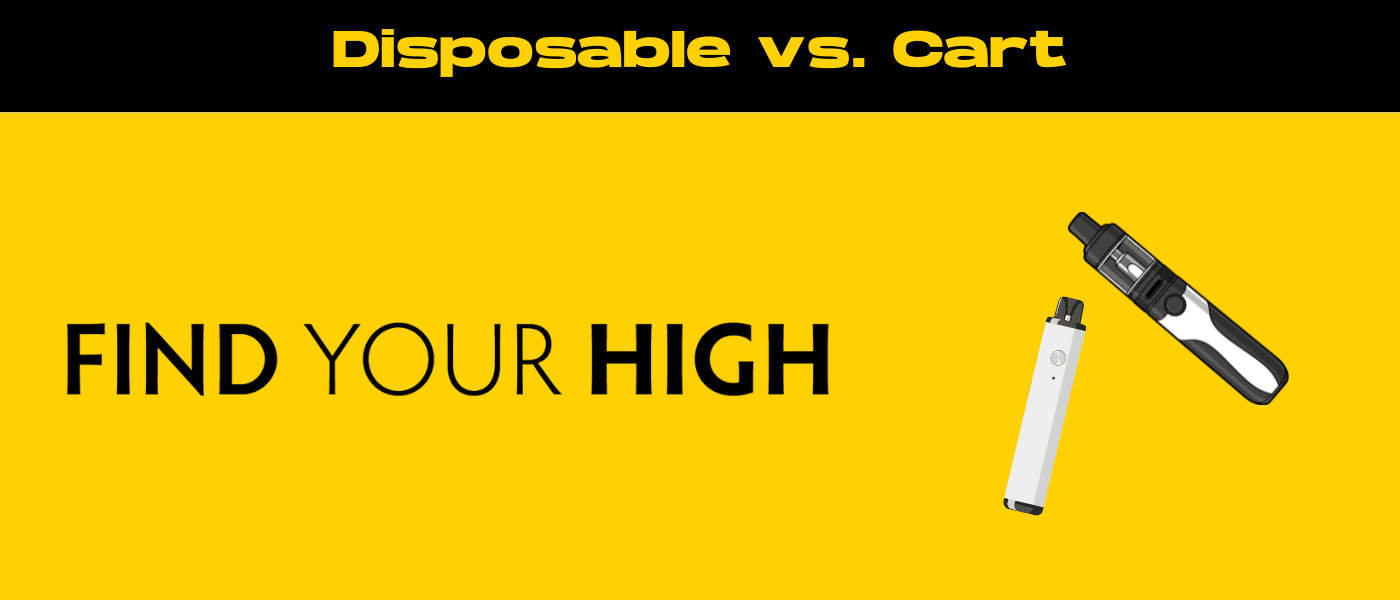
Disposable vs cart is the comparison that actually matters if you’re trying to spend less, waste less, and stop getting burned by leaks, clogs, and mystery hardware. Both can be great. Both can be terrible. And yes, one is usually cheaper long-term, but there are a few situations where the “expensive” option quietly wins.
Let’s settle it.
The quick answer (before we get nerdy)
Carts are usually cheaper long-term because you reuse a battery and only replace the oil. Disposables usually cost more per gram because you’re rebuying a battery, a body, and a mouthpiece every time, even though you came for the oil.
But cost is not the only scoreboard. Convenience, reliability, and “will this ruin my day at 11:47 p.m.?” matter too.
What you’re actually paying for
With a cart setup, you’re paying for:
- Oil (the important part)
- A cartridge (the container and coil)
- A battery you keep (the part that doesn’t need to be repurchased constantly)
You buy the battery once, then you rotate carts.
With a disposable, you’re paying for:
- Oil
- A cartridge-like tank
- A battery
- An outer device
- Charging electronics (often)
- A mouthpiece
- And the privilege of throwing it all away
That extra hardware cost is why disposables often lose the long-term value game.
Long-term cost: why carts typically win
Here’s the simple logic: reusable battery + replaceable oil container beats “new device every time.”
Even if the up-front cost of a cart battery feels like an “extra,” you typically recover that cost quickly because:
- Carts often have more predictable performance across brands
- You can pick a higher-quality battery once and stop gambling
- Replacement costs are focused on the consumable
The hidden cost advantage of carts: control
A decent 510 battery gives you:
- Adjustable voltage (or at least a better tuned output)
- Preheat mode for thick oils
- A more consistent draw
That consistency often means less wasted oil and fewer “why does this taste burnt already” moments.
Waste is expensive. Burnt oil is expensive. Rage-quitting a half-full cart is expensive.
But wait: disposables sometimes win (yes, really)
Disposables can beat carts in specific real-world situations. Not because they’re cheaper per gram, but because they reduce friction and failure in ways that matter.
Disposable wins when convenience is the whole point
If you value:
- No shopping for a battery
- No compatibility questions
- No “is this battery dead?”
- No learning curve
Then the disposable is doing its job.
Disposable wins when you don’t vape often
If you take a few puffs once in a while, a cart setup can become “equipment you maintain.” A disposable can be “a thing you use.”
Light users sometimes waste money on carts by:
- Letting a cart sit for weeks, then it clogs
- Losing the battery
- Buying multiple batteries because they can’t find the first one (classic)
If you’re not a repeat buyer, the long-term savings may never show up.
Disposable wins when you’re traveling or need a one-and-done solution
If you need something:
- For a weekend
- For an event
- As a backup device
A disposable is often the least annoying option. Sometimes the cheapest option is the one that doesn’t create a second problem.
Disposable wins when the hardware is genuinely better
This one surprises people. Some modern disposables use:
- Better airflow design
- Better coil tuning
- Better oil wicking (especially for thicker oils)
Meanwhile, plenty of cheap carts are still out here clogging like it’s their full-time job. If your cart experience is consistently leaky, burnt, or blocked, a high-quality disposable can actually waste less and feel “cheaper” in practice.
Price/value beyond dollars: what you get for the money
Let’s talk value like adults. Value is not just price. It’s price plus how much of the product you actually get to enjoy.
1) Convenience
Disposables: maximum convenience. Open package, inhale, feel superior.
Carts: still convenient, but you need a battery and you need it charged.
If you want a no-thought option, disposables win. If you can handle “owning a small battery,” carts are fine.
2) Hardware quality (and why it matters)
Hardware impacts:
- Flavor
- Potency perception (vapor production)
- Oil usage efficiency
- Burn risk
- Clogs and leaks
Carts vary wildly. A great cart is great. A bad cart is a sticky, sad tube of regret.
Disposables also vary, but the device is designed as a full system, so when it’s done well, it’s very smooth.
Rule of thumb: cheap hardware makes expensive oil taste cheap.
3) Flavor
Flavor is affected by:
- Coil material
- Voltage
- Airflow
- Oil formulation
In general:
- Good carts on a good battery produce clean, controlled flavor.
- Good disposables can be very flavorful because the device is tuned to that oil.
Bad versions of either taste like burnt popcorn and bad decisions.
4) Potency and “it hits harder”
Potency is mostly the oil, but the delivery matters. A device that:
- Runs too hot
- Has poor airflow
- Burns terpenes
…can feel harsher while delivering less of the good stuff.
Carts with adjustable voltage give you control. Disposables give you simplicity. If you’re sensitive to harshness, control is your friend.
5) Sustainability
Let’s not pretend this is close.
Carts still create waste, but it’s typically:
- A small cartridge
- Packaging
- A battery that lasts a long time
Disposables create:
- A whole device with a battery every time
If sustainability matters to you, carts are the less-waste option. Not perfect, just better.
6) Reliability: clogs, leaks, and other modern tragedies
Both can clog. Both can leak. But the failure patterns differ.
Carts often clog when:
- The oil is thick
- The cart sits unused
- You pull too hard
- You store it cold
- The hardware is low quality
Disposables often fail when:
- The internal battery dies early
- The oil wicks poorly
- The charging port gets finicky
- The device is a lemon (it happens)
If you hate troubleshooting, buy the option with fewer moving parts for you. That’s usually a disposable.
Safety tips (do these, regardless of what you buy)
This part is not cheeky. This part is important.
Buy from legit sources
Avoid mystery products. If the packaging looks like it was designed in a haunted PowerPoint template, walk away.
Avoid overheating
- Don’t chain-hit like you’re trying to set a world record.
- Let the coil cool between pulls.
- If it tastes burnt, stop. Don’t “push through.” You’re not brave, you’re just inhaling bad vapor.
Store it upright and at room temp
- Upright reduces leaks.
- Room temp reduces clogs.
- Avoid leaving it in a hot car. Heat can thin oil, cause leaks, and degrade compounds.
Don’t use damaged devices
Cracks, leaks, swelling, or weird chemical smells are not “just how it is.” Toss it.
Charging basics for disposables
If it’s rechargeable:
- Use a low-power charger
- Don’t leave it charging unattended
- If it gets hot while charging, stop
Who should pick what? Use this decision table (no excuses)
Pick a cart + battery if you:
- Use vape regularly (weekly or more)
- Want better long-term value
- Care about sustainability
- Want control over heat and airflow (via a better battery)
- Are willing to do minimal maintenance (charging, storing upright)
Quick rec: Buy a reputable 510 battery with adjustable voltage and preheat. Then buy quality carts from brands with transparent testing and consistent hardware.
Pick a disposable if you:
- Vape occasionally and don’t want gear
- Need something for travel, events, or backup
- Hate troubleshooting and just want it to work
- Prefer a tuned, all-in-one experience
- Are okay paying more for convenience
Quick rec: Choose disposables from reputable brands with a solid track record for airflow and consistency. Avoid bargain-bin devices unless you enjoy disappointment.
How to make either option last longer (and feel cheaper)
Make carts last longer
- Use a battery with lower voltage settings
- Use preheat instead of pulling harder when it clogs
- Take shorter hits, pause between hits
- Store upright, room temp
- Don’t empty it to the last sad drop if it starts tasting off
Make disposables last longer
- Don’t chain-hit
- Keep the mouthpiece clean
- If it’s rechargeable, charge gently and don’t overdo it
- Store upright to reduce leakage and spitback
The “best of both worlds” strategy
If you want value and convenience, do this:
- Keep a cart setup as your main driver.
- Keep one disposable as your emergency backup.
You save money long-term, and you still have a no-brain option when life gets messy.
Bottom line
If you’re asking disposable vs cart with long-term cost in mind, carts usually win because you stop paying for a new battery every time. But disposables win when convenience matters more than squeezing every last cent, when you use vape infrequently, or when a well-built disposable outperforms the cheap carts you keep getting burned by.
Buy better hardware. Store it properly. Stop pulling like you’re trying to drink a milkshake through a coffee stirrer. You’ll save money either way.
FAQ: Disposable vs Cart
Are carts always cheaper than disposables?
Usually, yes, over time. You reuse the battery, so you’re mostly paying for oil and the cart. Disposables bundle oil plus a whole device, which often raises the effective cost.
Why do disposables often feel like they hit harder?
Many disposables are tuned as a single system, so airflow and power output are matched to the oil. Some cart batteries run too cool, too hot, or inconsistently, which changes the hit.
Which option is better for flavor?
A high-quality cart on a good adjustable battery is hard to beat. That said, a well-made disposable can be extremely flavorful because it’s optimized for that specific oil and coil.
Which is more reliable: disposable or cart?
It depends on the specific product, but disposables are often more plug-and-play. Carts can be very reliable with good hardware and proper storage, but they are more prone to clogs if left unused.
Do carts clog more than disposables?
Carts commonly clog when oil is thick, the cart sits, or you store it cold. Disposables can clog too, but many are designed to reduce user-caused issues like mismatched voltage or poor battery output.
What’s safer: disposable or cart?
Neither is “automatically safe.” Safety depends on buying reputable, tested products and using them correctly. Avoid counterfeit products, don’t overheat devices, and store properly.
Which is better for occasional users?
Often disposables. If you only vape occasionally, you may not benefit from the long-term savings of a cart battery and you may deal with clogs from sitting carts.
Which is better for sustainability?
Carts are typically less wasteful because you keep the battery and only dispose of the cartridge. Disposables throw away a battery and device each time.
What should I do if my cart clogs?
Stop pulling harder. Use a battery with a preheat function, warm it slightly at room temperature, and take gentle draws. Hard pulls can flood the coil and make clogging worse.
When does a disposable make the most sense?
When you need maximum convenience, you don’t want to carry a battery, you use vape rarely, or you want a simple backup that just works.
Jenna Renz

Jenna is a California-based creative copywriter who’s been lucky enough to have worked with a diverse range of clients before settling into the cannabis industry to explore her two greatest passions: writing and weed.