Rewards



If you’re diving into cannabis cultivation, you’ve probably come across autoflower cannabis seeds. These little powerhouses are changing the way both beginner and experienced growers approach their growing cycle. Unlike traditional photoperiod strains, which rely on specific light cycles to start flowering, autoflowering cannabis seeds flower automatically, giving you fast harvests and perpetual harvests with minimal fuss.
Whether you’re a seasoned cultivator or a new grower, understanding the key benefits of autoflower seeds is essential. From fast buds and impressive yields to resilient autoflowering plants, this guide covers everything you need to know to grow autoflowers successfully.
History of Autoflowering Cannabis




The origin of autoflowering cannabis traces back to cannabis ruderalis, a hardy species native to Russia and parts of Central Europe. Unlike photoperiod strains, which rely on the length of the light cycle to enter the flowering stage, cannabis ruderalis naturally flowers automatically, even under continuous light.
Breeders crossed ruderalis genetics with traditional photoperiod strains to create modern autoflowering strains. Today, autoflowering cannabis strains offer the best of both worlds: the potency and flavors of classic strains combined with the resiliency and speed of ruderalis. Many growers now prefer autoflower seeds for their fast growth and simplified cannabis cultivation.
How Autoflower Seeds Work
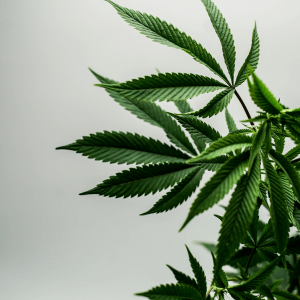
The secret behind autoflower cannabis seeds lies in their genetics. Autoflowering seeds are programmed to flower automatically after a certain period, usually 2–4 weeks after germination, regardless of the light cycle. This is different from traditional photoperiod strains, which require a light schedule shift—typically 12 hours of darkness—to start flowering.
This automatic flowering makes autoflower plants highly adaptable and beginner-friendly, especially for indoor growers who might struggle with maintaining precise light cycles. While autoflower seedlings are small initially, they rapidly develop into robust autoflowering cannabis strains ready for harvest in record time.
Benefits of Autoflower Seeds
Autoflowering seeds come with numerous key benefits that make them appealing to both new growers and experienced growers:
- Fast harvests: Many autoflower varieties complete their life cycle in 8–10 weeks.
- Multiple harvests: Since they don’t rely on photoperiods, you can have perpetual harvests throughout the year.
- Compact size: Ideal for indoor growers and small spaces.
- Resilient plants: Autoflowering cannabis tends to handle light stress, pests, and environmental challenges better.
- Low maintenance: Less sensitive to light penetration and light schedule errors, perfect for beginner growers.
These advantages explain why many growers are switching to autoflower seeds feminized or auto seeds to simplify their cannabis cultivation journey.
Choosing the Right Autoflower Seed
Selecting the best autoflower seeds requires consideration of several factors:
- Strain type: Choose autoflowering strains based on desired effects—indica, sativa, or hybrid.
- THC/CBD levels: Consider potency for recreational or medicinal use.
- Growth environment: Some autoflower plants perform better indoors, others outdoors.
- Flowering time: Fast harvests are available, but autoflowering cannabis seeds vary in flowering time.
Experienced growers often select autoflower varieties for XL yields and continuous light tolerance, while new growers may prioritize fast buds and low-stress cultivation.
Feminized vs Regular Autoflower Seeds
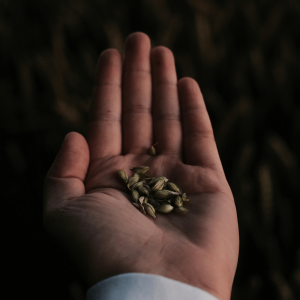
When buying autoflowering weed seeds, you’ll encounter feminized vs regular seeds:
- Feminized seeds: Guaranteed female plants, which produce buds. Most growers prefer autoflower seeds feminized for consistent yields.
- Regular seeds: Can produce male or female plants. Useful for breeding but riskier for new growers.
Choosing the right type affects yield consistency, harvest planning, and overall cannabis cultivation efficiency.
Indoor vs Outdoor Growing
Autoflower plants are versatile and adapt to both indoor and outdoor environments:
- Indoor growers benefit from controlled light cycles, coco coir, soil mix, or hydroponic setups.
- Outdoor growers can plant autoflowering cannabis strains for fast buds and multiple harvests throughout the growing season.
With continuous light or proper sunlight exposure, autoflowering plants thrive almost anywhere, making them ideal for new growers and urban cultivators alike.
Soil vs Hydroponic Cultivation
Autoflower cannabis seeds can grow in soil or hydroponic systems:
- Soil mix: Peat moss, coco coir, and nutrient-rich blends support root development and healthy growth.
- Hydroponics: Accelerates nutrient uptake, often producing XL yields and faster growth.
Choosing the right medium affects feeding schedules, watering, and overall plant health, especially during the first few weeks of growth.
Planting and Germination Tips
To germinate autoflower seeds, follow these simple steps:
- Use a moist paper towel to start germination.
- Maintain warmth and humidity to encourage root development.
- Once roots appear, transfer to a soil mix or coco coir.
Avoid root rot and overwatering by ensuring proper drainage and prevent root rot conditions. Healthy autoflower seedlings set the stage for fast harvests and impressive yields.
Vegetative and Flowering Stages
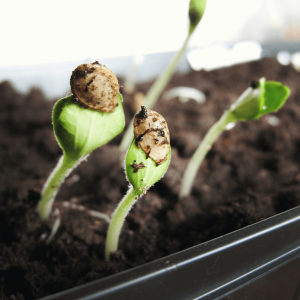
Autoflower plants transition quickly from vegetative to flowering stages:
- Vegetative stage: Usually 2–3 weeks. Focus on low-stress training and adequate light exposure.
- Flowering stage: Begins automatically, unlike photoperiod strains. Buds develop rapidly, often producing dry buds in under 10 weeks.
Proper care during both stages ensures healthy growth, strong root development, and optimal nutrient uptake.
Nutrient Requirements
Autoflowering cannabis strains have unique nutrient needs:
- Nitrogen: Critical during early growth.
- Phosphorus and potassium: Essential during flowering for bud development.
- Micronutrients: Calcium, magnesium, and trace minerals support healthy growth.
Maintain a balanced feeding schedule to avoid stunted growth or nutrient deficiencies, which are common mistakes for new growers.
Common Pests and Diseases
Even autoflowering plants can be affected by:
- Bud rot or mold in high humidity.
- Pests like spider mites or aphids.
- Root rot due to overwatering or poor drainage.
Prevention includes proper light penetration, ventilation, and using carbon filters indoors. Many autoflower varieties show resilience, but experienced growers still monitor for early signs of trouble.
Harvesting Autoflower Cannabis
Autoflowering cannabis seeds often reach harvest faster than photoperiod counterparts:
- Look for amber trichomes to determine peak potency.
- Use proper drying and curing techniques in glass jars to preserve flavor and aroma.
- Harvesting too early or late can impact bud quality and impressive yields.
Yield Expectations
Autoflower strains are compact but can produce XL yields with proper care:
- Indoor grows typically yield 30–100g per plant.
- Outdoor autoflowering plants can reach 150–250g per plant depending on light exposure and strain genetics.
- Growing autoflowers in ideal conditions and using low-stress training techniques maximizes harvests.
Advantages for Beginners
Autoflowering cannabis seeds are perfect for beginner growers:
- Fast buds reduce waiting time for results.
- Less sensitivity to light stress or incorrect light schedule.
- Easier to manage in small spaces or discreet grows.
For new growers, autoflower seedlings provide a smooth introduction to cannabis cultivation without sacrificing quality or potency.
Common Mistakes to Avoid
Even with autoflowering seeds, mistakes happen:
- Overfeeding or underfeeding during vegetative and flowering stages.
- Inconsistent light schedule or poor light penetration.
- Overwatering leading to root rot.
- Excessive pruning, which can stress autoflower plants.
Avoiding these pitfalls ensures healthy growth, strong root development, and impressive yields for both indoor growers and outdoor enthusiasts.
Conclusion: Why Choose Autoflower Seeds
Autoflower cannabis seeds offer unmatched convenience and versatility. From fast harvests and multiple harvests per season to resilience against environmental stress, they are an excellent choice for both beginner growers and experienced growers.
By choosing autoflowering cannabis strains, you can:
- Enjoy quick, reliable growth cycles.
- Maximize bud production in limited spaces.
- Reduce the risks associated with traditional photoperiod strains.
With proper care, the right soil mix, and attention to light exposure, autoflower seeds deliver healthy growth, high potency, and an overall rewarding cannabis cultivation experience.
Whether growing indoors or outdoors, autoflower seeds feminized or regular seeds, these adaptable plants offer fast buds, continuous light tolerance, and XL yields for any grower.
Frequently Asked Questions
1. What is the downside to autoflowering seeds?
While autoflower seeds offer speed and resilience, they generally produce smaller yields than traditional photoperiod strains. They also have a shorter vegetative stage, which can limit training techniques and root development compared to photoperiod plants.
2. Who has the best autoflower cannabis seeds?
The best autoflower cannabis seeds come from reputable breeders and seed banks that focus on quality genetics, stable strains, and high germination rates. Look for suppliers with autoflowering strains that consistently produce healthy growth and impressive yields.
3. How long do autoflower cannabis seeds take to grow?
Most autoflowering cannabis plants complete their life cycle in 8–10 weeks from germination to harvest. Some autoflower strains may take a few extra weeks depending on light exposure, nutrients, and environmental conditions.
4. What is better, feminized or autoflower?
This depends on your goals. Feminized seeds guarantee female plants, maximizing bud production and consistency, while autoflowering seeds provide faster growth and automatic flowering. Many growers combine the two—choosing feminized autoflower seeds for both reliability and speed.
Jenna Renz

Jenna is a California-based creative copywriter who’s been lucky enough to have worked with a diverse range of clients before settling into the cannabis industry to explore her two greatest passions: writing and weed.